


An unwelcome return visitor to Cayman’s shores is putting a dampener on the tourism recovery for bars, restaurants and hotels across the island.
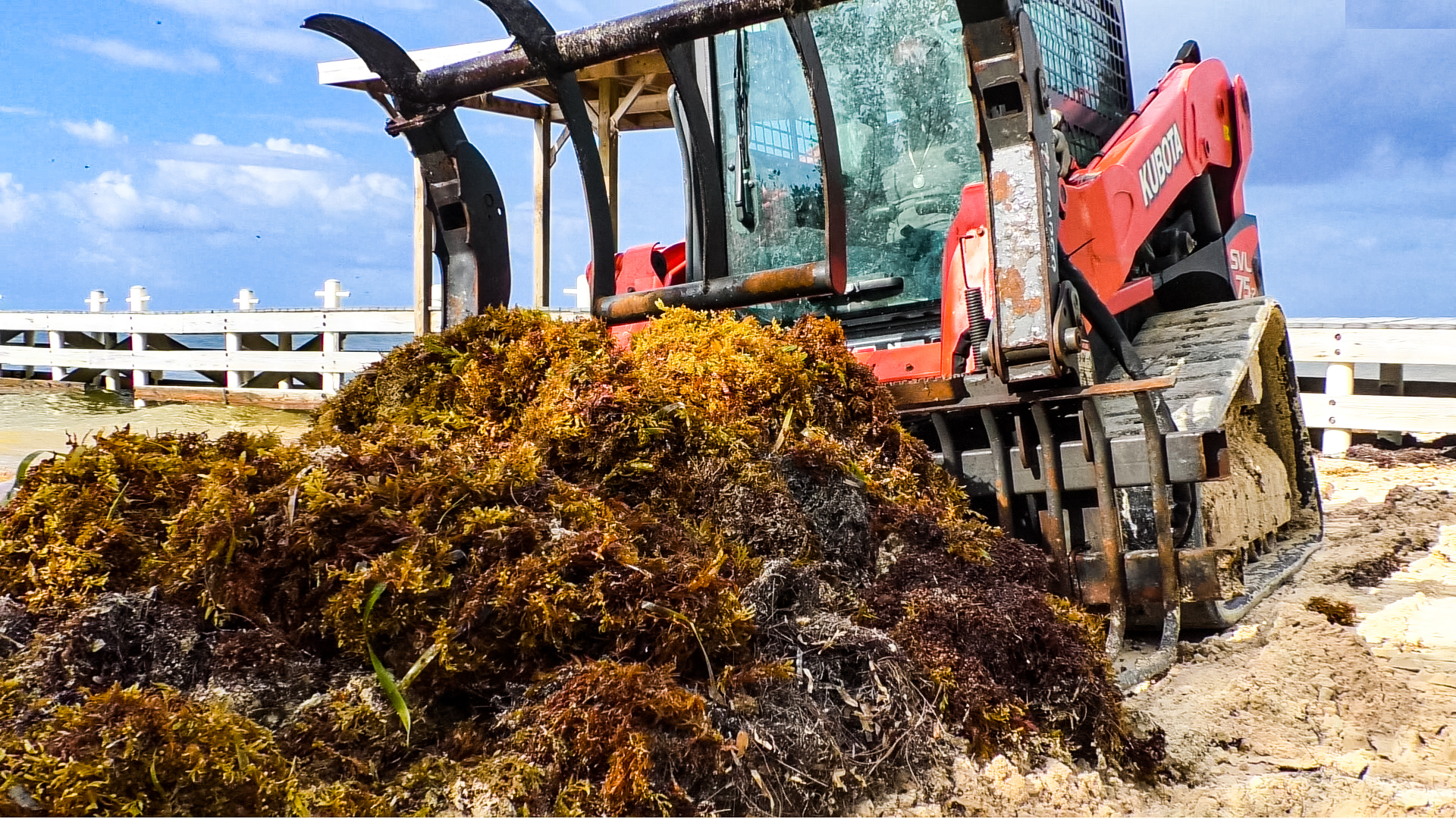
Floating brown mats of sargassum weed continue to swamp the shoreline, clogging up bays and inlets and bringing noxious smells that linger for weeks at a time.
It’s not just tourists that are impacted. Residents, particularly along the south coast and in the eastern districts, face some of the worst impacts. Fishing, swimming or simply walking on the beach are no longer an option in some areas.
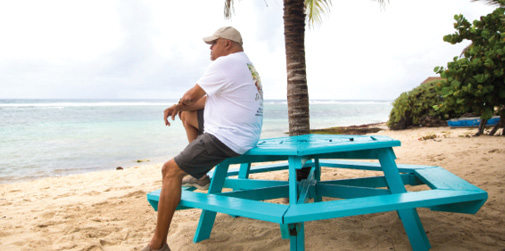
At the Grape Tree Cafe, Osbourne Bodden has had enough.
The former MP, who also runs the neighbouring gas station, said the foul smelling brown weed was piled waist deep on the beach by the cafe at times.
“It feels like we are under siege,” he said. “We can’t continue like this.
“For a little business like mine, the whole point is to sit out on the beach and have a meal.”
It’s not just his business that is impacted.
“Once you hit Bodden Town, right until you get to Morritt’s, there is nothing but the stench of sargassum. It is horrible for the businesses, but it is horrible for residents too. They are the ones that have to live with it,” Bodden said.
At the neighbouring Turtle Nest Inn, any guest who arrived expecting sandy beaches and clear blue waters left disappointed.
Proprietor Marleine Gagnon said the waters around the small hotel were frequently clogged with sargassum. A new government dock, with a barrier extending below the water line, may have contributed to corralling the seaweed in certain spots.
So far, she said, visitors had been understanding and willing to explore the island in search of the snorkelling spots that make Cayman famous. But she worries that they will think twice before coming back to her small guest house, which is still bouncing back from the impacts of the pandemic.
Sharlene Brenkus, manager at the Wyndham Reef Resort on the eastern tip of the island, said the sargassum incursions had been intense over the past few months. She said most guests were understanding, but some asked to relocate when they saw the beaches.
Staff at the East End resort work “daily and tirelessly’ to make the beach usable, she said, but the sargassum issue does impact guest experiences and the reviews on TripAdvisor can harm the business.
She said there were concerns about the smell and possible health impacts.
‘Guests take a whiff and walk out’
At Tukka restaurant, further along the coast, owner Ron Hargrave is facing a double impact. Customers at his East End venue are “used to it”, he says. There’s a broad expanse of water in front of the restaurant and the impact is not as bad as in other places.
But Tukka West, which recently opened at Morgans Harbour, is often deluged. Once the sargassum drifts into the North Sound, it stays there until the winds sweep it ashore.
“It seems to get stuck there at times,” Hargrave said. “People walk into the restaurant, take a whiff and walk right back out.”
“The forecast was for one of the worst years ever and it is certainly living up to that,” he said.
At the South Coast Grill, owner Tony Powell is thinking about solutions. He said his restaurant was occasionally impacted, but its ironshore coastline protects it from the worst of the deluge.
“The fact of the matter is that it affects everybody,” he said.
Farmers can help
Also a farmer, Powell says he offered the previous government a plot of land to dump the weed and dry it out to use as fertiliser.
The offer wasn’t taken up and he has since found another use for the plot, but he believes the farming community would be more than willing to help out.
“We could still pile it up and wash it out during the rainy season, mix it with the top soil and the farmers can use it,” he said.
Bodden said it was past time for government to be looking at solutions.
He highlighted the extent of the problem as far back as 2019 as part of a Compass series that looked at possible solutions.
In a special report, the Compass highlighted how entrepreneurs in St Lucia were creating fertiliser, and businesses in Mexico were using specially adapted boats to collect the seaweed in the water and keep their beaches clean.
While the pandemic diverted attention away from the issue, Bodden believes that if this unwanted repeat visitor is not dealt with, businesses and residents will continue to suffer.
He wonders if the fact that the sargassum is now impacting South Sound might prompt action.
“Government is dragging their feet on this,” he said.
“I know if it was on Seven Mile Beach, this would have been fixed a long time ago.”
Related Videos










Use the money spent on TravelCayman to instead buy a sargassum-recovery barge system! But while there is no impact to Seven Mile Beach, a government/private sector initiative on this is unlikely.
That last statement really isn’t true, because there have been many times when it was bad on 7 mile beach as well. But no matter where it is, Cayman has the money & resources to deal with it and should do so!
This was terrible at the end of May and early June. It smells awful and the beach (at Morritt’s) is barely useable in spite of daily efforts to remove the sargassum. We have enjoyed it there for 20+ years, but until this is resolved, we have to find another vacation spot.
Cause and effect: the unbridled agricultural development in and around the Amazon River basin pumps millions of tons of fertilisers and other growth stimulants into the soil and the river. Out it flows into the Atlantic where is feeds an ever voracious and gigantic patch of sargassum passing over 5,000 miles. https://www.bbc.com/future/article/20201119-atlantic-ocean-the-largest-seaweed-bloom-in-history