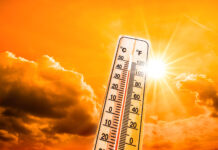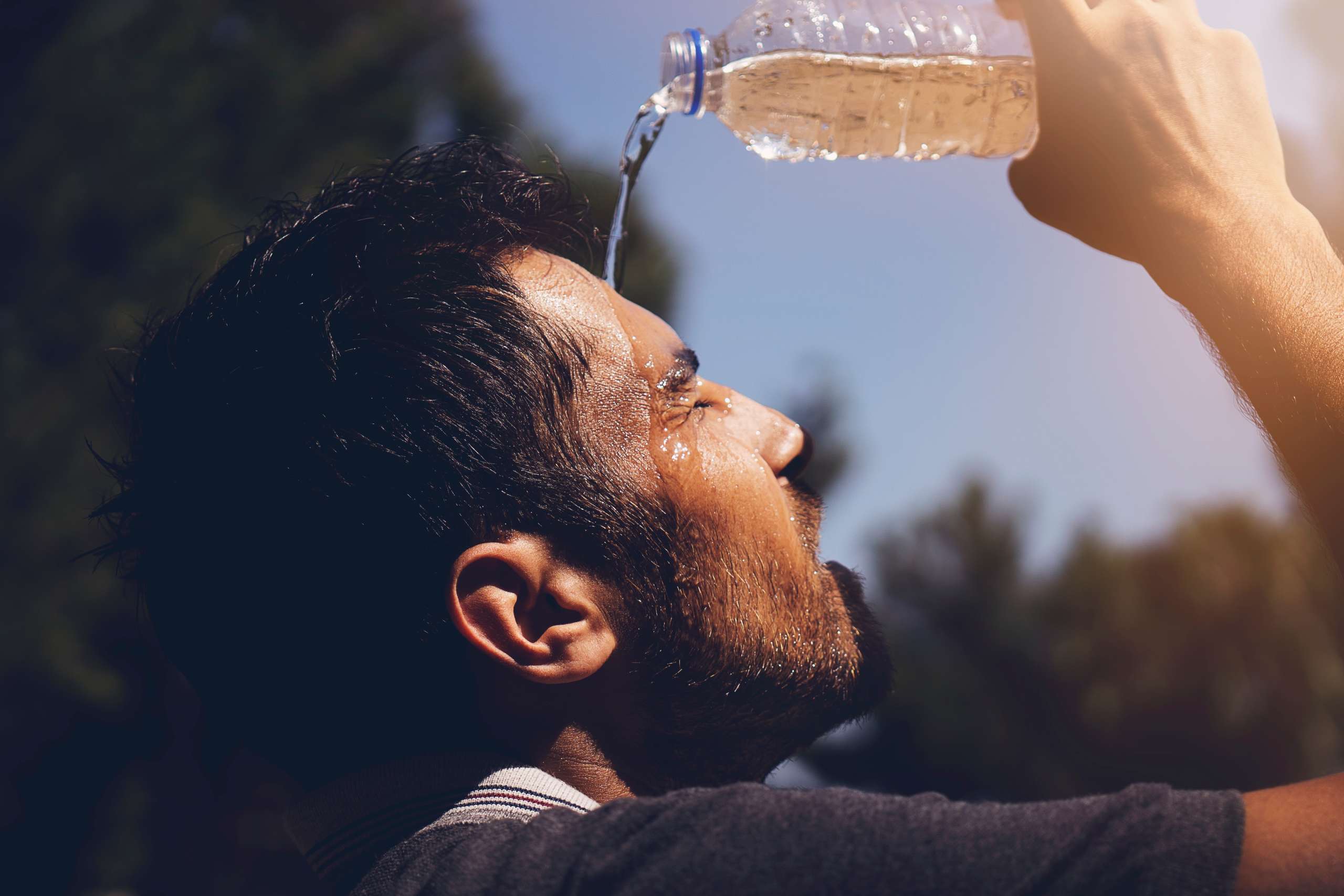
With temperatures approaching 90 degrees Fahrenheit, but feeling over 100, National Weather Service senior forecaster Gilbert Miller is advising the public to take the necessary steps to prevent heat exposure.
“I know in the Caribbean we’re used to hot temperatures but with the ‘feels like’ temperatures that [have] been happening we just have to take extra precautions,” Miller said, as he spoke with the Cayman Compass on Tuesday about the recent hot temperatures.
Tuesday’s temperature reached 89 degrees F with a ‘feels like’ recording of 104 degrees.
Temperatures normal for this time of year
Local temperatures have been reaching the average maximum of 89 degrees Fahrenheit or slightly above, however the ‘feels like’ temperature – which is how the heat actually feels outside – has been crossing the 100 mark, prompting concerns.
“It’s not really excessive, but the length of time that we’re above or at the max is longer than we are used to for this time of year,” he said.
The average maximum temperature for this time of year is around 89 degrees Fahrenheit which is not out of the ordinary, but he said more days are stringing together when the temperature gets to 89 degrees Fahrenheit or slightly above, within a degree or two.
“From what we’ve been seeing, the [temperatures] are well within the average maximum temperature for this time of year, but… more days consecutively are reaching the level of the max. So, this time of year, we can have a big swing in temperatures, dependent on cold fronts coming in,” he said.
Miller said the past few days were not at the point of heat wave status, though it may have felt like it.
However, he said as the summer months continue, temperatures will rise intermittently and the public should protect themselves when outside.
“Wear sunblock, for one; stay in shaded areas. Do not exercise or do too excessive work in the hottest parts of the day. Hydrate, wear a hat and eye protection, all of the necessary commonsense things to do to protect yourself from this heat. We all know that prolonged exposure to UV rays can give you a lot of skin issues, so we really prod people to make sure they protect themselves in terms of sunscreen, eye protection, hats, long sleeves – if you can manage it – those kinds of things,” Miller added.
A number of countries are reeling from heat waves, but Miller said for Cayman to declare a heat wave or issue a heat advisory several factors will come into play, but mainly the recorded temperature has to be around 91 degrees which is yet to be logged locally.
He said the ‘feels like’ temperature cannot be used to determine a heat advisory.
Miller pointed out that there are some contributing factors to the heat such as light winds for an extended period as well as overcast days which block the heat from escaping.
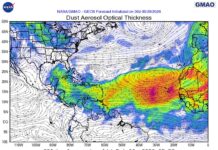
Added to this, he said, is the Sahara dust which has blanketed the region.
“It’s another trapping mechanism that increases your ‘feels like’ temperatures,” he added, saying more dust clouds are expected.
“I think for the next couple of weeks it is going to be generally making its way across the Atlantic in a thicker form so we can expect it for the next couple of weeks for sure,” Miller said.
Climate change has also contributed to rising temperatures globally.
Signs of heat exhaustion
The US Centers for Disease Control and Prevention says signs of heat exhaustion range from heavy sweating, cold, pale, and clammy skin, fast weak pulse, nausea or vomiting, dizziness or fainting.
If someone is showing such signs it is recommended that they move immediately to a cooler place, loosen clothing, put cool, wet cloths on their body or take a cool bath. Sipping water is also recommended.
If symptoms worsen, medical help should immediately be sought.
Signs of heat stroke are similar to that of heat exhaustion, but can be more dangerous.
The first sign, according to the CDC, is a high body temperature (103°F or higher) as well as hot, red, dry, or damp skin and a fast strong pulse. It is also accompanied by headaches, dizziness, nausea, confusion and losing consciousness or passing out.
In the case of heat stroke, medical help must be sought immediately as it is considered a medical emergency.
Related Videos