Economic activity in the Cayman Islands, in terms of real gross domestic product, is estimated to have increased by 3.8% in the first three months of 2022.
Indicators suggest that the expansion in economic activity was broad-based and largely driven by growth in tourism and transport-related sectors, the Economics and Statistics Office reported.
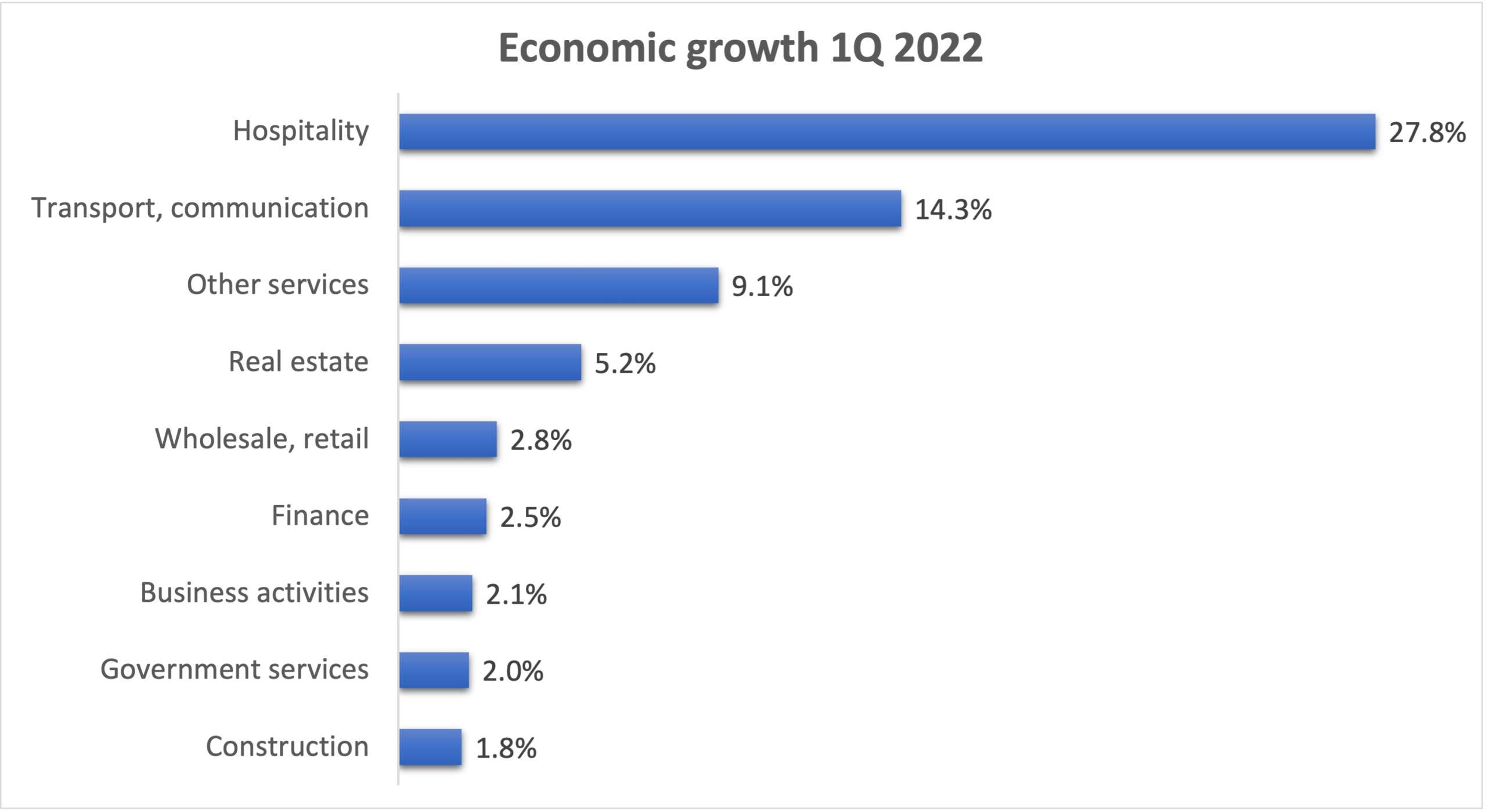
The hotels and restaurants sector showed an estimated growth of 27.8%, while transport and communication expanded by 14.3%.
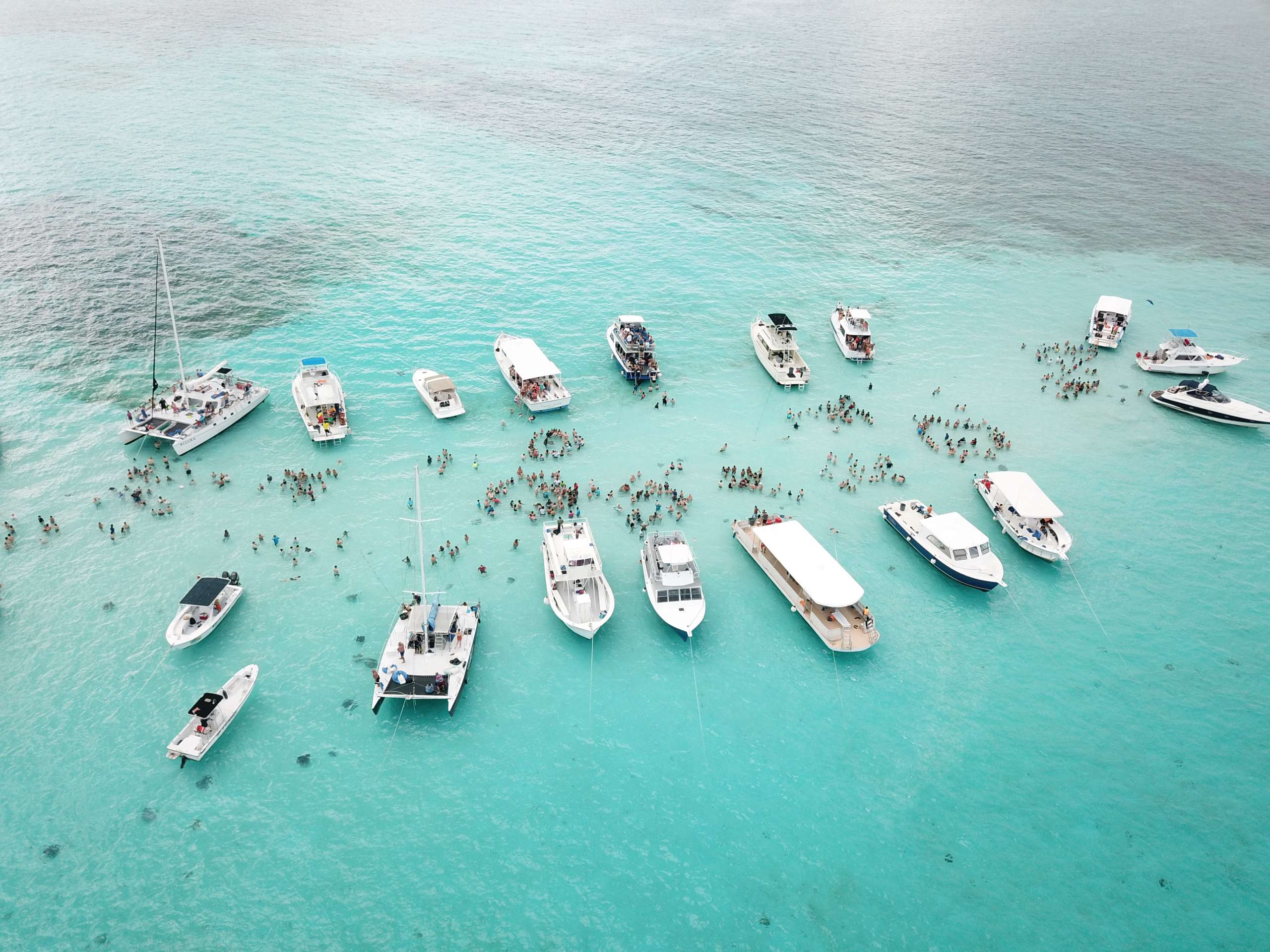
The reopening of Cayman’s tourism sector during the first quarter led to skewed statistics compared to the previous year when the islands were largely closed to tourists. Despite the growth rates, both air and cruise arrivals – Cayman’s cruise port only opened in March – were only a fraction of the pre-pandemic activity in 2019, which was a record year for tourism.
Meanwhile, finance and insurance, which remains the largest contributor to GDP, grew by an estimated 2.5% for the quarter.
The number of active funds, companies and partnerships on the register continued to climb at a high rate, even though new registrations were down slightly from a record year in 2021.
The construction industry, Cayman’s economic engine during the pandemic and largest employer, slowed markedly in the first quarter, growing at an annualised rate of just 1.8%. The number and value of building permits declined, whereas project approvals increased by 39.3% in value and 33.5% in volume over the same period last year.
Despite rising-price pressures and an inflation rate of 11.2% during the quarter, robust demand both locally and internationally continued to spur economic activities in the islands, the first quarter economic report noted.
The number of work permits in the first quarter increased by 17.8% to 29,294, amid falling unemployment. Public sector employment was up by 1.3% year-on-year to 4,433 civil servants.
Government finances showed a positive performance. The central government recorded an overall surplus of $215.9 million in the first three months of the year. This resulted from revenue of $446.9 million and expenditure of $231 million.
Since the first quarter, inflation has continued to climb and local lending rates have jumped following several US Federal Reserve interest-rate hikes. Unemployment, however, has continued to drop and tourism figures improved over initial government projections that estimated stayover tourism activity would only reach 40% of pre-pandemic levels.
Related Videos