

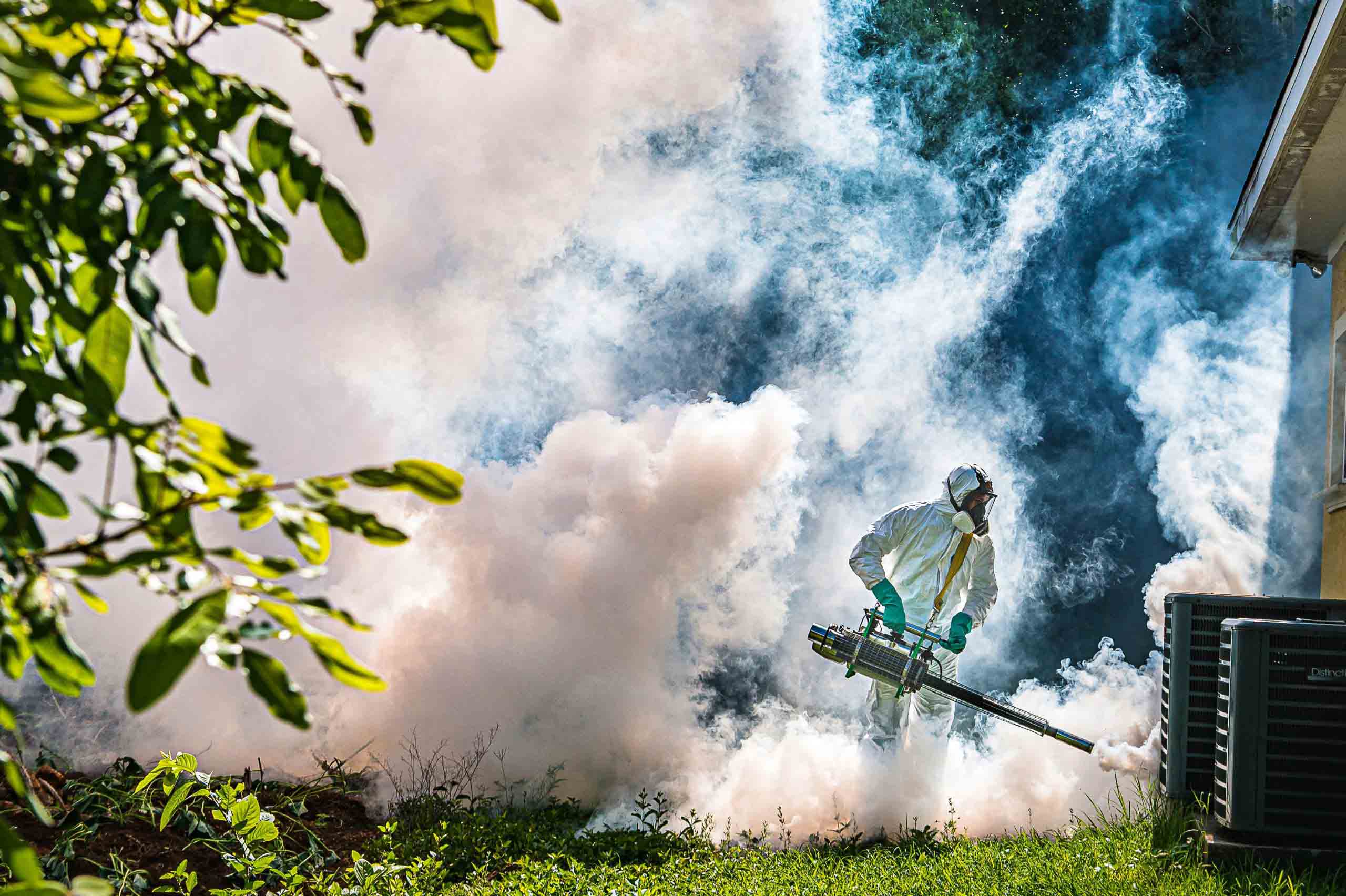
Mosquito Research and Control Unit staff are deploying extra preventative and suppressive techniques to try to thwart a potential increase in mosquitoes following the passage of Hurricane Ian.
MRCU Director Alan Wheeler told the Cayman Compass that, on average in Cayman, there is a 10-day incubation period for mosquito eggs to hatch into larvae and eventually become adult flying mosquitoes.
“Fortunate for us and not by intention, we [were] able to time just right the deployment of our insecticides with Hurricane Ian,” said Wheeler. “So what this means is by the time the new batch of mosquitoes hatch, a potential increase in numbers caused by the extra rainfall will have been met with our various traps and insecticide tablets, that are already in several parts of the central wetland mangroves and other areas, because we deployed them before the storm arrived.”
While mosquitoes are an issue year-round in Cayman, the active breeding season for the insects coincides with the rainy season as well as the Atlantic hurricane season, which runs from 1 June to 30 Nov.
According to the Cayman Islands National Weather Service, Hurricane Ian produced 1.72 inches of rainfall on 25 Sept. (the day before the storm) and 2.71 inches the following day as the storm passed closest to Cayman.
The combined total rainfall associated with Ian was 4.43 inches, about an inch less than half of the 10.7 inches recorded for all of this past September. In addition, that monthly total is more than 2 inches higher than the 30-year average of 8.52 inches for September.
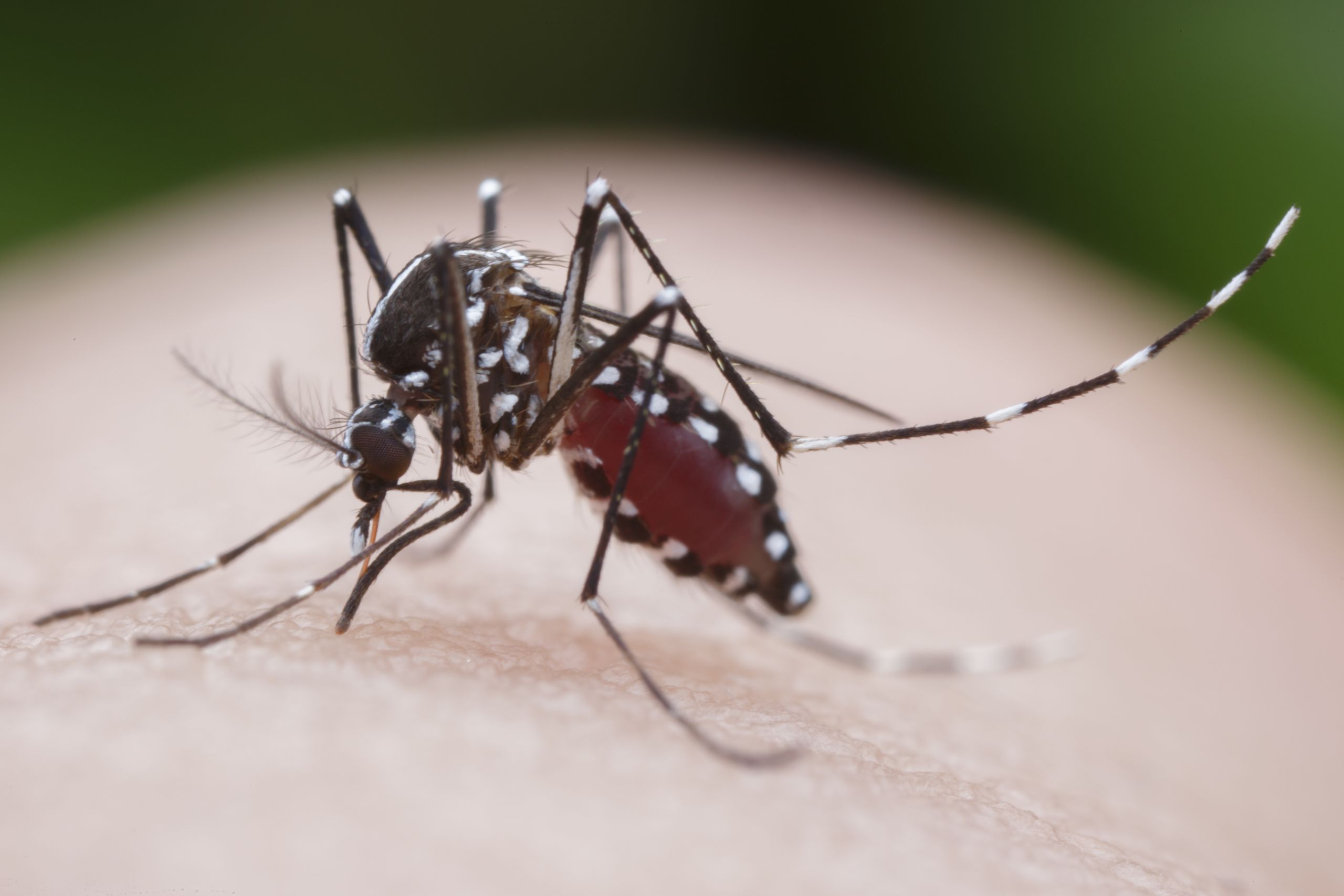
“The excess rainfall does pose a potential issue in that it can allow for more habitats for mosquitoes to breed,” said Wheeler. “In reality, there are two main types of mosquitoes. The first is the Aedes aegypti mosquito which is adapted to living among humans and will lay its eggs in any standing fresh water, whether it be in a chopped coconut shell or a bucket.”
Wheeler said the second is commonly referred to as the swamp or bush mosquito, but added there isn’t much that residents can do to reduce those numbers.
“These are the noticeably larger, thicker mosquitoes capable of flying longer distances and breeding in brackish water,” Wheeler said. “But this is where we come in, and our team has already begun work to check on our traps and to deploy additional insecticides where needed.”
Mosquito-borne illness under control
With the potential rise in the mosquito population comes a possible increase in mosquito-borne illnesses such as Zika, chikungunya, malaria and dengue.
Although the Cayman Islands Health Services Authority does not consider these illnesses to be endemic, due to the near-zero contraction and transmission rates, they have been detected here by Public Health officers in recent years.
However, so far this year only one confirmed case of dengue was recorded, in August. According to Public Health, the case was an imported one, meaning the person had a travel history and likely contracted the illness while abroad.
“We were made aware of that case and we did all the necessary precautions to help prevent the spread of the virus,” said Wheeler. “We are not worried of an outbreak of any sort of mosquito-borne illness, but nonetheless residents should do their best to take whatever steps are needed to protect themselves from getting bitten.”
In a statement issued by Public Health at the time of the 25 Aug. dengue case, a spokesperson said the department, “… has a year-round surveillance system that involves weekly monitoring of potential mosquito-borne illnesses reported by public and private physicians that have proven very sensitive when detecting dengue cases”.
To avoid being bitten by mosquitoes, Public Health’s recommendations include wearing long-sleeve shirts and long pants, and using mosquito repellents containing at least 50% DEET.
Public Health also advises residents eliminate potential Aedes aegypti breeding grounds by removing standing water in containers around their homes and other buildings.
Related Videos







A “POTENTIAL” increase in mosquitoes? I almost needed a blood transfusion last night!