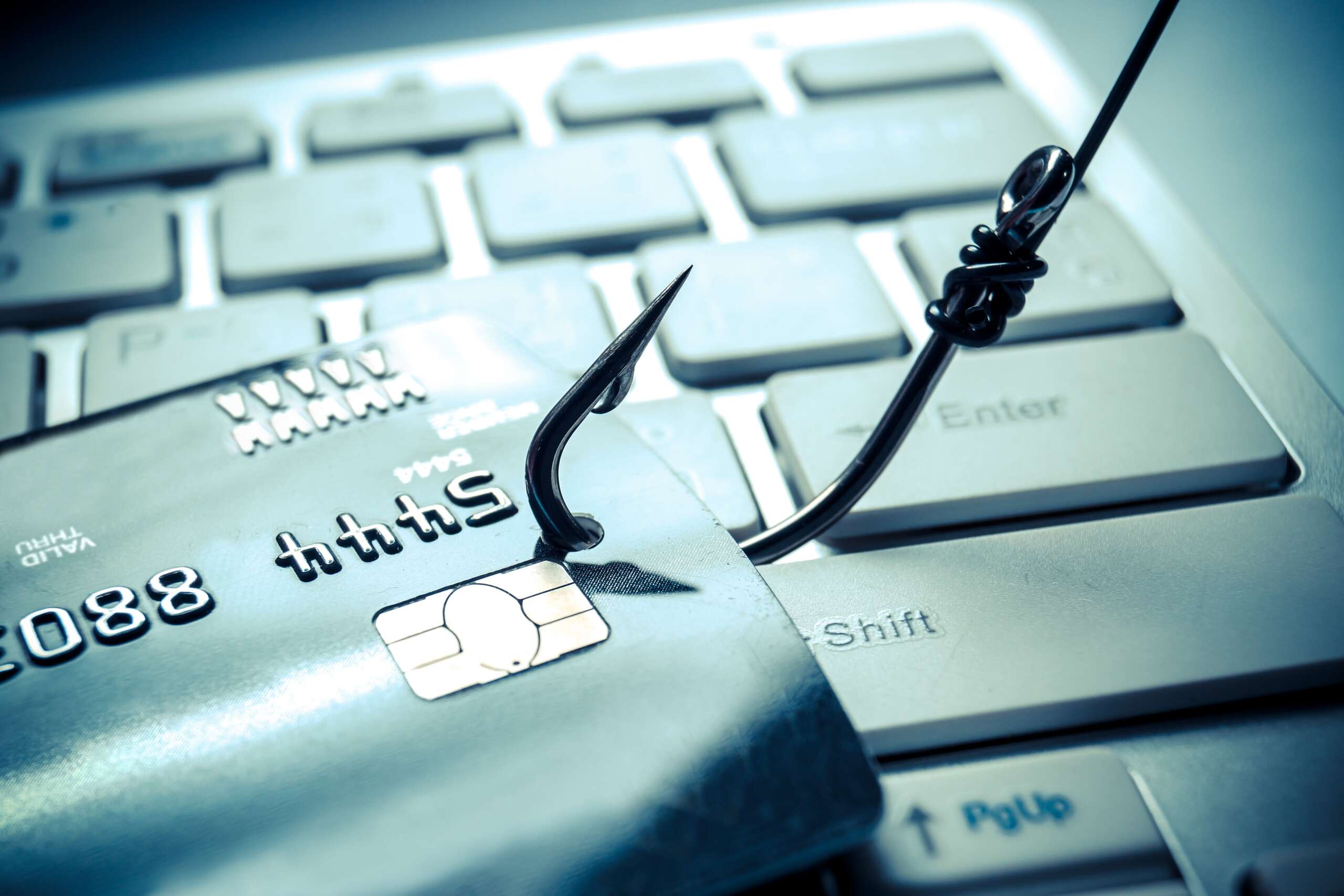
Police are warning local businesses and members of the public about a recent upsurge in phishing emails.
The Royal Cayman Islands Police Service and the government’s Cyber Security Office, in a statement issued Thursday, said there has been an increase in local reports of these scam emails.
“We have seen that these Phishing Emails are ‘crafted’ by the cyber attacker to look genuine and they often purport to be from a legitimate organisation,” the statement noted.
It pointed out that phishing emails “provide cyber attackers with an easy entry-point into an organisation’s computers and networks. They often contain file attachments or malicious HTML links, which could infect your computers and lead to the compromise of an entire computer network, if the link is clicked on or the attachment is opened by the recipient.”
The police and Cyber Security Office said phishing emails are often the precursor to a more serious cyber incident, such as cyber ransomware attacks, which they said “can be very disruptive to the business of the organisation, very expensive, and extremely time-consuming for an organisation to recover from”.
The modus operandi for cyber criminals, they said, is to gain the access to a company’s computer and network, often through a phishing email campaign, then to install malicious software, for the purpose of stealing, deleting or encrypting the organisation’s data.
“Then, the cyber attackers will attempt to ‘hold the organization to ransom’ by demanding a hefty payment (likely to be in cryptocurrency), with the promise to unlock your data, once they receive payment. The cyber attackers will often threaten to sell or release the data on the Dark Web, if the payment is not provided,” the statement noted.
Report suspicious activity
The Cyber Security Office and the RCIPS Digital Forensics Hub are advising businesses to ensure that their staff are aware of this increased threat level, so that they remain vigilant. Staff should be advised to report any suspicious activities to their company’s internal IT team immediately, they said.
They encouraged businesses and members of the public to report any suspicious activity to the RCIPS.
They also issued the following guidance and mitigation advice to help protect IT systems and infrastructure against cyber attacks:
- Organisations are encouraged to issue a notification to all of their staff to heighten awareness of phishing emails – specifically, to advise them to be extremely cautious if they receive an email from an unknown party or an unexpected email, the importance of not opening the attachment or clicking on the embedded links, and whom to report the email to;
- Email security solutions and secure configuration should be implemented to quarantine phishing emails, malicious content and links;
- Back-up devices which are kept permanently online are also a target for ransomware by cyber attackers. Businesses are encouraged to review their procedures and keep back-up data offline (when not in use) or in the cloud.
- Cyber attackers will exploit vulnerabilities in everyday software to gain access to an organisation’s systems. Organisations are encouraged to adopt regularised protocols for applying security fixes and patches, without undue delay.
- Endpoint Detect and Respond (EPDR) or traditional anti-virus software can assist in preventing some types of cyber-attacks. It is important to have such software deployed and kept updated on computers and servers.
- Multi-factor authentication (also known as two-factor authentication), provides for a more secure logon to computers and online services and should always be enabled, if it is an available feature.
Related Videos