By Aleigha General, Compass Scholar
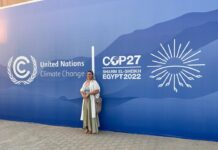
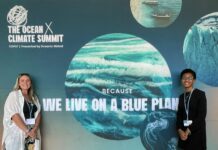
This year, I had the pleasure of being selected by the National Trust for the Cayman Islands to travel with two other incredible women as representatives of the Cayman Islands at the Conference of the Parties (COP27) in Sharm El Sheikh, Egypt.
I had many incredible opportunities and experiences that have helped shape my worldview. Here, I’ll focus on my three most influential experiences.
Firstly, the dedication and passion of other youth climate activists, and now feeling confident enough to count myself among them. Secondly, getting to speak with Barbados Prime Minister Mia Mottley about her views on the Caribbean’s role in climate change and, lastly, being able to make contact with many like-minded people in regards to agriculture, small island nations and sustainability.
I have always known that my generation isn’t easily phased by a predetermined status quo. Being told “no” or “you can’t” is not something that we view as a legitimate roadblock to our success. I see all our youth-led organisations on island and our youth representing us overseas and feel immense pride to be part of this community.
Youthful fire
So, it wasn’t a surprise to see that same fire from other young people from across the globe. Young people who stand firmly and proudly in their culture and heritage, and want to be part of these important conversations. Being in the midst of so many eager and stimulating minds was like standing with an army that you knew would protect you and help you become the best version of yourself.
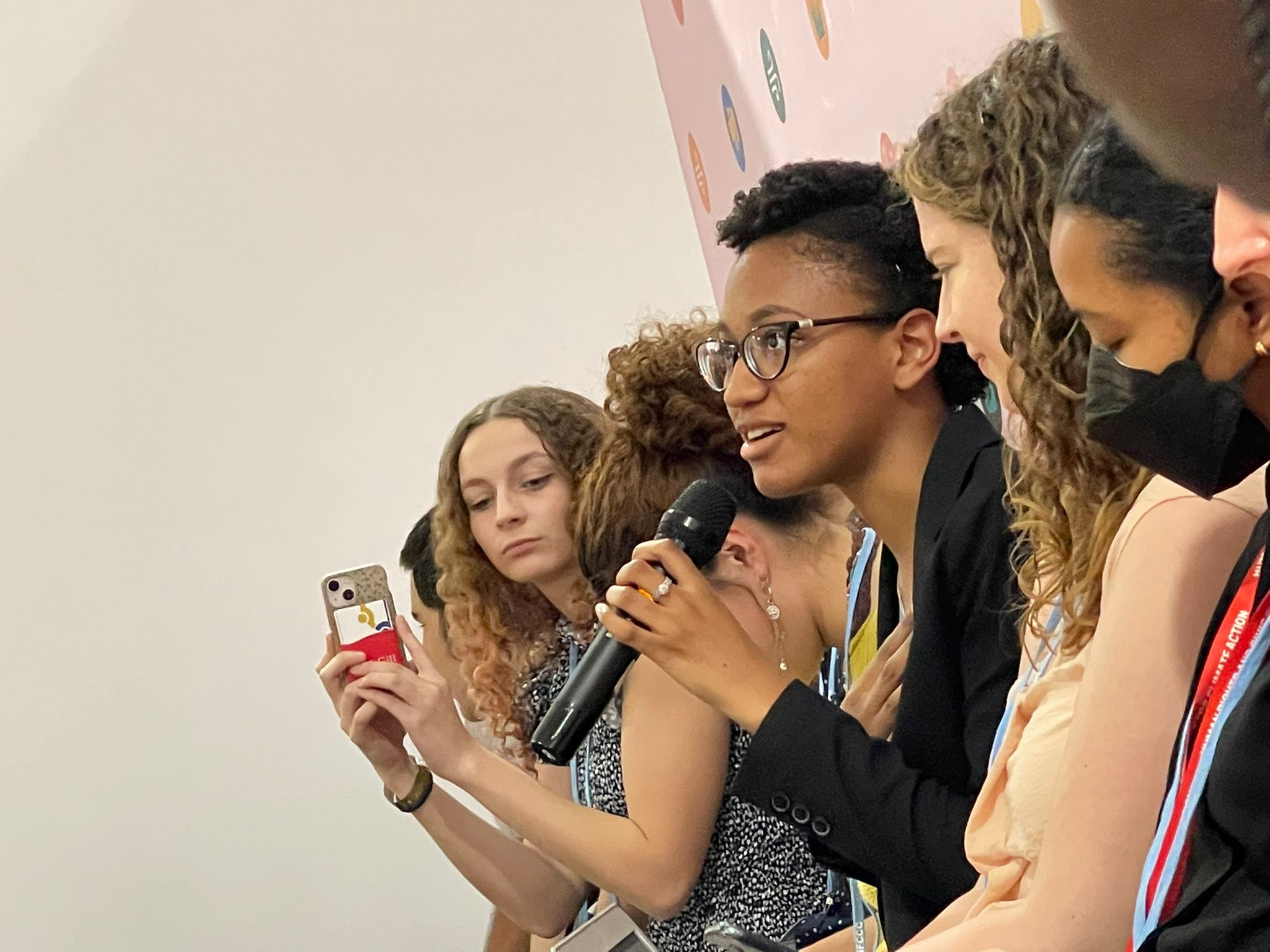
Personally, it can take a moment for me to feel comfortable in chaotic situations, but being surrounded by young people who I knew all had the same goal in mind as I did, bolstered me enough to the point where I felt confident enough to pose a question to the prime minister of Barbados.
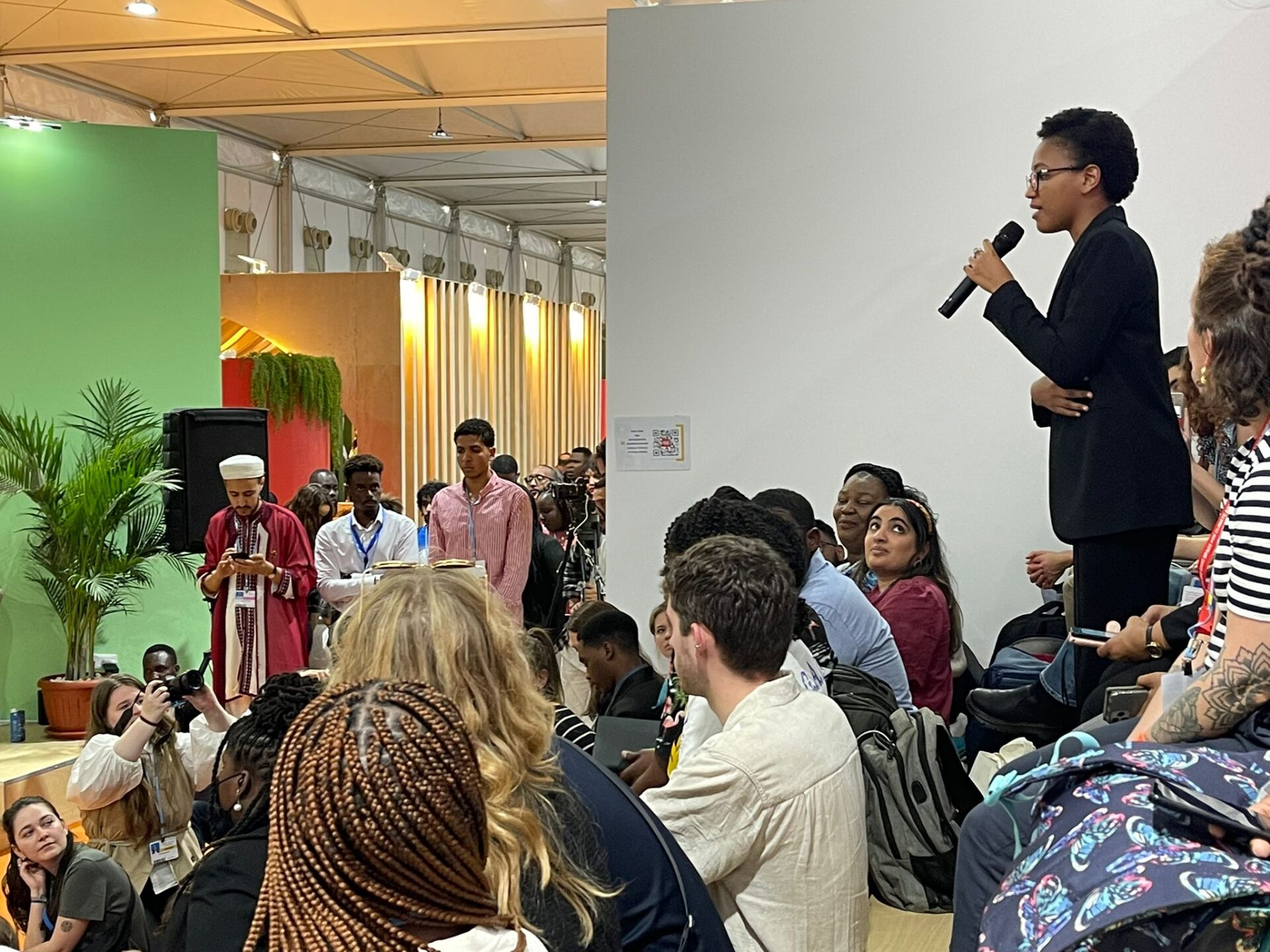
Despite my shaking hands and sweaty palms, I felt the energy in the room and spoke for those who couldn’t be there. When asked about changing the culture in the Caribbean around waste and sustainability, Prime Minister Mottley shared that this change had to be deliberate and conscious on the part of all Caribbean citizens.
We have to start teaching our young people the importance of the environment and what it means to be stewards for it long before they enter primary school and long after they graduate high school. Consistent and compassionate care for our surroundings, and each other, would be key to moving the Caribbean forward, returning to a caring neighbourhood of populations that looked out for each other’s well-being.
It can be difficult to know what you can do as a young person in this fight against seemingly invincible oil and fossil fuel companies, especially when the whole system seems rigged against you, but I am a believer in the strength of collective efforts at home.
At COP, there was discussion about greenwashing and getting nations to do their part instead of simply putting a green recycling sticker on every marketing tool. While some of that is happening, the vast majority of the people I spoke to were eager and honest about their plans and any shortcomings. Situations like these are never cut-and-dry and hold a lot of nuance.
Focus on agriculture
Before going to COP27, I decided that agriculture would be my main focus. I would collect information and contacts to bring back to Cayman and begin the hard work of piecing together the puzzle of our future in sustainability.
I wanted to know how other small, tropical island nations made their ecosystems and food needs work in tandem to reduce dependence on foreign goods. I went to discussions on food technology and what is being implemented across the globe, and panels about how the youth involve themselves in these processes. Finding out about mobile farm diagnostics for rural areas was just one of the methods that told me, “This is doable, this is something we can achieve.” I left COP27 with my wallet full of business cards and my mind full of ideas.
Overall, the conference highlighted to me the length and depth to which these conversations take place and the importance of continuing to have them. These topics are not one-size-fits-all, but if COP27 taught me one thing, it’s that collaboration towards meaningful action is going to be the crux of this entire movement. We cannot continue to take small steps in different directions.
Once we find that cohesion as a nation, a region and a global community, we’ll be able to establish a world fit for future generations to inherit.
Related Videos