The Organisation for Economic Co-operation and Development is making a push into coordinating global efforts to reduce carbon emissions.
More than 500 senior government officials, representing 100 countries and jurisdictions from around the world, are expected to come together for the first meeting of the Inclusive Forum on Carbon Mitigation Approaches (IFCMA) at a launch event at the OECD in Paris on Thursday, 9 Feb.
The new forum aims to improve the impact of emissions-reduction efforts around the world through data and information sharing, and multilateral dialogue.
The OECD said the group will “bring together all relevant policy perspectives from countries around the world, participating on an equal footing basis, to take stock of and consider the effectiveness of different carbon mitigation approaches”.
The OECD insisted that, unlike the Global Forum on Transparency and Exchange of Information for Tax Purposes or the Inclusive Forum on Base Erosion and Profit Shifting, the IFCMA will not serve as a standard-setting body, nor as a forum to “rank” countries.
The goal of the IFCMA is to enhance understanding of the full spectrum of carbon-mitigation approaches available and their combined global impact.
On 10 Feb., senior and technical-level delegates from the climate, tax and structural economic policy communities in participating countries will meet to consider proposed terms of reference and governance arrangements for the IFCMA, and initiate discussion on a range of substantive questions raised by the proposed technical work on carbon-mitigation approaches.
Currently, 133 countries around the world, representing around 91% of global GDP and covering around 83% of global emissions, have adopted net-zero carbon-emissions targets, according to the organisation.
Based on the principles of the Paris climate agreement, countries are using price-based and non-price-based emission-reduction polices to achieve these objectives.
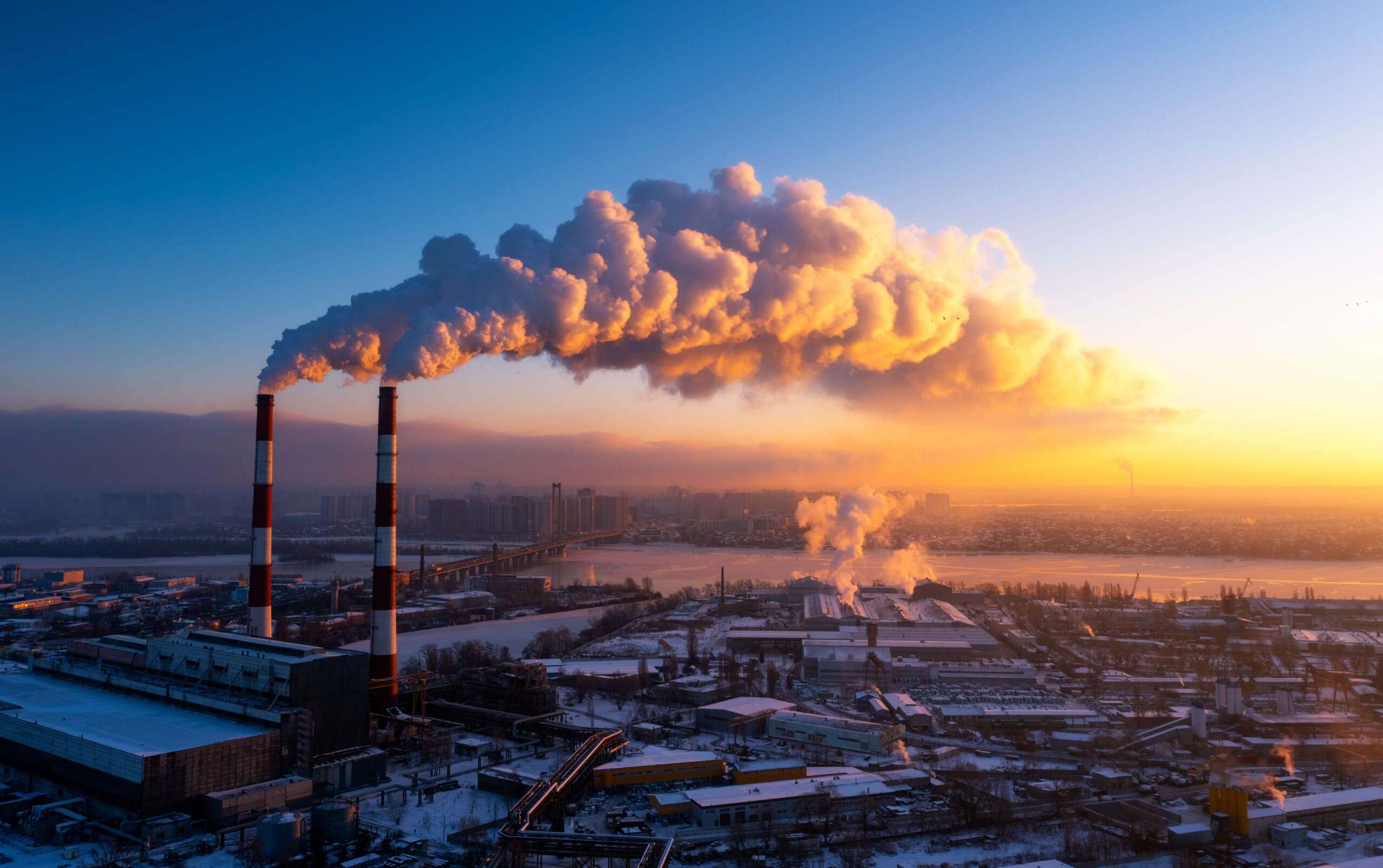
However, OECD countries still rely on fossil fuels for about 80% of their energy supply. Industry and transport, in particular, are the largest emitters of greenhouse gases.
The OECD said the IFCMA will support individual countries’ emissions-reduction efforts with information about the range of good practices that are available and how they can be adapted to fit specific circumstances.
Related Videos