

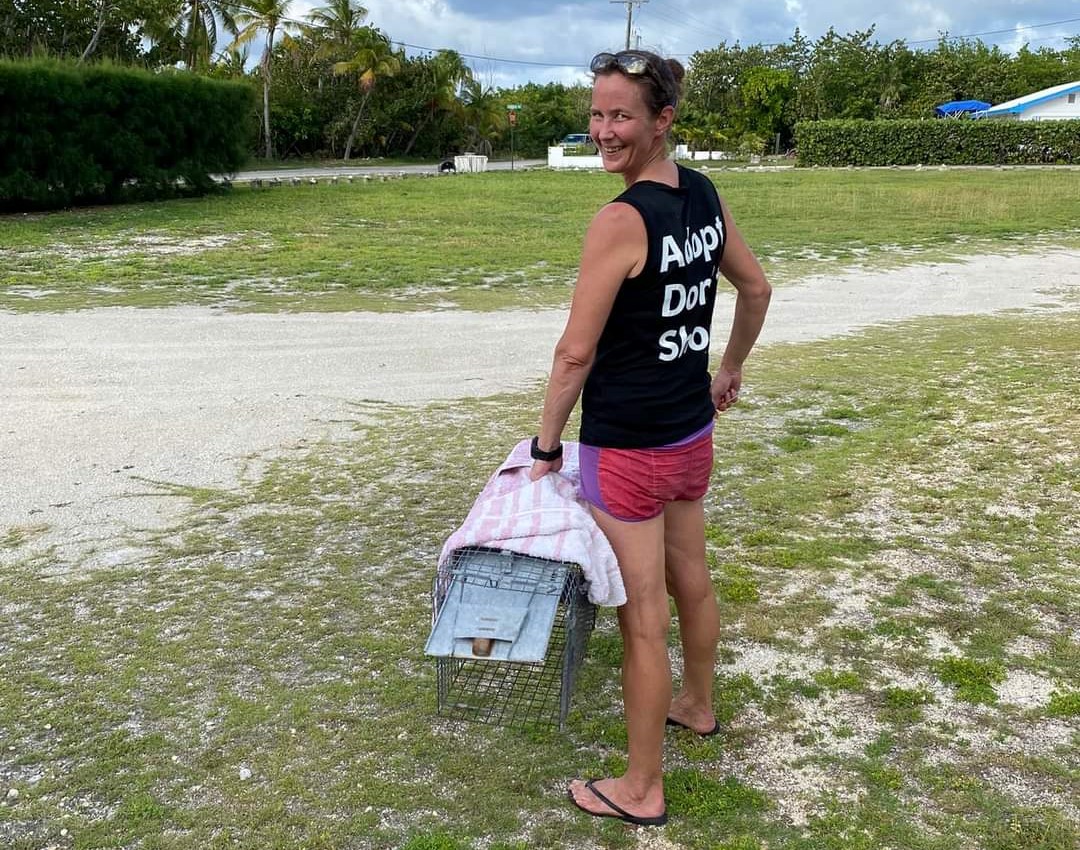
While the Departments of Environment and Agriculture trap and euthanise feral cats that are targeting endangered booby birds on Cayman Brac’s Bluff, a project to spay and neuter cats on the island is continuing.
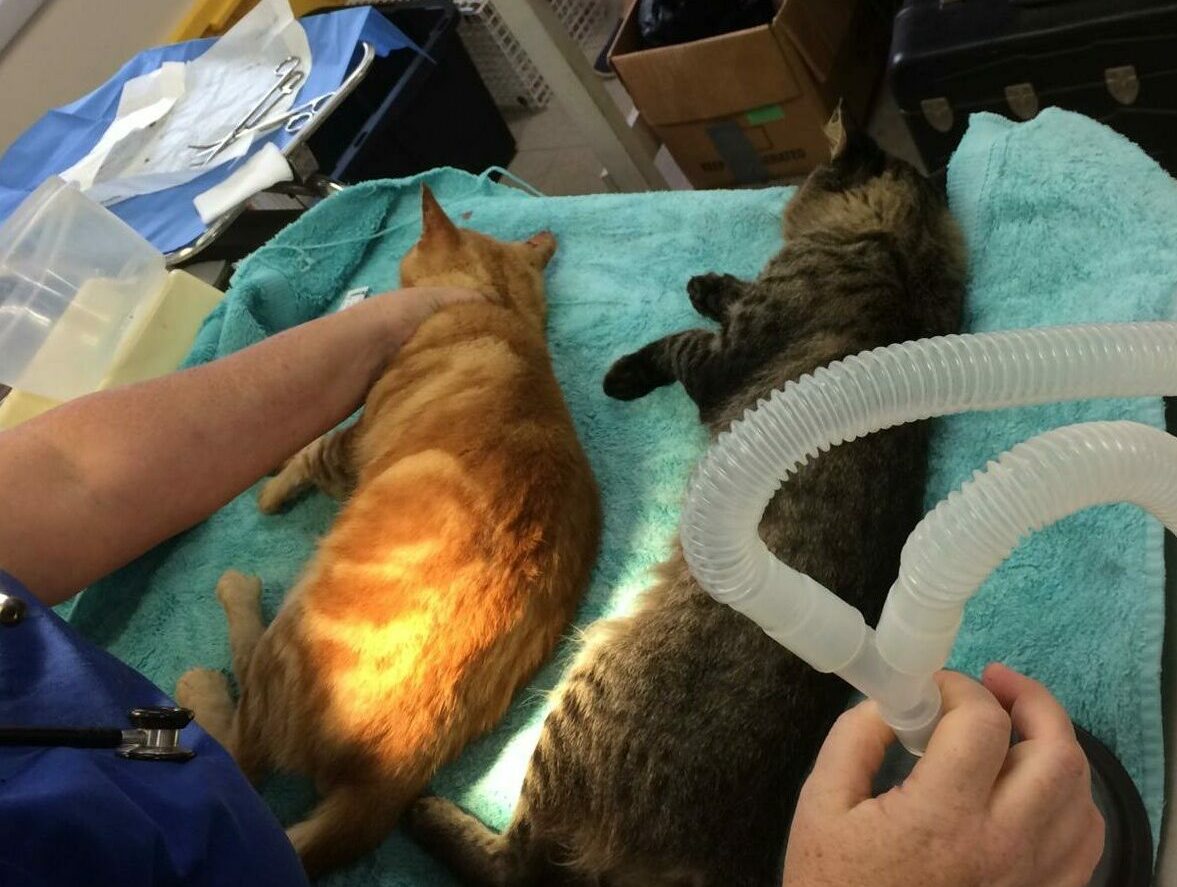
Since September 2020, 467 cats living in colonies on people’s private land have been sterilised on the Brac, according to Caz Brazington, a volunteer with the Humane Society, who spearheads the island’s spay-and-neuter programme.
COVID-19 was the catalyst for the community-wide programme, she explained.
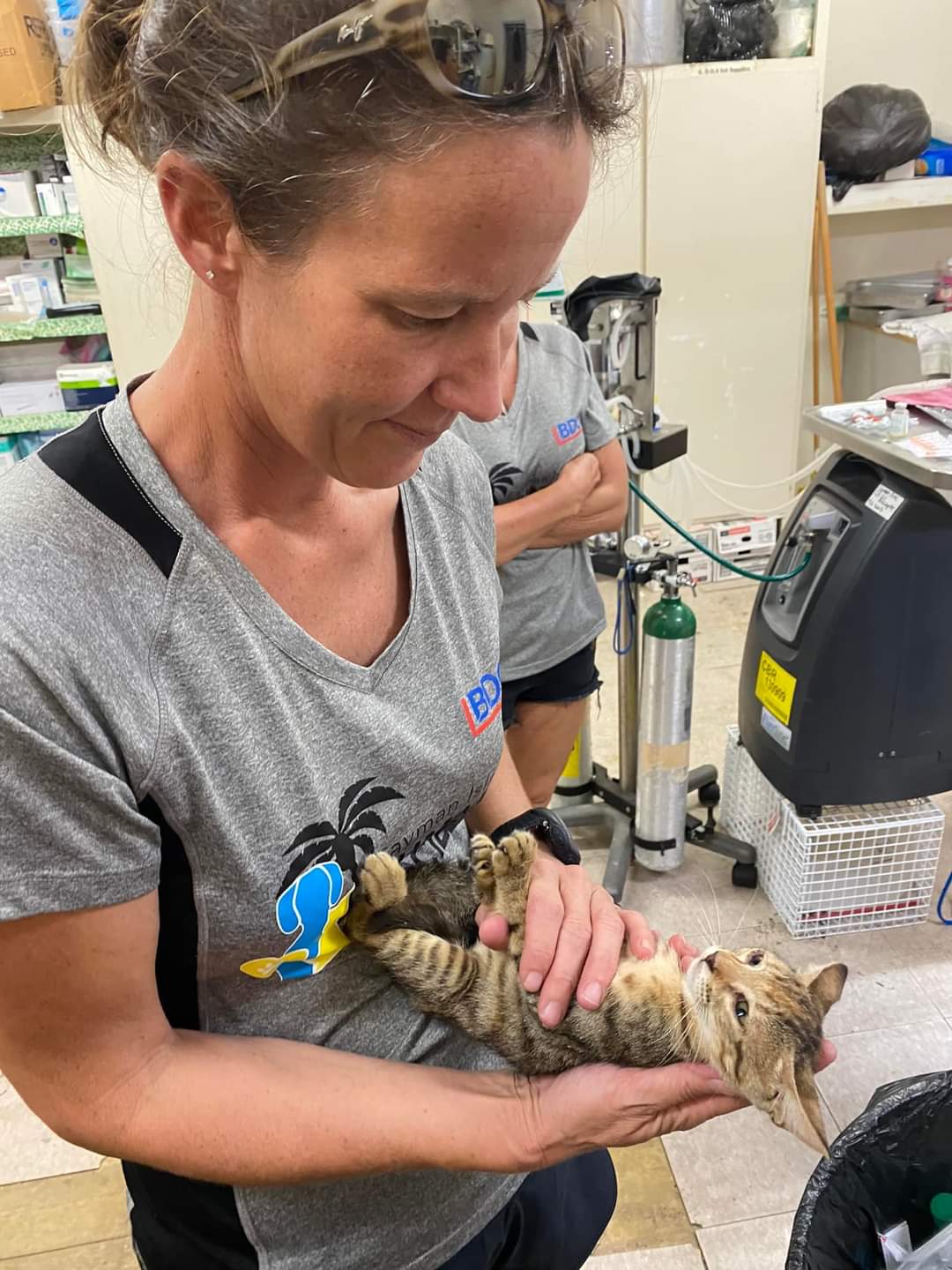
Prior to March 2020, when the pandemic shut down travel between the islands, Grand Cayman-based Island Veterinarian Services’ Dr. Brenda Bush had been regularly visiting the Brac to treat animals and to spay and neuter cats and dogs brought in by members of the public.
“During COVID, of course, Dr. Brenda was not coming over; she has been a great supporter of the islands for many years, but was unable to come,” Brazington said. “The cat population in my yard started to expand with the unavailability of spaying and neutering cats.”
She contacted the Humane Society in September 2020 to ask for help.
“A vet and vet tech from Humane Society came over. … We had a group of volunteers, who are now the core volunteers, who had animals themselves. We all own animals. We started reaching out to the community and saying if you have cats and dogs, do you want to get them fixed? At one point, we had 200 cats on the waiting list.”
Since the programme began, 49 dogs have also been spayed or neutered.
Following COVID, Island Veterinarian Services, as well as another vet who lives part-time on the island, continued to carry out the spaying and neutering, the costs of which are subsidised by the Humane Society.
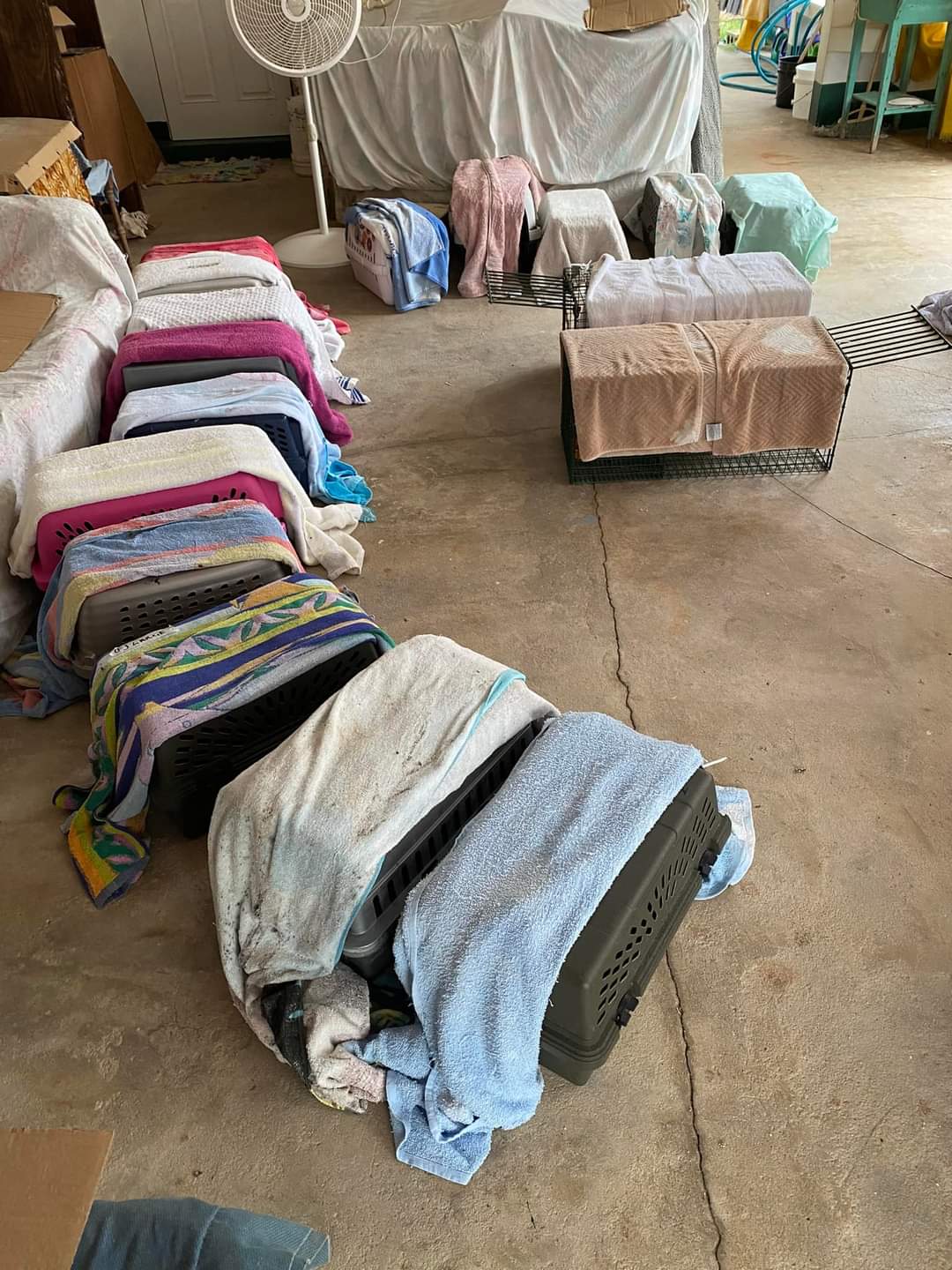
Landowners whose property cats frequent, approach the volunteers to arrange to have the animals trapped because usually, even if the owner can pick them up, the cats won’t let a stranger handle them.
Brazington describes these cats as “familiar” cats, that are “semi-social” and whose basic needs, such as food, water and shelter, are met by the owners of the property.
These owners “reach out to us to get their familiar cats spayed/neutered as they want to be responsible pet owners and also do not want the population that they are feeding to multiply”, she said.
Each cat is then microchipped and one of its ears notched with a V to show that it has already been sterilised.
Recent regulations issued by the National Conservation Council banned the release of feral animals, including those trapped for the purposes of spaying and neutering – a move animal charities say is counterproductive.
“Since the legislation came out, in the first two months following the new legislations we have not trapped any cats. … We have now been given permission to continue to do this,” Brazington said.
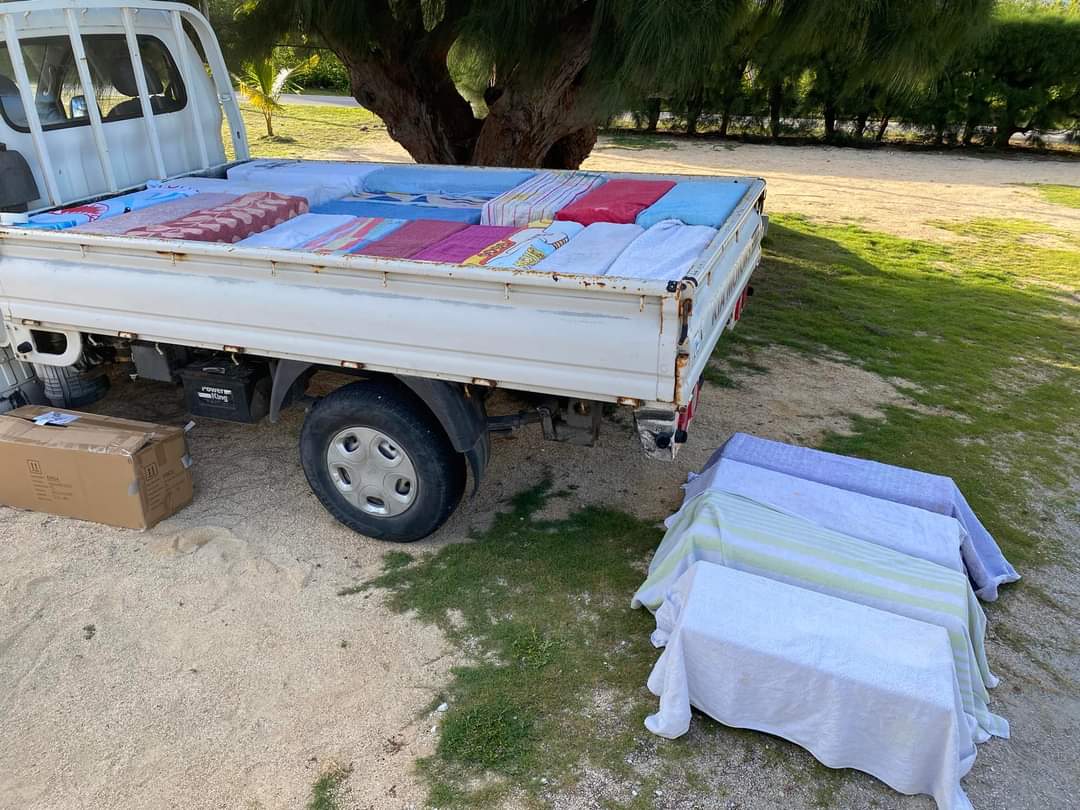
The idea behind the spay-and-neuter programme, once a property owner requests help, is to trap every single cat in a colony and sterilise them.
“Once spayed and neutered, they have a reduced desire to roam. They form an alliance and won’t let an unfixed cat into the colony,” said Brazington. “The colony owners are saying they are not seeing random cats coming into their yards. It’s the same familiar cats, no new ones. The cats are far healthier and happier. They don’t have the desire to roam for sexual needs.
“Male cats will sniff out female cats for miles, as will dogs. I have a colony myself, and my next door neighbour has one, they are all spayed and neutered, and they never mix. No cats from my neighbour’s yard come into my yard. I’ve had no new cats in my colony over the past eight years, unless I’ve purposely brought them in my colony.”
Brazington owns 21 cats, many of them rescue animals. She admits she’s worried that at some point all her cats would need to be kept indoors, as under the new regulations, pet cats should be indoor cats that are not allowed outside to roam.
“It would be impossible for me to have 21 cats inside my house. … I’m building a house and, moving forward, I want to have a personal catarium, where my outside cats can be contained in an environment where they cannot roam beyond that environment.”
She added, “I don’t want 21 cats. I love all of them. … Nobody wants that many cats, but you don’t want to see them suffer. We don’t seek to be hoarders of animals. We want to do the right thing by them. I want my cats to see out the rest of their days and be happy and healthy.”
Brazington noted that rehoming of feral cats is unfeasible on the island, considering the cat population there, pointing out that the Humane Society shelter on Grand Cayman is “full to bursting” and a cattery on the Brac simply would not work. In addition, domesticating a feral cat takes “a very long time”.
“I took in a cat, it was a year old. For the first six months, she was underneath my bed and would not come out. 18 months later, the cat is fairly sociable and will sleep on my bed. But if a neighbour walks in, the cat is straight back under the bed. And I can’t let her outside, because I’d probably never see her again. It’s very hard to socialise one of those cats,” she said.
The culling of cats on a remote, eastern part of the Bluff, where brown boobies nest, began last month, in a bid to protect the birds from being wiped out. A survey of the booby population last year showed that just 13 fledglings survived out of the 42 eggs identified during the nesting season.
The Department of Environment recently released an image of both an adult and baby booby that had been attacked and killed by a cat, to highlight that the threat of feral felines is an ongoing problem.
Related Videos










“Since the legislation came out, in the first two months following the new legislations we have not trapped any cats. … We have now been given permission to continue to do this,” Brazington said.
The reporter should follow up with two questions:
1) Who told you you had to stop trapping the cats?
2) who gave permission to continue?
It is the Humane Society Rep’s quoted words. They should be able to answer those questions with specifics.