


New regulations to control alien and invasive species and protect native and endemic plants and animals have come into effect under the National Conservation Act.
The National Conservation (Alien Species) Regulations, 2022, introduce a prohibited species list, outline the distinctions between domestic and feral animals, and outline the procedures and actions to control feral animals and other alien species to reduce the threat to native species.
National Conservation Council chair McFarlane Connolly said in a press release that the council believes the regulations “represent a substantial win for our unique native and endemic plant and animal species which are particularly vulnerable to the negative impacts of invasive, alien species”.
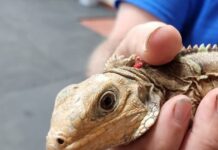
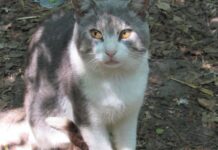
Cayman has in the past implemented culls to tackle invasive species, such as green iguanas in Grand Cayman, and feral cats on Little Cayman.
Connolly acknowledged the control of invasive species “can be an emotive topic on all sides, and we hope these regulations will bring greater clarity to conservation practitioners, animal welfare groups, landowners, veterinarians and pet importers and owners”.
He added, “While the regulations were published in the Cayman Islands Gazette on 3 November 2022, certain portions of the legislation come into effect three and six months after publication.”
Over the next six to 12 months, the release stated, the Department of Environment will work closely with the National Conservation Council to undertake public outreach to help the Cayman Islands community understand what the new regulations mean and how they may impact households and businesses across all three islands.
“A communications plan has been developed and is being deployed over the coming months to ensure key stakeholder groups, government entities, community organisations and, indeed, the wider Cayman Islands public can know everything they want to know about how these new regulations will work,” Connolly said.
Prohibited species
Under the regulations, there are strict rules concerning the keeping of prohibited species as pets or for ornamental plants, breeding, import, export, purchase or sale, and stiff penalties for infractions.
Prohibited species are defined as plants and animals that have been identified as posing exceptionally severe threats to the native species of the Cayman Islands.
Permits can be issued to allow exceptions to the new prohibited species regulations, for people who already have them here legally. Applications for those permits must be submitted within the six-month period ending 3 May 2023.
Prohibited species found in contravention of the regulations after that date may be seized and subject to sterilisation, export or euthanasia, the regulations state.
To apply for a permit or learn more about the process, including how to turn in or report any prohibited species without fear of prosecution, email [email protected].
The prohibited species list outlined in regulations was, in part, informed by a regional British Overseas Territories invasive species workshop hosted in the Cayman Islands in 2018 which brought together scientists and stakeholders to identify various species and activities which pose threats to native flora, fauna and environments across the region, the release noted.
At that workshop, local scientists considered what species were both the biggest risk to Cayman’s species and also the most likely to be requested for import when drafting the new regulations to address known and anticipated threats.
“Invasive species have long been recognized as a significant environmental problem internationally as well as locally and work has been ongoing for several years leading to the passage of these new regulations by the Cabinet,” the release stated.
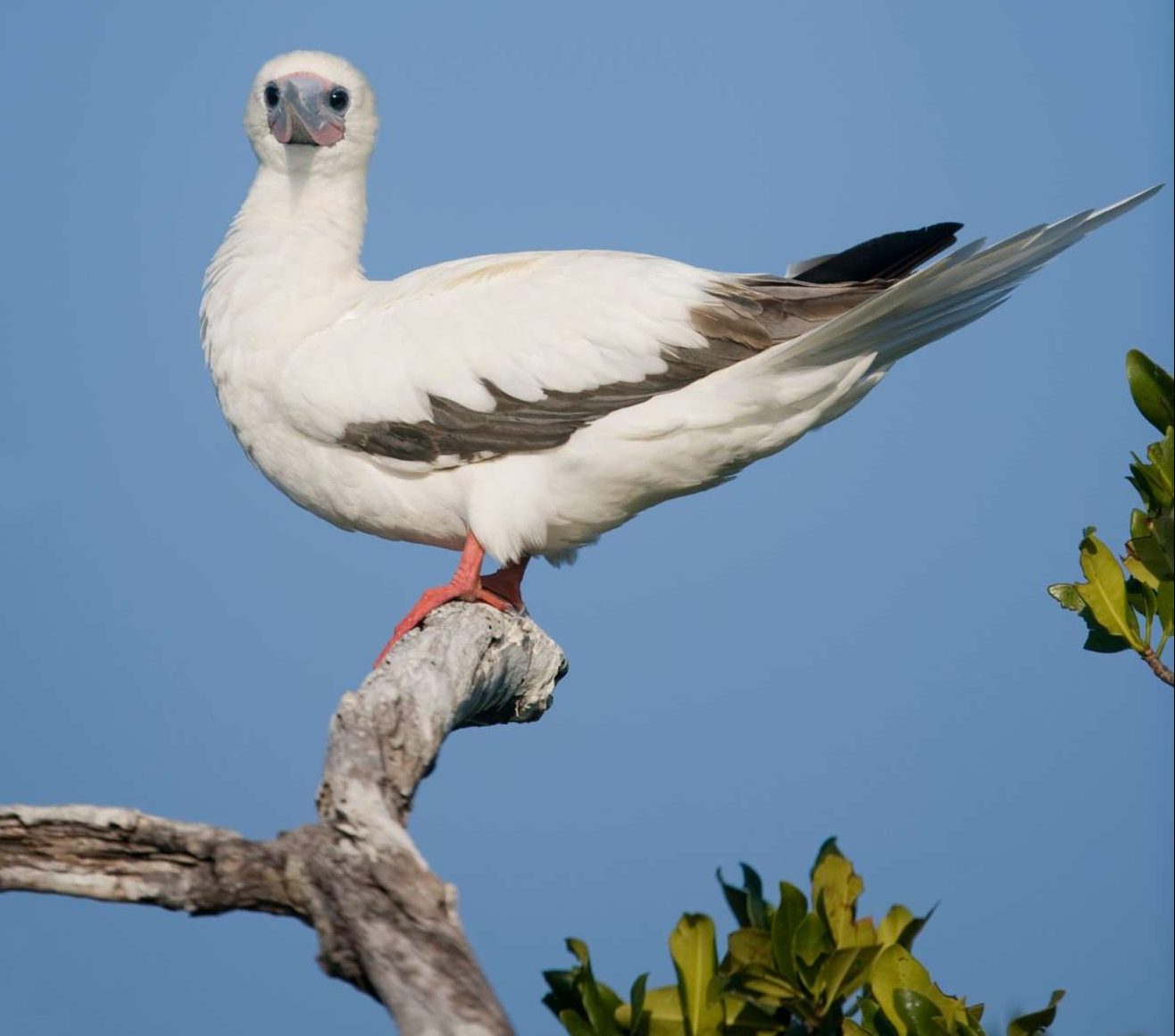
The regulations were drawn up to protect Cayman’s native and endemic species of plants and animals, which include the Grand Cayman blue and Sister Islands rock iguanas, Cayman parrots, brown and red-footed boobies, sea grape trees and mangroves.
Many native and endemic species face local or global extinction, or are culturally and environmentally important, and are protected from harm under the National Conservation Act.
Alien species
The release noted that alien species are defined as plants and animals which have been introduced to our islands either intentionally or accidentally through human intervention.
“While not all alien species become invasive, a lack of proper management, or mismanagement, of these alien species can negatively impact native plants and animals,” it stated.
Alien species include domestic dogs and cats, livestock such as goats, pigs and cattle, and even plants used for landscaping or agricultural purposes.
“The new regulations provide greater clarity on how these species may be managed safely to ensure they do not become a threat to the existence of our native species,” the NCC release said.
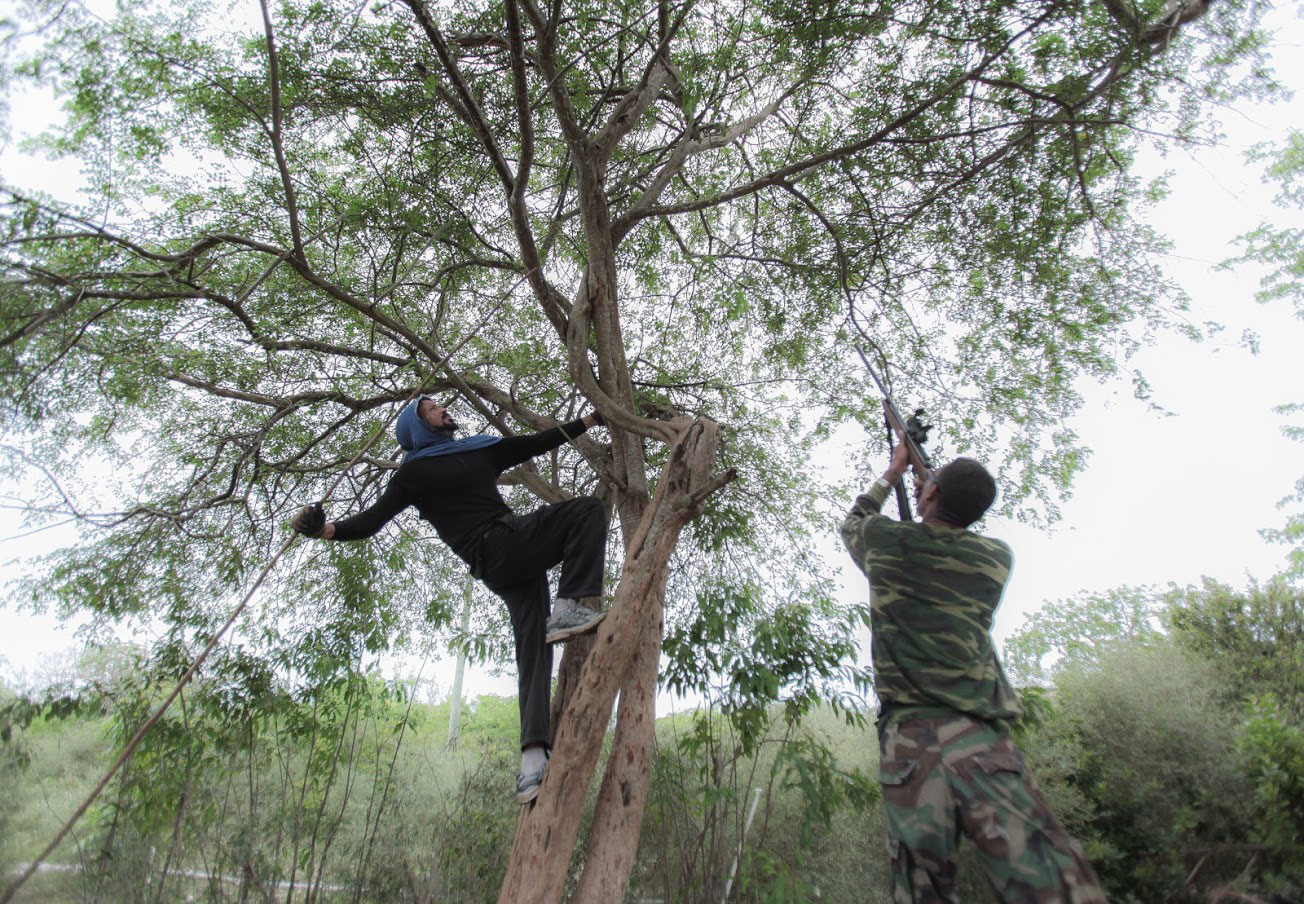
Invasive species pose a significant threat to the islands’ native species, particularly as often their reproduction and/or resource consumption occur at much faster rates than can be managed naturally.
Notable examples of invasive species in Cayman include green iguanas, rats, lionfish, and the Brazilian peppertree.
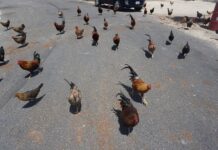
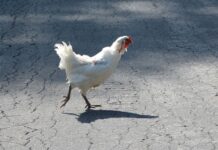
The NCC release noted that feral species are those domestic or agricultural alien plants and animals which are living in “the wild” and do not have an identifiable owner.
Control and management of alien species
The regulations further define the procedures and allowable actions for controlling feral animals and other alien species.
Subject to the approval of the National Conservation Council, the directors of the Departments of Environment and Agriculture may implement procedures for the control or eradication of any alien or genetically altered species by means which do not cause unnecessary suffering to the animal.
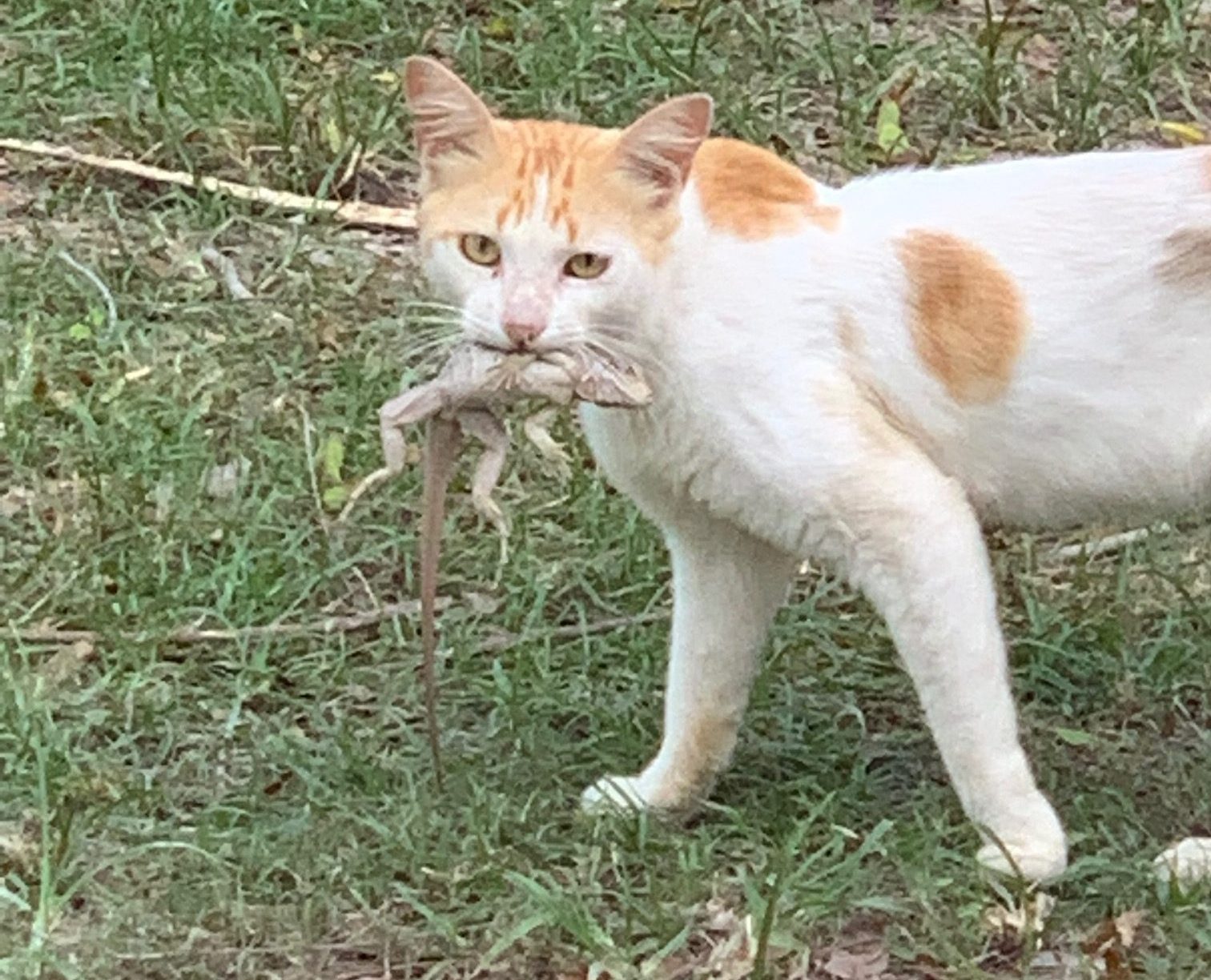
“Control measures for green iguanas, feral cats, and other unmanaged alien species is critical to avoiding further declines of our most threatened native animals and plants,” the release noted.
Additionally, under the new regulations, a person may not knowingly feed, support or release an alien or genetically altered species into the wild. Releasing an alien or genetically altered species into the wild was already illegal under the National Conservation Act.
Enforcement for feeding or supporting alien or genetically altered species in the wild will come into effect after the three-month period ending 3 Feb. 2023.
Related Videos







Best news I’ve heard for a long time.
Well done all the powers that be.
Dr Fiona Foster