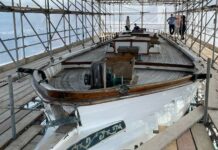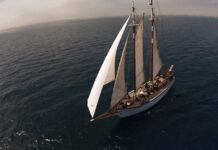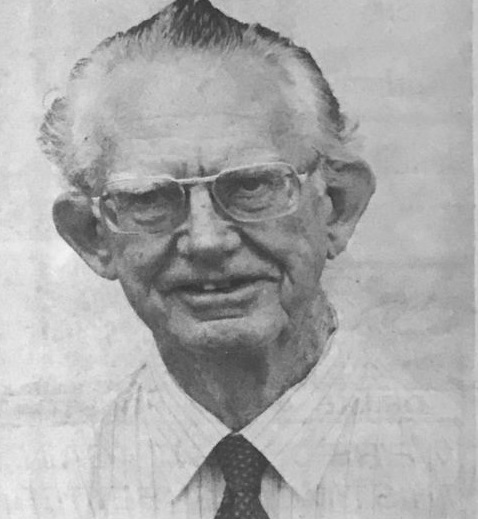
Sir Anthony Jenkinson, the original owner of the Fair Weather schooner, led an adventurous life, as a war correspondent, photojournalist, wartime intelligence agent, shipbuilder, sailor and entrepreneur.
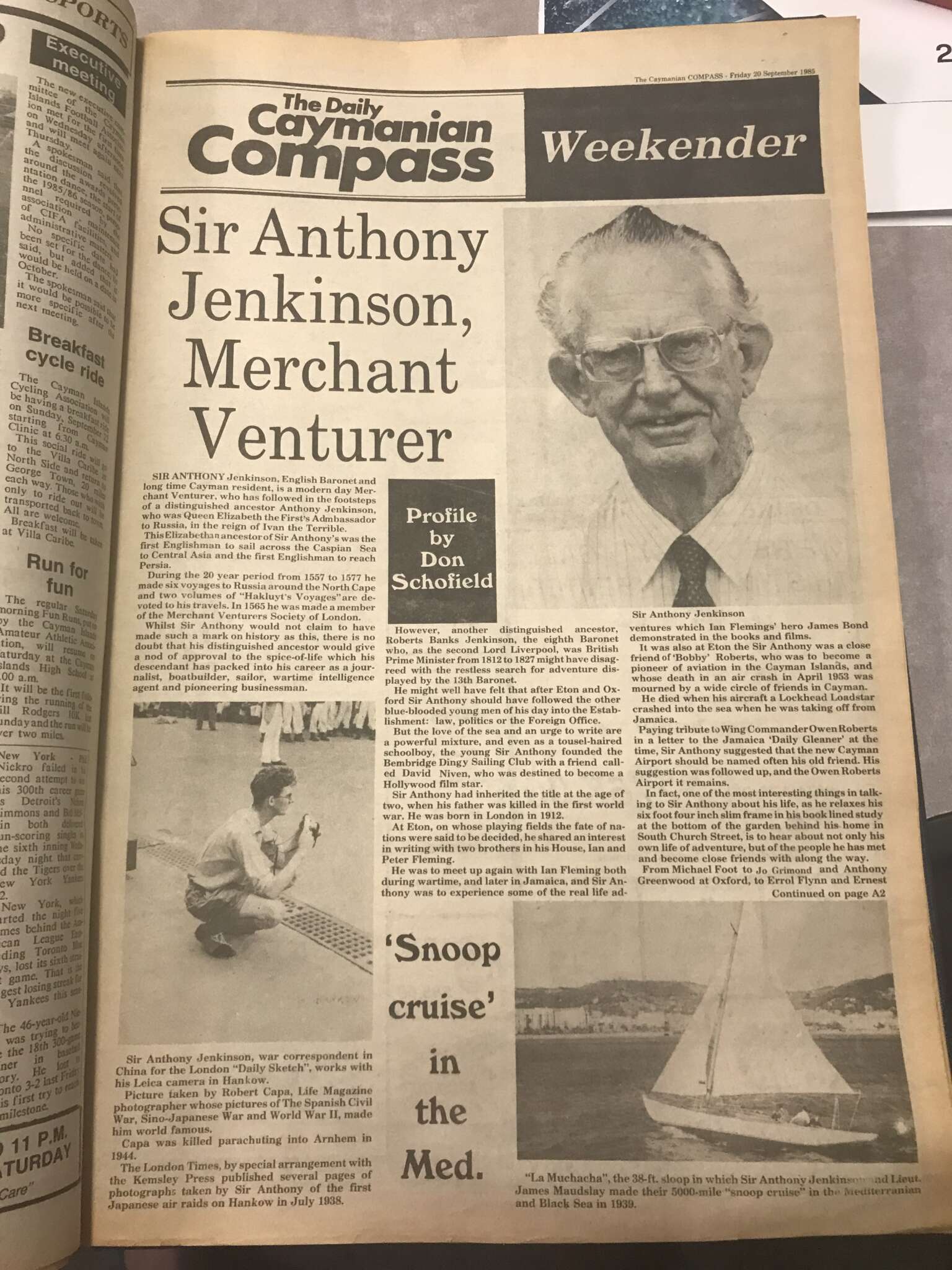
A 1985 Caymanian Compass profile tells of his many escapades around the world.
As a journalist, in 1938, he interviewed Chairman Mao Zedong – one of the few western reporters to do so – spending a week in a cave in Yan’an with the man who went on to become leader of China. Years later, in 1978, he had an audience with the then Chinese premier Deng Xiaoping.
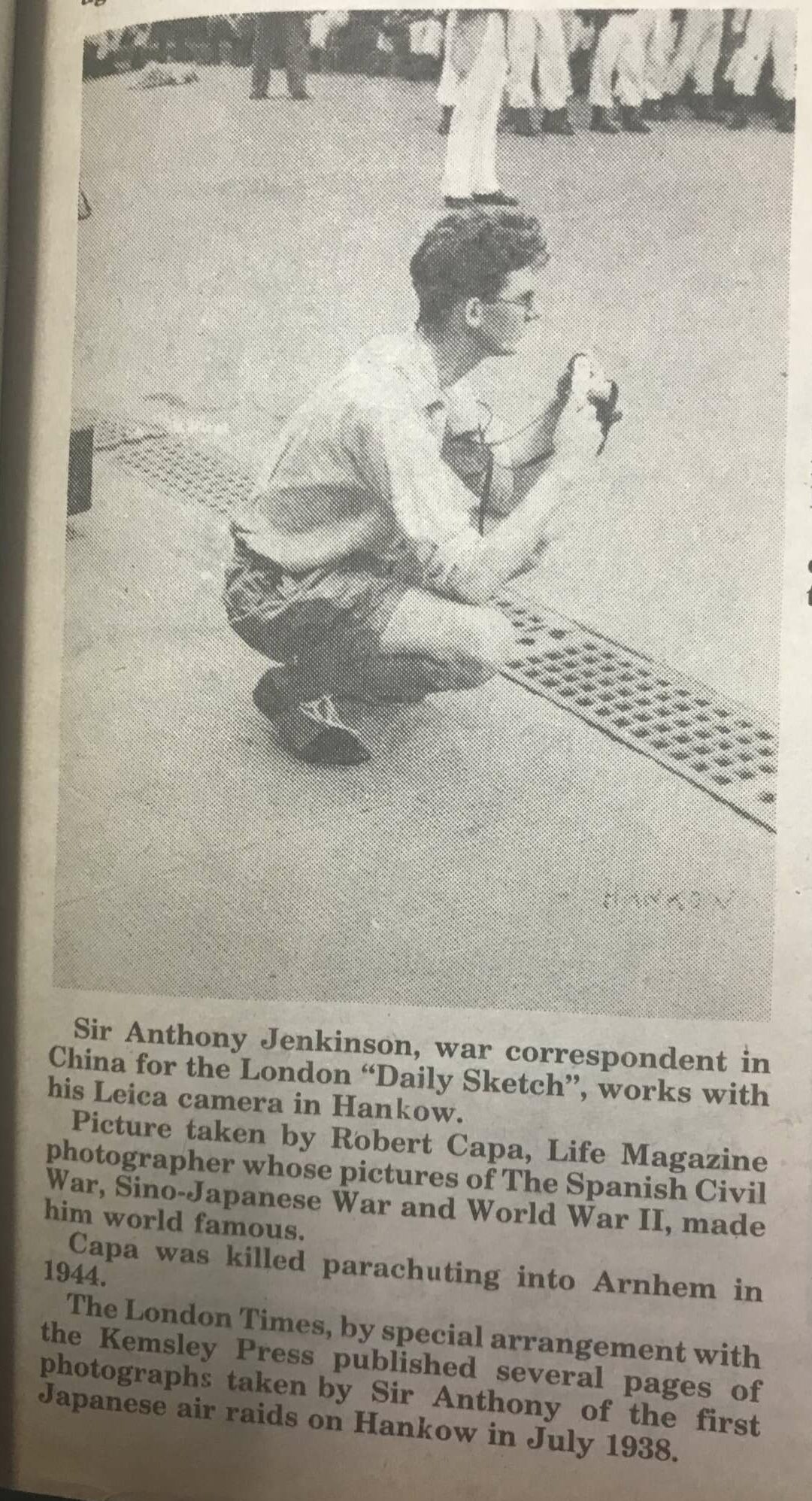
In 1939, with Europe on the brink of war, Jenkinson suggested to his editor at the Daily Express newspaper that he undertake a “snoop” cruise of the Mediterranean and the Black Sea on board a 38-foot sloop to check out German activities in those regions.
He and Lieutenant James Maudslay completed the 5,000-mile cruise that took them down the coast of Africa, to Algiers, Bizerte, Tunis and Tripoli, onto Pantelleria – an Italian fortified base – up the Adriatic to ports in Corfu in Greece, Yugoslavia and Albania.
Once they’d finished this mission, Jenkinson was asked by his old school pal Ian Fleming, who was at the time the chief of staff to Admiral John Godfrey, director of Naval Intelligence, if he would carry out a similar operation in the Caribbean and report his findings to British agents in the region.
Jenkinson bought a 45-foot schooner called the Blue Stream and set sail for Key West in 1940, with Leicester Hemingway, brother of author Ernest Hemingway, as crew.
The story notes: “Together they investigated German preparations for submarine warfare in the Caribbean area, mostly inland islands off the coast of Central America, gathering information which was to prove vital as German submarines set about attacking British shipping in the area.”
Some of those adventures are recorded in Ernest Hemingway’s book ‘Islands in the Stream’.
After this, Jenkinson returned to London and formed a wartime news service called Allied Labour News, carrying stories from correspondents serving in the Allied resistance and underground movements throughout occupied Europe and Asia. The agency had offices in London and New York.
However, after the war ended, he returned to the UK from New York to find his office ransacked and files on correspondents missing.
The Compass story noted, “That was enough, Sir Anthony took the hint, he had performed a very useful wartime service, the war was over, and he decided to return to his first love, the sea.”
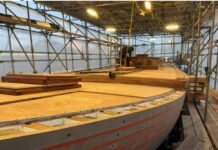
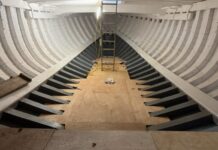
It was at that point he set about drawing up plans for the Fair Weather, and scouring the Caribbean for the best shipbuilders, whom he found in the Cayman Islands.
In May 1947, he came to Grand Cayman, not just to build his dream boat, but with orders from other sailing enthusiasts who were eager to head back out on the peacetime waters.
He set up Cayman Boats Ltd. on Cayman Brac with Arnold ‘Cappy’ Foster at Stake Bay, and soon was employing 40 Caymanians, who were building boats to the most exacting UK and American designs.
But then, National Bulk Carriers came calling, and recruited 35 of Cayman Boats Ltd.’s staff, which led to Jenkinson and Foster moving their shipyard to Jamaica.
The Compass story states: “The hulls for the unfinished boats were towed to Jamaica by the Merco, of Merren and Company, captained by Capt. Benson Ebanks Sr.”
In 1964, Jenkinson formed the Port Royal Company of Merchants to develop the historic Morgan’s Harbour with shareholders from around the world. After five years, during which historic sites were restored, the Jamaican government took over the project, and Jenkinson decided it was time to return to Cayman.
Related Videos