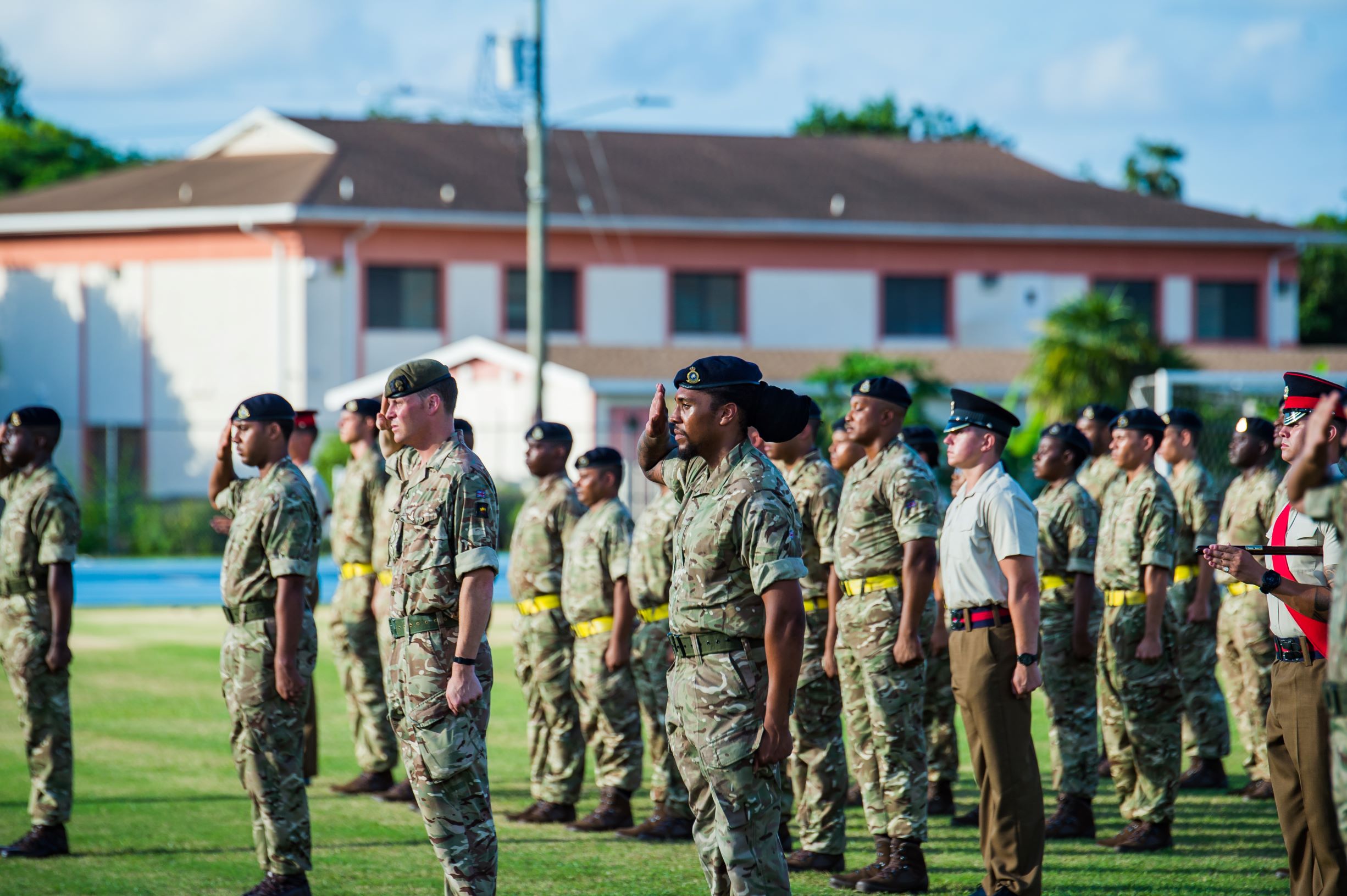
Former Trinidadian military officer Colonel Roger Carter has been appointed as the new commanding officer for the Cayman Islands Regiment.
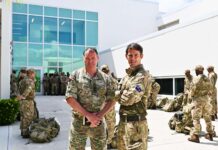
Carter will take over in April from Lieutenant Colonel Simon Watson, who has commanded the regiment since it was established in 2020.
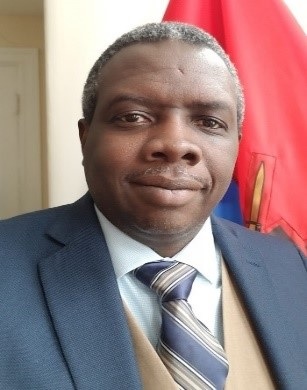
The Governor’s Office announced the new appointment on Thursday.
In a statement, the Governor’s Office said Carter was chosen, following an open competition “that attracted a broad field of excellent candidates”, by a panel chaired by Governor Martyn Roper, and which included Coast Guard Commander Robert Scotland.
According to a brief biography included in the statement, Carter was born in Port of Spain, Trinidad. He joined the Trinidad and Tobago Defence Force, the army, on 29 Dec. 1989.
It describes Carter as a highly experienced officer with significant humanitarian and disaster relief expertise, and noted that in 2011 he was appointed assistant chief staff officer (operations) at the National Military Headquarters where he was responsible for joint, inter-agency and multi-national operations, as well as management of the Inter Agency Counter Terrorism Team.
He was also defence and military attaché to Washington DC with accreditation to Canada and the head of delegation to the Inter American Defense Board from 2018 to 2021.
Carter has a master of science (with distinction) in national security and strategic studies from the University of the West Indies and since 2017 has been pursuing a PhD in criminology at the University of Trinidad and Tobago.
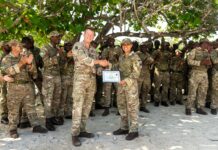
In announcing the appointment, the governor expressed his gratitude to Lt. Col. Watson for setting the Cayman Islands Regiment up from scratch, with UK training and assistance, particularly given the global pandemic.
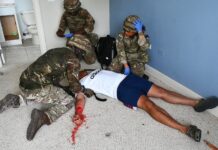
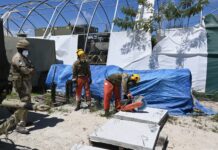
Roper noted that the regiment “adds value to Cayman’s humanitarian and disaster relief efforts, providing additional resilience to our emergency services in so many ways, including clearing roads, delivering first aid, desalinating seawater and being able to feed hundreds of people using a self-sufficient solar powered kitchen”.
Related Videos