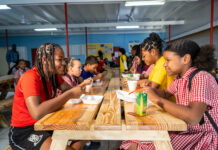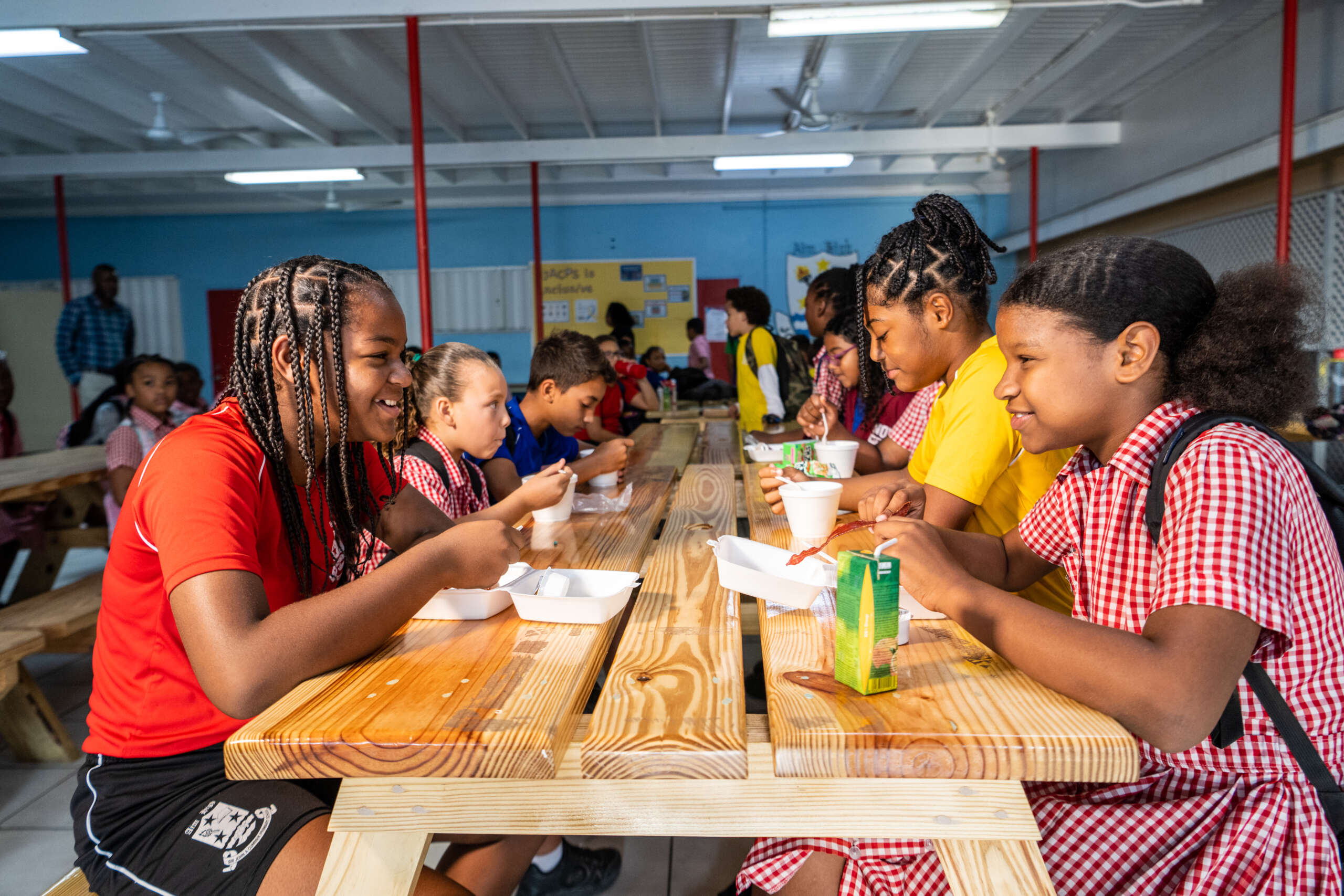
Before 8am in the school hall, the sound of children’s chatter mingles with the rustle and slop of cereal being served and the slurp of 100 juice boxes being consumed at once.
Free school meals at breakfast and lunch, and snacks at break times, are helping to transform the atmosphere at Sir John A. Cumber Primary School.
“That one initiative has fixed half of our problems,” says principal Jovanna Wright.

“The children are here early, they are fed,they are happy and smiling, and ready to learn.”
It’s a huge contrast to when she took over the job.
Previously, fewer than half the children signed up for paid school lunches, the only meal available in school. Since the free meals initiative was introduced, Wright says 450 of the 500 children who attend are regularly eating two meals a day at the school.
The school pulls from a large and diverse catchment area in West Bay, including many families who are struggling economically.
Wright, who grew up in the area and went to the school as a child, said a lot of children were coming to school without breakfast.
They were unfocused, tired and hungry, and struggled in the classroom as a result.
“The first two years, we spent a lot of time feeding our children,” she said. Non-profits
helped provide funds and staff dug into their own pockets to ensure no child went without.
But the ad hoc nature of the support meant that, despite their best intentions, some children inevitably missed out.
When the pandemic struck, many families in the area lost work. School went remote
and the kids faced losing a source of support.
“When COVID came, we knew we had about 200 kids that would be struggling to eat,” said Wright.
Staff mobilised and helped prepare meals to be delivered around the community in the school bus. Drive-throughs were held for parents to pick up work sheets for their
children, if they didn’t have computers or internet access.
The efforts were recognised with the Deputy Governor’s Award for Excellence.
Wright said it also brought the community closer together and developed trust between
the parents, the children and the staff.
“I think this community knows that whatever it takes, we will do what is best for their children,” she said.
Not all the problems have been solved, though.
Some students still struggle for food security in the summer when school is out.
And teachers still dig into their own pockets for other basic needs, including medication. Some of the children need regular medication for learning disabilities, like ADHD.
“If I have to go in my wallet and take $50 or $100, I will do it,” says Wright.
The school is not just here to educate children, she adds.
“Sometimes we clothe and we feed them and we make sure they have money for medicine. If parents can’t get their children here, we will bring them here and do what we can to help them.”
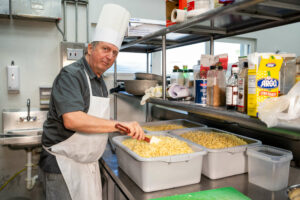
meals each day.
She said the meals programme had resulted in better behaviour in class and more focus from the children.
A series of studies in the US and the UK attest to the link between school meal programmes and academic attainment.
Healthier meals have been shown to lead to greater gains, but all breakfast and lunch programmes have a direct impact on test scores, particularly for children from economically disadvantaged backgrounds.
A report by PwC in the UK determined that investment in expanding free school meal programmes would pay off in terms of academic achievement, children’s health and long-term productivity benefits for the country.
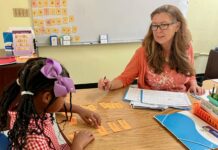
In Cayman, being freed from the task of feeding children has also helped teachers focus on the core job – learning. The PTA resources and non-profit support that previously went to feeding kids is now being spent on expanding literacy and after-school programmes.
The free school meals programme was introduced by the PACT government at the last budget and costs an estimated $16 million per year.
Related Videos