

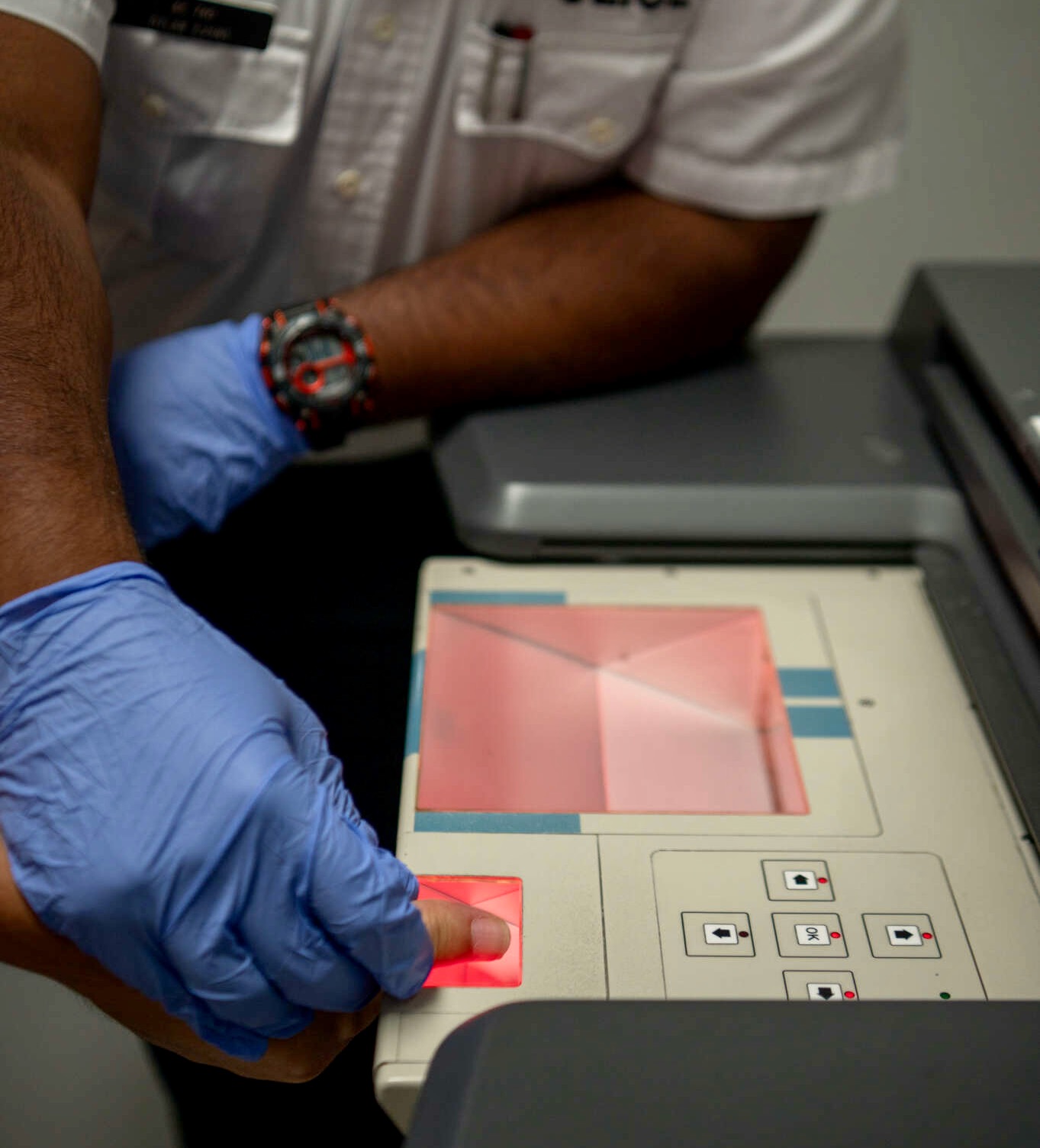
Every criminal who walks through the gates of Northward Prison, will one day walk out.
That is the reality fuelling an enhanced focus on rehabilitation and crime prevention in the Cayman Islands.
The goal, said Erica Ebanks, acting deputy director of the Department of Community Rehabilitation, is to ensure that those convicted of even the most heinous crimes can come out of prison and re-enter the community as a different person.
“Nobody is really serving a life sentence in the Cayman Islands. Even lifers have a tariff,” she said.
“We need to do that change-work with them to ensure they don’t come out and do the same type of things.”
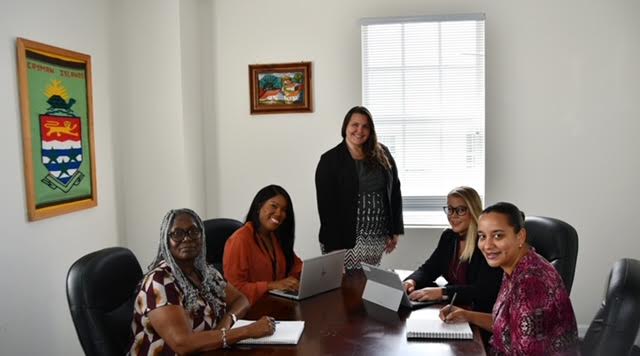
That’s true, too, for the female inmates at Fairbanks Prison as well as the hundreds of offenders serving community sentences for more minor transgressions. Treating the root causes of criminal behaviour is seen as a valuable crime-prevention tool.
That can involve dealing with substance abuse, anger- and conflict-management issues, or trying to help them cope with deep-seated trauma.
A new online risk assessment and case management system has been introduced as a core part of the offender-management process.
Known as Gears, the platform will help create a clearer picture of what resources are most effective and where there is a need to expand or introduce new interventions for offenders.
Internal security
Getting optimal value for the variety of therapies and services targeted at different offenders is not about providing a helping hand or a shoulder to cry on for people convicted in Cayman’s courts.
“Rehabilitation is integral to public safety,” said Melissa Rivas, acting director of the department.
“This is about internal national security. The aim is to lessen crime and the fear of crime and to have fewer matter before the court.”
Risk assessment
Inmates serving prison sentences make up less than a quarter of the estimated 1,000 offenders under management.
The department also prepares risk-assessment reports for people on conditional release from prison and for those who have been given a non-custodial sentence. Changing their pathways before they reoffend or progress to more serious offending is equally important.
Until recently, all those reports have been stored manually.
The new Gears system will allow officials to see patterns and better understand the causes of crime in the Cayman Islands.
“Over time we will have enough data to help us understand better what is influencing individuals and their offending,” said Rivas.
“The data is really going to help us understand what it means to be a high-risk, repeat offender in Cayman and if we are allocating our resources effectively.”
It will also allow them to assess the most impactful interventions. The goal is to address the root causes of criminal behaviour and bring about a reduction in risk.
Even without that granular analysis, probation officers see key trends in Cayman.
One of the biggest is the impact of trauma. Time after time, social inquiry reports or mitigation offered by defence attorneys in serious criminal cases show that offenders were often victims first.
“We have a lot of individuals in the criminal justice system coping with trauma.
“It has not necessarily been resolved effectively or addressed at all,” said Rivas.
Targeting resources
The data will also help guide policy and funding decisions at a national level, said Julian Lewis, acting chief officer in the Ministry of Home Affairs.
“The ‘lock them up and throw away the key’ mentality is one of the dark ages and, as a country, we need to shift our view and recognise the value in rehabilitating offenders,” he said.
“If we are working toward creating a safer community, we should be focusing on how we deliver effective rehabilitation and intervention opportunities and purposeful activities which will better prepare individuals to be more successful upon their release from prison.”
Lewis said there was significant research that demonstrates addressing the root causes of criminal behaviour is the most effective way to reduce repeat offending. He said the Gears system was designed to ensure that Cayman made optimal use of its resources, testing the effectiveness of interventions against key benchmarks, such as national recidivism rates.
Ebanks cautions that working with serious, repeat offenders is a long process.
“Sometimes getting someone from high risk to a medium risk is a good result,” she said. “Our role is to be change agents but that doesn’t happen overnight. We are talking about completely changing their world view and how they see their place in society.”
Related Videos













They are absolutely right that rehabilitation has to be a major goal of Cayman (any society). Thank you for those efforts.
“Our role is to be change agents but that doesn’t happen overnight. We are talking about completely changing their world view and how they see their place in society.”
Not mentioned: CIG/Cayman also has to change how society receives them and has a place for them. Which is probably as hard. (Hopefully Compass will do a follow-up of this story.) This isn’t about excusing people’s actions but trying to keep those antisocial actions from being repeated or spreading and getting worse. All of these changes (individual and societal) are net gains for both the individuals and the wider society.