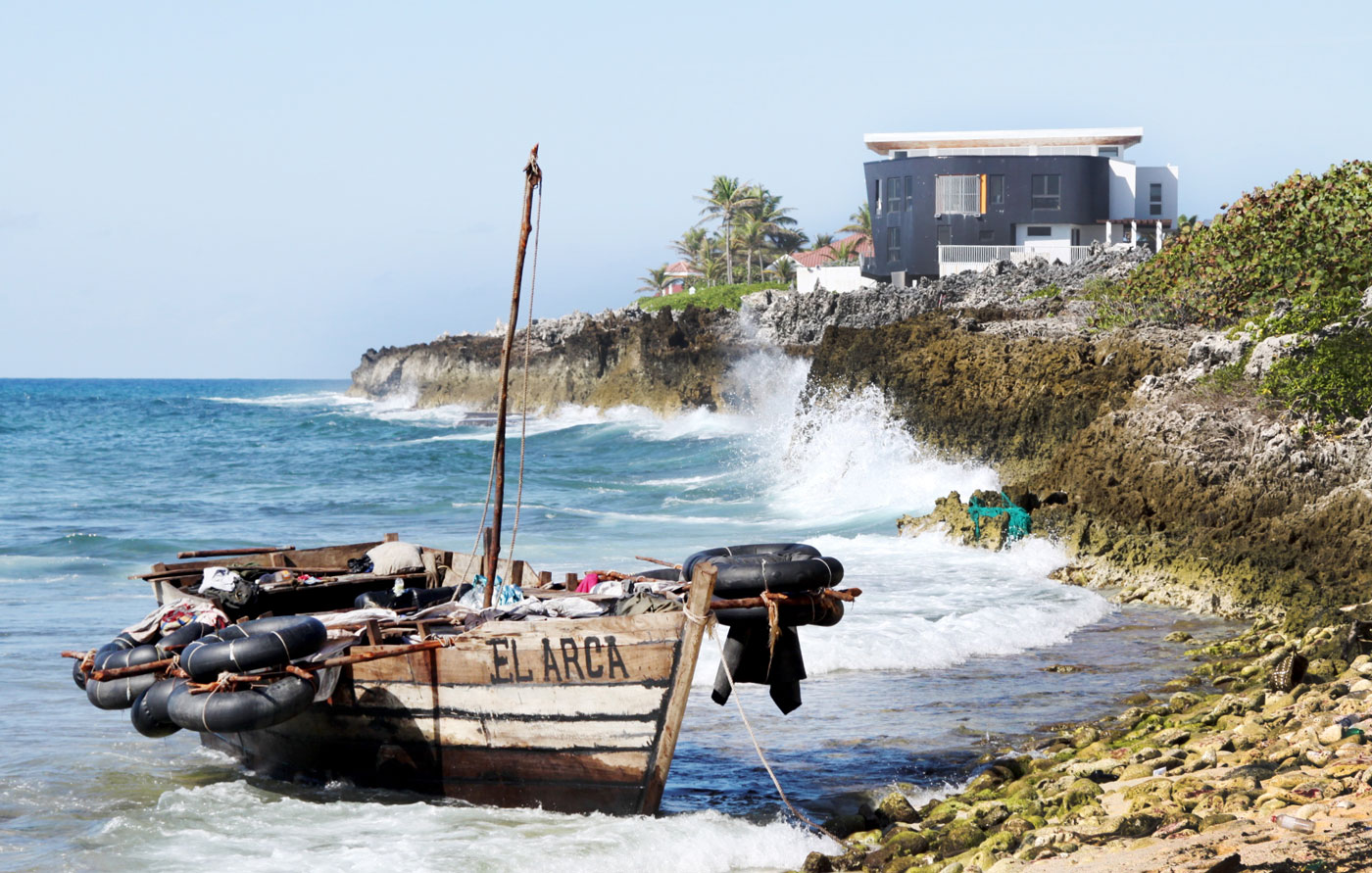
When Thomas Perez Marin falls asleep at night, he drops one leg off the bed to help ‘anchor’ his body. It’s an old sailor’s trick the veteran fisherman picked up to help with chronic disembarkment sickness due to his extended time at sea.
But that relief is only physical. Each night recurring dreams force him to relive the horrors he endured while adrift at sea struggling to bail out his capsizing fishing boat, made of scrap wood, as it was thrashed by waves.
Marin’s story is a terrifying one that is all too common for thousands of Cuban nationals who make dangerous journeys across land and sea in search of freedom.
In the second chapter of our coverage of the Cuban-Cayman connection, we take a look at some of those journeys, during which thousands of Cubans brave dangerous seas, thick jungles and barren deserts, putting their destiny in the hands of ruthless people smugglers at costs upwards of US$15,000.
The great escape
“I really didn’t want to leave Cuba, they forced me to leave,” Marin told the Cayman Compass, through an interpreter.
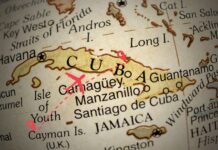
A former math teacher and principal within the Manzanillo municipality, in southeastern Cuba, Marin gave up his career as an educator to become a fisherman because it was more lucrative.
With the extra cash, he was able to make modest improvements to his quality of life which soon caught the attention of envious officials.
“They accused me of changing the engine of my boat, and that I was making those changes because I was planning to leave,” said Marin, who added that for months the officials harassed him with false allegations while building a file against him.
“One of them told me, ‘I am going to confiscate your boat and apply the full weight of the law against you’. He told me those words in front of all the other fishermen,” said Marin.
“After talking to my comrade, I got a piece of paper and wrote everything that I needed and told him look for other people who want to do the same (leave Cuba) and each one contributes, and we don’t charge them a penny,” said Marin.
After a few days of secret meetings and covert conversations, Marin and six other men had managed to gather three packs of cookies, a ‘knob of juice’, enough drinking water and gas for the boat, and a phone with GPS coordinates to Grand Cayman.
They set sail around midday on 21 Dec. 2021 right under the noses of the border officials.
“I am a fisherman so I decided I wouldn’t use the phone until we reached the end of Cuba, because I could navigate up to there,” said Marin.
But nothing could prepare him and his crew for what they would experience in the days to come.
The recurring nightmare
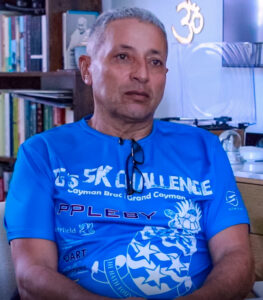
A day after they set sail, a massive cold front made its way down from North America, into the Caribbean Sea, over Cuba and eventually reached the men a few hundred miles from Cayman’s waters.
“I don’t wish that on any human being. It was Christmas Eve night, and it was the worst night of my life,” said Marin.
“There were huge waves, waves as big as mountains,” he said.
“The first one struck from the one side, the other struck from the stern and another struck from the other side. I couldn’t avoid all three of them because they came together and hit us at the same time, breaking the engine and putting the water right up to my ankles even though I was at the helm.”
Marin said when he called on his other passengers to help they were suffering with severe seasickness and couldn’t assist.
With his sinking boat now dead in the raging waters, Marin said he looked to the overcast heavens for help.
“I called on God, and said, ‘Save us, oh God. We have families that we have left behind in our homeland. We don’t have to die, we don’t want to die. Please by your hands, and only your hands, will we make it out alive’,” said Marin. “God heard our cries and helped us. We managed to get the boat floating again, and sailed and sailed and sailed until dawn.”
The next day the men arrived in Cayman Brac, having been blown off course during the storm. They were taken into custody and brought to Grand Cayman where they were eventually released into the community while their asylum applications were processed.
“The other guys bought a boat and went on their way to Honduras. They asked me if I wanted to come, but after what I went through, I could never do it again. So, I told them no,” said Marin.
The illegal crossing industry to freedom
For many Cuban nationals, Cayman is not the final destination. It is a way station en route to the Americas and, ultimately, the US.
In fact, some avoid Cayman out of fear that if they land here, they could be held and repatriated back to Cuba where they would face a minimum of three years in jail for illegal emigration.
Many opt to venture to Latin America where they must complete an arduous trek on foot across multiple countries at a cost up to US$15,000 per person.
“It has become an enterprise,” said Nidia Sanchez Gordon, a West Bay resident who was born in Cuba, but is of Caymanian lineage and relocated permanently to Cayman at age 16.
Sanchez Gordon is a self-described advocate, who fights against what she says is inhumane treatment of the Cuban people by the Cuban government. In her spare time, she tracks news reports of illegal migration throughout the Caribbean.
“I have people reaching out to me to see if their family members have arrived safely in Cayman or in Latin America. Sometimes I can let them know a boat arrived with these persons matching the description, but other times I have to tell them that those persons didn’t make it,” said Gordon.
For Cuban refugees who land in Central America, the goal is the US/Mexico border.
In some cases, the journey stretches as far as 1,751 miles, which includes a 200-mile hike through the Corcovado National Park, a thick tropical jungle in southwest Costa Rica.
She has heard horrific stories of the journeys.
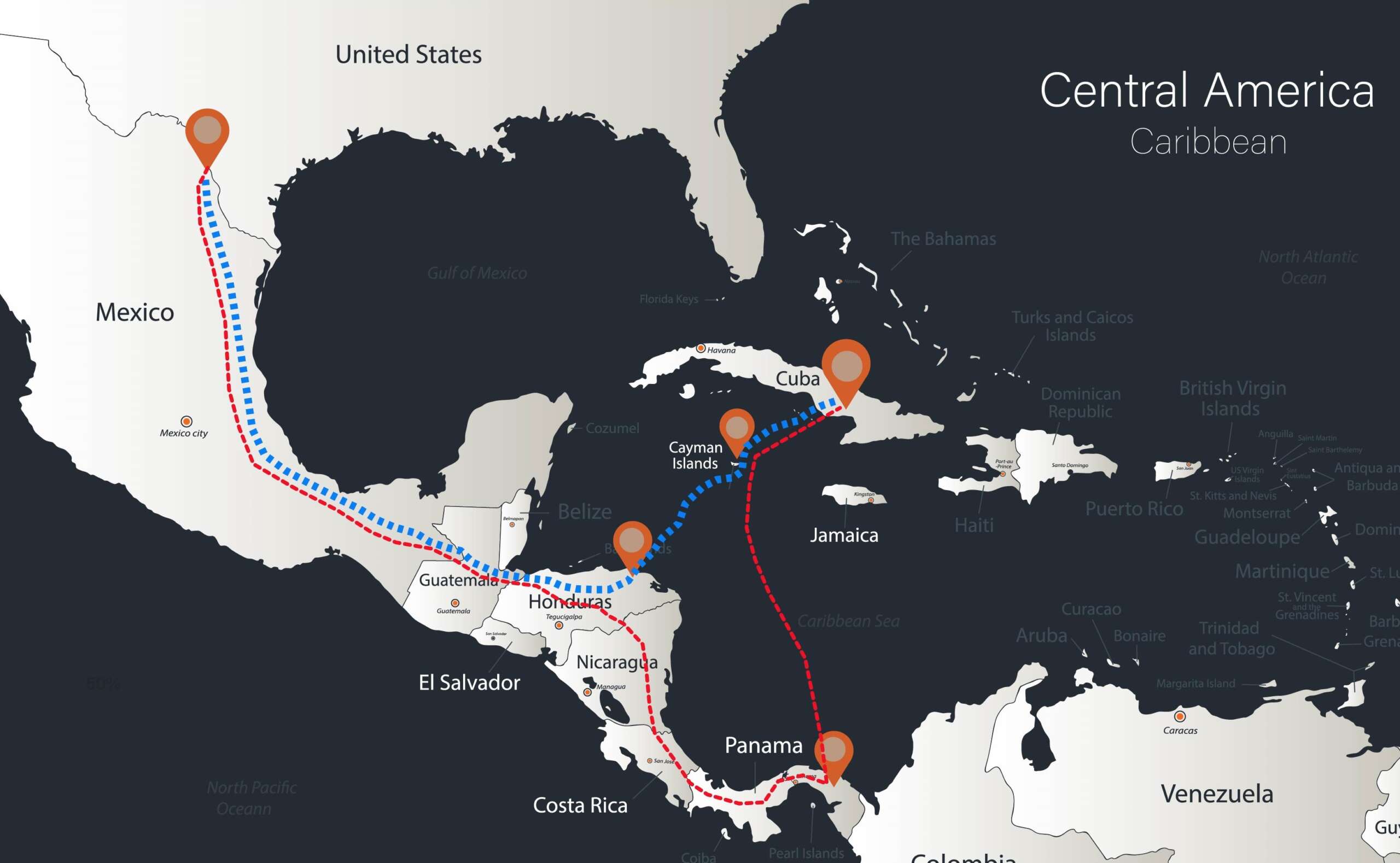
“You have to keep up, because they have set places that the guides need to reach by a specific time, so if you can’t keep up you will get left behind, and there are many cases where people get lost in the jungle and don’t make it out,” said Sanchez Gordon, adding that people who travel through the Mexican deserts face similar perils.
Barring natural hazards, both male and female Cuban refugees also face the possibilities of being sold into human trafficking where they can end up as sex workers and, in grim cases, harvested for their organs.
The journey between Panama and Mexico takes Cuban refugees on foot through Nicaragua, Honduras and Guatemala.
“Everything has been paid at each stop of the way; there is someone there to receive the money for you and pay to help you along the journey,” said Sanchez Gordon. “It is funded by their family members, and those who make it out, eventually pay back the debt.”
However, for those who make it, there is no guarantee of refuge.
Thousands are turned back at the US border.
The same is true in Cayman, where Cubans are often held for years in the detention centre or community centres, or under electronic surveillance in rented accommodation.
Customs and Border Control have now been given greater discretion to root out those who are economic migrants – seeking to circumvent the immigration process – from genuine political refugees in need of asylum.
And even for those that find that holy grail of asylum, the problems do not end. For some of the newly freed men and women, Cayman has become an island prison. In the next chapter of the Cuban-Cayman connection – ‘A prisoner in a free land’ – we explore the asylum process.
Special report: Inside the Cuban migration crisis
Related Videos