When a couple finds out they are having a baby in the Cayman Islands, the first call is no longer to share the joyful news with expectant grandparents. It’s to the daycare centre or nursery school.
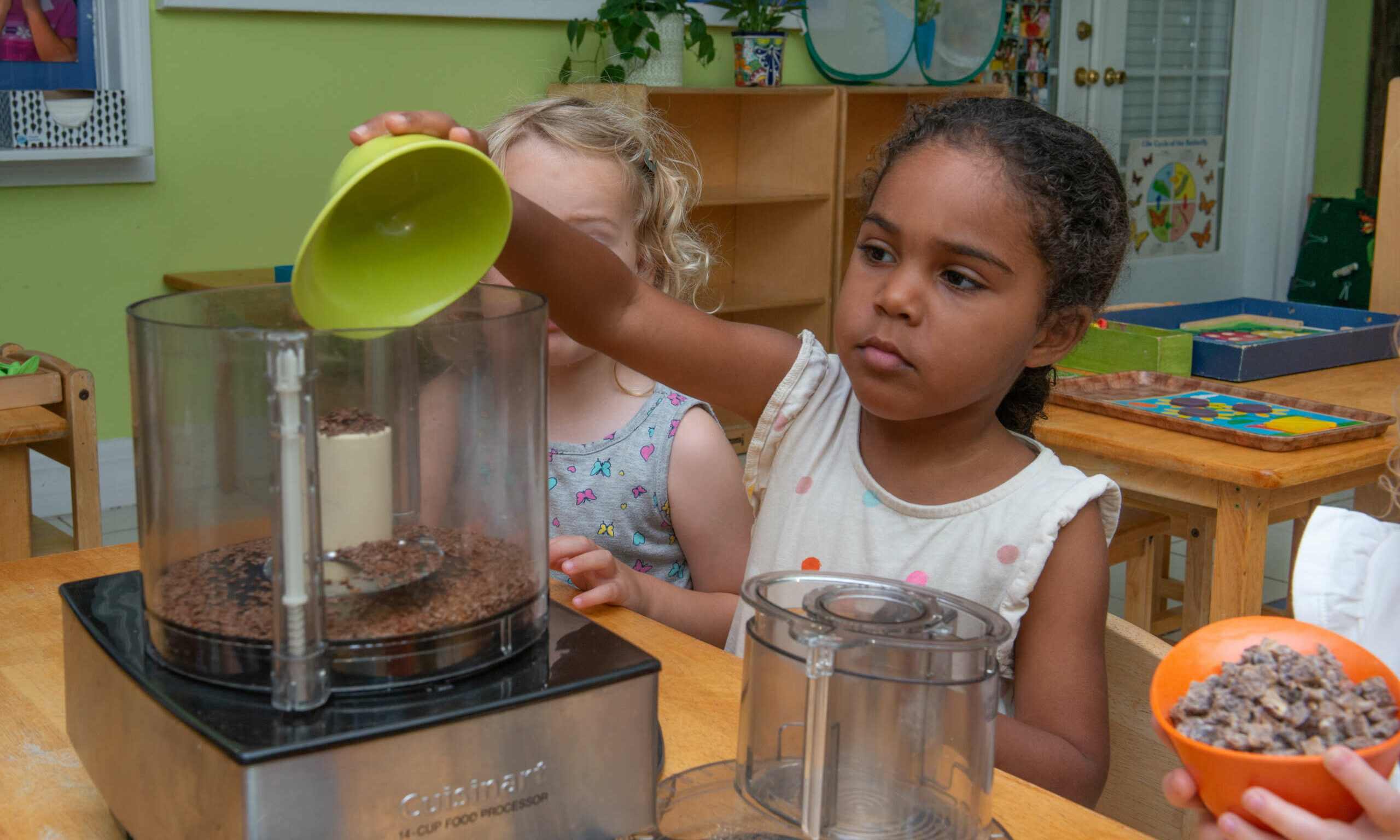
“We have people calling when they are two weeks pregnant,” says Joanna Boxall, owner of Little Trotters, off Walkers Road in George Town, where the waiting list for 80 places now runs to more than 400 children, many of whom don’t yet have names.
The farm and nursery school, with a butterfly garden, pond and vegetable patch, accommodates children from 18 months to 5 years and is one of the most coveted spots for parents who can manage the $14,000 annual fees.
But it is far from the only centre in Cayman – where the cost and quality of daycare varies wildly – that has been overwhelmed by demand in the past few years.
A post-COVID baby boom has seen birth rates jump by 25% since the pandemic, putting pressure on already-stretched childcare services.
The total number of births in 2019 was 661, a standard year based on numbers for the previous decade. But something changed around the pandemic year of 2020, when births rocketed to 832 in a single calendar year and have remained high ever since.
The Health Services Authority’s maternity unit nurse manager, Charmin Fennell, told the Compass, “The pandemic led to an increase in birth rates worldwide, including in the Cayman Islands.”
The rising population and an increasing number of women of childbearing age are also key contributors to the sustained rise in births in Cayman. Investment in staff and services at the HSA means the Cayman Islands Hospital is able to cope with the increased demand, she said.
But there are practical implications beyond the hospital walls as the island seeks to ramp up its childcare and nursery coverage, as well as school space for a robust new generation of Cayman Islands children.
A spokesperson for the Ministry of Education said a new nursery had been added at East End Primary, with 20 places, for the new term, and new reception classes are planned at Red Bay Primary.
“We are mindful that a growing population will result in an increased need for early childhood facilities and committed to increasing and strengthening early childhood education programmes,” the spokesperson said.
Despite that investment, much of the burden of providing services for parents of young children, below the age of 3, falls on the private sector, which has actually seen a reduction in available spots, in part due to a tightening of government enforcement of regulations on the number of children that can be accommodated per square foot. Some centres have closed down and others have cut spaces.
The problem is particularly evident for younger children with few establishments willing or able to take babies under 18 months. But with maternity leave in the Cayman Islands still just three months, many parents have no option but to go back to work.
No spaces for new parents
It’s a stressful time for new parent Marlon Turner, who says he called every childcare centre in the Cayman Islands to try and find a spot for his child. Everywhere, the answer was the same, “We are full.”
With his wife’s maternity leave period and vacation coming to an end and both parents on work permits, they have been left with few options.
“I started too late, I didn’t really expect that it would be so difficult to find a place,” he said.
“One lady told me people are registering their children from the time they are conceived.”
Turner said he would likely have no choice but to hire a nanny at significantly higher cost until his child is old enough for nursery school. Even then, it is likely to be challenging for him to find a space.
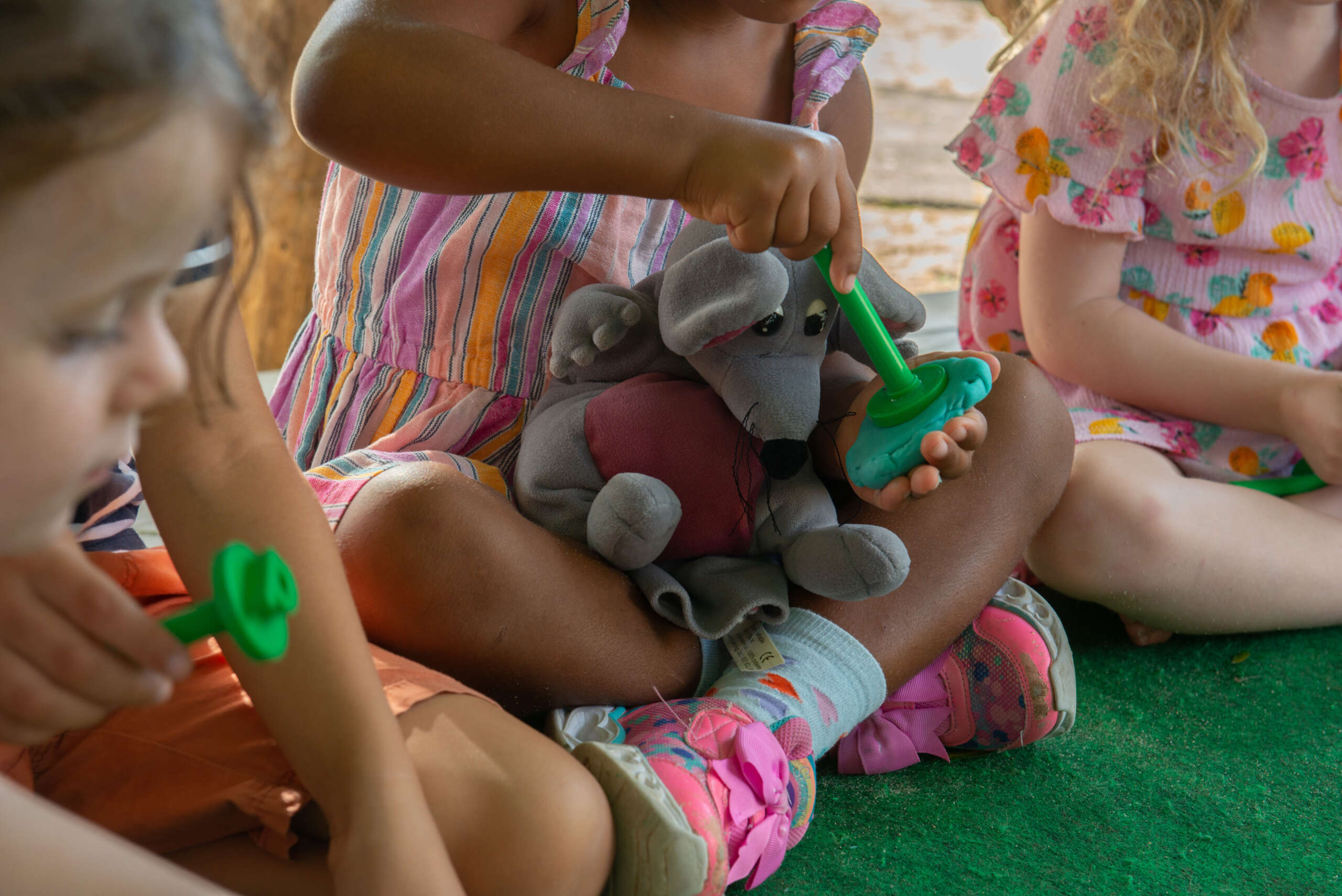
Tiffany’s Pre-School in West Bay will start taking babies from September in a shift to their previous policy.
Principal Diane Shand said the school, which can accommodate up to 40 children, is already full for September 2023 and was filling up for the following year.
“We are full to capacity. We have people looking and I don’t have any space,” she said.
Tiffany’s, where the monthly fees are $650, is one of the more affordable daycares in Cayman.
But those kind of fees are rare and the cost of childcare or nursery can run as high as $1,500 a month.
“West Bay is a poorer area and a lot of people can’t afford the centres in George Town,” said Shand, noting rising demand over the past years, including from expatriate parents who don’t get a subsidy.
Although the government’s Early Childhood Assistance Programme covers Caymanian parents for $500 a month, that doesn’t go far and is only for children aged 3 and over.
Baby boom goes across all nationalities
A data breakdown of the nationalities of new parents is not available but anecdotal evidence suggests both Caymanians and expatriate workers are having more children.
A prominent member of the Filipino community of more than 4,000 workers in Cayman, said, “There were a lot of COVID babies. A lot of couples were locked down together and this is the result. I have never seen so many babies.”
The individual, who asked not to be named, said there were financial issues for a lot of Filipino parents who had children on island but were in lower-paying jobs. The affordability of healthcare is also a challenge for some and they are concerned for parents who struggle to pay for treatment or medication for their children.
Parents left frustrated
The pressure is being felt at both ends of the economic spectrum.
Little Trotters’ monthly fees, at about $1,200, are around standard for a nursery school in Grand Cayman. And its facilities and reputation mean it is in particularly high demand.
Even so, school manager Lesley Maddock struggles to comprehend how the waiting list has swelled from 240 to 400 since COVID as anything other than a consequence of the post-pandemic baby boom.
“It started during lockdown and it didn’t let up,” she said.
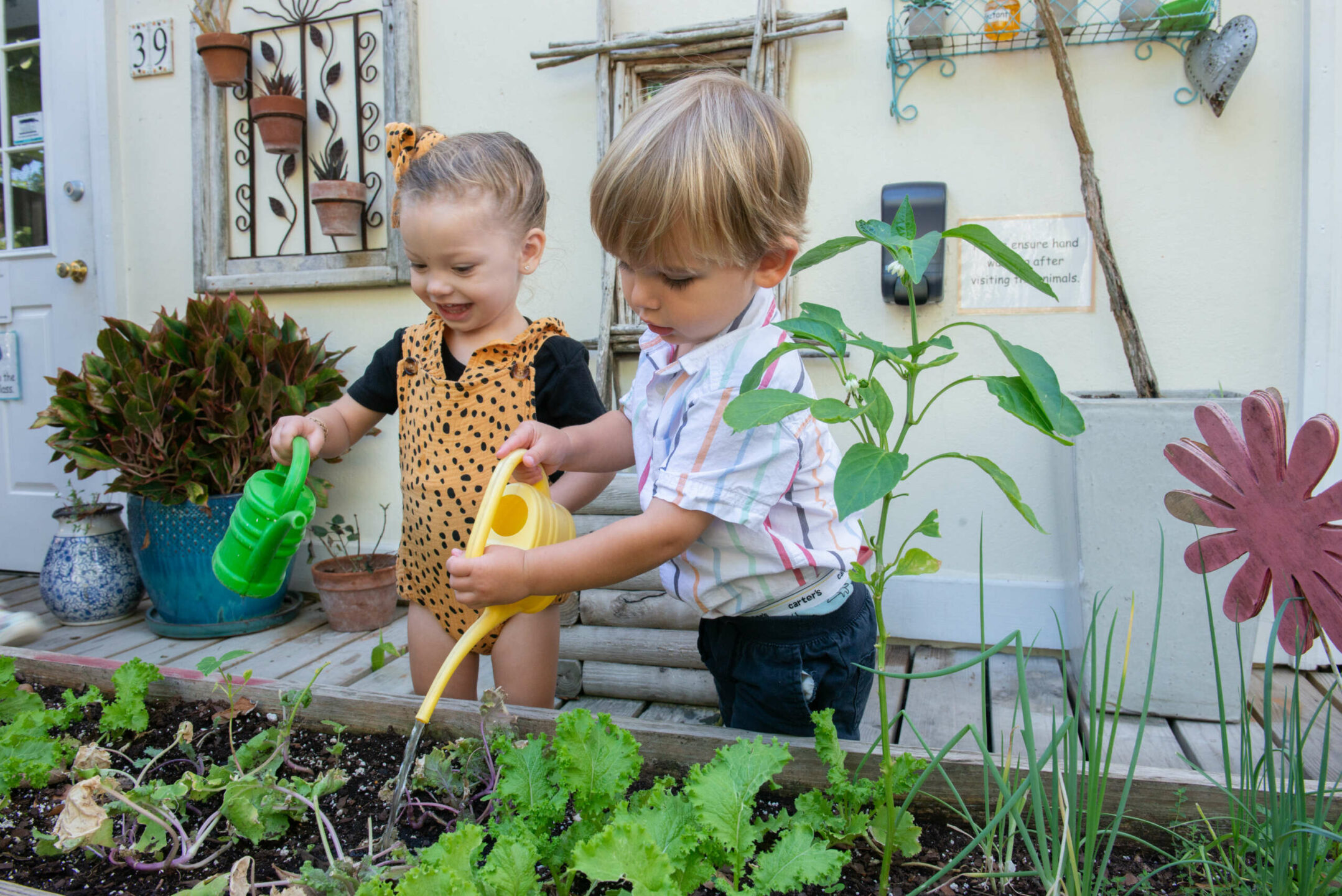
“For a lot of people, we are the first people they tell they are pregnant. We have so few spaces left that hardly anyone will get in and we end up with a lot of people frustrated and upset.”
Some advocates see opportunity as well as obstacles in the rising birth rates.
Opportunity amid the challenge
Nicola Williams, of the Early Childhood Association, said government’s investment in new infrastructure in East End was one example of how it was starting to tackle the problem. Its Smart Start programmes for children between ages 2 and 4 have also been touted as a successful initiative that could be expanded more widely.
Williams believes the Cayman Islands is starting to recognise a global shift in the value of early years education.
She said significant investment in funding or providing high-quality childcare in the first three years of life could pay dividends for the next generation.
Tackling a capacity problem with the right kind of resources now, she believes, would have a huge impact on the social and educational wellbeing of children in Cayman and their future life outcomes.

“There is a huge opportunity to invest in the future,” she said.
“There is a changing sentiment in the global community about investment in the 0-3 age group, which are most critical years for learning, yet the most under-resourced globally.”
The baby boom is impacting other areas, too.
Swim lessons, music classes and toddler groups are over-subscribed and nannies are in high demand.
Possible solutions
Maddock believes the impasse could result in a cultural shift, with more mothers choosing to stay at home.
For those that can’t do that, she believes broadening the options – for example, by allowing people to offer licensed childcare services for small numbers of children in their own home – would be valuable.
Equally, government could provide incentives to businesses and developers to create new schools and, particularly, new childcare space to meet the growing need.
Why are numbers going up?
The post-pandemic baby boom has been a global phenomenon, according to Fennell at the HSA. However, data from the British Medical Journal suggests that European countries were quick to revert to the longer-term trend of declining fertility rates.
Despite that influence, and concerns that the cost-of-living in Cayman could put off new parents, the birth rates continue to surge.
With 2023 numbers in Cayman on course to continue the upward trend, it is evident that factors beyond the impact of COVID lockdowns are having an impact.
“This gradual increase may be attributed to various factors, such as an increase in the number of women of childbearing age, and a growing population,” said Fennell.
The vast majority of births in Cayman are at the Cayman Islands Hospital, though Doctors Hospital is also an option for expectant mothers.
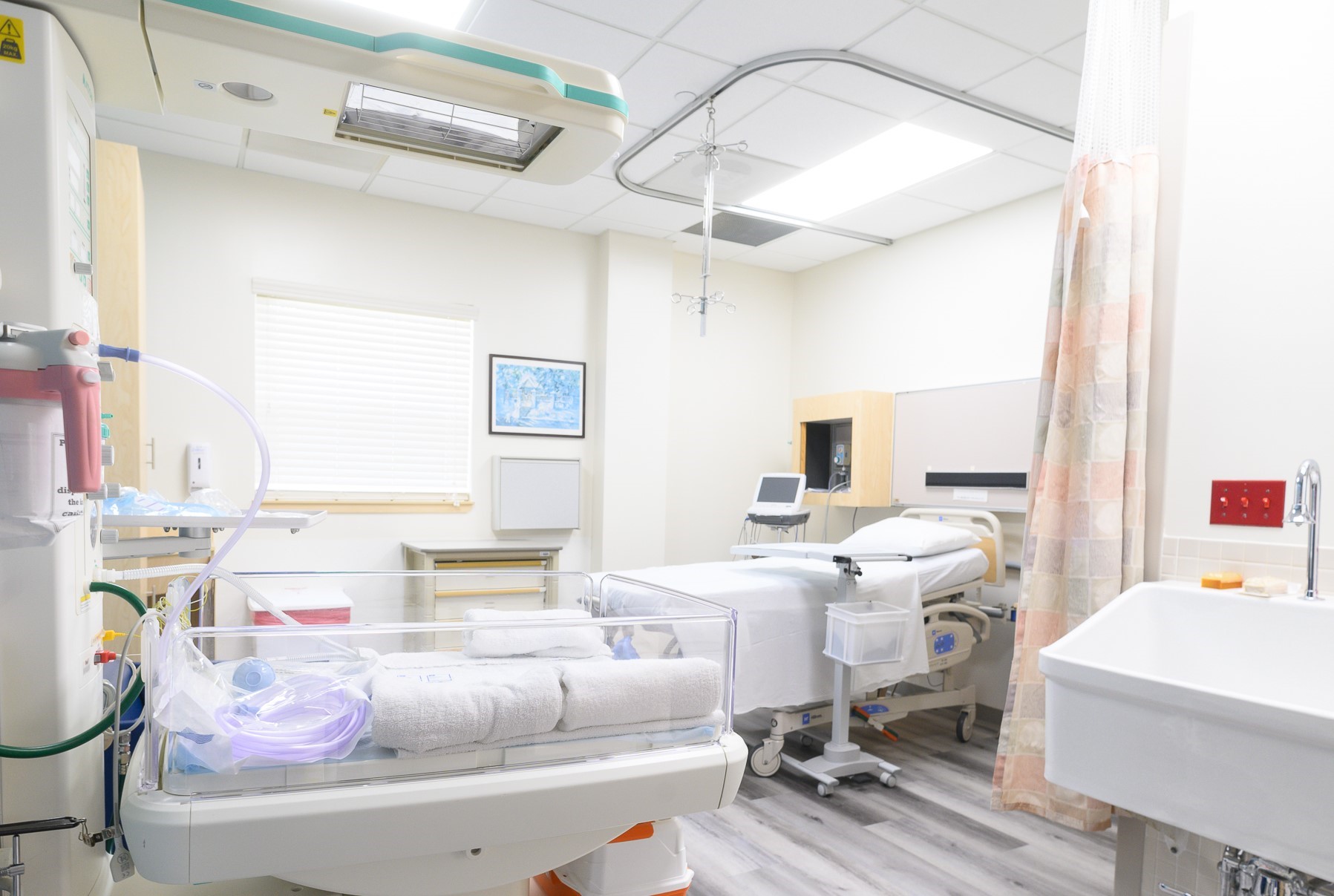
Fennell said investment in the maternity unit, which has 12 beds, three delivery rooms and six neonatal intensive care beds, as well as in staff recruitment and training, has put the HSA in a good position to handle the increase in births and any emergencies that come with that.
Increased capacity to handle emergencies during delivery and aftercare means patients no longer need to be transferred overseas for medical treatment, except in cases of serious illness and severely premature births.
“The HSA remains committed to providing safe and effective maternity services to the community and will continue to explore new and innovative ways to meet the growing demand for these essential services,” she said, in an emailed response to Compass questions.
Related Videos