

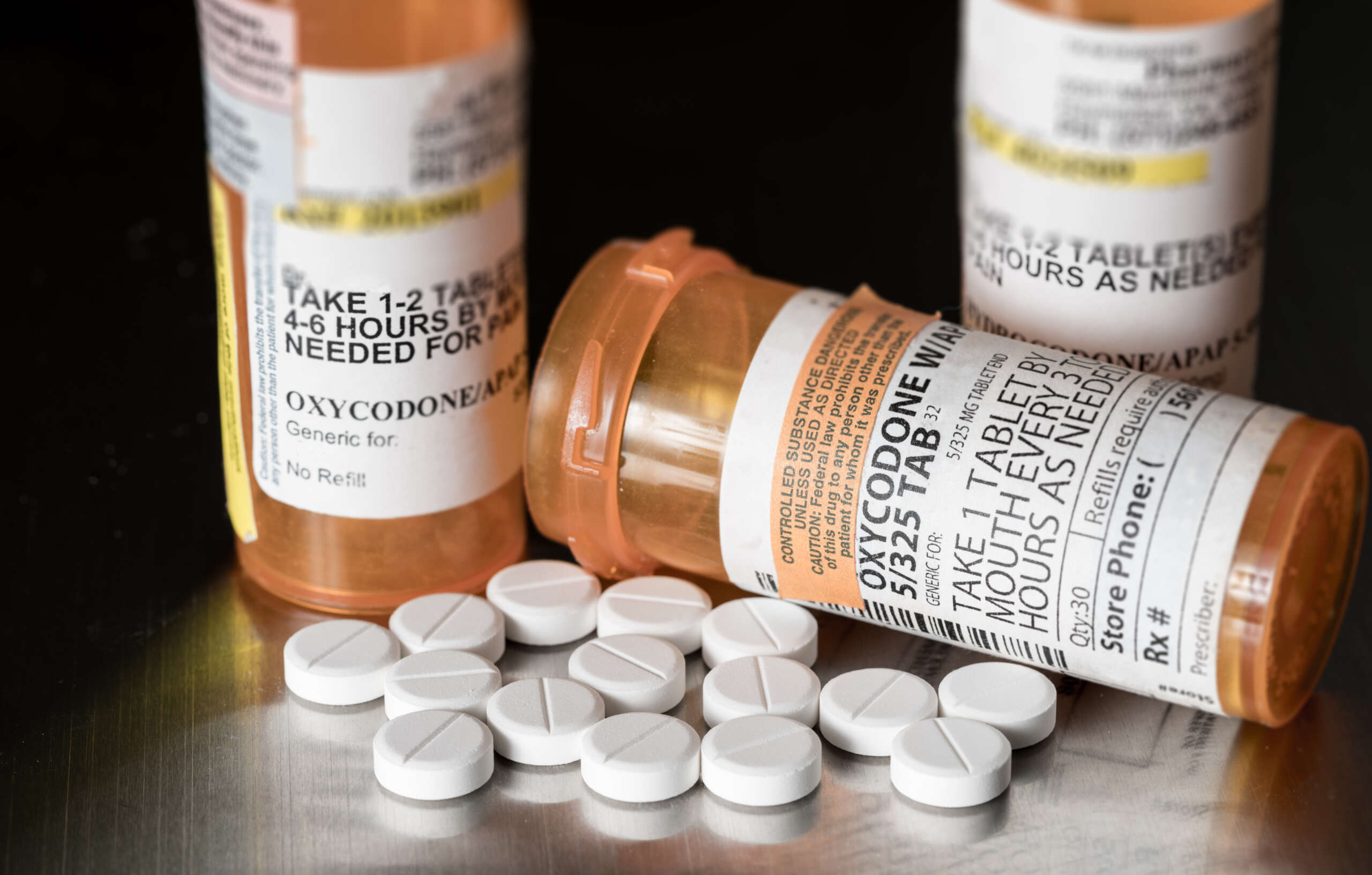
Strict new regulations for prescription medications have been introduced in an effort to curb a growing black-market trade in controlled drugs, including painkillers like oxycodone and fentanyl.
Chief Medical Officer Dr. Nick Gent announced the clampdown amid concerns that the Cayman Islands could be creeping towards an American-style opioid crisis.
Gent cited concerns that prescription medications are finding their way into the hands of street dealers. He also highlighted fears that a growing number of patients have become addicted to legitimately prescribed drugs.
Using his powers under the Misuse of Drugs Act, he has introduced new regulations, with immediate effect, banning refills on a suite of controlled drugs.
That includes notoriously abused painkillers like OxyContin (a brand name for oxycodone) but also a host of other medications commonly used to treat conditions ranging from anxiety and depression to insomnia and attention deficit disorder.
Gent is mandating that all of those medications – listed in a schedule of controlled drugs – can now only be dispensed with a handwritten prescription and with a maximum supply of 30 days’ worth of the painkillers.
He also wants pharmacies to keep a log of controlled drugs prescribed by each doctor to allow him to audit and identify any anomalies.
The new regulations, introduced with just three days’ notice, had doctors scrambling to alert long-term patients Monday, with the medical community raising concerns about lack of consultation and possible unintended consequences of such swift and sweeping changes.
One senior doctor cautioned the move could add an extra layer of cost and stress for patients with serious long-term conditions and would not necessarily address the core issue of criminal dealing.
‘Double doctoring’
One of the key concerns cited by Gent centres on the issue of ‘double doctoring’. Criminals have been known to go to numerous physicians with the same complaint and obtain prescriptions for controlled drugs which they can then fill at multiple pharmacies, without any of the healthcare professionals involved being aware of what was happening.
“The anecdotal and informal information suggests we do have some problems and it is time to take control of it before they come more significant,” Gent told the Compass.
“We know that people are obtaining prescription medication to sell on and that is a straightforward criminal act. They are getting a controlled substance by defrauding the doctor, defrauding the pharmacist, and then those medications are being sold through street dealing.”
He said the extent of the problem was sufficiently significant that police had raised concerns with his office.
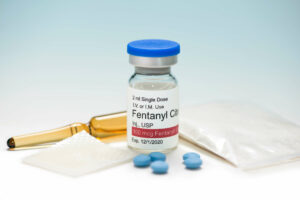
Last month, Customs and Border Control Director Charles Clifford also highlighted a growing trade in hard drugs, including fentanyl – a prescription pain killer – in the Cayman Islands.
Gent cited separate concerns that a number of patients in Cayman had become addicted to opioids, prescribed legitimately for medical conditions.
He said there was no blame attached to the doctor or the patient in such circumstances. But new research, in recent years, amid growing concern globally about the abuse of such medication, meant that tighter regulation and treatment guidelines could be necessary.
“The degree of addiction to prescription medications globally is quite frightening,” he said.

For those people who had become addicted, he said, “We have to have sympathy and treat that as a medical condition that we support them through.”
Mixed reaction from medical community
While Gent’s goals of clamping down on illegal street dealing and identifying and treating addiction have been applauded by the medical community, there are concerns about his approach.
Doctors were not consulted over the changes, which were introduced with just three days notice.
Many patients would have been unaware of the new rules which came into effect Monday.
One senior general practitioner told the Compass they were concerned that the ‘knee jerk’ response could backfire.
They said patients would be disadvantaged, both financially and otherwise, by a requirement that effectively means they need a new consultation every month.
The doctor added that while the new rules make sense for some drugs and some patients, there should be more room for discretion on the part of medical professionals.
Some of the drugs listed are commonly prescribed over long periods for conditions like anxiety and depression, and the regulations will only add inconvenience and stress for people with long-term medical problems, they said.
“I can understand opioids being an issue but some of the other meds on the list should not be a problem,” they added.
The doctor said patient relationships were vital to identifying addiction, adding that banning refills could actually serve to increase the number of patients that use multiple clinics and hoard medications – severing that key connection.
“I think that some flexibility is needed on behalf of the doctor and pharmacist. Most patients are well known to both and can be tracked easily,” the general practitioner said.
They acknowledged that opioid abuse was a problem in Cayman and that separate clinics would not know what other doctors had prescribed, if a patient were dishonest about their medical history.
“An ideal situation would be a central pharmacy computer register that all pharmacists are on, that flags overuse or abuse straight away.”
‘Not here to rubber stamp’
Gent acknowledged he had faced some negative feedback since announcing the changes to physicians and pharmacists last week.
But he insisted he has a responsibility to act.
“We are taking about potent medications here, we have to ask ourselves if we are using them in a responsible way or are we allowing a degree of addictive behaviour to creep in and become established.”
As the chief medical officer, Gent must sign the import order for all controlled medications and he said he takes that responsibility seriously.
The Cayman Islands has exceeded its recommended import allocation from the United Nations Single Convention on Narcotic Drugs in a number of categories, he added.
And he insisted that getting a better handle on the data around importing and prescribing locally would be good for everyone.
Gent said the language of the regulations does retain some flexibility for doctors. And he added that the data-collection process and analysis could be a step towards a common prescribing and dispensing system, where duplicate prescriptions from multiple doctors could be red-flagged.
He said this system – used in other countries – would also provide a greater degree of safety and make it easier to audit controlled drug use in the Cayman Islands.
“At the moment the monitoring system is weak,” Gent said.
“There are no checks and balances and no reconciliation of all the prescription and dispensing that is occurring. That is worrying because there is the ability for people to exploit the system and it would be very difficult for doctors and pharmacists working independently of each other to notice.”
The powers of the chief medical officer to introduce regulations to monitor and control the prescribing of controlled drugs has always existed in the legislation. But this is the first time it has been enacted.
“I am not here to rubber stamp things. I am accountable for what is happening in the Cayman Islands,” Gent stressed.
Related Videos













This means a doctor’s appointment every month, at significant cost, for people already suffering from chronic long-term pain.
To address what may well be a non problem.
Better to:
Have a central registry for this type of medication.
Ensure that any prescription issued are addressed to one pharmacy only and can ONLY be filled at that pharmacy.
This would solve the problem without inconveniencing legitimate patients in pain.
One thing they could look at is a central prescription platform where the pharmacist can claim a prescription for the patient from the system and see if they had the same medication filled at another location recently. that way there is no issues of prescriptions being duplicated for forged. there would need to be heavy search restrictions but I don’t see it being that much different to the FAR reporting systems in place. it will also mean that the ministry can directly interrogate the prescription data quite quickly and find the bad actors