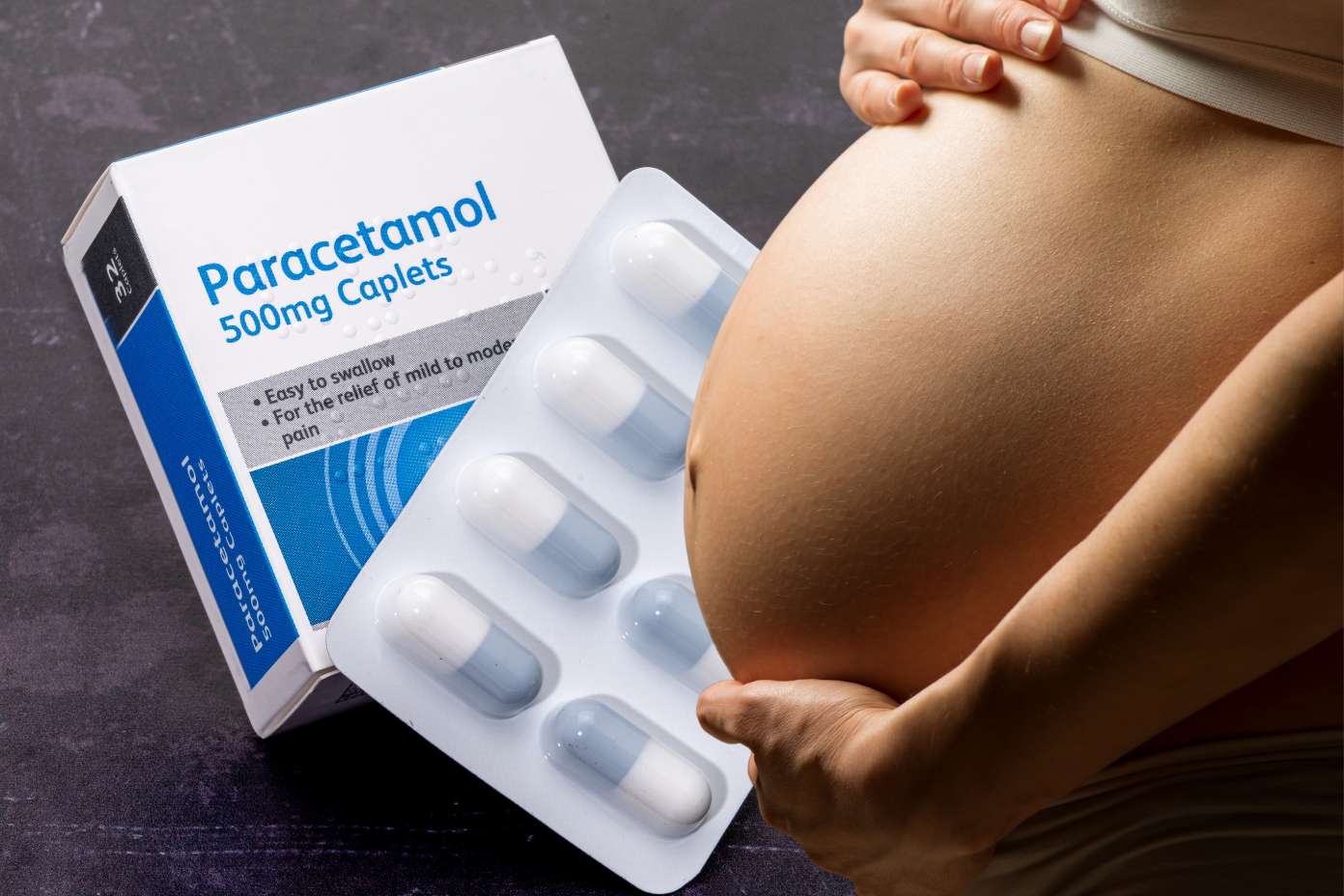
Cayman health leaders are reassuring the public that paracetamol remains safe for use in pregnancy when taken as directed, pushing back against new claims from the United States that the common pain reliever may be linked to autism in children.
The US Food and Drug Administration announced on 22 Sept. that acetaminophen – known locally and in the UK as paracetamol and sold under the popular brands Tylenol, Excedrin, Panadol, Midol, Paramol and others – would now carry a warning label citing a “possible association” with autism.
The announcement drew worldwide attention after US President Donald Trump told Americans in a nationally broadcast address to “fight like hell” not to take Tylenol, sparking concern among expectant parents.
Public Health: No evidence of harm
In a statement issued on 25 Sept., the Ministry of Health reassured the public that there is no evidence linking paracetamol to autism.
“As patient safety is our main priority, it is important to reiterate that there is no evidence that taking paracetamol during pregnancy causes autism in children,” said Chief Medical Officer Dr. Nick Gent. “The use of medicines during pregnancy is rigorously assessed by bodies such as the UK’s Medicines and Healthcare products Regulatory Agency. These assessments are based on the best available scientific evidence, as well as ongoing monitoring and surveillance of these medicines as they are used within the community.”
Dr. Leroy Campbell, consultant obstetrician/gynaecologist at the Health Services Authority, emphasised that paracetamol remains the safest and most widely studied option for pain and fever in pregnancy, unlike NSAIDs or opioids, and should be used under medical guidance.
“Patients should be reassured that paracetamol remains as the recommended first-choice pain reliever for pregnant women when used as directed,” Campbell said. “Fever and untreated severe pain in pregnancy carry real risks to both mother and baby, including miscarriage, preterm labour and complications for the baby’s development.”
Chief Nursing Officer Felicia McLean added that pregnancy is “an incredibly vulnerable time for women” and stressed the importance of combating misinformation.
Evidence on paracetamol from Sweden and the UK
A large Swedish study of 2.5 million births, published in JAMA last year, found no link between paracetamol and autism once genetic and familial factors were considered.
The UK’s Medicines and Healthcare products Regulatory Agency and National Health Service echoed those findings, issuing public reminders that paracetamol remains the first-line treatment for pain and fever in pregnancy when used at the lowest effective dose and for the shortest duration.
Dr. Sara Watkin, consultant paediatrician at Optimal Healthcare, said she will be following the UK’s advice.
Autism experts call for nuance
Shannon Seymour, clinical psychologist and director of The Wellness Centre, called the US statements “irresponsible”.
“Autism is a complex neurodevelopmental disorder,” she explained. “There is simply no scientific evidence to suggest that acetaminophen taken during pregnancy causes autism.”
Seymour stressed that autism likely arises from multiple interacting variables including genetics, perinatal factors and neurological development, and called for continued scientific research, especially in the Caribbean.
She encouraged the public to “be careful consumers of oversimplified propaganda and always consult a licensed medical professional for advice during pregnancy”.
Autism Cayman: Focus on support, not politics
Parent-led nonprofit Autism Cayman said its focus remains on supporting autistic individuals and their families, not political headlines.
“As an NPO operating in the Cayman Islands and as a British Overseas Territory we would look to the guidance from the Cayman Islands Medical Community, the UK’s National Health Service and the Medicines and Healthcare products Regulatory Agency when it comes to medical and public health matters,” said Ally Olarou, secretary and director of Autism Cayman.
Olarou explained that Autism Cayman focuses on supporting autistic individuals and their families, promoting acceptance through community support, advocacy and awareness while working to build a more inclusive community.
Related Videos