

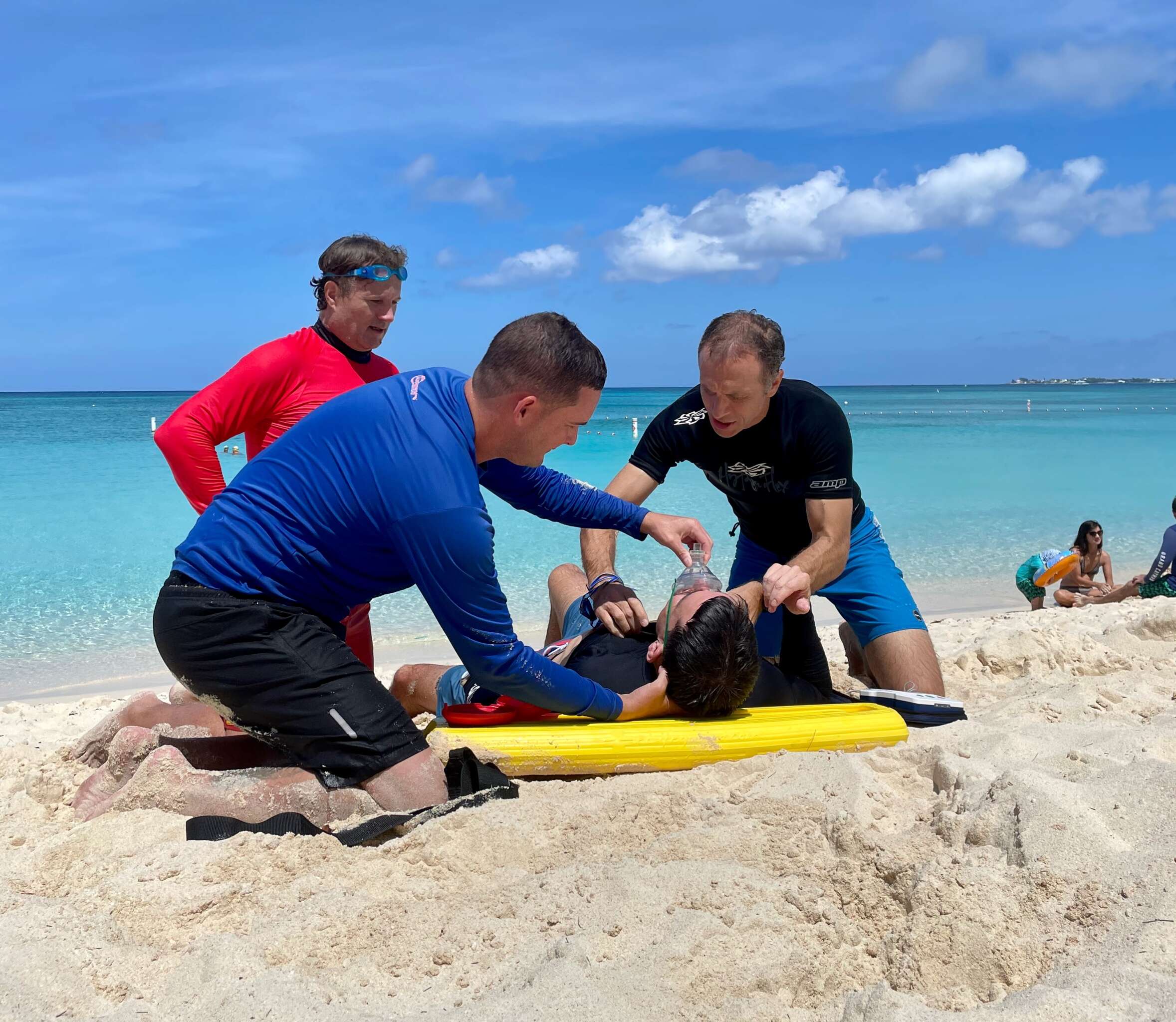
Cayman has one of the highest drowning rates in the world, according to a data research project involving the island’s forensic pathologist, local doctors and the Royal Lifesaving Society of the Cayman Islands.
There were a total of 84 deaths in the waters around the Cayman Islands in the decade up to the end of 2021.
Of those, 64 were recorded by the coroner as ‘misadventure’, meaning they were avoidable accidents. The other 20 were recorded as natural causes – meaning the victim suffered another health emergency while in the water.
The average of just over eight deaths each year, for the past decade, has already been eclipsed in 2023. As of October, there had been 10 water-related deaths reported in the media, the most recent being two Cubans lost when their raft capsized off Cayman Brac.
While the figures are not surprising, this is the first time water-related deaths have been comprehensively compiled and analysed.
And the rate of 13 deaths per 100,000 people – the statistical metric used by the World Health Organization – is significantly higher than Cayman’s regional neighbours and among the five worst in the world.
Only Guyana (18.5 per 100,000) has a higher drowning rate in the Caribbean.
Other major tourist destinations, like the Bahamas (6.5 per 100,000), which also attracts large numbers of cruise passengers, have significantly lower rates.
Jamaica’s drowning rate (0.3 per 100,000) is the lowest in the region, thanks in part to a legal requirement for lifeguards at certain tourist attractions, according to the research team.
Dr. Shravana Jyoti, forensic pathologist with the Cayman Islands Health Services Authority, said he had partnered with the lifesaving society to shed light on the problem. He is also working on his own research paper.
Jyoti said many of the deaths involved older people. More than half of the fatalities were over 60 years old. One in five were younger than 40.
But he said a high percentage of those drownings were avoidable.
“The demographic of our travellers is slightly older, but whether it is 50, 60 or 80, these are still lost years for their families and loved ones,” he said.

He said there were strategies, including lifeguarding, that had been shown to reduce deaths in other countries.
He also plans to use the research – including a more detailed analysis of the types and varieties of underlying conditions associated with deaths in the water in the Cayman Islands – to inform guidelines for tourists, hoteliers and water-sports operators on precautions to take in the islands’ waters.
“We have to be very balanced because we are a tourism country,” he said.
“We don’t want to say, ‘Don’t get in the water’. That is why people come here.”
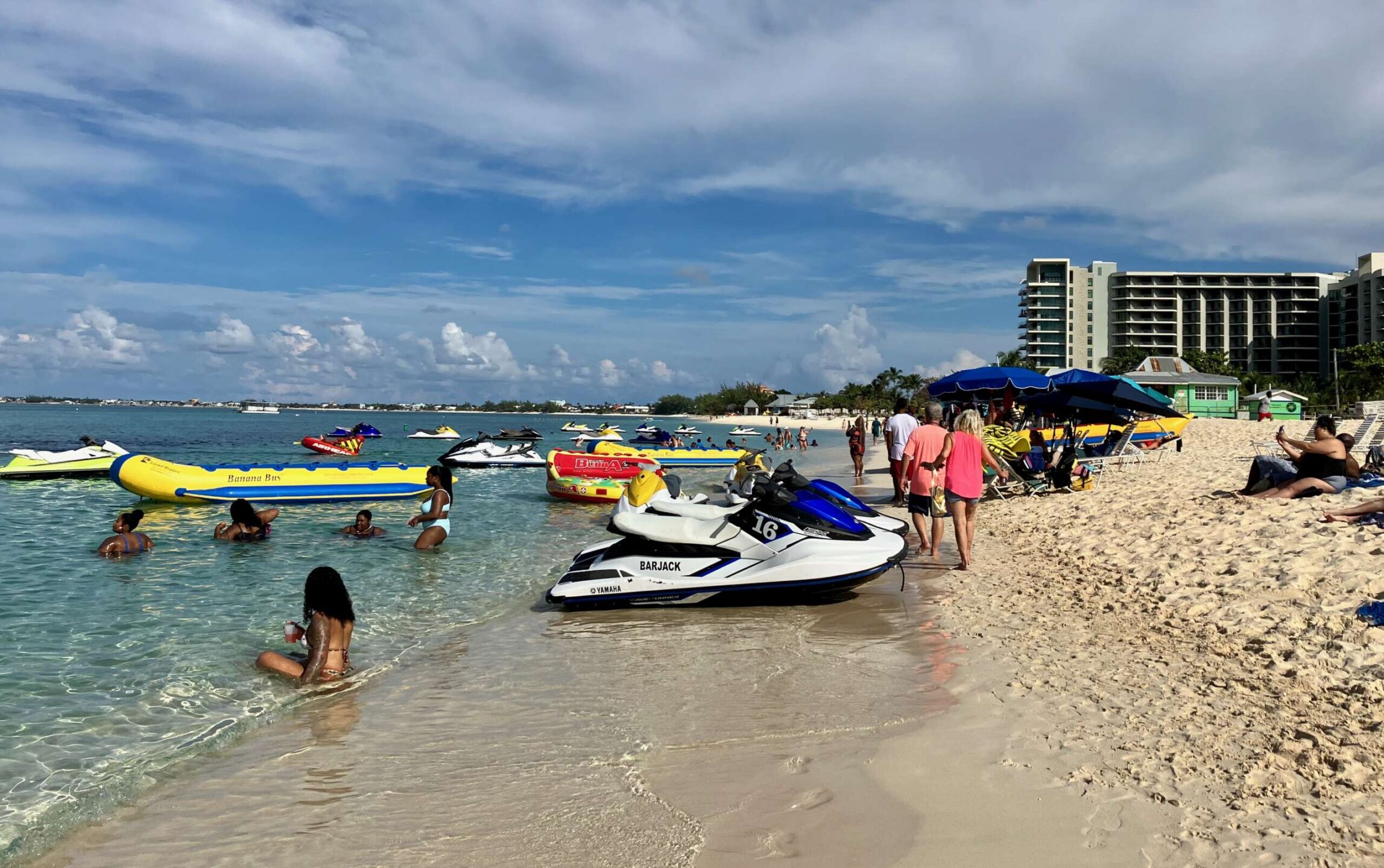
Nonetheless, he said, people suffering with heart conditions or obesity should be advised to stay within their comfort range. And he believes signs could be used to advise against swimming at certain locations.
Jyoti also endorses the Lifesaving Society’s call for lifeguards on beaches in certain locations.
‘Lifeguards can make a difference’
Craig Amundsen, executive director and lifeguard trainer with the society, said government has shown some interest in that approach but nothing had got off the ground as yet.
He said the society’s data had been presented to the Ministry of Health as part of a push for new safety standards, including lifeguards on some beaches and at public pools.
He fears that businesses and governments are currently reluctant to add to their costs.
But, he cautioned that the continued high number of drowning deaths compared to other jurisdictions was damaging for Cayman’s reputation.
“Each drowning is an individual tragedy and many of them are preventable. It is not a good sign for Cayman that the numbers are so high.”
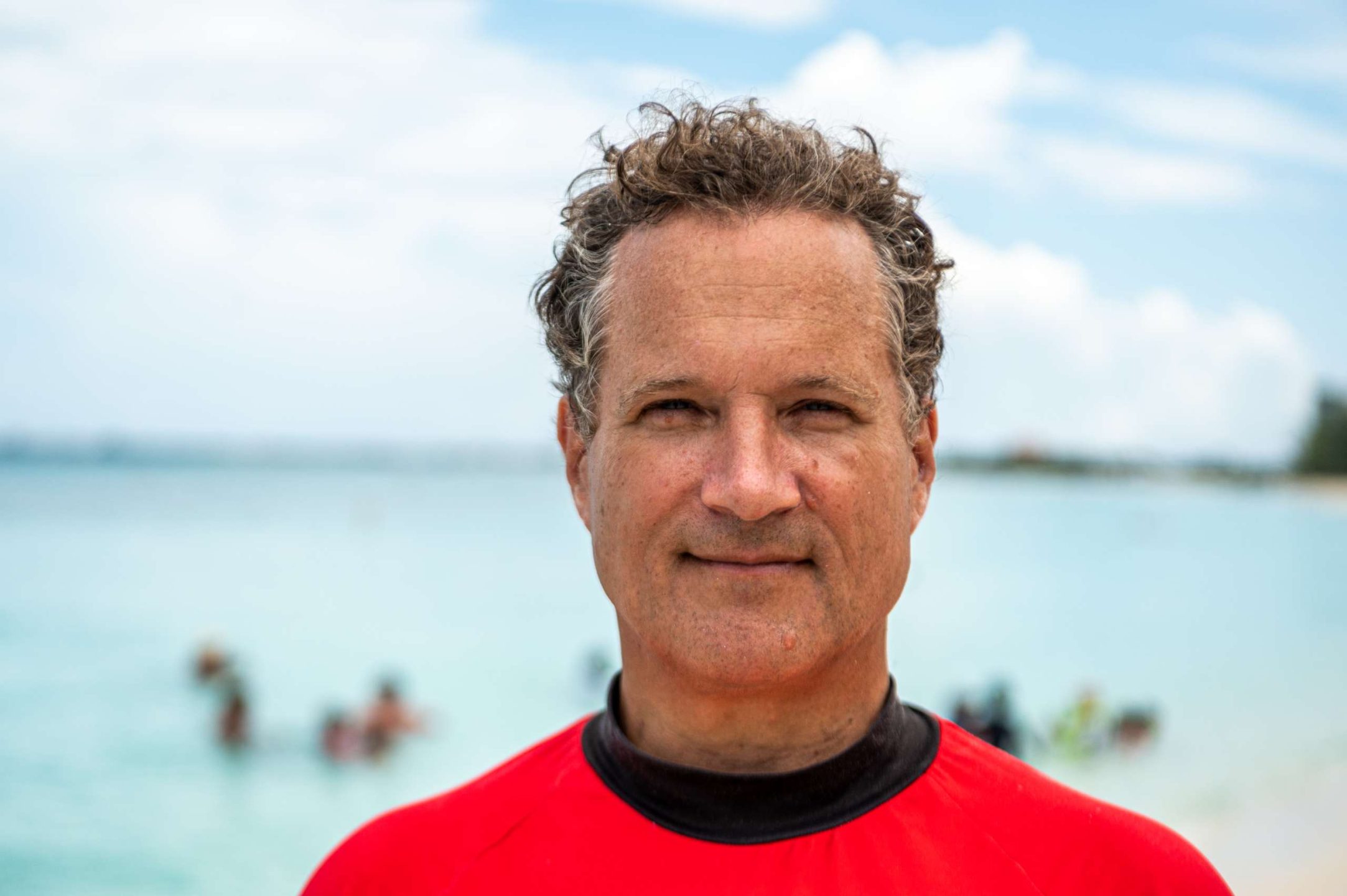
The society has trained more than 100 new lifeguards to international standards over the past three years, but he said there was not enough work in Cayman for those graduates. He hopes the new 50-metre pool will be combined with new programming and opportunities for lifeguards.
The association will present its findings at the ILS World Drowning Prevention Conference in Perth, Australia in December.
In a five-page summary, the research team – which also includes doctors from St. Matthews University and a clerk from the coroner’s court – makes the case that stationing lifeguards on Cayman’s beaches could have a transformative impact on drownings.
It cites Ecuador and Costa Rica as countries that have implemented lifeguarding programmes on a relatively small number of beaches and drastically cut drowning rates.
Suggested strategies to solve the issue go beyond lifeguarding, however.
Proposed solutions
The document proposes seven key solutions, outlined below:
- Introduce a Professional Lifeguard training course for local Caymanian youth.
- Mandate the availability of trained lifeguards at local beaches, boats, and recreational swimming areas. This would in turn provide an increase in employment opportunities for local Caymanian youth.
- Make available low-cost, affordable swimming lessons to all school-age children across the Cayman Islands to teach swimming as well as water rescue.
- Teach basic CPR skills to the local community. Drowning deaths could be prevented if immediate rescue and resuscitation efforts were administered to the drowning victims.
- Introduce legislation for water safety in boats.
- Fence all residential swimming pools with self-closing gates and safety latches.
- Create public awareness of water safety and prevention of drowning, through literature and involvement of the media.
Related Videos









Where do we rank in fatal one car accidents?.
Are these figures per head of population, or, per head of total population PLUS visitors? MASSIVE DIFFERENCE.
Water safety standards must improve. Adjustments to fall in line with Bermuda and other safer countries are easy to achieve. Please support this change, reach out to the Royal Life Saving Society and your local MLA and made a difference.
Wouldn’t it be nice to have a team of responsible Cayman teen/twenty somethings supporting safety on our beaches backed by international standards!
https://www.linkedin.com/company/rlss-cayman-islands/