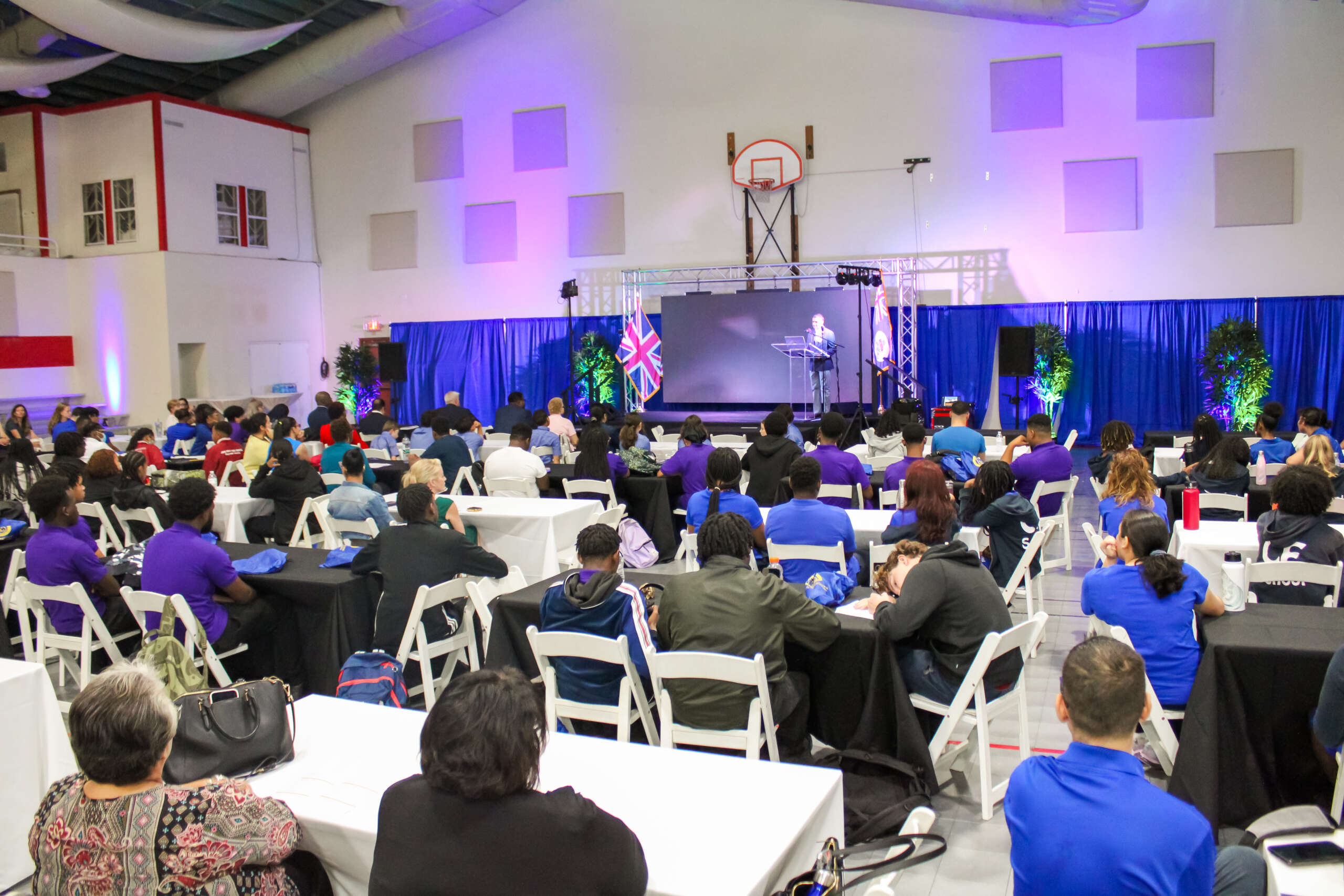
Hundreds gathered at the University College of the Cayman Islands this week to learn more about science, technology, engineering and mathematics from local and global experts.
The tertiary education facility held its eighth STEM Carib conference from 1-3 Nov., with the theme ‘Game changer – Time to level up’.
The event featured renowned keynote speakers and breakout sessions on a variety of topics including radiology, sustainability, invasive species and molecular biology.
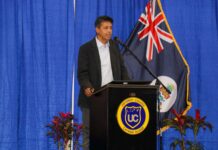
Gilbert McLean, chair of the UCCI board of governors, said reaching eight years was “quite a milestone – not just for UCCI but for the STEM movement in the Cayman Islands as a whole”.
He explained that STEM Carib started with the vision of president emeritus Roy Bodden, who thought it was important to expand the horizons of Caymanians.
“President Bodden believed that the challenges of the 21st century can be tackled through STEM,” McLean told the conference audience during the opening on Wednesday morning.
“It was imperative that young Caymanians be empowered by putting them face to face with cutting edge technology, world class discoveries and a multitude of careers within this fast-paced and ever-evolving industry.”
McLean said Bodden’s vision was shared by retired neurosurgeon and philanthropist, the late Dr. William ‘Bill’ Hrudey.
“Moved by a speech given by president Bodden about his plans for UCCI, Dr Bill… gifted the university college with a 12.5-inch Newtonian telescope in 2010,” McLean said.
He later became the director of the UCCI observatory, a building he designed with a retractable roof and classroom dedicated to the advancement of STEM.
“With Cayman already being a premier financial and tourism destination, both men thought it would also be the perfect regional hub for STEM,” McLean told attendees.
And so, STEM Carib was born.
Learning and fun
Peter Paul, special assistant to UCCI president Robert Robertson, described the event as “three days of learning, fun, engagement and building community”.
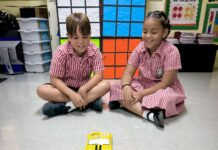
A well as welcoming world-class guest speakers, and featuring local breakout sessions, the conference also highlighted the work of young scientists and engineers in science fairs and competitions.
Getting to eight years has been a “truly remarkable journey”, McLean said, as he thanked everyone involved in the three days of “learning and discovery”.
Jerome McCoy, acting deputy chief officer in the Ministry of Education, said the government gave its “unwavering support” to the event.
“Education is the cornerstone of progress,” he told attendees, “and the fields of science, technology, engineering and mathematics are at the forefront of that progress.
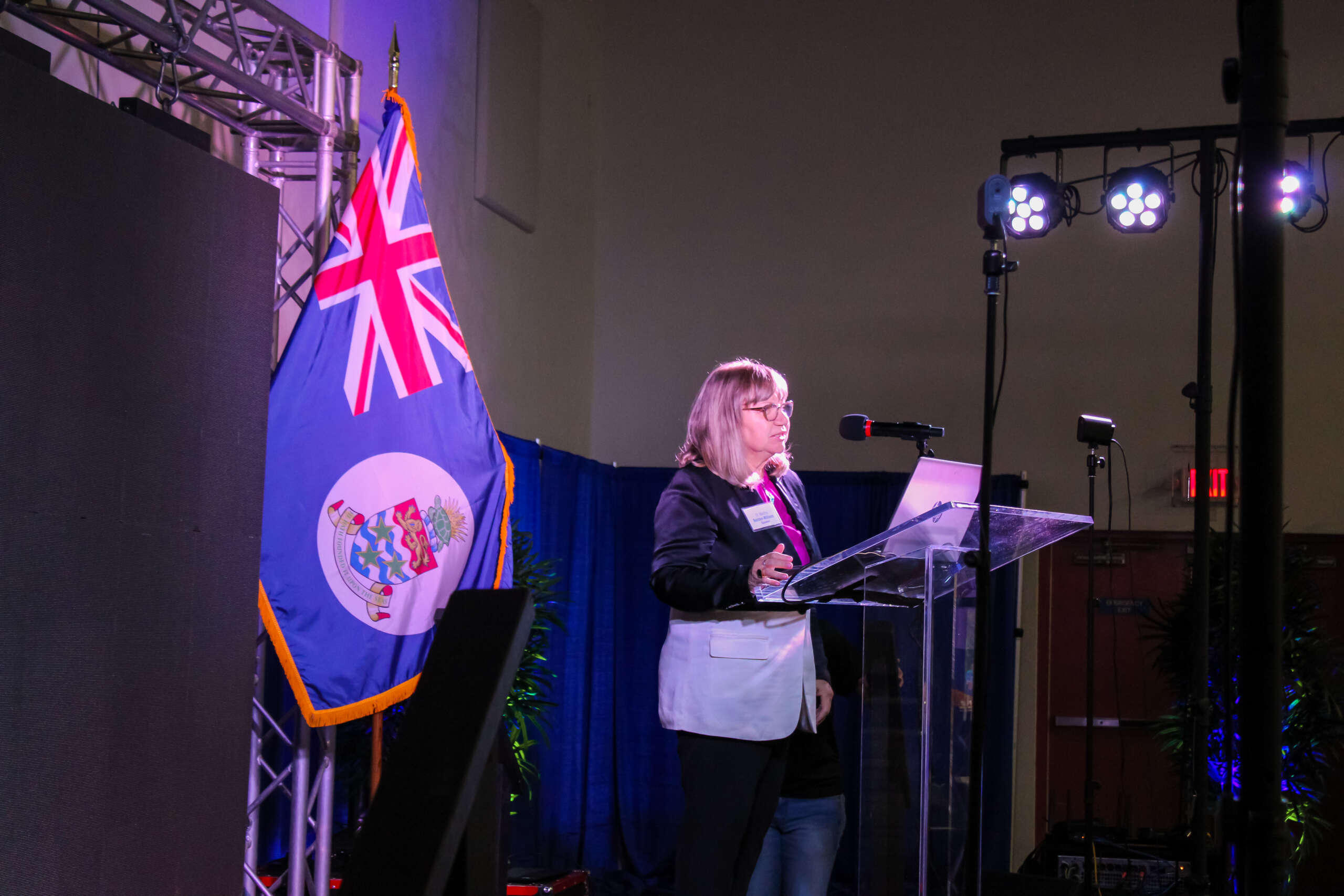
“They drive innovation, fuel economic growth and hold the key to addressing many of the world’s most pressing challenges.”
McCoy said the conference is a testament to the importance of STEM education and research in an ever-evolving world.
“It’s not just a gathering of brilliant minds. It’s a manifestation of our collective dedication to nurturing the next generation of innovators, problem solvers and leaders,” he said.
“We are fully committed to fostering an environment where STEM education thrives, where educators have the resources they need, and where students are inspired to dream big and reach for the stars.”
Robertson agreed that STEM is increasingly important for the Cayman Islands and the future of work.
He said that UCCI was expecting more than 1,400 people to attend the conference over the three days.
Robertson told the students in attendance that the event was an opportunity to explore job opportunities and how they can achieve their personal and professional goals.
Among this year’s three keynote speakers was former NASA scientist Dr. Martha Williams who grew up in Cayman Brac.
Related Videos