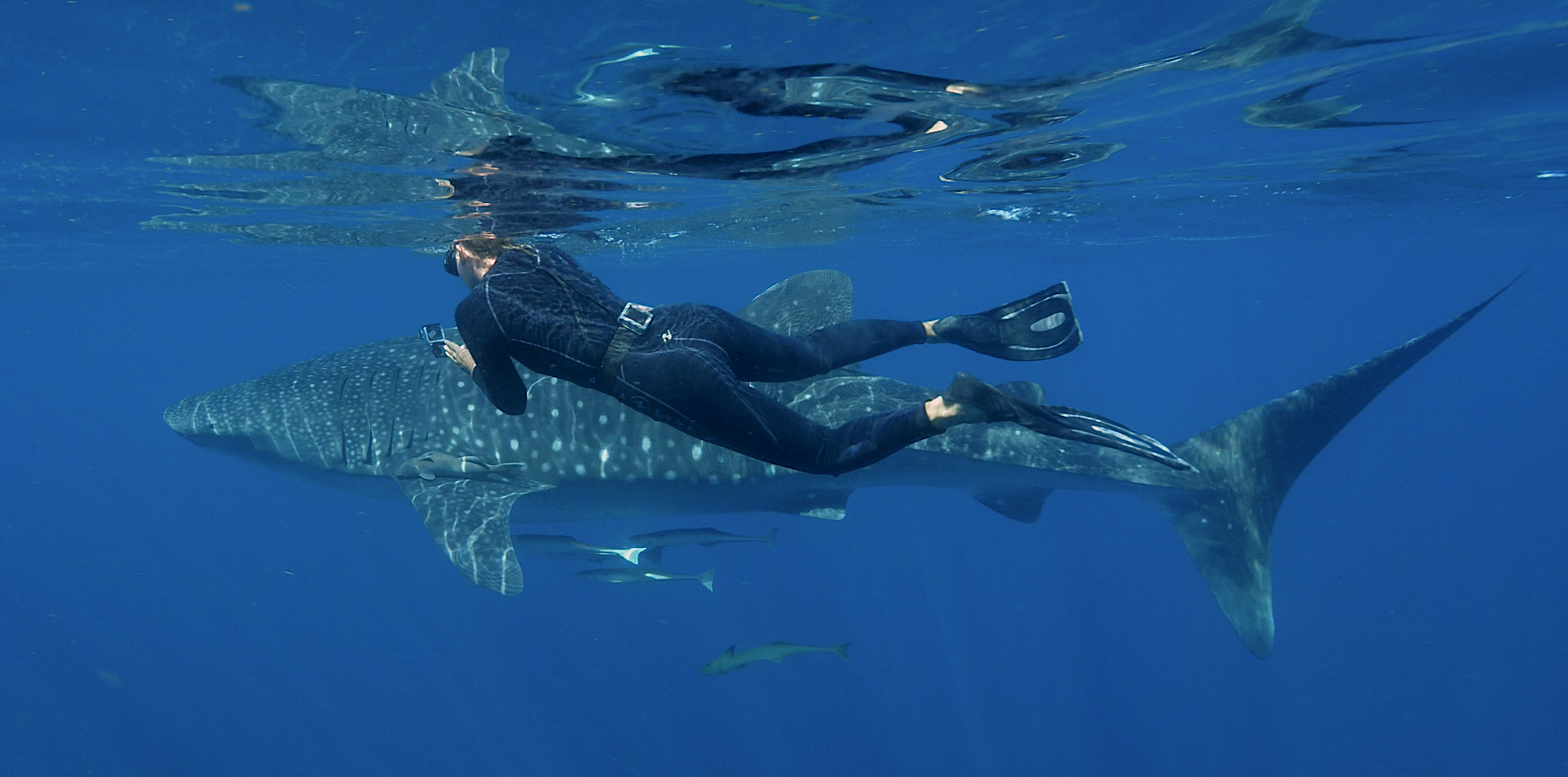
Scientists from the Guy Harvey Foundation are tracking a whale shark called ‘Swim Shady’ as part of an ongoing study of the migration paths of shark species.
Swim Shady – named by Rock The Ocean’s Tortuga Music Festival social media followers, who channelled Eminem’s alter ego in their choice of names – is the latest endangered marine animal to be tagged by researchers at the Guy Harvey Foundation, Nova Southeastern University’s Guy Harvey Research Institute and conservation organisation Ch’ooj Ajauil.
Shark tagging enables researchers to study the migratory patterns, life history and other aspects of sharks. The tags register a shark’s location when the dorsal fin breaks the ocean surface.
Earlier this year, conservation group Rock the Oceans invited fans of Fort Lauderdale’s Tortuga Music Festival to name the whale shark.
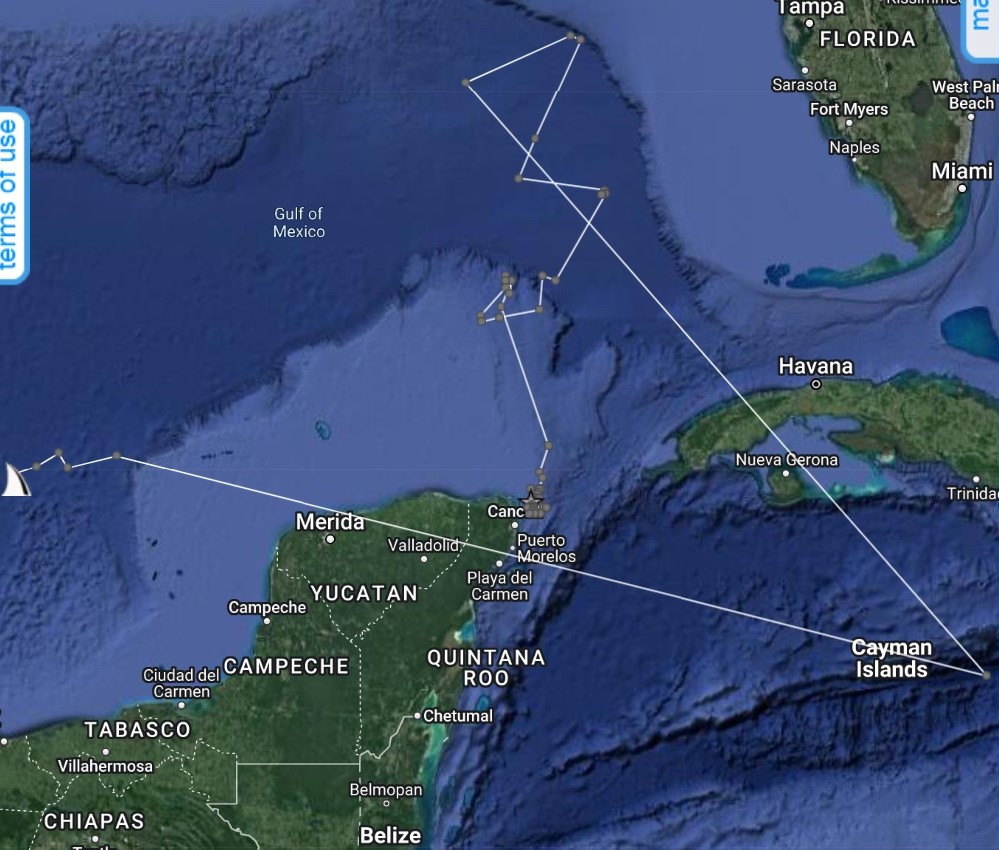
Swim Shady’s travels, along with those of other sharks the researchers have tagged, can be followed online at ghritracking.org.
According to data on the tracking site, Swim Shady’s journey took the animal from off the coast of Cancun, Mexico, where it was tagged on 17 Aug., through a circuitous route in the Gulf of Mexico over several months to waters off the Cayman Islands in the middle of this month. The most recent transmission from the tracker was on 23 Nov. when the whale shark was in the southern Gulf of Mexico.
Whale sharks are rarely sighted in Cayman waters. The last time a whale shark was reportedly spotted in Cayman was near the Kittiwake site, off West Bay, more than a decade ago.
‘Ambassadors for the world’s oceans’
“Anytime we can introduce the world to one of the magnificent ambassadors for the world’s oceans, like Swim Shady, we know we are gaining fans who care about our oceans and its inhabitants,” said Greg Jacoski, executive director of research and policy for the Guy Harvey Foundation, in a statement.
He added, “Through our partnership with Rock the Ocean and the incredible community support we have at Tortuga Musical Festival’s Conservation Village every year, we continue to raise funds for marine science education and research programs, thus making waves for a sustainable future together.”
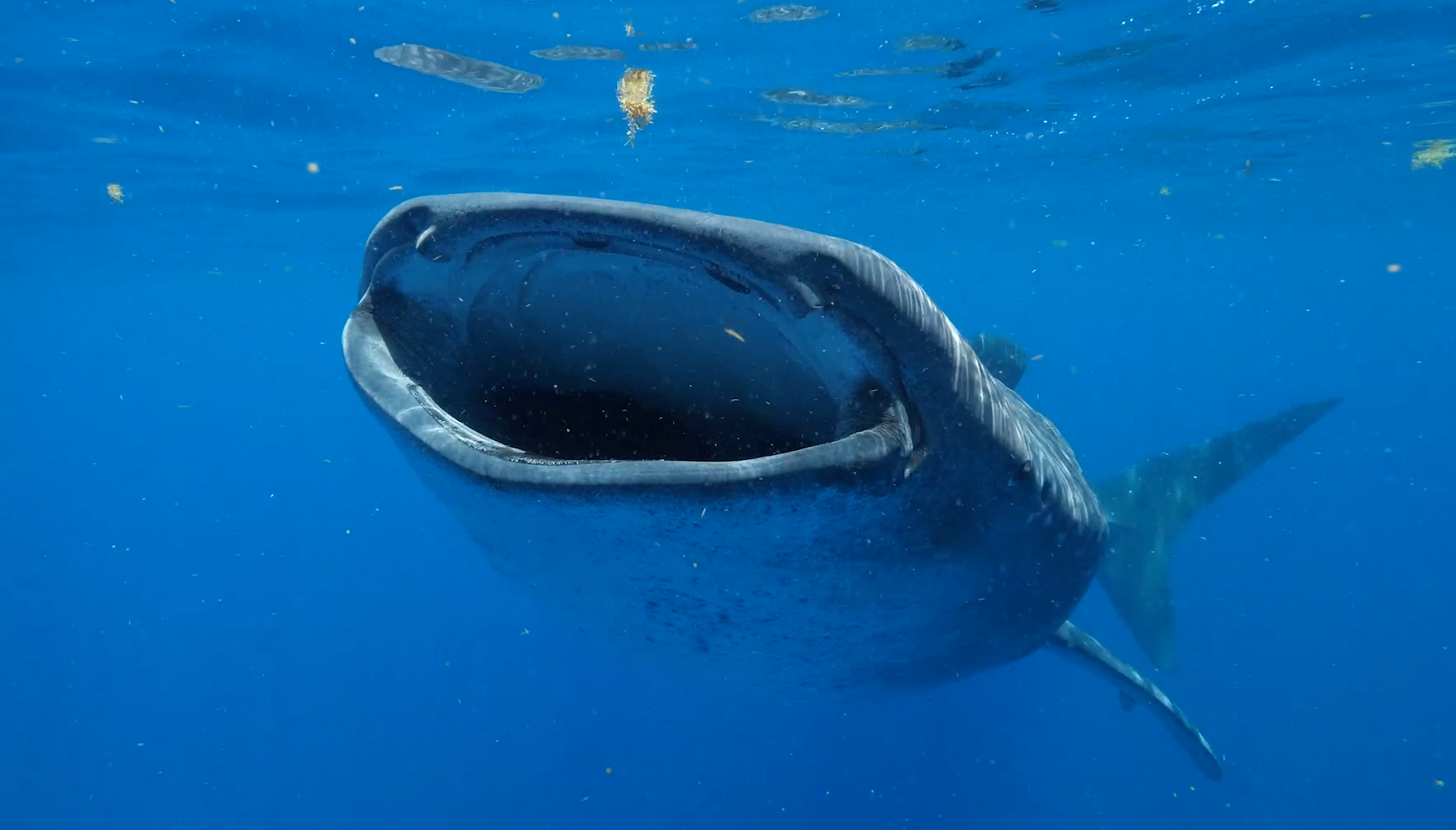
Though whale sharks mostly travel alone, there are times they gather in large numbers in feeding aggregations. Swim Shady is expected to venture into the waters offshore of Isla Mujeres, Mexico, and into the Atlantic Ocean, Gulf of Mexico and the Caribbean Sea, the researchers say.
The statement noted that whale sharks are endangered as they are harvested in many countries for their fins, oils, meat and other items, and sometimes are victims of ship strikes during their migrations.
“That’s why the research on this species is so vital – learning as much as possible on migratory patterns and more can help those in positions to enact legislation that will protect these majestic creatures,” it said.
Related Videos