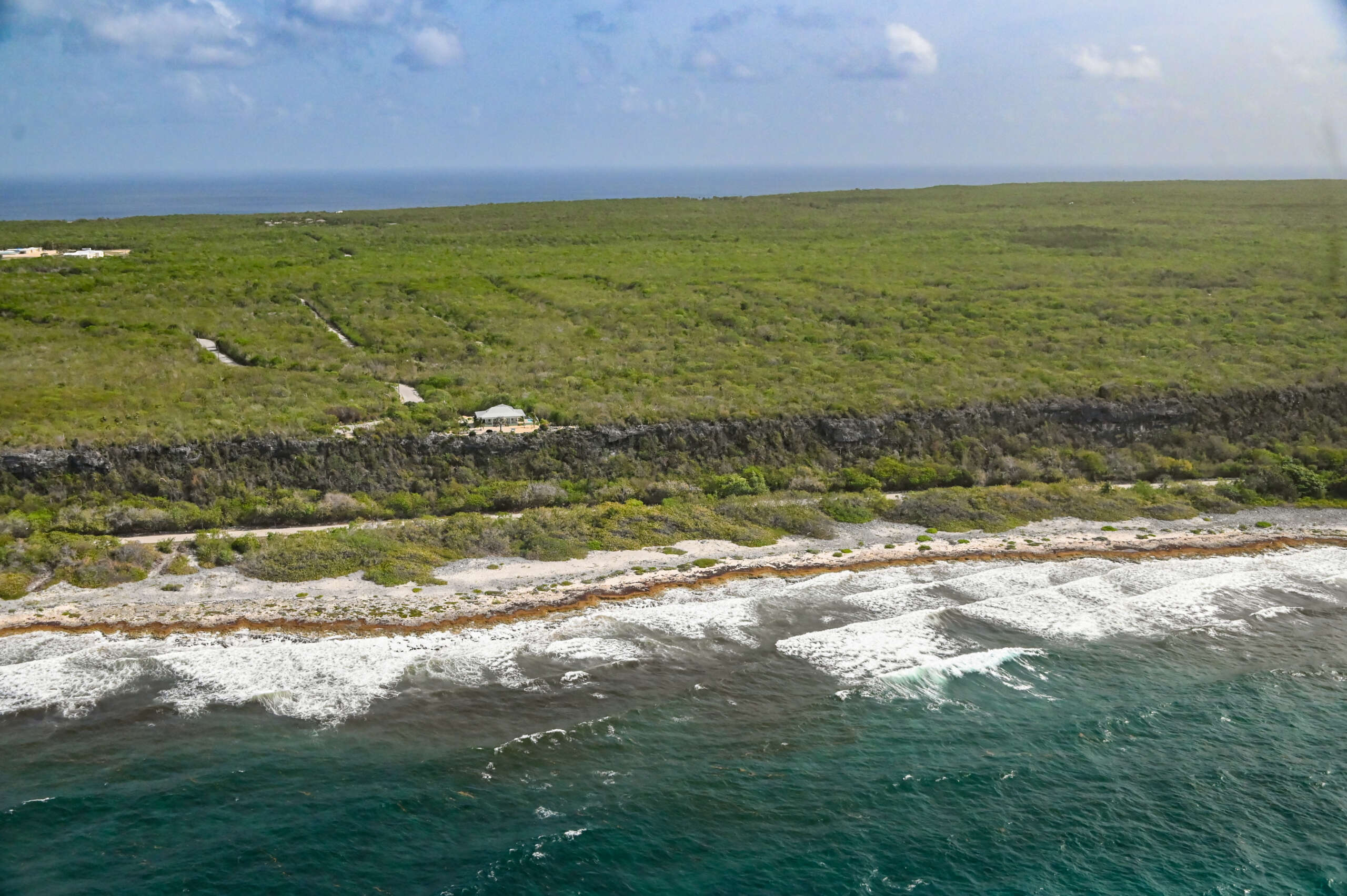
The National Conservation Council has offered its backing to a Cayman Brac non-profit seeking a stamp duty waiver on the purchase of land for preservation and public use.
The Ministry of Finance had asked the group for a guarantee that the two land parcels will be used for conservation purposes only before agreeing to the concession.
At its general meeting on 6 Dec., the council agreed to write a formal letter to the ministry supporting the Coast to Bluff Recreational Access and Conservation (CBRAC) bid.
Members also voted to sign a memorandum of understanding with the group to work together to establish the land as conservation areas once ownership has been transferred.
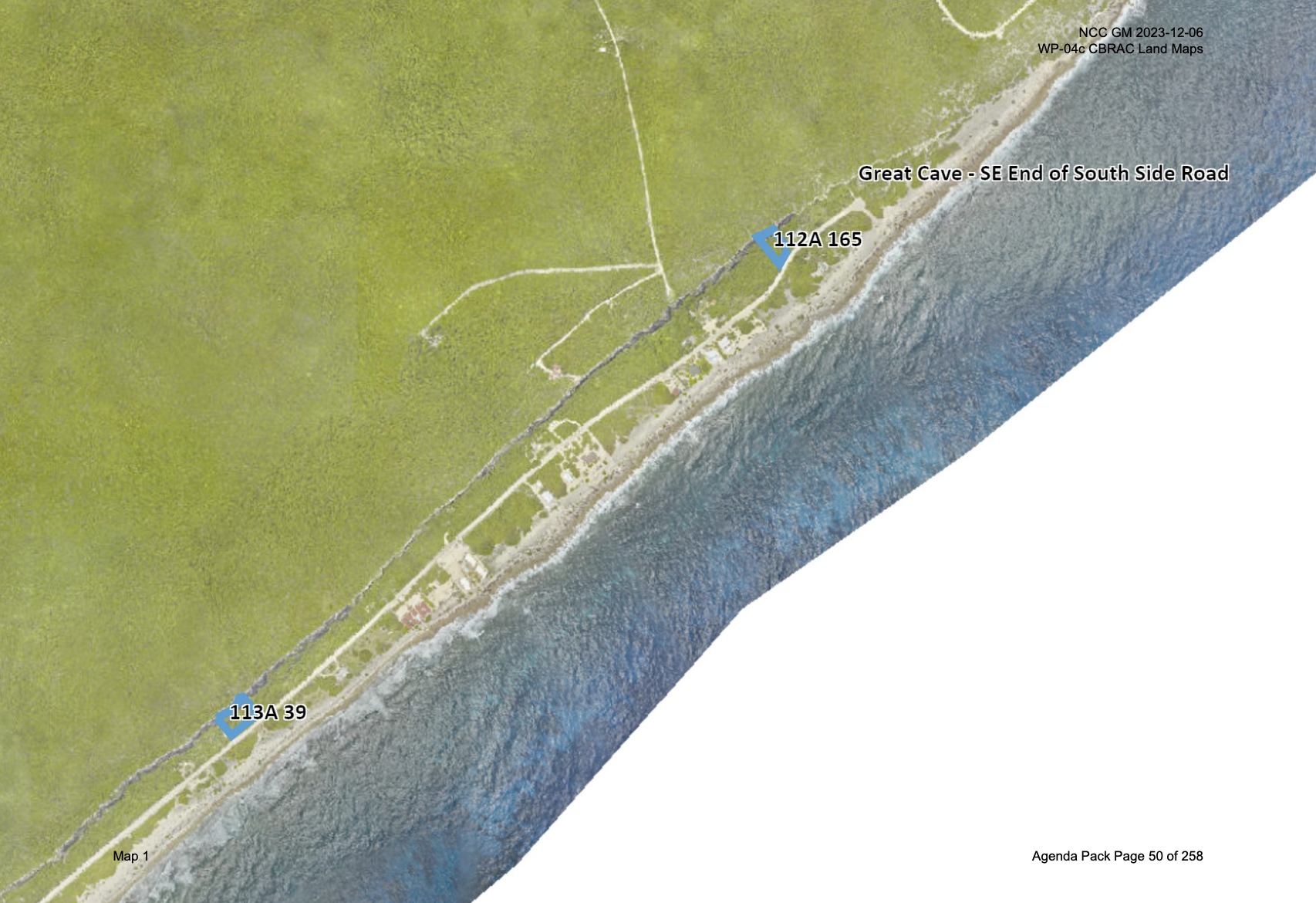
According to the National Conservation Act, 2013, conservation areas are plots of privately-owned land that are regulated by a conservation agreement.
John Bothwell, secretary of the National Conservation Council, said the MOU cannot bind Cabinet’s final decision on the creation of a conservation agreement.
“But it does set up as much guarantee as we think either CBRAC and the council can give to each other that this will go to a conservation agreement,” he said.
Bothwell stressed that nothing in the agreement would override any species conservation plans or other laws.
“But it would manage and govern what happens on this conservation area which will become a protected area under the law,” he said.
Guarantee needed
CBRAC was founded in the summer of 2021 with the aim of supporting conservation, education, ecotourism and recreational access to nature in the Cayman Islands.
In a letter to the council, director William Verhoeven said the group bought the parcels for “conserving native species and where appropriate, opening them to public use as nature parks”.
At the end of 2021, CBRAC applied to the Ministry of Finance for a waiver of stamp duty, and the ministry responded, asking for a guarantee the land would not be developed.
“This has created a challenge for us, as the title cannot be transferred to our name until the duty is paid or waived,” Verhoeven wrote.
“Therefore, it is difficult to pursue legal guarantees for land protection, for example a national conservation agreement, or legal covenants.”
He asked the National Conservation Council to assist by writing a letter to the ministry and agreeing to enter into a national conservation agreement once ownership is transferred.
Verhoeven said the group is looking to purchase a third piece of land and will continue to acquire land in the future with the vision of connecting them into adjacent natural areas.
“The project is funded entirely by donations for the purpose of providing a service to current and future Caymanians as well as visitors,” the director said in his letter.
Verhoeven explained that its mission is to protect the Bluff and coastal forests of Cayman Brac and secure permanent public access rights to recreational areas along the Bluff.
“We are doing this by creating nature parks that protect the beautiful and unique natural habitats of Cayman Brac,” he wrote.
“We envision an island of nature and humanity living in harmony with a deep connection to our natural heritage.”
Related Videos