


New year, same problems?
Well, kind of.
If the list of issues the Compass will be focusing on in 2024 looks familiar in places, that’s because some of the key challenges facing Cayman remain unaddressed.
In fact, pressing current issues, like the clash of interests between development, the economy and the environment, could have featured on any such list for the past 50 years.
Concerns about affordable housing, the balance of cruise and stay-over tourism, and the spending of public officials are equally perennial challenges that have remained unsolved for decades.
But there’s also more cutting-edge concerns in the new threats to the financial services industry and the global impact of exponential tech development on jobs – particularly AI and its potential to erode white-collar roles that are the bread and butter of Cayman’s middle class.
Similarly, new government energy around healthcare and immigration reform will attract attention and column inches in the coming year.
Today, we preview 10 key questions that Compass journalists will be focusing on in 2024.
How transparent is your government?
In 2024, the Compass will focus heavily on the effectiveness of Cayman’s Freedom of Information Act, using this tool to seek records that we believe should be routinely available to the public.
From ministers’ expenses to the minutes of board meetings and details of how public money is spent, a new Compass project will put important information in the public realm. We will also file FOI requests on behalf of readers, using our knowledge of the system to help those frustrated with the cumbersome process to get access to government records.
At the same time, the project will assess the responsiveness of different public bodies and the effectiveness of Cayman’s FOI regime.
We believe the public’s business should not be done in private, and will seek to play an even larger role in helping ensure transparency and open government in these islands.
Who pays for political campaigns and what do they expect in return?
As the 2025 General Election nears, we will put a renewed spotlight on the quiet movement of money in Cayman politics.
There’s nothing inherently wrong with businesses or wealthy individuals throwing their cash and support behind candidates, independent MPs or political parties. But the source of every cent should be known to voters. We will seek to reopen the debate about campaign finance rules, who spends money on political candidates and what those candidates can do with that cash.
We also challenge candidates for 2025 to commit to publishing their campaign donor information – whether the law compels them to do so or not.
Who will win the power struggle over Cayman’s energy future?
Cayman’s energy transition has been blighted by years of inertia.
The chance for that to change in 2024 is contingent on government, regulators and the Energy Policy Council getting to grips with the tangled web of conflicting interests in the power supply chain.
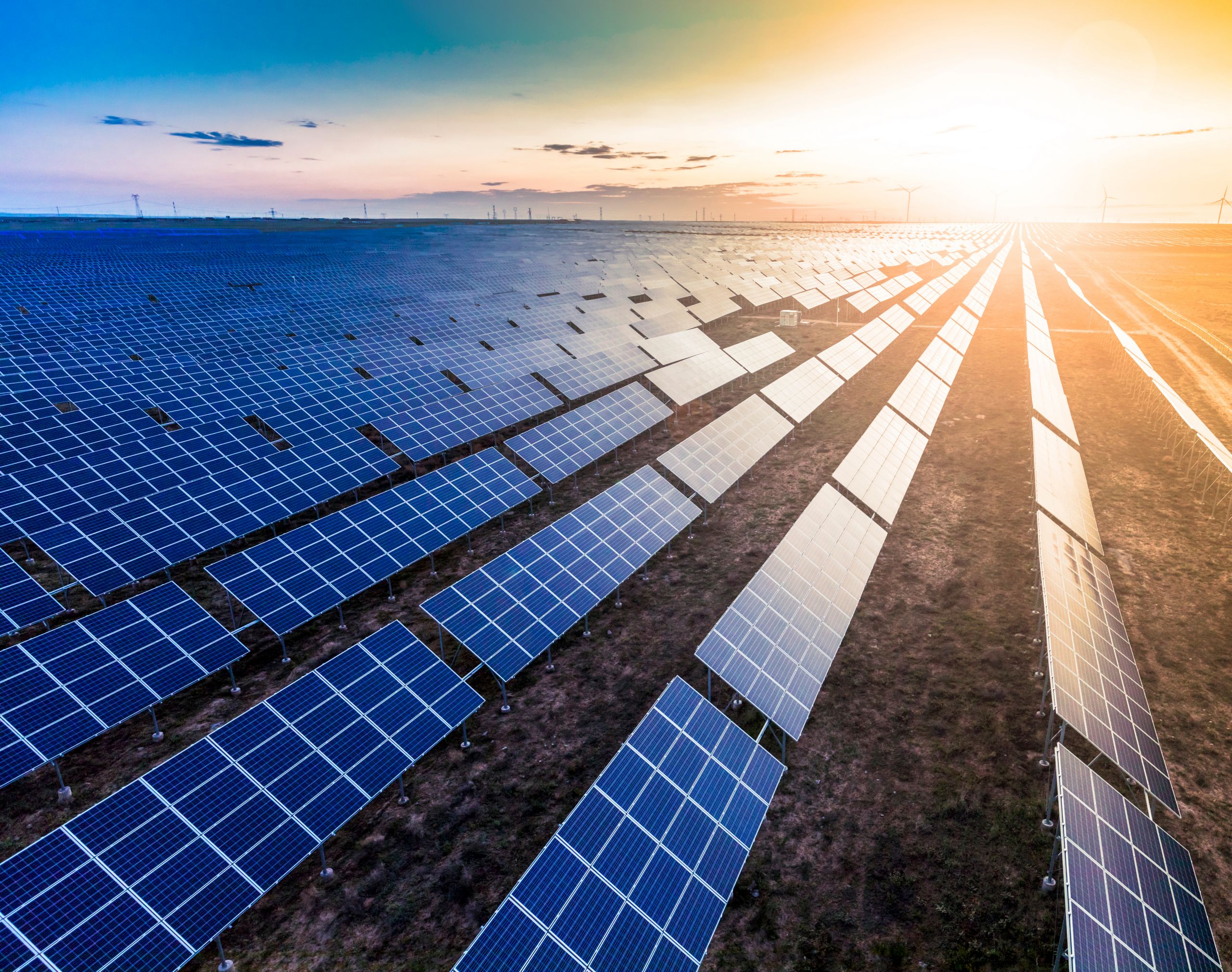
Despite increasingly ambitious targets in policy documents, these islands – blessed with year-round sunshine – lag far behind most of the developed world in solar energy adoption.
We will investigate and report on the challenges blighting Cayman’s energy transition, as well as the opportunities for the sector.
Can Cayman achieve affordable healthcare for all?
One only has to look at the vast amounts of cash being siphoned from government funds each year to pay for hospital care for the uninsured and under-insured to know that Cayman’s approach to funding and delivering healthcare is in need of reform.
An ageing population and advancing technology will only make healthcare more expensive in the coming years. A transformation in approach to focus on wellness and disease prevention, both for the good of public health and public finances, is overdue. Our reporting will examine issues with the current approach and examine solutions being proposed locally, as well as in the examples of other islands.
What will immigration reform look like?
With population analyses showing Caymanians in the minority on the islands for the first time in 2023, debate around immigration reform has intensified.
Premier Juliana O’Connor-Connolly signaled plans for a change in approach in her budget address, saying, “While we accept foreign labour will be required to maintain our economy, we do not accept that everyone who, upon their arrival, should be on an automatic pathway to citizenship.”

With the rhetoric ratcheting up ahead of a planned election, expect immigration to be a hot topic in 2024.
Has Cayman missed the boat on cruise?
As Tourism Minister Kenneth Bryan outlined Cayman’s cruise pier predicament during the budget debate, it may have been tempting for some on the opposite side of the house to say, ‘told you so’.
Bryan said, “People felt absolutely assured that the Cayman Islands was the jewel of the Caribbean cruise sector and ships had no choice but to stop here. In the years since the question of piers was last discussed, we have seen the cruise lines don’t have to stop here.”
His proposed solution is to resurrect the debate about piers and to finally put the matter to referendum.
But the controversial Verdant Isle deal is now off the table and it could take up to a decade for the islands – starting from scratch – to put together an alternate plan and bring it to fruition.

Meanwhile, the debate over ‘life after cruise’ and the possibilities for the tourism sector to embrace and benefit from the absence of mass market mega ships must still be considered.
Will a global minimum tax be a windfall or a pitfall for Cayman?
The protection and promotion of Cayman’s financial services industry remains a priority for the Compass and for the country. The sector is responsible for almost half of government’s income, providing enough funding to cover the civil service payroll, so its scope and influence spreads far beyond the board rooms of Camana Bay and Cricket Square.
With the money laundering grey list hurdle cleared, new challenges await, including the Global Minimum Tax rate initiative – which means that multinational companies that book profits in low-tax jurisdictions, including the Cayman Islands, will have to pay top-up taxes in the country where the profits were accrued, up to a minimum level of 15%.
It will be tempting for Cayman to do as Bermuda has indicated it will do and charge that 15% locally.
As part of our continued coverage of the threats and opportunities in Cayman’s core industry, we will examine that question and ask if the windfall would be worth the financial and reputational expense.
Where is the balance between protecting Cayman’s environment and building its economy?
With former Premier Wayne Panton’s ousting from government late last year, it appeared that an ideological battle within the independent group over priorities had been decided firmly in favour of development over the environment.
When the post-Panton budget was announced, there were $150 million in new borrowing and a list of more that $200 million worth of new projects on the cards. Several government members spoke of the need for a better balance, opining that Cayman had veered too far in the direction of environmental protection.
New Premier O’Connor-Connolly did announce an ambition to buy Barkers, however; though there was no indication of what that might cost or how it might be achieved and only $10 million was allocated for land purchases.
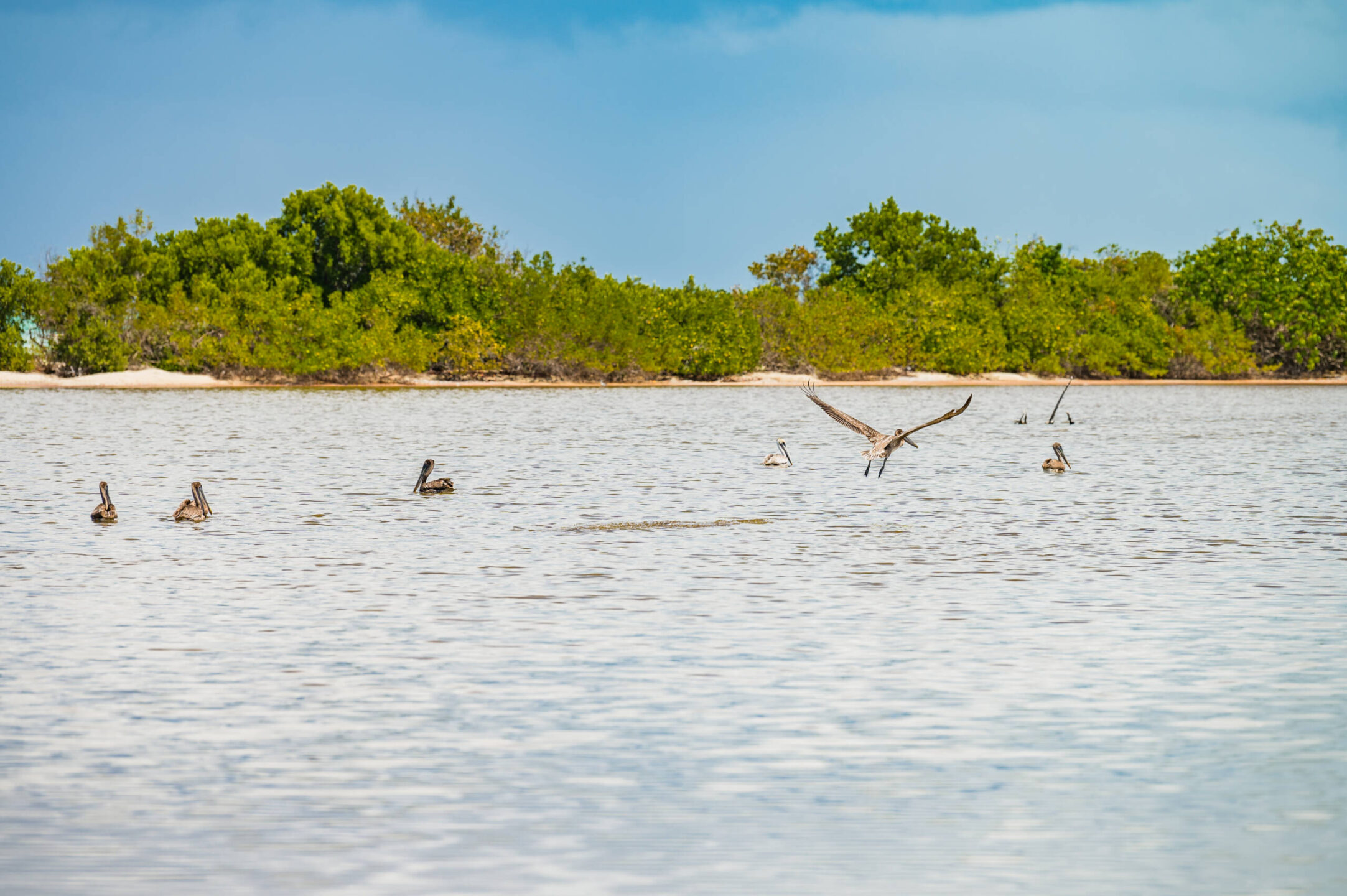
Opinions may differ on the right way forward, but the challenge for any government remains – to put in place a proper development plan that balances these competing interests and takes the doubt and subjectivity out of decision-making on building.
What will artificial intelligence mean for Cayman jobs?
Artificial intelligence will create a hugely reduced value for most white-collar workers over the next five years, according to Viktor Shvets, author of the ‘Global Rupture’ and a speaker at a recent Cayman investment conference.
Similar anxieties have been playing out on the business pages of newspapers across the globe amid concerns that artificial intelligence could impact white-collar jobs, including accountancy and law.
A UK Department of Education report published in November estimated that 10-30% of jobs could be ‘automatable’. The report sought to put a positive spin on this, suggesting it could ‘increase productivity’ and create new high-value jobs by subordinating rote tasks to machines.
How Cayman’s education and business model adapts to the demands of the new economy could determine whether the island is a winner or loser in the AI era.
A new era for the Sister Islands?
With a premier from Cayman Brac, Sister Islands issues could take centre stage. The budget already demonstrated a commitment to more spending, with a new high school, new government building and airport and hospital upgrades part of the plan.
New planes for the Brac and airport redevelopment in Little Cayman were also highlighted as necessary projects.
And while there may be accusations of ‘pork barrel’ spending – particularly in the $1.8 million for a new slaughterhouse – the funds flowing towards the Sister Islands prompt more existential questions about what the future holds for these two islands. Many of the same issues that are impacting Grand Cayman – including the need for development planning and environmental protection – could soon play out in microcosm on Little Cayman and the Brac.
- Share your thoughts on issues that the Cayman Compass should be delving into in 2024 with [email protected].
Related Videos












I wish Cayman Compass would add addressing the rise in crime to the list of important issues for Cayman. To be honest – it should be the most important issue of all – without safety – Cayman becomes just like every other Caribbean Island (ie Jamaica, Bahamas). The high cost of visiting/living on Cayman becomes less attractive to tourist and investors who would bring jobs and money.
As a student of history – I can assure you the future of Cayman will not be bright if crime is not addressed.
Government Transparency should be the number one topic of concern to all citizens, residents and businesses in Cayman. In my opinion, because if the people and businesses do not trust what the government is doing on their behalf, there will never be stability of either the government or the people.
One quick example is the issue of the new High School for Little Cayman. There may be perfectly justified reasons for construction of this facility, especially, for example there are plans for an increase in overall development there. But unless the government releases the third party business plan justifying the project, taxpayers will never know if the decisions was a good one, or a political one. I could go on and on, but I think readers get the idea. Hopefully, some of those readers are our Ministers.