


The pandemic and the grounding of Boeing’s Max 8 aircraft amid an international safety crisis contributed to multi-million-dollar losses for Cayman Airways over the past five years.
The national airline received more than $150 million from government but still lost $34 million during that time, according to analysis from the auditor general.
The border closure due to COVID-19 wiped out the airline’s income for close to a year and continues to impact revenues to this day, the report notes.
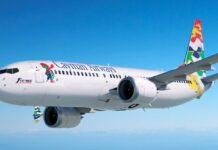
And two crashes in Indonesia and Ethiopia involving Boeing’s 737 Max aircraft led regulators to ground the planes for almost two years from March 2019 – shortly after Cayman Airways had signed up to lease four of those jets.
The airline – which was forced to lease alternate aircraft to cover its routes – was ultimately paid around $9.3 million in compensation for the temporary loss of its new planes, according to the auditor’s report, titled The Efficiency and Effectiveness of Cayman Airways.
Over the long term, those fuel-efficient jets are expected to cut Cayman Airways costs and help improve its financial performance.
While those two international crises took their toll on the national airline’s finances, the auditor general raises broader concerns about budgeting for Cayman Airways.
The report indicates that CAL is routinely given less cash than it requests from government and experiences millions of dollars in losses every year, which are then covered by supplementary appropriations or further cash injections.
“It is disappointing that Cayman Airways and the government do not set realistic budgets,” Auditor General Sue Winspear states in her report.
The auditor’s report makes it clear that the airline does create significant value for Cayman – estimated at more than $200 million annually.
Government’s annual payments are considered necessary to help bring high-spending tourists to the island and prevent US carriers from maintaining monopolies on key routes, that could make tickets more expensive.
“Cayman Airways provides an essential inter-island air bridge across the three islands, contributes over $200 million annually to the economy and played a crucial role during the COVID-19 pandemic,” the report states.
Performance hard to assess
The auditor emphasises that the airline’s role as a driver of tourism means its success or failure can’t be evaluated by its financial performance alone.
But the report notes that wider performance metrics lack clarity and timelines for implementation.
“It is difficult to measure CAL’s performance against its goals,” the report states.
The auditor also highlights a lack of clarity around what government’s funding to Cayman Airways is intended to cover, making it difficult for elected officials to hold airline chiefs accountable for its financial performance.
She calls for the ‘airlift framework’ – which sets out which routes are considered to be profitable for the airline versus strategic for the island – between the two parties to be urgently revised.

The report appears to suggest CAL should actually receive more money from government, particularly to subsidise travel to the Sister Islands.
“It is unclear why CAL is not fully funded for strategic domestic routes that provide essential lifeline services between the three islands.”
The auditor endorsed the process that Cayman Airways and government went through to select Los Angeles as a new route. Similar analysis was not done for the new Barbados route because of a funding guarantee from the Barbados government which ensures it will at least break even.
But the report highlights a need for closer ongoing monitoring of route effectiveness and better metrics to help determine if government’s funding is appropriate for routes it has deemed valuable for tourism reasons.
Despite the initial challenges with the Max 8 planes, the auditor highlights that Cayman Airways received favourable terms to lease the planes which have already started to deliver by providing better fuel efficiency and a wider range of possible destinations.
“CAL has realised all of the benefits it expected from modernising its fleet. This is commendable,” the report states. “CAL can further build on the opportunities the new aircraft offer, such as increasing baggage revenue from the increased capacity.”
CAL boss: ‘Cayman is the profit centre’
Cayman Airways CEO Fabian Whorms said the auditor’s report had covered a ‘transitional period’ for the airline which has been going through governance changes as well as coping with the impact of COVID-19 and the worldwide grounding of the Boeing 737-8 jets.
He said he was pleased, however, that the auditor had highlighted the value of the airline to the Cayman Islands generally.
“The report emphasises the airline’s tremendous positive financial impact on the Cayman Islands economy, with an economic contribution in excess of US$1 Billion over the review period, despite the impact of the covid pandemic,” he said in a statement to the Compass.

“This underscores the indispensable socio-economic value that Cayman Airways delivers to our Cayman Islands, in exchange for the government’s annual equity investments and output purchase funding.
“The report therefore highlights the successful use of Cayman Airways as a strategic tool for the Cayman Islands, whereby the country has been positioned as the profit centre, with the airline directing all its operational activities towards the benefit of the Cayman Islands, albeit at times negatively impacting the airline’s own financial performance.”
He said the airline endorsed the recommendations of the report around governance and fiscal responsibility improvements and was committed to implementing them.
He also accepted the auditor’s recommendations for refinement of the ‘airlift framework’ to help ensure “value for money is clearly articulated”.
Related Videos









It seems there is no clear budgetary process in managing the airline;s finances, either within the airline or within the Govt. The process in fact is what it always has been, CAL can dip into Govt’s honey pot whenever it needs to.