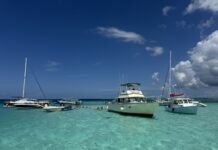
Is tourism not a pillar of these Cayman Islands? I would argue that it is the most important pillar as it relates to the average Caymanian.
There was a famous saying by US President Harry Truman, “Give me a one-handed economist. All my economists say ‘on the one hand… ’, then ‘but on the other… ’.” Having read the detailed assessment by Caribbean economist Marla Dukharan, I find myself torn by her thoughtful analysis and my experience of 30 years on several different Caribbean islands.
I do not doubt the importance and benefits to the Cayman economy by the financial sector. However, I don’t see the benefit to the average Caymanian in the way I see the tourism dollar shared throughout the Cayman Islands. The talent running banks, trust funds, mutual funds, wealth management, legal, accountancy, etc., are very well educated and pulled from all parts of the globe, because these companies can attract talent from the very best institutions and universities from around the world.
How could Cayman possibly compete educationally with a highly educated and mobile workforce? I would love to see more ‘knowledge-based’ training and less inequality, but these high-paying finance jobs require an educational infrastructure generally found in large countries with the best teachers, schools, curriculum and financing.
Can the Cayman Islands compete? I hope so, but it will probably be through well-funded private schools. The cost of this education (outside of scholarships) is beyond the pocketbook of most Caymanians.
Tourism, by contrast, feeds the whole community. The people employed to service this sector are expats and Caymanians alike. While expats do send money home, they must pay rent, buy groceries, pay local bills, etc., which circulates throughout the Islands. The beneficiaries of this money are Caymanian-owned companies and landlords.
The revenue from tourism really does trickle down into the community in ways that the finance sector does not. The finance sector may contribute more to GDP and government coffers, but that doesn’t help the average Caymanian meet their monthly expenses the way tourism revenue does. Having lived and worked alongside Caribbean people most of my life, I also question how many Caymanians have a passion for an MBA in finance or accounting? I applaud those with that passion and skill set, but there is no shame in customer service, business management, retail, healthcare, hospitality or a good trade.
Tourism is about people. These jobs can be very rewarding, although you’re not likely to amass great wealth as you would by crypto currency trading or managing an offshore portfolio of funds. Tourism, managed well, will serve these islands faithfully even when other pillars falter or new ones manifest.
Bob Nickoles
Related Videos