What are the chances that a person could end up with $4,020 worth of US bank notes sequentially ordered and still in mint condition?
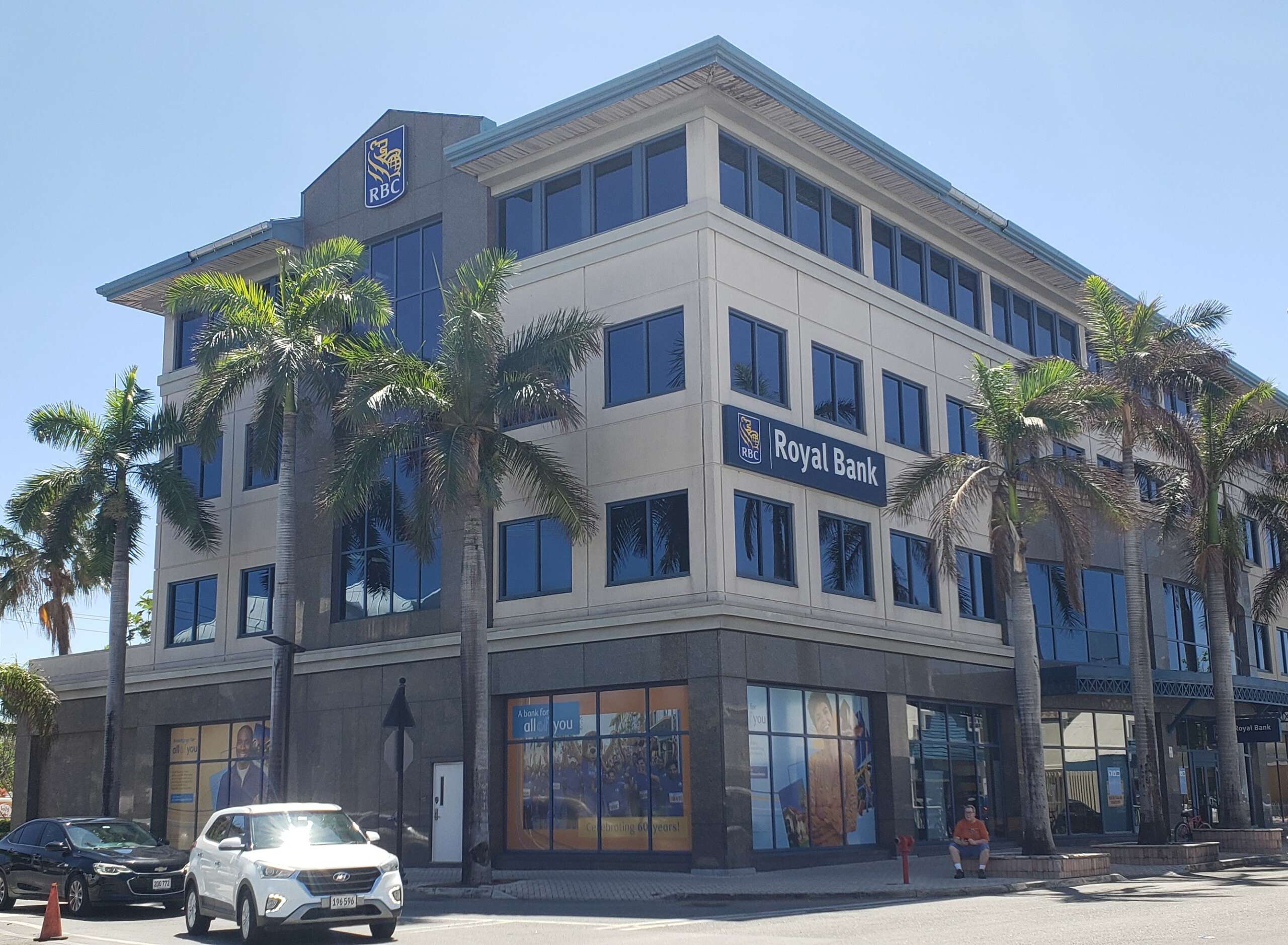
This was the question that prosecutors sought to answer during the ongoing trial of four people accused of being involved in a half-a-million-dollar burglary of the Royal Bank of Canada’s Shedden Road branch eight years ago.
The money was discovered in the possession of Eliza Webster, who together with her husband Elton David Webster were attempting to leave Cayman three weeks after the 22 June 2016 burglary.
“My experience is that while it is possible for someone to have a quantity of cash in mint condition and still sequentially ordered, they must have had it dispersed from a teller or a machine,” said Deborah Ebanks who has headed CIMA’s currency division for the past 15 years.
Ebanks, while giving evidence on Monday, 25 March, told the jury of five men and seven women that, in most instances, money in mint condition is quickly circulated once it reaches the hands of consumers, and very rarely would someone be found with such quantities of sequential bills in such good condition.
During cross examination, defence lawyers pointed out that it is not uncommon for individuals to come into possession of large amounts of banknotes in mint condition that are sequentially ordered, such as when a person withdraws money to purchase a car.
“Another example is the fact that I have just received two US$20 bills both in sequential order, and very good condition,” said Amelia Fosuhene. “I am now going to give them to Mr. (Crister) Brady and, just like that, the money has passed from a teller at the bank and through the hands of two attorneys to a third, and the money is still in sequential order and in the same condition.”
She added, “So it is possible for money to be circulated by numerous people and still maintain its condition.”
The example was accepted by Ebanks, who noted that each scenario was plausible.
The US$4,020 in question was part of more than $7,000 that was taken from Eliza Webster at the airport, and eventually resulted in her being charged with possession of criminal property.
Subsequent investigations showed that the US bank notes found in her possession were issued by the US Federal Reserve and transferred to a Miami-based Bank of America before being shipped to RBC’s Shedden Road branch 15 days before the burglary.
When asked how she came into possession of the money at the time of her arrest, she told officers that she had collected the cash from her personal savings and loans from her parents and friends.
Subsequent investigations would later reveal that phone data placed Elton Webster in constant contact with David Samuel Bodden Jr. and Statan Omar Clarke – the other two defendants. The three men are jointly charged with burglary.
Bodden, who was employed with the bank at the time of the well-planned theft, is said to have been the inside man who provided information on where the money was stored and how to access it.
A total of CI$464,910 and US$126,187 was stolen from cash-dispensing machines at the bank. Apart from the $4,020 seized by officers, the money was never recovered.
All four defendants have denied the charges against them and remain on bail.
The trial continues before Justice Roger Chapple.
Related Videos