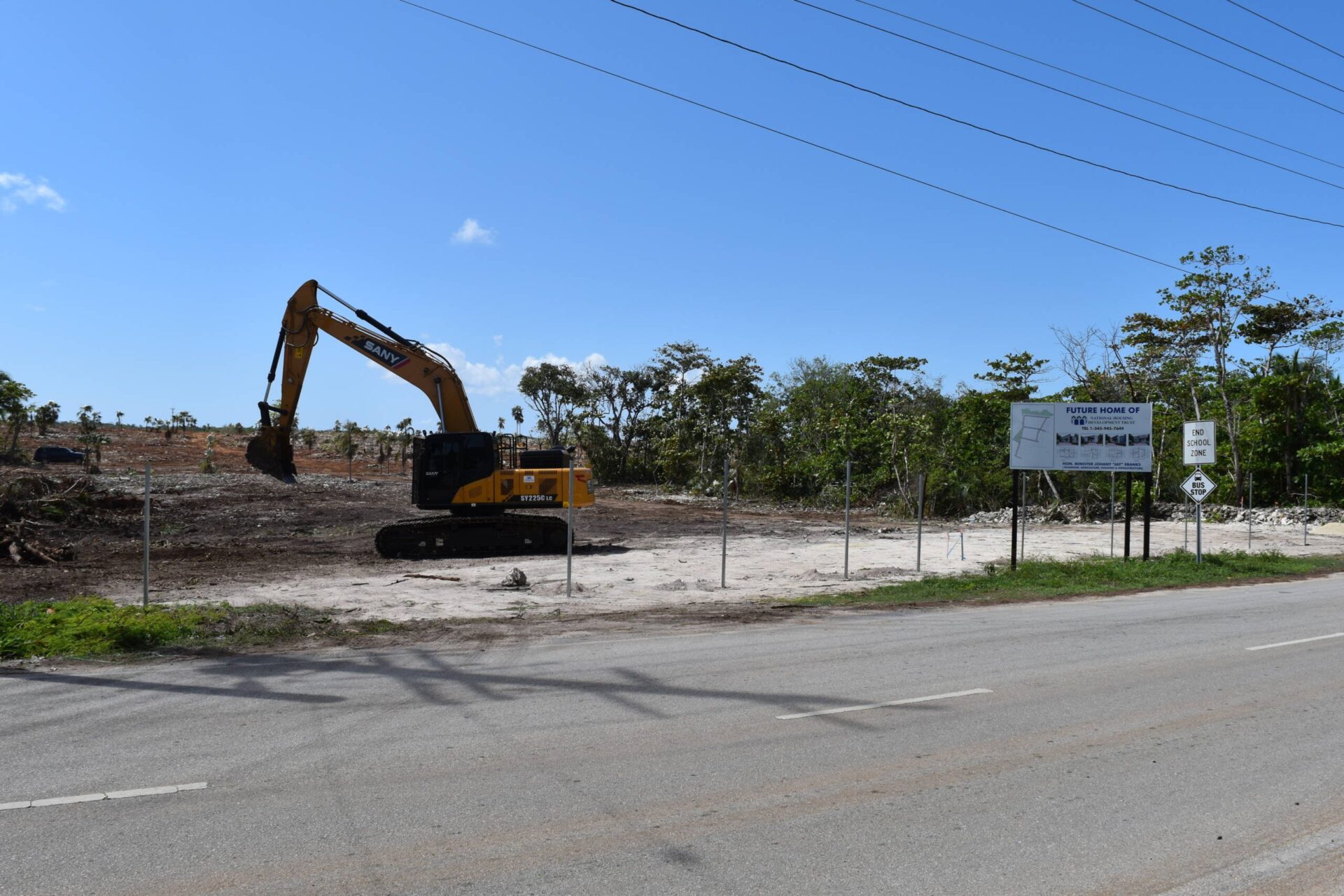
Days after a decision was made to truck hundreds of tons of vegetable matter to a non-profit farm, the board chairman of the National Housing Development Trust began diverting the material to land belonging to himself, his father and others, a court has heard.
Once Geoffry Ebanks began sending the trucks to sites other than Beacon Farm in North Side, he came under public scrutiny, as rumours of breach of trust and theft swirled in the community, a Grand Court jury was told on Tuesday, 2 April.
The housing trust’s general manager, Julio Ramos, told the court that those rumours had prompted him to investigate the matter by checking the trucks’ dispatch records.
“I was able to confirm that several truckloads of material were, in fact, sent to land belonging to the chairman,” said Ramos, who added that he did nothing with the information when it came to his attention.
During his fourth and final day of giving evidence on Tuesday, Ramos told the court that the initial decision was to have all the material trucked to Beacon Farms, which was located a few miles south of the government low-income housing site in North Side.
But despite the decision to donate the material to the North Side charity, so it could be mulched and turned into compost, details revealed during the trial show that the board had also agreed that farmers and/or persons in the community who expressed an interest could be given some of the material.
As such, Ebanks, 56, of North Side, through his attorney Oliver Grimwood, asserted that he had done nothing wrong.
Pointing to WhatsApp messages between Ramos and Ebanks, Grimwood noted that Ebanks had expressed an interest in getting some of the material.
“Why did you not say to him, ‘No, Mr. Ebanks, you cannot have any of the material’, or ‘No, Mr. Ebanks, this material is only for Beacon Farms?’” asked Grimwood.
Ramos said he didn’t dissuade Ebanks from having the material trucked to his private property, nor did he confront him on the matter after he confirmed the diversions.
“I’m not sure why I didn’t do anything about it… I can’t say if it was because at the time I didn’t see anything wrong with it or if it was because I just thought it was for him to raise it, as the onus should be on [him] since he is the person who wants it,” he added.
Ebanks, on trial for the diversion of the fill material, accepts that he transferred 60 truckloads of the fill but denies any wrongdoing.
During the cross-examination of Ramos, Grimwood flagged that upon discovering Ebanks was transferring dozens of truckloads of the material to other locations apart from Beacon Farms, Ramos had several opportunities to raise the matter with the project committee or even with Ebanks – but chose not to.
“The reason why you never raised the issue was because… it was never an issue to begin with, and you believed that Mr. Ebanks was allowed to take some of the vegetable matter as a farmer himself,” stated Grimwood. Ramos agreed.
The case against Ebanks is that by taking the vegetable matter without first obtaining permission from the board, he had violated his duty as chairman, which resulted in the charges of conflict of interest and breach of trust.
Ebanks remains on bail while the trial continues before Justice Cheryll Richards.
Related Videos