While both the prosecution and defence attorneys in the breach of trust trial of Geoffry Ebanks agreed he is no ‘evil mastermind’, that was where their common ground ended as they made their closing arguments on Monday.
As the trial wrapped up in Grand Court, Crown counsel Sarah Lewis claimed Ebanks had exploited his position to divert fill material intended for a charity to his own land.
Meanwhile, Oliver Grimwood, the defence attorney for Ebanks, insisted he never had ulterior motives and had done his best to follow what he believed to be the correct protocol in a difficult situation.
Ebanks, of North Side, faces one count of breach of trust by a public officer and another charge of conflict of interest.
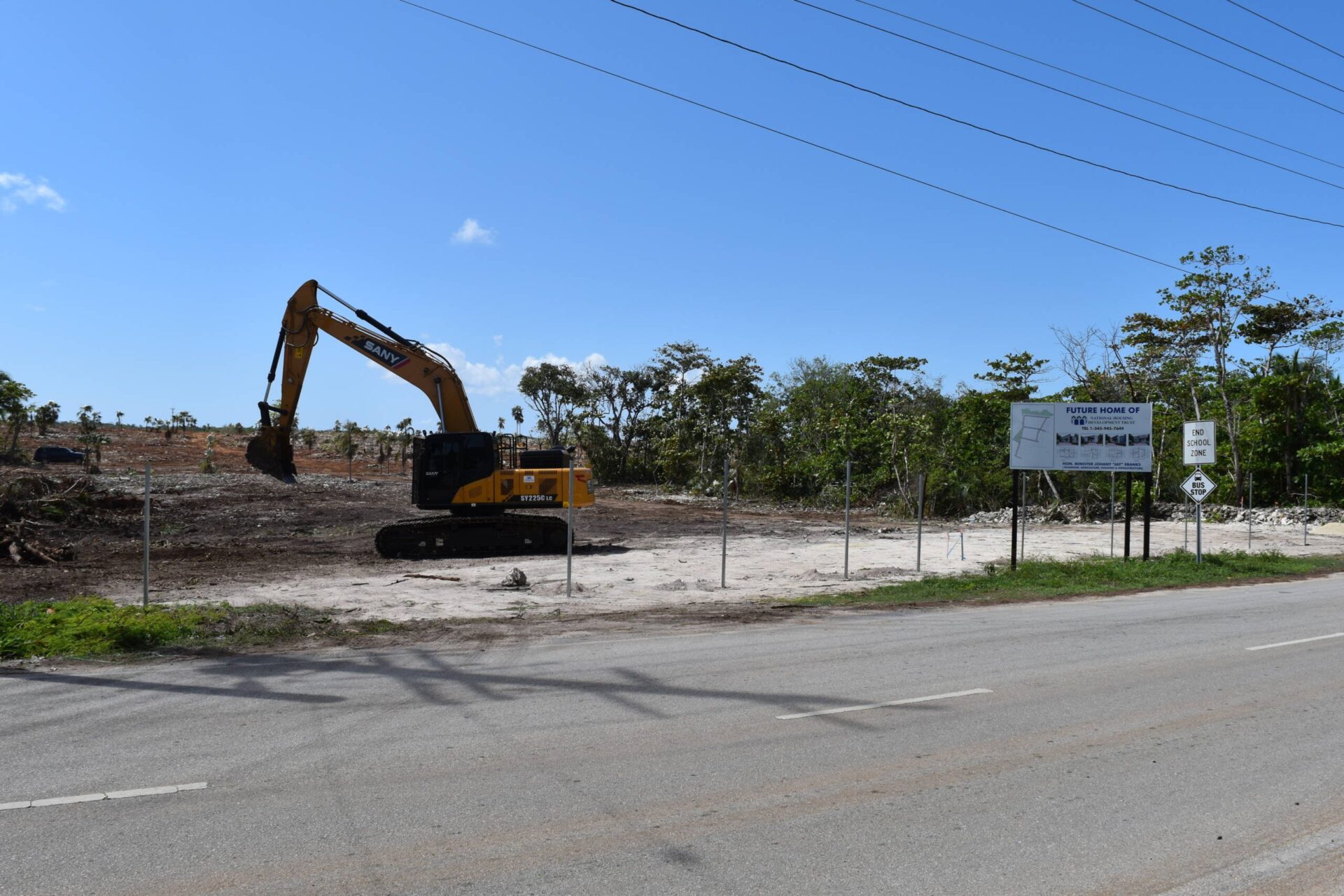
The charges stem from the redirection of 60 truckloads of fill and compost material removed from a North Side low-income housing site. The material was destined for the non-profit Beacon Farms. However, some of it was trucked, at the government’s expense, to properties in which Ebanks had a vested interest.
Throughout the trial, Ebanks accepted that he took the material but maintained his innocence.
‘What he did was wrong, and not fair’
According to prosecutor Lewis, the two-week trial was about presenting bits and pieces of evidence that, much like a jigsaw puzzle, provide a clear picture of Ebanks’ guilt when fitted together.
“This case was about fairness, not some evil mastermind setting out to steal from the National Housing Development Trust,” said Lewis, who added that the reason behind Ebanks’ decision to redirect the fill and composite material, whether from a place of genuine good intentions or not, pales in comparison to the fact that he was not allowed to do what he did.
“He used his position, his office, to divert material meant for a charity, of all places, to his land,” she told the jury.
The prosecution’s case is that Ebanks was acting in the capacity of a public officer, through his role as the chairman of the board of the National Housing Development Trust, which placed upon him a duty to declare his interest in the fill/composite material.
“After making such a declaration he should have recused himself from all decisions about the material,” said Lewis.
She added, “Mr. Ebanks signed a conflict of interest document, he read it, and agreed to be bound by it… so for any public official to plead ignorance is absolute hogwash.”
When calling on the jury to return guilty verdicts, Lewis stated that their role was to help hold officials in public offices accountable.
Ebank’s actions must be viewed in context
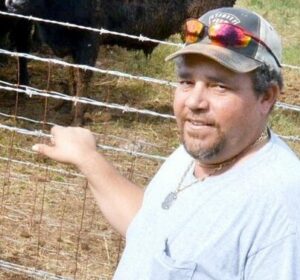
In his closing, defence attorney Grimwood told the jury that they should first consider the context in which Ebanks’ actions arose.
According to Grimwood, the prosecution failed to demonstrate that Ebanks had a hidden desire to get some of the fill/composite material for himself.
“During a board meeting, in which Mr. Ebanks was present, they unanimously agreed that instead of dumping the material at the landfill it should be donated in its entirety to Beacon farms,” said Grimwood.
The jury was told that if Ebanks truly had ulterior and selfish motives for the fill, he could have voiced doubts about Beacon Farms receiving all the material, or even encourage the board to approve that private farmers be given a portion of the material.
Grimwood added that it was only when Beacon Farm’s processing area became full, and they were temporarily unable to receive any more material, that Ebanks began receiving it.
“As soon as Beacon Farms could resume receiving loads they were sent back to them,” said Grimwood.
When calling on the jury to return verdicts of not guilty, Grimwood said that Ebanks was not a robber trying to stake out his target but, instead, he was simply a man trying to follow what he understood to be protocol.
“If [the operator] at Beacon Farms had not left, and the site had not become backlogged, there would have been no need for Mr. Ebanks to try to assist, and we would not be here today,” said Grimwood.
‘I may have made a mistake’
Taking the stand to give evidence in his defence during the latter portion of last week, Ebanks told the jury that his only goal was to prevent the project from stalling as he was under great pressure to deliver homes not just in North Side but also in East End.
“I will admit that I may have made a mistake, but I didn’t intentionally do anything to benefit myself in any way,” Ebanks had said.
He added, “I was trying to do something to help people, help the country, help the district.”
Justice Cheryll Richards, who has been presiding over the case, is expected to release the jury to begin their deliberations some time on Tuesday, 16 April.
Ebanks remains on bail.
Related Videos