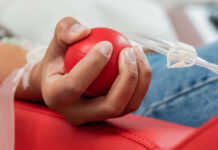
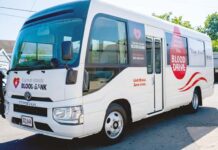
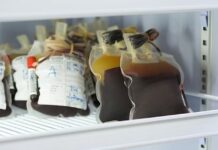
The lifting of Cayman’s ‘mad cow disease’ ban on blood donations has led to an uptick in donors at the local blood bank.
The Cayman Islands government lifted the decades-old ban in late September last year. During that month, 143 units of blood were donated. The following month, donations jumped to 194.
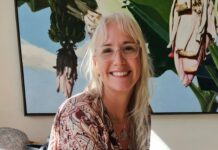
Kristina Battad-Miranda, medical technologist at the Health Services Authority’s blood bank, told the Compass, “The support from British residents is tremendous since we lifted the ban, and they are happy to know that they are now able to donate blood here in Cayman.”
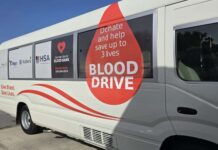
With Cayman’s growing population, and a whole new tranche of donors opening up with the lifting on the ban, the blood bank has been holding more blood donation drives.
Battad-Miranda said since the ban was lifted, there has been an “increase in the donor pool, increase in the number of ‘O Rh Negative’ donors and increase in the number of blood drives”.
O Rh Negative is the universal blood type, meaning it can be received by patients of any blood type.
Previously, the blood bank had been holding one blood drive a month, but since the ban was lifted, it has been holding them once a week.
Between September 2023 and March 2024, the blood bank has received 990 units of blood from donors. Battad-Miranda says this is a “significant increase” over the same period in previous years.
For years, whenever the blood bank or hospitals put out an appeal for donors, it inevitably led to a litany of complaints from former residents of the UK, who said they would’ve been more than willing to donate blood but were not allowed to do so.
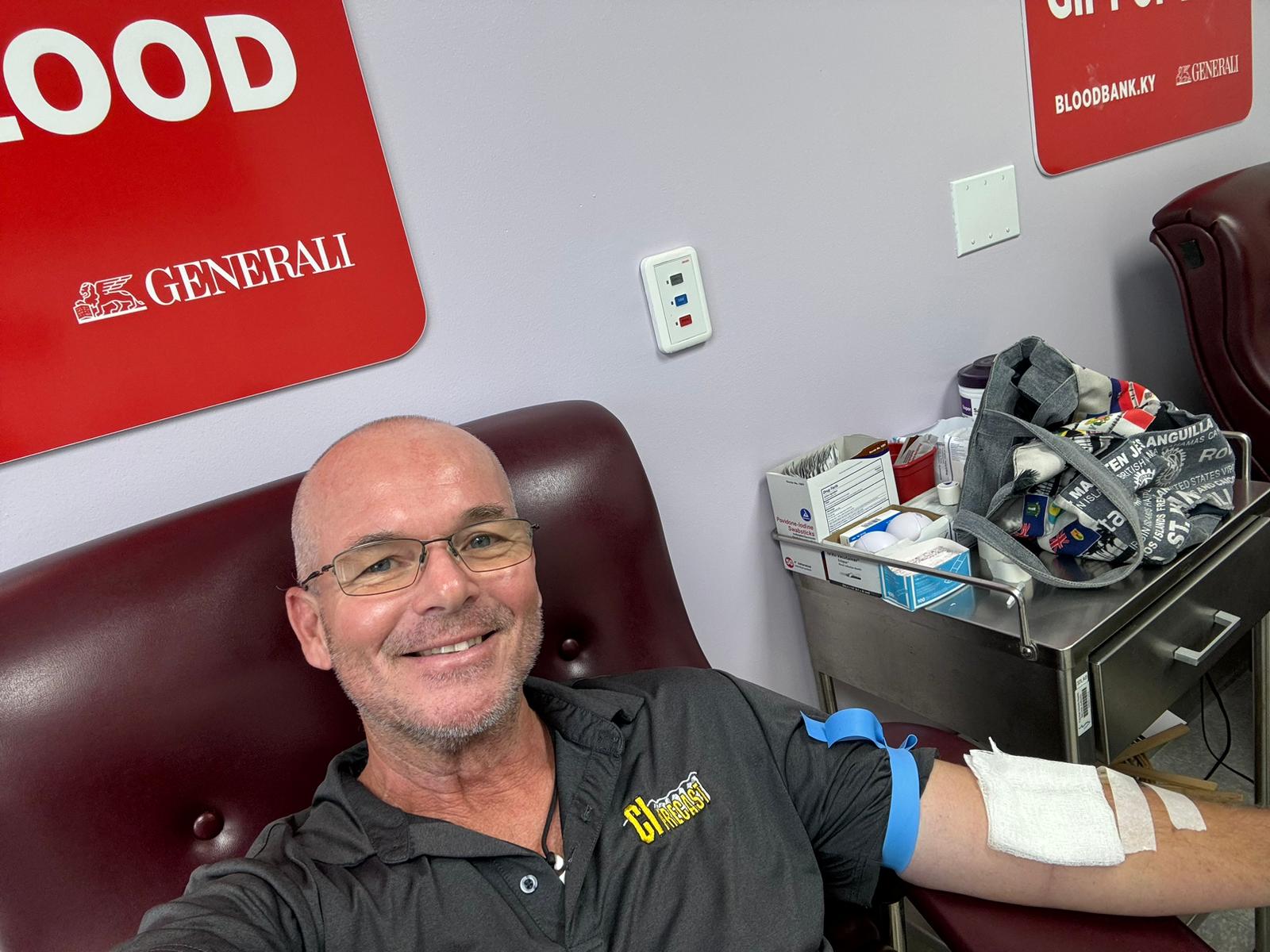
One British donor, Steve Tippetts, gave blood at the end of January and plans to return to give more blood at the end of this month.
“I’m really pleased that the restrictions have been lifted. My blood is the universal donor and I’m happy to be able to start donating again,” he said.
He added, “I believe that the restrictions lasted too long and penalised the blood donors unnecessarily especially as I technically only lived in UK for about three months of the dates.”
Corporate blood drives
As well as people donating blood at the Cayman Island Hospital, where the blood bank is located, many corporate offices are also organising their own blood drives, Battad-Miranda said.
She says this is proving to be “more convenient for them, especially now that the traffic is horrendous”.
She added, “We also had a great response from the British nationals, and everyone wanted to be part of a good cause in saving lives.”
According to the Cayman Islands Blood Bank, each year, more than 500 residents require blood transfusions, and this need is rising as Cayman’s population continues to grow.
It takes about 10 minutes to donate blood, and each donation could save up to three lives, the blood bank says.
Despite the occasional appeal over social media for certain types of blood to be donated to help in specific cases, the blood bank confirmed that is the primary provider of blood and blood products to meet the demands of all hospitals in Cayman.
“Hospitals operating on the island rely solely on the Cayman Islands Blood Bank for their blood and blood products. This ensures that the blood supply is consistent and meets all necessary standards for transfusion,” a spokesperson said.
What led to the ban?
The ban was put in place – not just in Cayman but in many countries – following fears that people who had lived in countries affected by bovine spongiform encephalopathy, commonly known as ‘mad cow disease’ or BSE, could be unknowingly infected with the related variant Creutzfeldt-Jakob disease, and therefore were not considered to be suitable blood donors.
Previously, anyone who had lived in the United Kingdom from 1980 to 2001 for a period of three months or more, or who had received a blood transfusion whilst in the UK from 1980 onwards, was not allowed to donate blood at Cayman’s blood bank.
That policy was changed on 22 Sept. 2023.
A statement from Cayman’s Ministry of Health and Wellness at the time noted, “An assessment of the current risk, along with existing controls for blood donors, allowed several countries to revisit similar policies. While humans cannot contract BSE, eating beef from a cow that has BSE can trigger variant Creutzfeldt-Jakob Disease, or vCJD, which causes progressive and ultimately fatal brain damage.”
Mad cow disease was first recognised in the UK in 1985, before being found in several other European countries and worldwide. The human version of the disease, vCJD, was first detected in the UK in 1996.
The blood-donation ban was introduced in 1999 after it emerged that 18 of the 178 vCJD cases in the UK had donated blood that was subsequently used in 67 blood transfusions. Three deaths from vCJD were linked to blood transfusions between 1996 and 1999 that involved blood from two donors who died from the disease within one to three years of their donations, according to the US Food and Drug Administration website.
The UK is the only country where the disease has been found to be transmitted via a blood transfusion, the FDA noted.
The last reported case of the disease being transfusion-transmitted in the UK occurred in 2006.
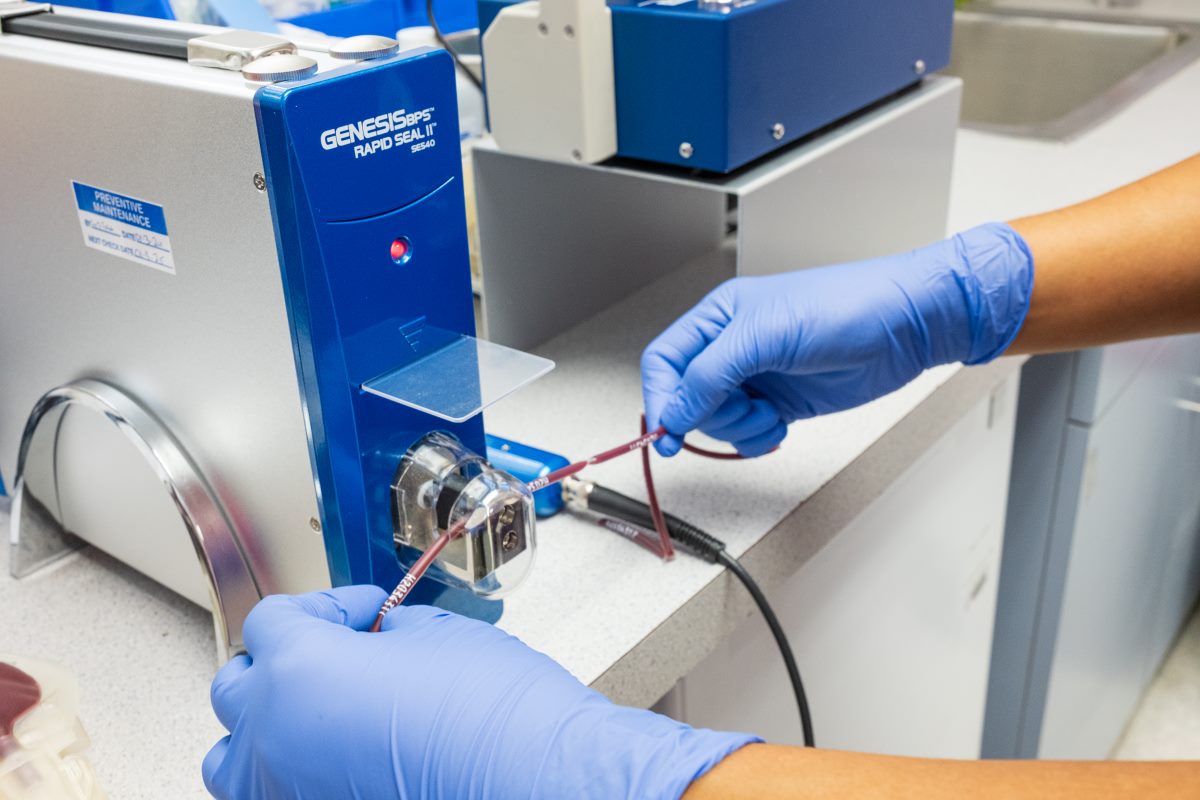
Blood donation equipment gift
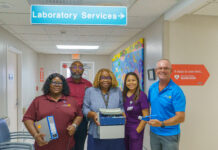
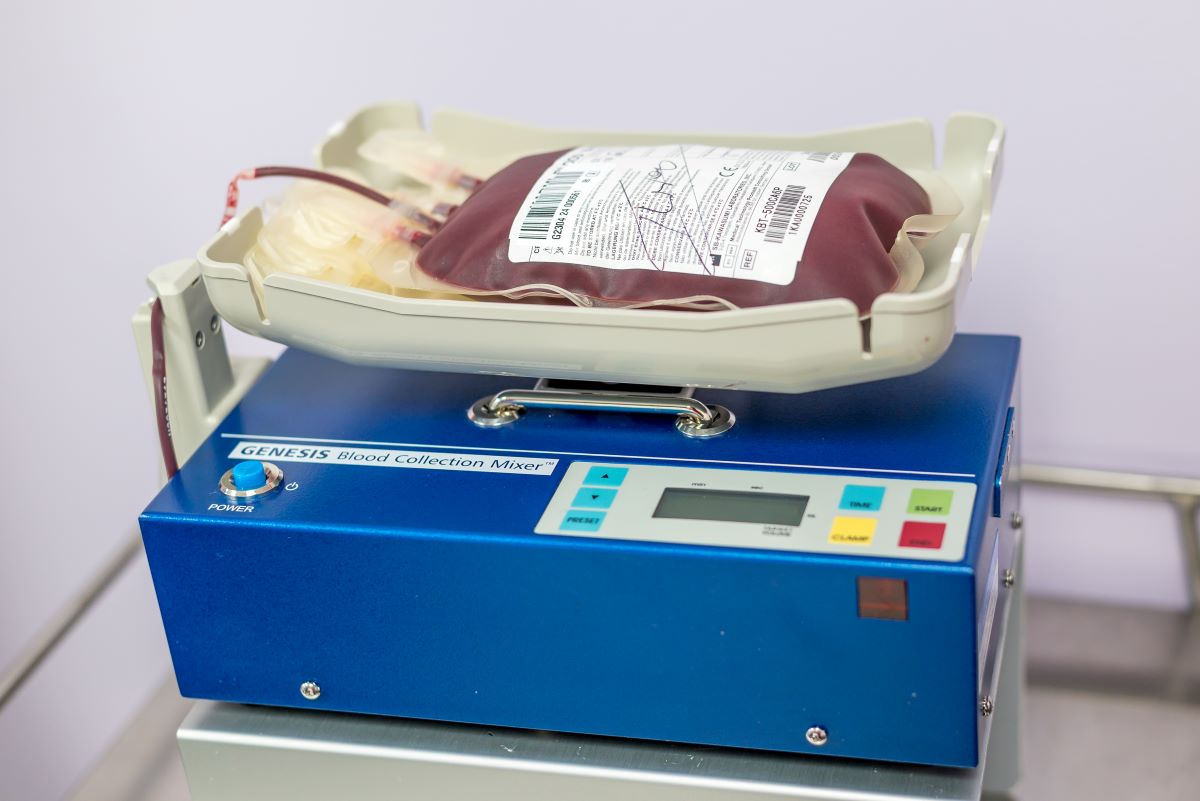
The HSA said the efficiency of collecting blood was recently given a boost with the purchase of a Genesis Rapid Seal II Tube sealer and Genesis Blood Collection Mixer, following a donation by Car City and Jeep 345.
The sealer enables the blood bag tubing to be sealed in one second, and is compact enough to be carried to mobile blood drives. The mixer mixes blood with anti-coagulants in the blood bags during blood collection, can pre-set the amount of blood to be collected, and is also lightweight with maximum portability.
Related Videos