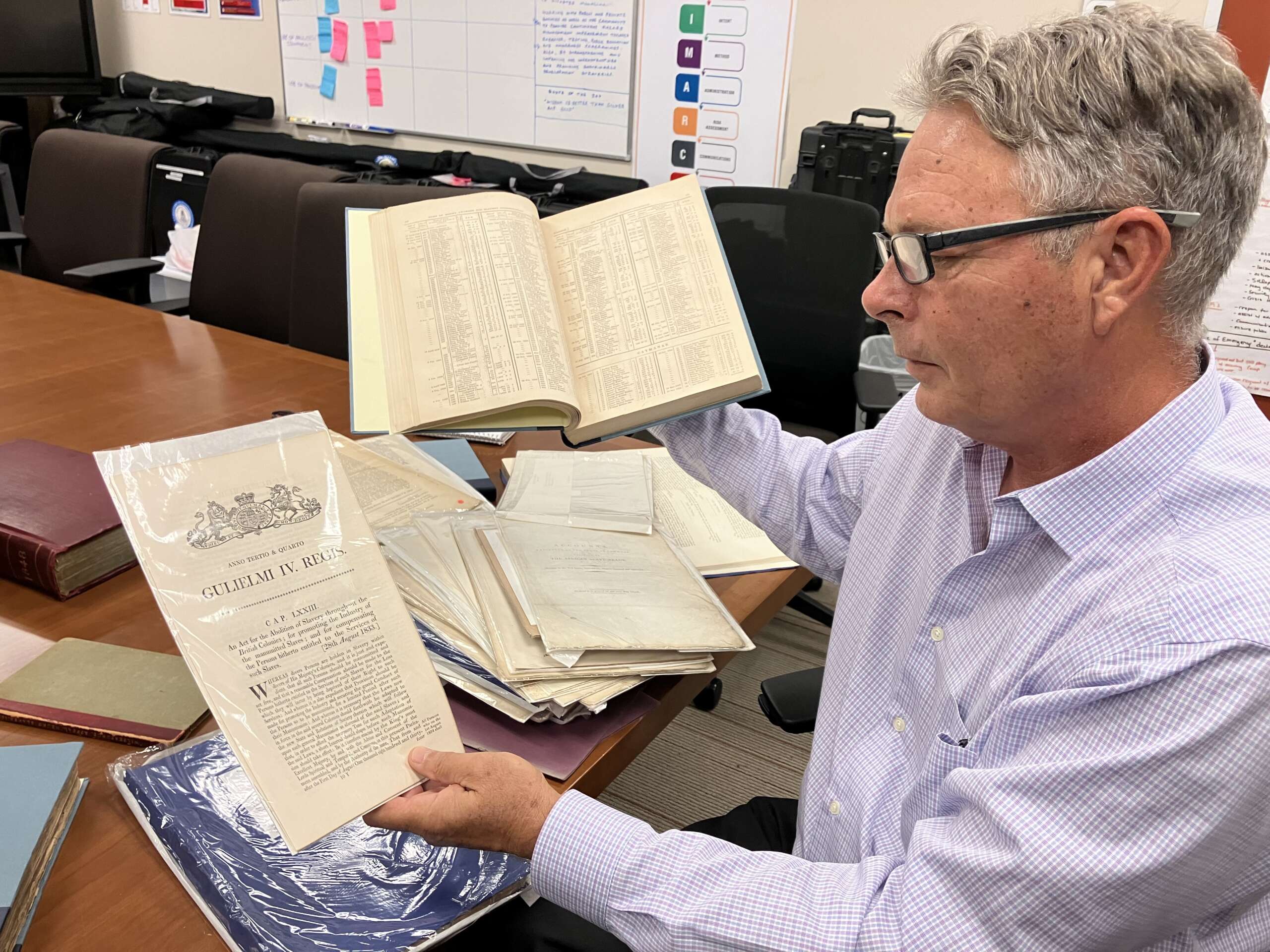
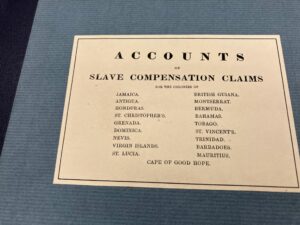
In a slim blue book of yellowing pages, the literal price of freedom is laid out in pounds and shillings.
Page after page list the names of slave owners across 19 British colonies in the Caribbean, the number of slaves they owned and the amount they were to be paid in compensation.
The book – ‘Accounts of Slave Compensation Claims’ – was produced by the House of Commons as a permanent record of the £20 million (equivalent to £1,208,340,000 today) paid out by the Bank of England after abolition.
The grim accounting of the trade in human beings – and the enormous pay-offs that brought it to an end – includes two pages of entries for the Cayman Islands.
The accounts detail around £20,000 that was paid to slave owners in Cayman.
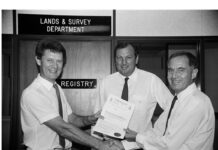
A copy of the rare book was acquired by journalist and history enthusiast Simon Boxall.
It is part of a number of historical documents and artefacts that Boxall has collected over several decades.
He said it was quite shocking to see the stark reality of slavery laid out in such cold economic terms.
But he hopes the book – and other documents – will help give new generations an insight and interest in the history of Cayman.
The greater part of the collection had been acquired by the Cayman Islands National Museum ahead of Emancipation Day.
Also included is a copy of the original Act for the Abolition of Slavery from the British Parliament and a select committee report on the slave trade, with some of the detailed accounts of life on plantations in the West Indies that helped persuade MPs to vote for abolition.
One unique artefact is correspondence between a reverend in the Corn Islands off Nicaragua and the British government in which he unsuccessfully pleaded for compensation for his freed slaves and is informed – to his apparent surprise – that those islands were not a British colony.
“We are not aware of any claim you have on the British government,” it states.
The extract is particularly fascinating, says Boxall, because of Cayman’s maritime links to the Corn Islands and the vague administrative status of Cayman itself during abolition.
It wasn’t entirely clear, at the time, that Cayman would be treated as a fully fledged British colony.
Boxall recognises a certain reluctance within Cayman to talk about the dark side of its past. But he believes the documents have value and should be widely available.
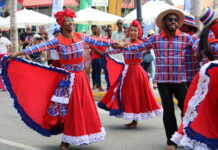
He said he had always been fascinated by Cayman’s unique and interesting history and believes that commemorating Emancipation Day is an important new milestone for the islands.
While Cayman was one of the few colonies that had marginally more free people than slaves at the time of abolition, in contrast to other islands which typically had around 10 slaves for every free person, Boxall argues this does not diminish the impact it had.
“It was a part of our history and there are many people in Cayman who likely share the genes of both the enslavers and those who were slaves.
“Cayman is an incredible and diverse and beautiful place to call home, and it is okay and good to acknowledge our past and reflect on what has brought us to this point in time.”
Related Videos