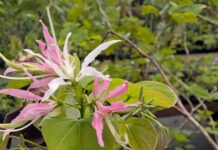
The pale yellow and violet blooms of Cayman’s iconic national flower, the wild banana orchid, are now on display for visitors to enjoy this summer at the Smithsonian Gardens Orchid Collection in Washington, DC.
The Gardens, in a social media post earlier this month, noted: “We welcome summer in the Smithsonian Gardens Orchid Collection with this cheery specimen, Myrmecophila thomsoniana. This species is only naturally found on the Cayman Islands, where it is the national flower.”
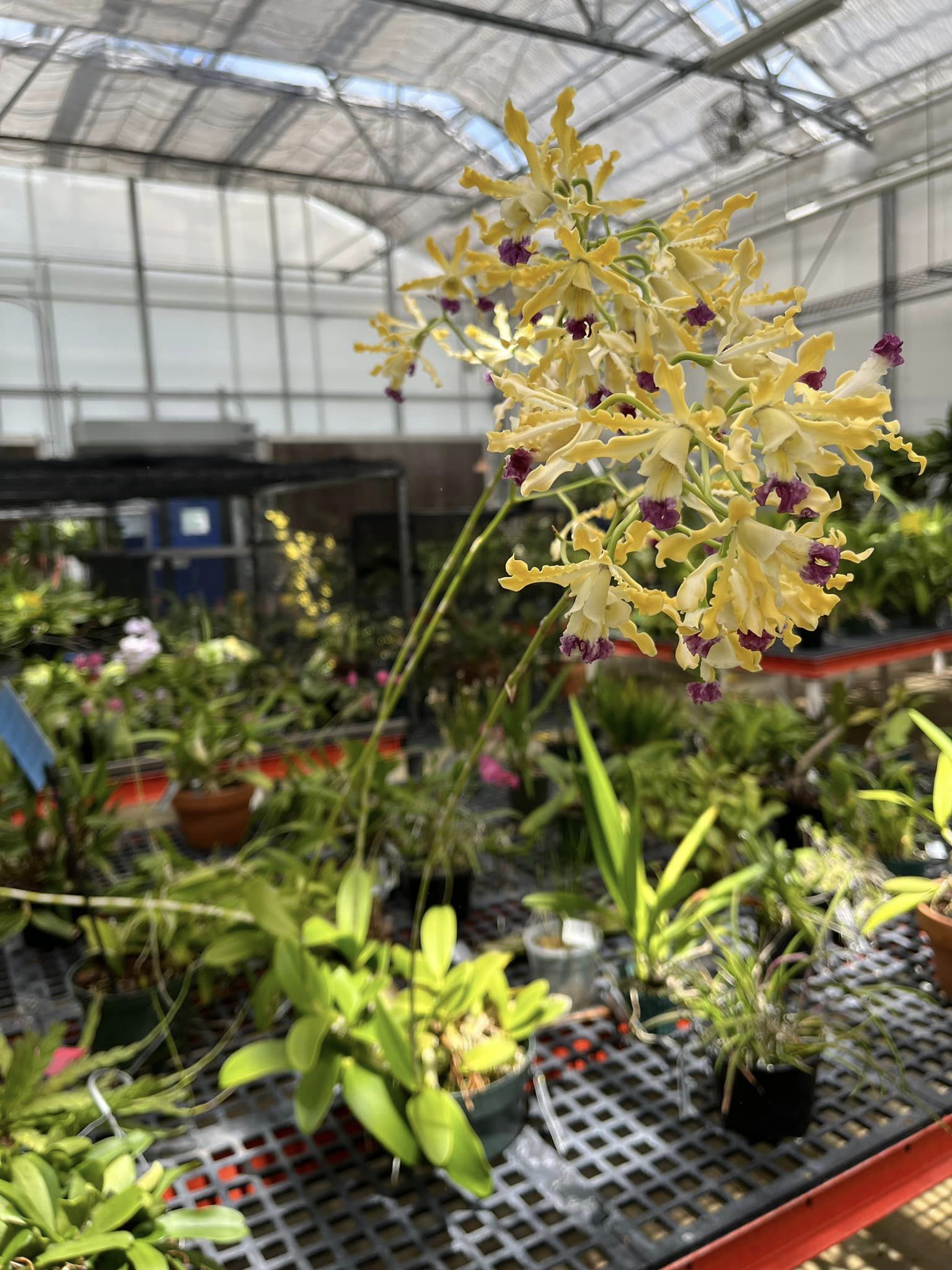
The Smithsonian Gardens, which receives more than 25 million visitors annually to all its displays and collections, said that the striking plant, commonly known as the banana orchid species, got its name because “of the banana-like clusters of pseudobulbs (storage organs) that form at the base of the plant.
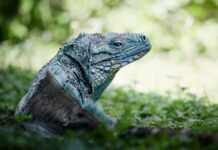
“This plant also produces nectar from glands on its flower spikes, which provides a tasty treat to native Anolis lizards. Unfortunately, this species can be difficult to spot growing naturally since it has become endangered due to habitat loss, but it can be found in cultivation in gardens on the islands.”
John Lawrus, general manager at the Queen Elizabeth II Botanic Park, told the Cayman Compass he was pleased to see the national flower bloom at the Smithsonian.
“I didn’t know that it was a part of their collection. Our banana orchid is really important in orchid breeding and orchid hybridising so it wasn’t too surprising to see it in other places.”
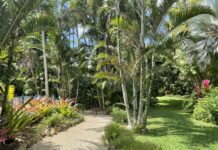
The banana orchid is found throughout the Botanic Park and areas of undisturbed woodlands, as well as a cultivated specimens in private gardens.
“Any exposure of our Cayman Islands endemic species is important and welcomed,” Lawrus added. “It means more exposure for the Cayman Islands, more exposure for our endemic species, both plants and animals, and it’s just more advertising on just how beautiful the Cayman Islands are.”
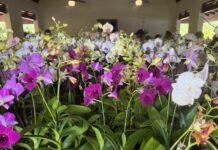
The orchid collection is home to over 6,000 specimens from all over the world, according to the Smithsonian Gardens website, calling the plants it harbours “a vital conservation resource offering protection to species from a variety of threats including habitat change and over collecting. Orchid collections can also form the basis of reintroduction and restoration programs aimed at helping improve the conservation status of orchid species in the wild.”
It added, “Smithsonian Gardens holds the third largest species-diverse collection in the world. New acquisitions are selected carefully each year based on their display quality, educational value, beauty, rarity, and how they complement the present collection. [The collection] is an invaluable resource for scientific research, educational programs, and exhibitions.”
Related Videos