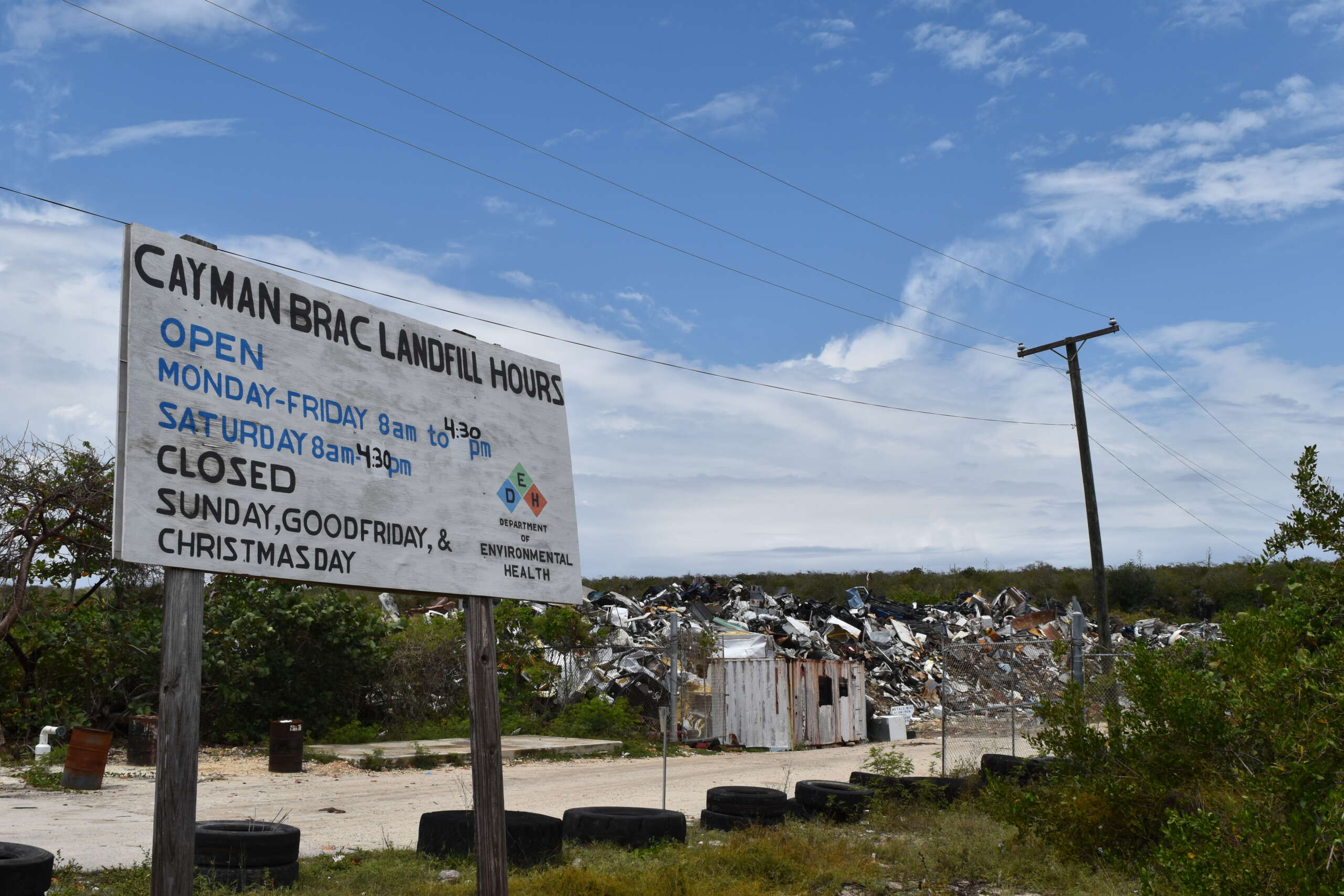
After four years of ‘landfilling’ biohazardous materials, the Department of Environmental Health on Cayman Brac can now safely dispose of such materials, following the commissioning of a new $77,000 incinerator at the dump.
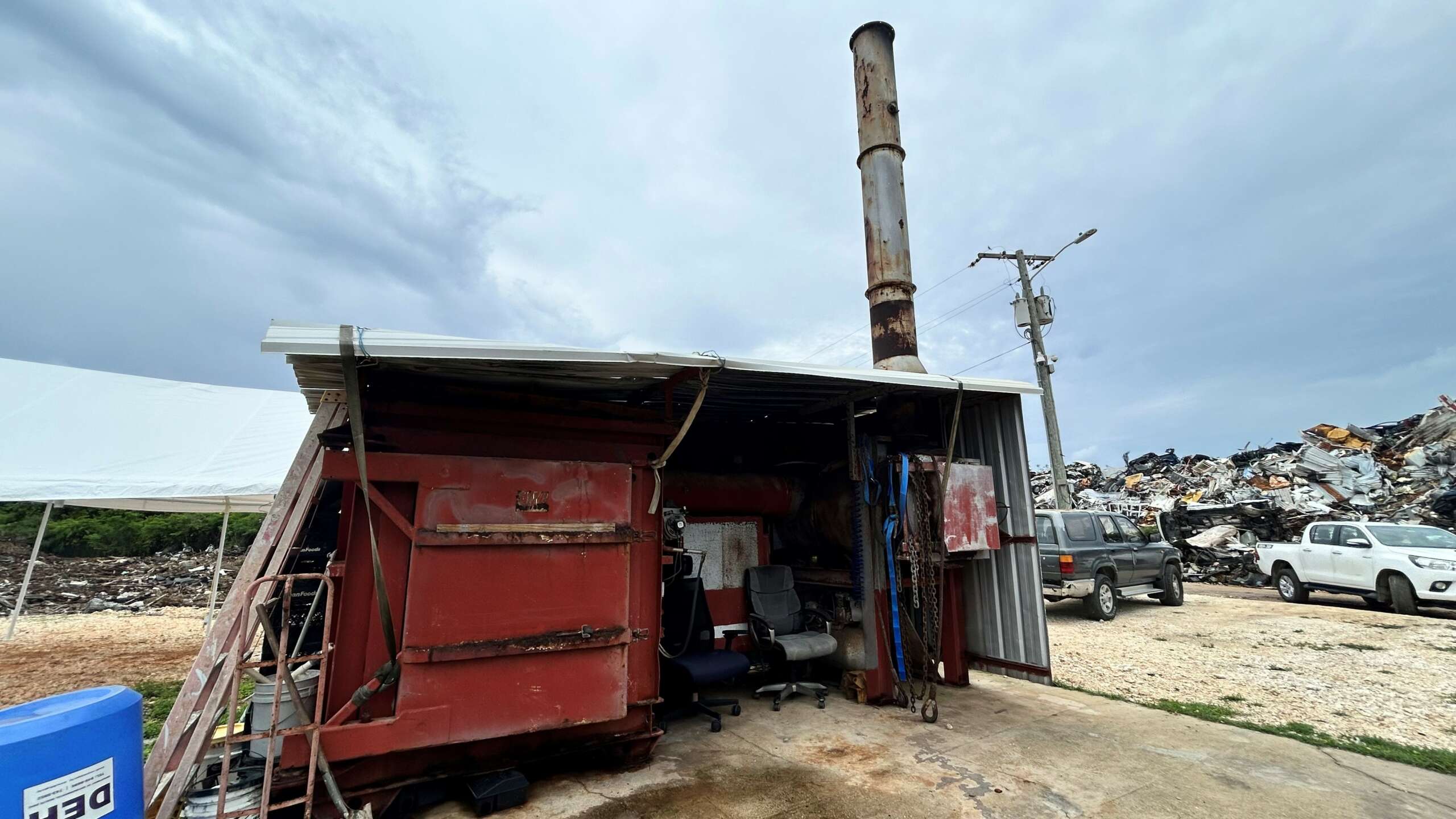
It comes after the original incinerator became in operable on the bigger of the two Sister Islands.
“The old Cayman Brac incinerator is over 20 years old and has been out of service for the past 4 years,” DEH Director Richard Simms told the Cayman Compass via email.
He explained that in the absence of an incinerator, biohazardous waste had to be “landfilled” at the Brac dump, which meant the waste had to be buried, like in April, when DEH staff buried a pilot whale that had washed ashore on the Brac.
The new incinerator was inaugurated on Friday, 21 June by Premier Juliana O’Connor-Connolly and is now processing the biohazardous waste generated in the Sister Islands, according to a DEH press release issued on Tuesday.
The incinerator is an MP-500, manufactured and installed by Addfield Environmental Systems Limited from the UK.
“It has been specified to handle the type and quantity of medical waste generated in the Sister Islands,” the DEH said in the release.
Simms told the Compass that the acquisition of the incinerator was significant for the team.
“This will allow them to safely dispose of hazardous waste. For those who may worry about the fumes emitted during the incineration process, it’s important to note that this particular incinerator is designed with advanced combustion technology air pollution control systems to minimize emissions,” he said.
These systems, Simms said, “capture and neutralize pollutants”, ensuring that the released gases meet strict environmental regulations.
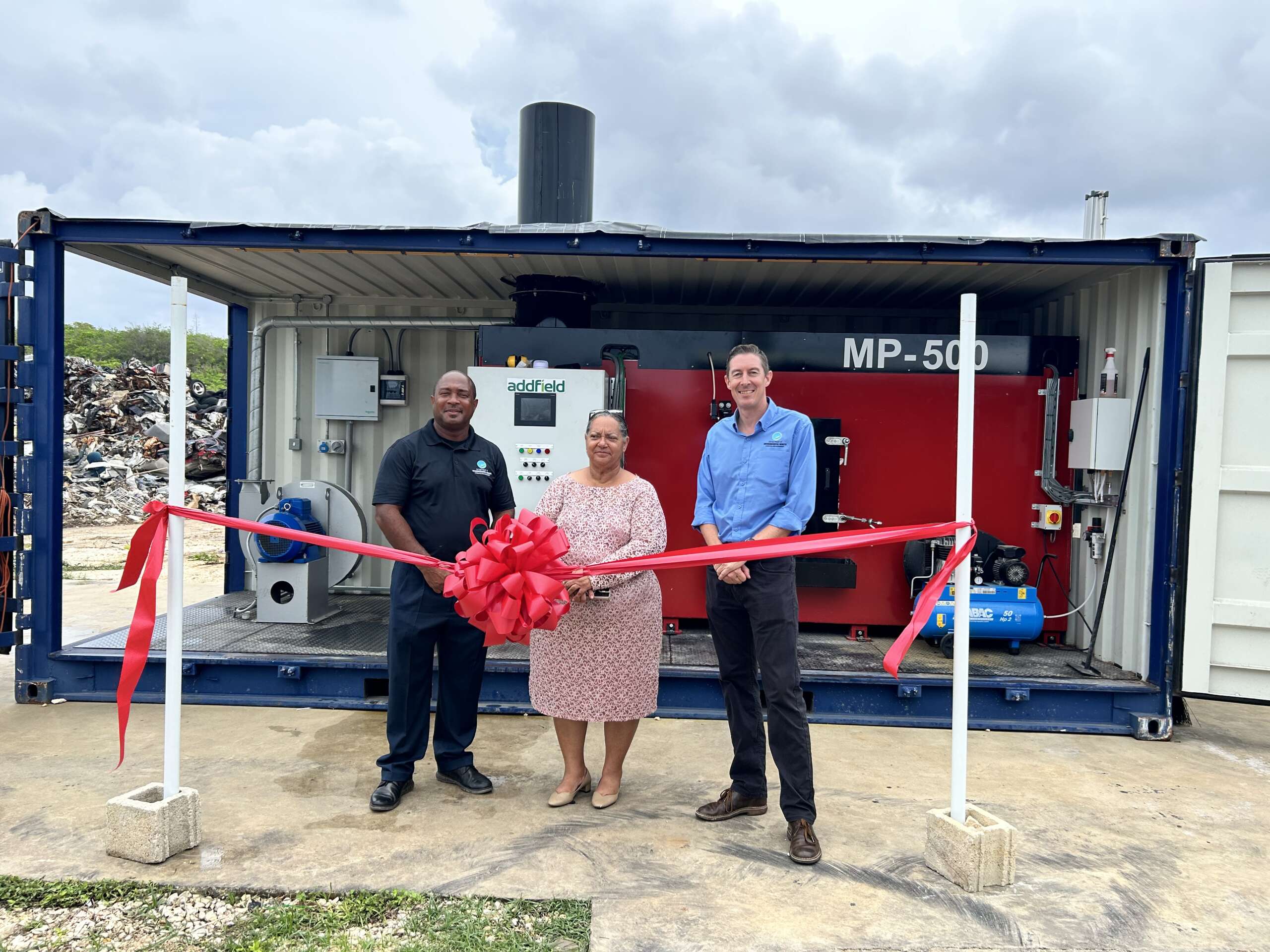
Simms, who was on hand for the commissioning of the equipment, said it was an honour to have the premier cut the ribbon to mark the formal opening of the incinerator that will serve both Cayman Brac and Little Cayman.
“This new state-of-the-art equipment is ensuring the safe disposal of all biohazard waste generated in the Sister Islands,” he said.
The equipment is enclosed in a weatherproof, 20-foot container.
This type of installation required reduced civil and building works requirements, DEH said in the release, and offers “extremely quick installation time and added mobility, should it be required to operate at another location in the future”.
Related Videos