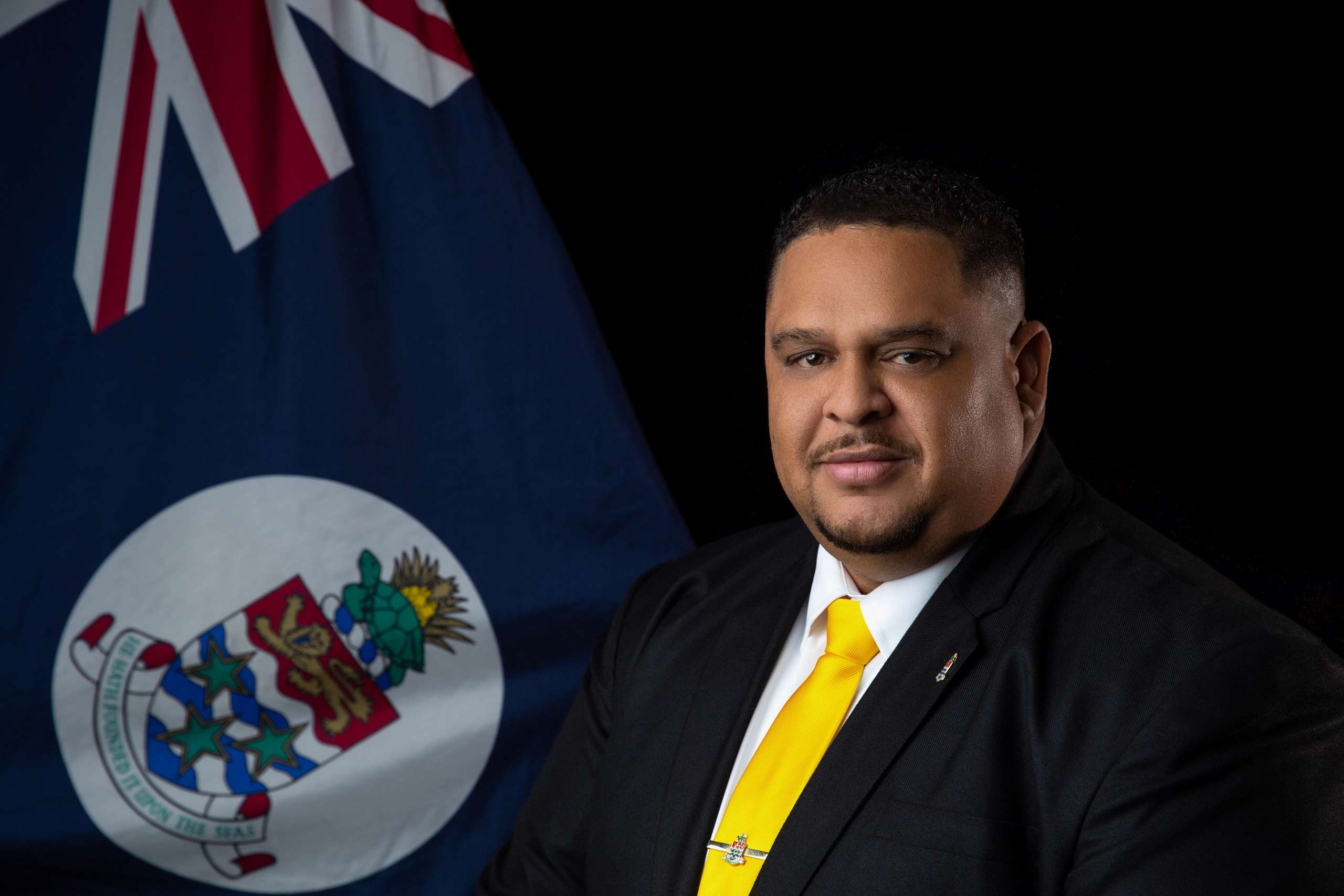
While Transport Minister Jay Ebanks says a “comprehensive plan” for public transportation is set to be presented in the form of a green paper, it is unclear when this document will be released to the public.
Ebanks, responding to Opposition Leader Roy McTaggart’s parliamentary question on the status of the plan last Thursday, said the green paper, a tentative government report of policy proposals, has been produced and outlines both short-term and long-term measures.
“These measures were recently reviewed and approved by the Cabinet,” Ebanks said.
He gave no indication on the next steps for the document.
Cayman’s public transport system has been the subject of a review for the greater part of two years.
The release of the ‘Assessment of a Public Transport Strategy’ report last year offered several possibilities for the future of Cayman’s bus network, including scrapping the private bus network and replacing it with a modern, government-run public bus network.
The minister, speaking in the House, did not say which of the recommendations from that report were included in the green paper.
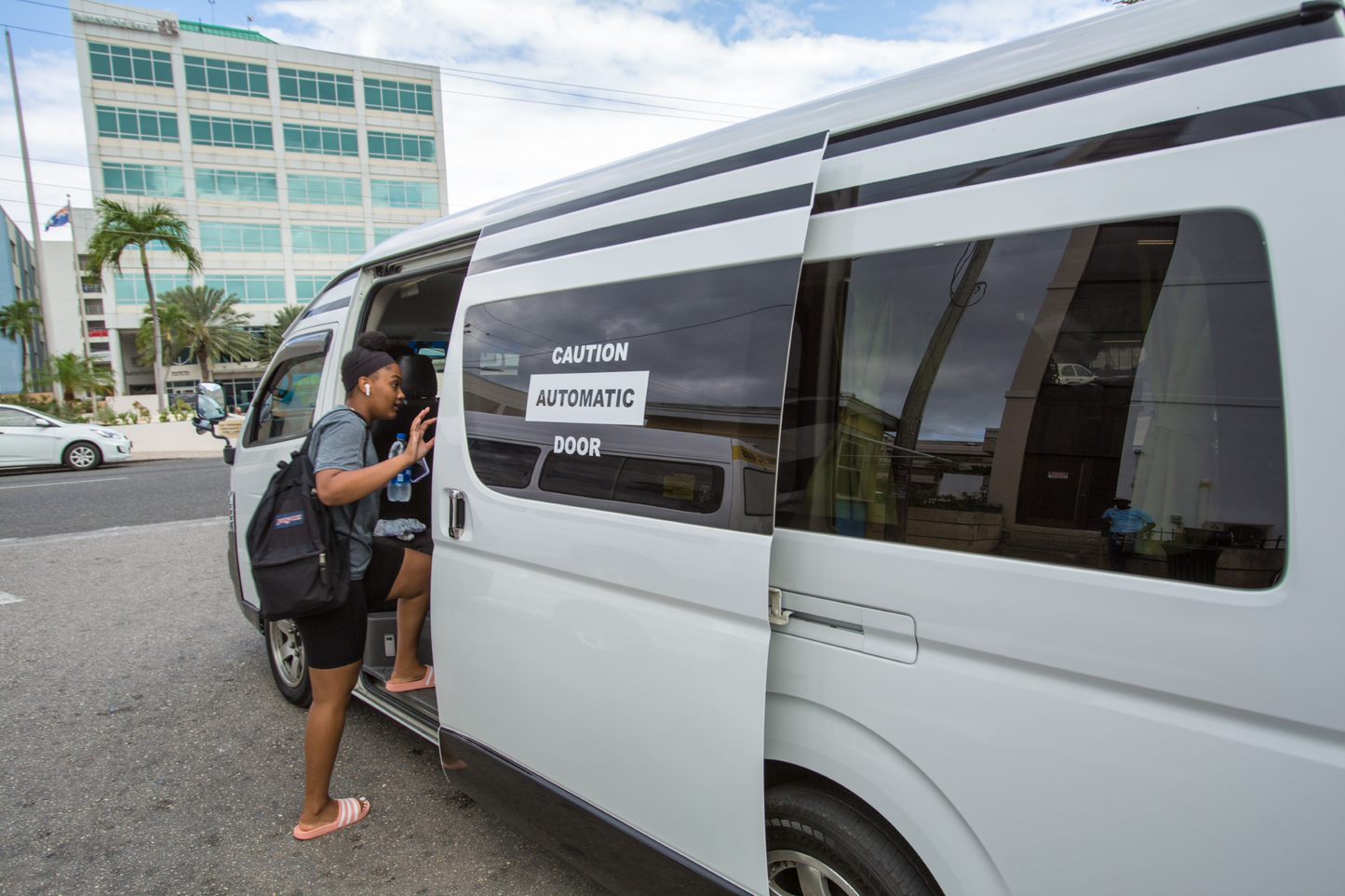
Minister Ebanks said that there are several long-term measures in the green paper for public transport, including introducing a new public bus network that services three key arterial routes, purchasing new buses to support the new network and developing the necessary infrastructure for the new network, including bus depots, terminals and shelters.
He said implementing bus priority measures, transitioning to an integrated and digital ticketing model and exploring changes to the sector’s operating model are also being considered as long-term measures.
He offered no further details on timelines or the process of implementation for these measures.
Deputy Opposition Leader Joey Hew questioned the digital payment process Ebanks mentioned.
Ebanks said the ministry was looking at transportation a little bit differently and exploring if it should extend transportation into late night and early morning hours.
Part of that consideration, he said, is creating a system for digital payment, as one of the main concerns raised by taxi operators is having to carry cash late at night and in the early morning.
“We want to be able to make the transition to where we need to be to get buses on a time system, but also be able to get them to the eastern side of island and be able to get people up there at the very time in the mornings that they would need to get to work on this side,” he said.
Ebanks said short-term measures under the new plan are set to be implemented and include improving public bus information, enhancing the reliability of the existing public bus system and upgrading services in the eastern districts, which is to start with a pilot programme.
He said there are also plans to roll out and adopt Cayman’s taxi booking app.
“The ministry is now actively working on systematically implementing these measures to provide immediate relief to the public and pave the way for our new public transportation system,” he said.
No mention was made of the UK duo Alicia de Vries and Andrew Ashton, both of whom were seconded from the UK Department of Transport to assist Cayman’s transport plans.
Earlier this year the two met with Bermuda Minister of Transport Wayne Furbert and his team on behalf of the Cayman Islands Government for insight into how their system operates.
Related Videos