

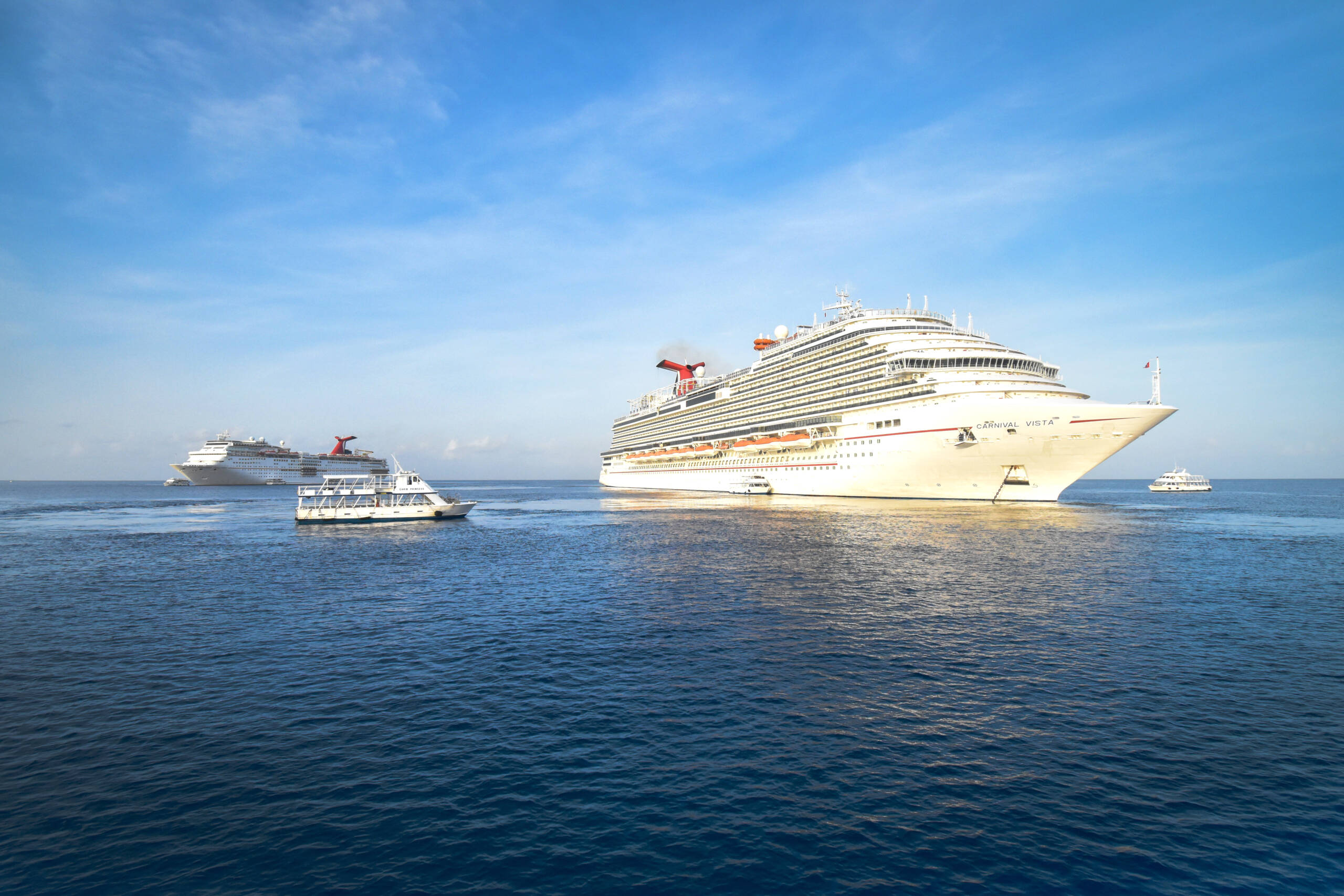
Tourism Minister Kenneth Bryan has responded to concerns about the upcoming vote on cruise berthing, saying the referendum is strictly seeking a “directive” from the electorate and does not back any proposed plan to introduce piers.
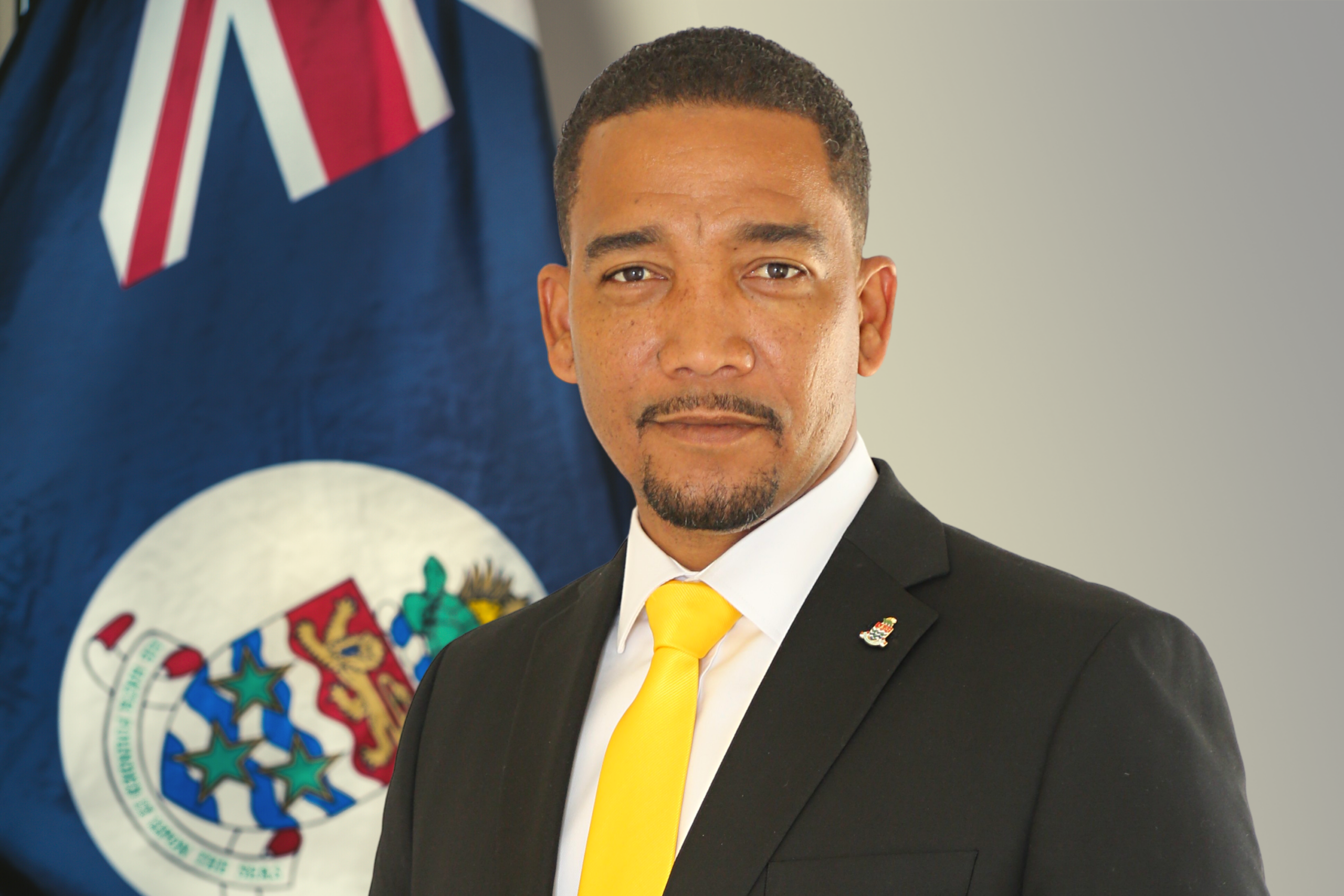
“There’s no project; there’s no driving force. This is just simply, we need to know where the people stand with the cruise industry to know what direction to take,” Bryan told the Cayman Compass on Tuesday.
The vote, announced last week, has been received with mixed reactions as voters on different sides of the issue say more information is needed about the referendum plans.
Vote before December
Bryan said work has already commenced on moving the vote forward and he will update the country as more information becomes available.
At this time, he said, the exact wording of the referendum question is being drafted through the Elections Office and the government’s legal team.
The question, he said, will be kept simple and straightforward about whether the country should build a cruise pier.
He said a formal date is yet to be selected, but the vote will most likely be triggered before December to allow all the required procedures to be completed.
“The guesstimates are around end of October, middle of November to give enough time necessary for the Elections Office and the legal parliamentary process to happen because we have to take a motion to Parliament to pass the necessary legislation to have the referendum,” he said.
Bryan said the government-led vote is different from the people’s-initiated referendum triggered in 2019 by the Cruise Port Referendum group because there is no project being voted on.
He also said constitutionally, a people’s-initiated referendum has protections in place that make it binding on the government.
“A government-initiated referendum does not have those obligations unless the government decides to do so, and at this current moment the government’s position is that we are going to accept the people’s will based on the outcome on a simple majority,” he said.
He said government did not want to “conflate” the issue with the general election, which is why the decision was taken not to hold the vote during the polls in April.
“We thought it would be safer not to confuse people to say this is about the pier, and simply about the pier, whether we should have one or not; and the people will be able to decide and see after the referendum the government’s commitment to their position,” he said.
He said cabinet did not consider adding questions on the decriminalisation of marijuana or the introduction of a national lottery, as the intention was to focus on the future of the cruise industry.
Neutral position
Bryan said the government is adopting a neutral position on the vote, but he wants the community to consider all sides and the implications of their vote.
“We’re not going to be picking sides. We’re going to ask the people to talk about it, think about it, present the pros and the cons to the public, encourage them to discuss it amongst themselves with the industry players, those who are against or for and take those factors into whether you want it or not,” Bryan said.
The result of the vote, he said, will be used as guidance for the current and future governments on the people’s will on the matter.
He said if the answer is no to a cruise pier, then the government will have to plan for counteracting the fallout from that decision, which could impact jobs and businesses in the cruise industry.

That could include, he said, implications for immigration policies or Department of Commerce and Investment policies for businesses.
If the people vote in favour of a pier, he said, then the conversation shifts to what that investment means for the country and what it would look like.
He said the details would be discussed later on, “because there’s no prepared plan unlike the last administration who went out and got a financier and a design and all that”.
Minister expects more cruise industry woes
Bryan said the decline in cruise calls will continue and that many ships are not stopping as often in the Cayman Islands due to the pier issue.
“Indirectly, if the people choose to have a pier, that’s going to be able to allow us to stabilise the industry and keep those numbers that the people want, whether it’s high or low or moderate. If we don’t have one, we can’t control that mechanism. It’s left to the cruise industry to dictate our future,” he said.
If the answer is in the affirmative for a pier, then the government will decide on what options are available, he said.
“Our view is simple … as cheap as it possibly can be, most environmentally friendly it can be and we don’t think you need two. The country can simply survive on one based on the ship amounts. We want to make sure that we can stay in the industry if that’s what the people’s will is,” he said.
He said the Ministry is planning to host a public debate in the run-up to the vote to allow those for and against a cruise pier to present their points to the public and help shape an “informed” decision.
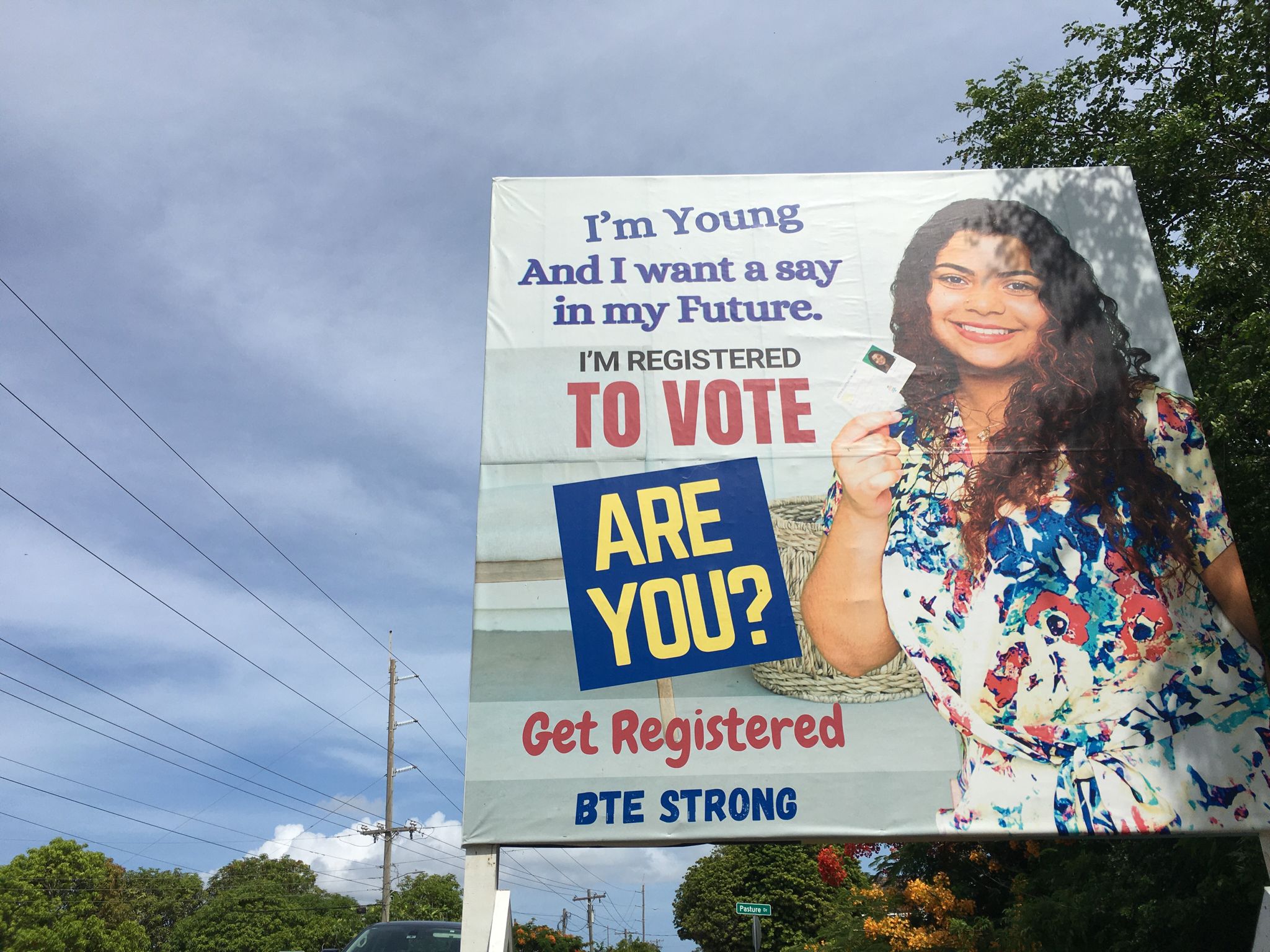
He said a voter registration campaign is also planned to get as many eligible voters as possible on the elector’s roll ahead of the referendum.
Bodden Town East MP and Border Control Minister Dwayne Seymour has already kicked off his voter registration push and has posted billboards in his constituency encouraging young Caymanians to register.
“Every vote matters and we want anyone who has turned 18 to turn their attention to politics and the running of their country and develop a balanced view,” Seymour said.
Seymour added that with the referendum nearing, he didn’t want anyone “to get caught out”.
He said there is “a harsh deadline” as to how far in advance a voter must register to appear on the elector list.
Related Videos









In 2020 Judge Owen ruled:
Last month, the judge ruled in favour of Roulstone, finding that the referendum law passed in the House was “incompatible” with the constitution.
In the 10-page document, Owen declared that the Cabinet and the Legislative Assembly’s “decision to make the Referendum (People-Initiated Referendum Regarding the Port) Law 2019 was unlawful because it was incompatible with [Section] 70 of the Cayman Islands Constitution Order 2009”.
As a consequence, the judge has issued an order quashing the law.
What has been done to make the Referendum law compatible with the constitution?
The minister says he wants “the community to consider all sides and the implications of their vote”. But he is unwilling to tell people what they are actually voting. Without a specific plan to vote on, then any vote has zero value. Any government that thinks they can build anything based on this type of referendum (with no plan) will most assuredly lose any legal challenge when they ever try to build anything. If you want cruise piers the don’t be lazy, create a plan THEN have the people vote on your specific plan – anything short of that is a waste of the people’s time and money.