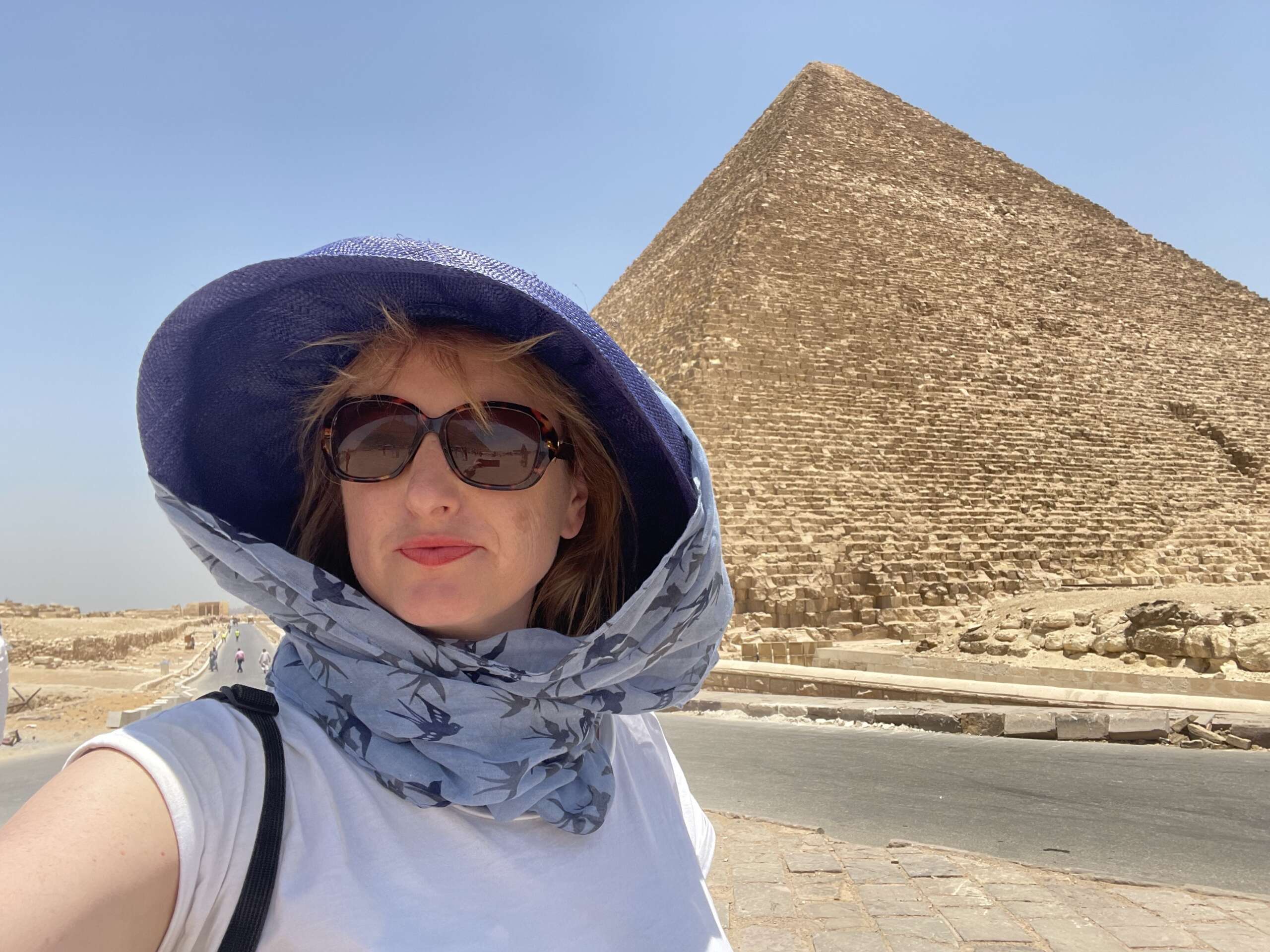
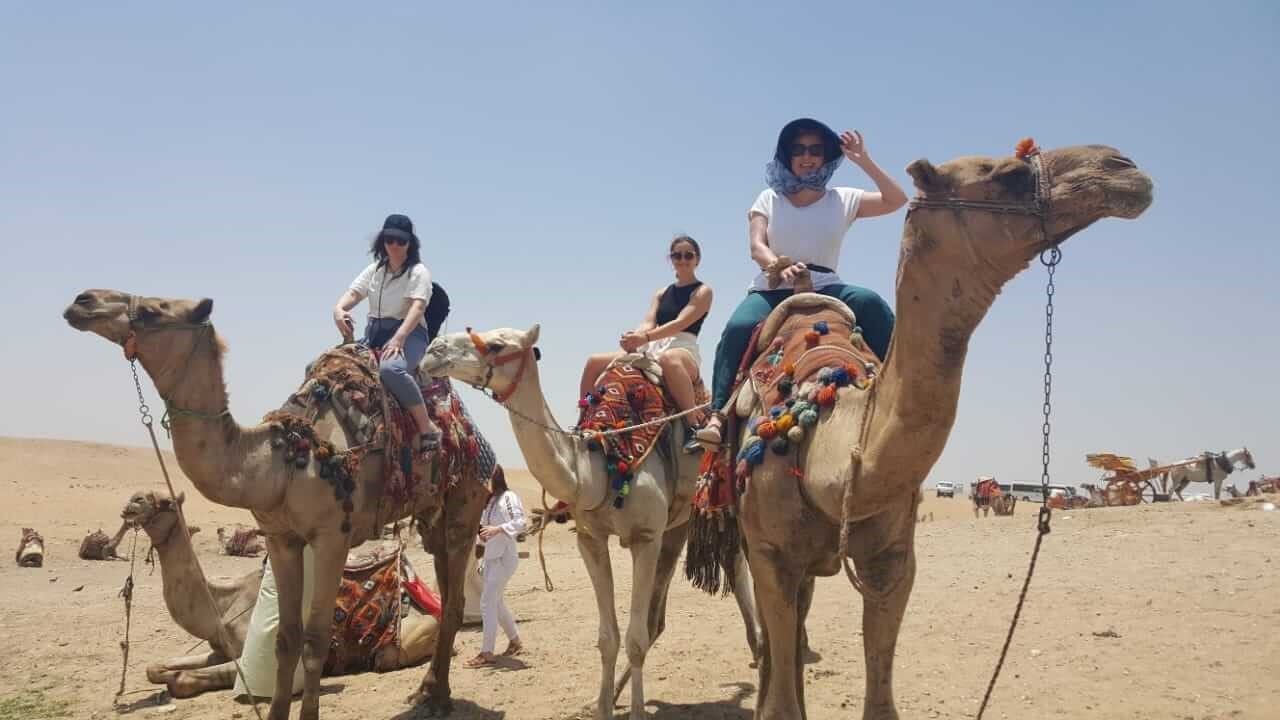
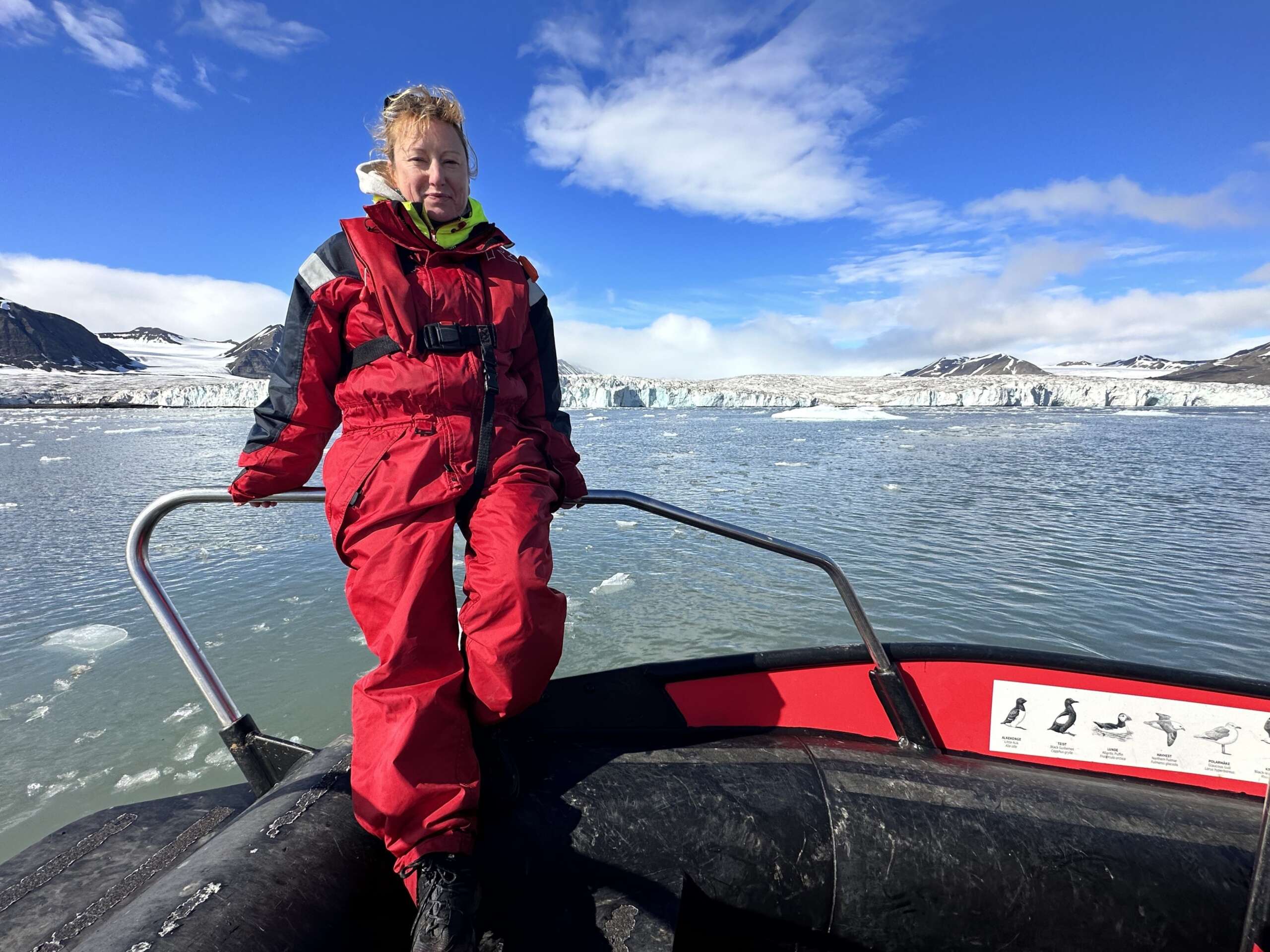
Working as a travel journalist means I’ve been lucky to benefit from an envy-inducing rota of international press trips. In recent years alone I’ve travelled to Egypt, Papua New Guinea, Iceland, Morocco, Peru, St Kitts and Nevis, Norway, Japan, Jamaica, Cape Verde, Cuba and Antarctica, to name but a few, and 10 years ago I even spent a week in the Cayman Islands courtesy of the local government.
Two other journalists and I were put up at the Marriott, got our PADI diving qualifications, visited Stingray City, Rum Point, Queen Elizabeth II Botanic Park and the now-closed Cayman Motor Museum, and were whisked off to Cayman Brac and Little Cayman during an eventful week.
All food, drink, accommodation and flights from the UK were paid for and, for my part at least, the trip resulted in an effusive travel piece for Mail Online, which, at the time, had a daily readership of 12 million people.
The article was effusive because I genuinely loved my visit to the Cayman Islands – that I’ve now moved here is testament to that – but there’s no question that the Department of Tourism would have been delighted with the coverage.
Tourism boards, as well as hotels, airlines and cruise ships, have long hosted journalists in exchange for coverage, and while there is no guarantee that the article will be positive, if you give the writer a week of five-star luxury, it’s unlikely to be critical.
Both parties benefit: the media outlet gets content that it hopes will interest its readers, while a glowing review of a travel destination can’t help but boost its reputation and – hopefully – that hard-fought-for tourism spend.
But how much does the reader benefit? With a paid-for trip, there will always be a question mark over how truly independent a review could be. It’s for this reason that some media outlets say they don’t accept coverage from press trips at all – whether this is strictly observed is another matter.
But if publications don’t accept press trips, they have to cover the costs, which could put a hole into the editorial budget.
Some rely on freelancers and assume the journalist will cover the cost. Not many can afford to do that, given that the pay for freelance travel pieces can be anything from a few hundred dollars to nothing at all, with the free trip seen as payment enough.
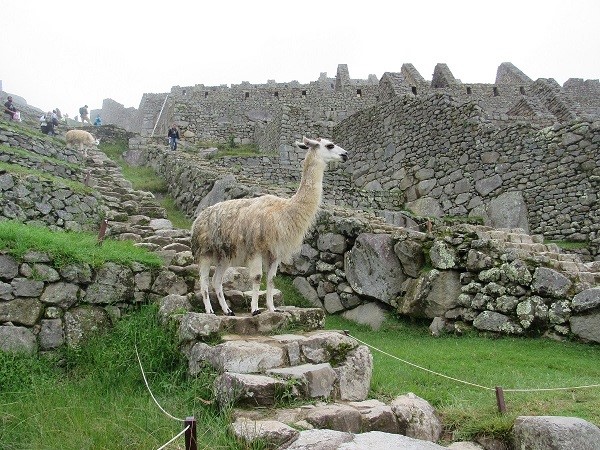
With the rise of social media influencers, destinations are keen to host bloggers with huge followings on TikTok, Instagram or YouTube and will often specify how many hashtagged posts, reels and stories they will expect per trip.
The most popular influencers might even be paid by the destination or company to be on the fully hosted stay – meaning it’s a win-win for them, even if they are now operating as paid-for adverts (and are supposed to declare this in their posts).
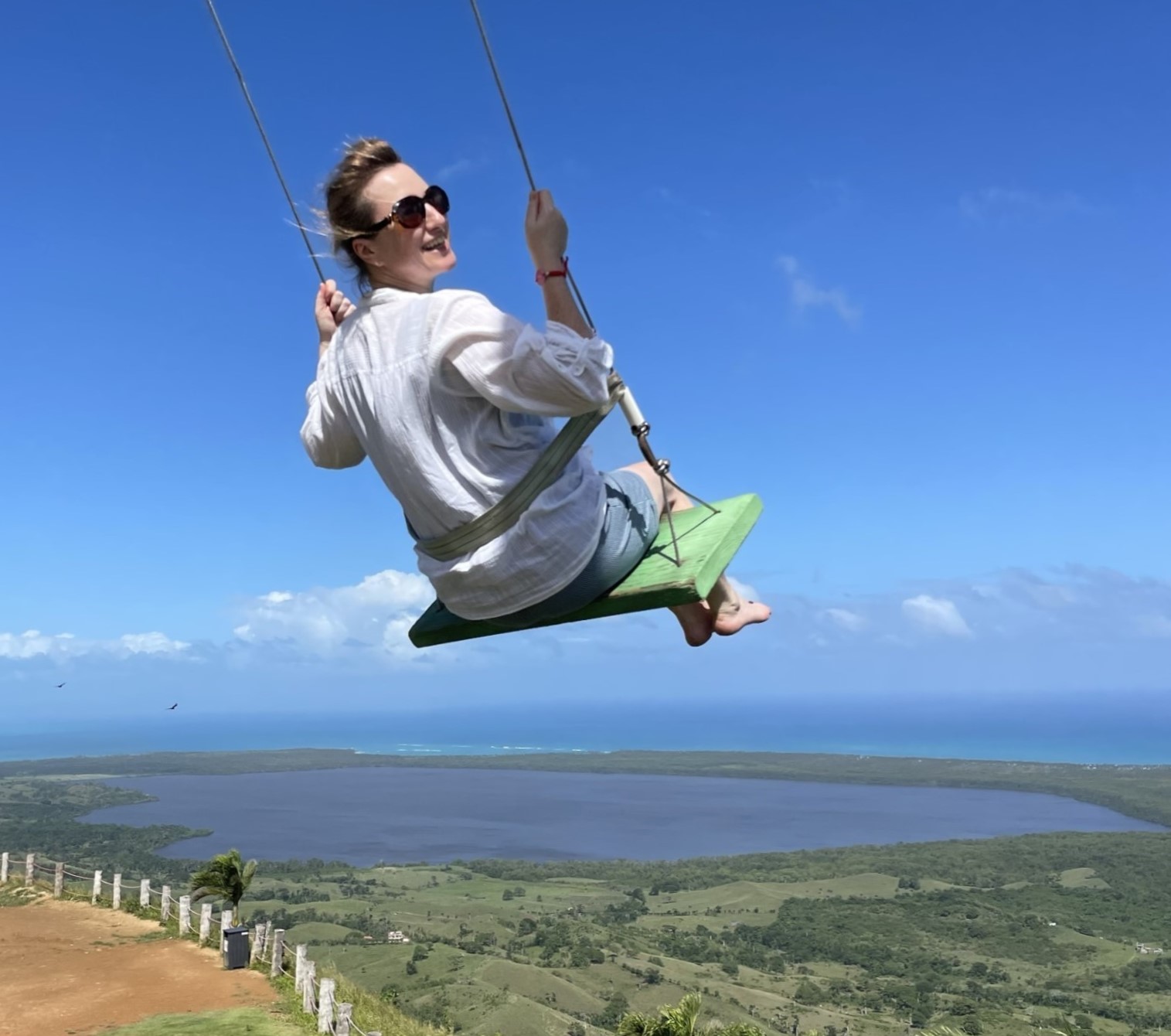
Bloggers know what’s expected of them. Negative reviews or less-than-stunning pictures mean they’ll lose followers along with the chance of future trips – and the perfect picture could be seen by thousands if not millions of potential holidaymakers.
Whether or not those views result in cold, hard bookings is harder to gauge, but with rival destinations all competing for tourist spend, can any of them afford not to be in the game?
Related Videos