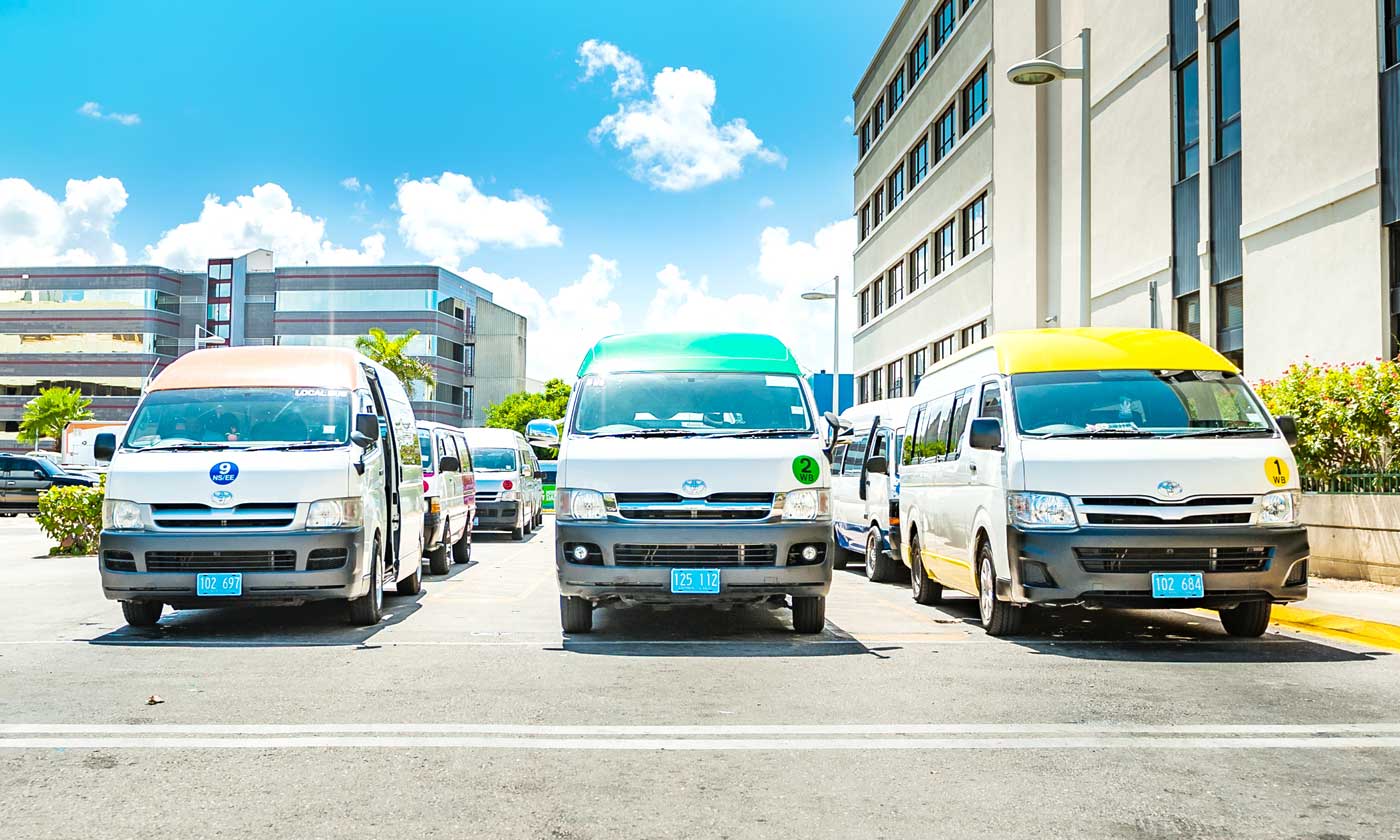
Three long-awaited, new bus routes are to be introduced as part of government’s plans to improve public transport around Grand Cayman.
The routes, running from West Bay to George Town, George Town to the eastern districts and a George Town circular route, have long been flagged by government and will operate alongside the existing bus system, Planning Minister Jay Ebanks told Parliament in the last session of 2024.
New bus priority lanes and bus depots are also planned as well as an app, which would let passengers know when the next bus is due.
MPs approved the Public Transport Bill, 2024, which established a new Public Transport Unit and director of public transport, and paved the way for improvements in public transport on the islands as outlined in government’s transport green paper, also laid in front of Parliament.
Introducing a debate on the Public Transport Bill in Parliament in December, Planning Minister Johany Ebanks said, “As our population and economy have rapidly grown, our transportation system has struggled to keep pace, leading to increased congestion and safety risks. It is essential that we develop a modern public transport alternative that is both efficient and effective.”
He added, “By granting public transport its own standalone legislation, we are laying a solid foundation for improvements in efficiency and operations.”
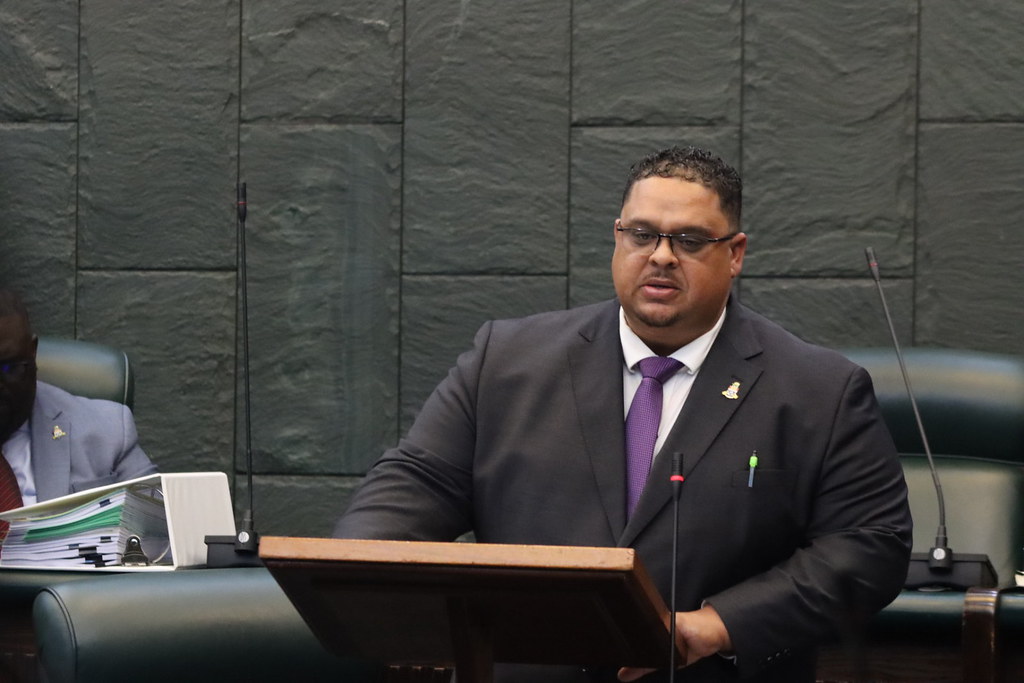
Ebanks said that government was committed to transforming “our public transport system into one that is efficient, reliable and environmentally friendly”, adding that the new routes will create jobs, including staff, drivers and management, for Caymanians.
The bill was broadly welcomed by MPs from across the House. Leader of the Opposition Joey Hew called the bill “a good start” with “a lot of evolution to go”. He suggested that taxi and bus drivers should sign a code of conduct on getting their licences, and that there should be clear penalties for drivers who don’t follow the correct route, are rude or disobey traffic rules.
More bus stops and later buses
Chris Saunders, MP for Bodden Town West, said, “It’s clear we need to take public transportation seriously” and that more people would be willing to use the system if they knew exactly when the bus was due to arrive, information that could be provided via an app. He also said there needed to be more bus stops around the island and more late-running buses for people who work late.
West Bay Central MP Katherine Ebanks-Wilks said that there needed to be a greater degree of fairness across the public transport system, as currently operators of quieter routes receive less in income than the more popular routes, which has led to more distant districts being less well served.
The Minister for Youth and East End MP Isaac Rankine said he welcomed the demerit system for bus operators who failed to complete their routes, an often complained-about issue.
Responding to queries, Ebanks said that the majority of bus operators have agreed to have GPS systems installed so that people would know where the buses were once the app was up and running. The bill was unanimously passed by Parliament on the last Parliamentary day of 2024.
A long time coming
There has been a long wait for signs of political action when it comes to Cayman’s public transport system. Two years ago, consultancy firm Deloitte was awarded a $200,000 contract by government to explore improvements to the island’s transport network, with the report expected by early 2023. However, the 154-page document, entitled ‘Assessment of a Public Transport Strategy’, was not published until November 2023.
It listed seven areas for improvement: vehicle type, infrastructure, operating hours, customer experience, transparency of information, compliance and enforcement, and licensing. It also suggested that the current private bus service should be scrapped and replaced with a modern, government-run public bus network. It is not clear what discussion would have happened afterwards on the Deloitte suggestions or whether there are plans to implement some or all of them, or whether they have been rejected.
Related Videos