The Cayman Islands is revered around the globe for our pristine beaches, crystal-clear waters, vibrant coral reefs, and the scientific significance of many conservation success stories.
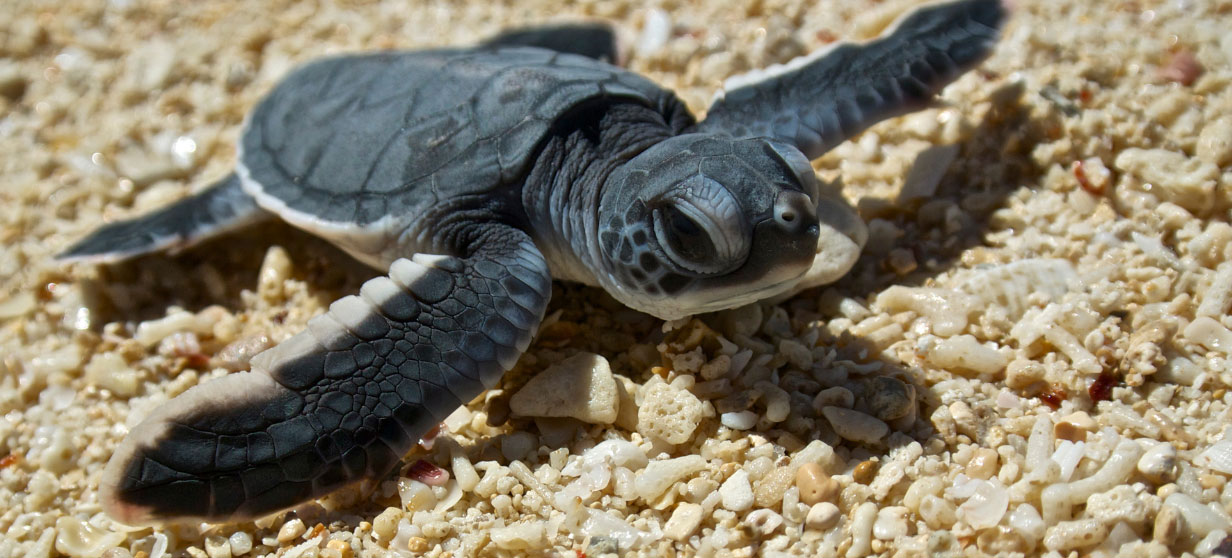
 Our science-based management and recovery efforts means that the Cayman Islands has the largest remaining active Nassau grouper spawning aggregation site in the region, an increasing nesting population of wild sea turtles and our ever iconic Blue iguanas have been brought back from the brink of extinction.
Yet these significant achievements are devalued by Cayman’s continuing struggle with increasing environmental and socio-economic pressures from development, tourism, and climate change which threaten not only precious ecological resources but often our very own health, safety and food security.
Balancing economic growth with social and environmental sustainability is a complex challenge for any country. With our small-island ecosystems and communities particularly vulnerable to major impacts, evidence-based decision-making is an important tool to not only meet international best practice standards but to underlay the very fabric of good governance.
This is why the National Conservation Act (NCA) was drafted to identify the unique species and habitats of the Cayman Islands, provide tools and mechanisms such as protected areas, Conservation Plans, Environmental Impact Assessments (EIAs) and mandatory consultations for their safeguarding, and to help ensure transparency around major decisions which adversely affect our natural environment and resources.
What do we know? What can we learn?
Science tells us that some of our most threatened habitats ranging from coral reefs, through coastal mangrove wetlands to dry inland forests, sustain an array of species and functions critical to maintaining human wellbeing as well as our islands’ ecological balance. We unfortunately did not always have enough information to guide us. In the 1800’s, it was simply inconceivable that sea turtles could be hunted to local extinction in Cayman waters. But they were. Sharks and crocodiles suffered a similar fate while the Caribbean Monk Seal was hunted to global extinction, never to be seen again.
Fast forward 100 years to when the Department of Environment went across the islands to present the new Grand Cayman Marine Parks in 1986 and fisherfolk in Cayman Brac reported dwindling stocks of Nassau Grouper and other marine life. These reports led to more focused research which laid the foundations for the Nassau Grouper fishing seasons and catch limits we have today. Nearly 40 years of Marine Parks Regulations have helped ensure that we can continue to fish sustainably, not only for grouper, but conch, lobster and whelks as well, hopefully for many generations to come. This is informed decision-making in action.
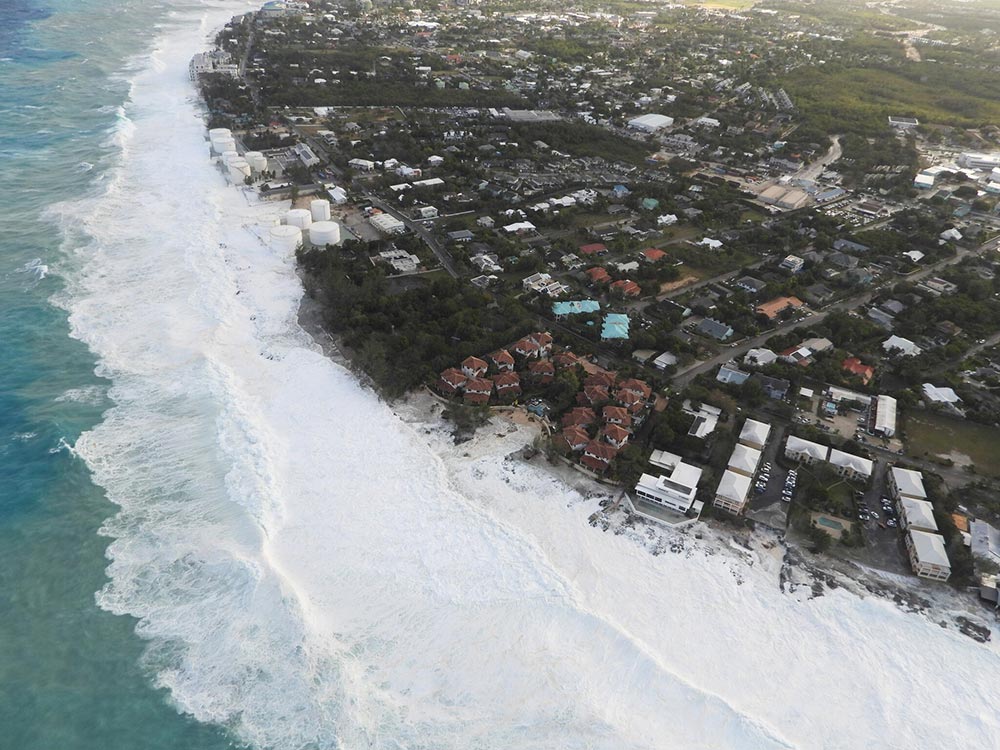
In the 70s and 80s, the water line of Seven-Mile Beach was so far from the coastal vegetation line that despite scientific evidence indicating that restricting the natural movement of sand would likely cause beach erosion, attitudes towards seaside development became more relaxed in favour of the tourism and economic benefits of coastal development.
Today, we should know better.
Yet, as recently as last year, a Nor’wester caused extensive damage to coastal properties ranging from Prospect all the way to West Bay although many of the affected properties were formally advised by DoE’s sustainability experts to observe minimum, if not extended, setbacks specifically to mitigate coastal inundation from storm surge.
Why do we need evidence-based decision making?
The National Conservation Council (NCC) was formed to carry out the functions of the National Conservation Act (NCA) under which the DoE also operates. The council is comprised of 13 voting members, eight of whom are appointed by Cabinet with four of the eight required to have scientific or technical experience relevant to the functions of the council.
Scientific credentials are particularly important for the council to effectively participate in the preparation of advice and guidance to other government entities as required under Section 41 of the NCA.
The Department of Environment employs marine and terrestrial biologists as well as environmental scientists supported by enforcement, engineering and geographical experts who conduct research and assessments to provide advice on how human activities can prosper while minimising impacts on our unique native species and habitats.
Under delegated authority from the NCC, the DoE provides advice to around 47% of all planning applications to ensure both government agencies and private developers are aware of the specific ways in which the adverse effects of their individual projects may be mitigated. This advice is not legally binding in more than 97% of cases.
Where a project scope is outside the technical expertise of the DoE and NCC, the council may require an Environmental Impact Assessment (EIA) to properly inform the council’s advice about how best to lessen impacts on the environment. Though rarely legally binding, the entity proposing the project would then be expected to take the council’s advice into account in their own decision-making processes.
This not only enables data-driven decision-making for large-scale projects such as ports, highways or airports, and gives private developers a one-stop shop for identifying and addressing all of the relevant issues thereby making development more efficient, but it also provides an opportunity for the people to ensure that all of their concerns are addressed before irreversible impacts on the environment and communities are permitted. Once again, informed decision-making in action.
How do we achieve ‘balance’ and sustainability?
The principles of sustainability require that environmental, social, and economic concerns are given equal weight in all decision making. It is the role of the National Conservation Act, by way of the National Conservation Council and Department of Environment, to represent the interests of the environment by providing government entities with sound, data-driven advice to inform their decisions.
This is one way to achieve the ‘balance’ which is often called for by the public, and section 41 of the NCA provides the mechanism for this type of consultation to occur. The legal requirement for consultation with the NCC enshrined in section 41 of the NCA is also the only legislative means currently available in Cayman to ensure that environmental concerns are given the same level of consideration as economic, human and social issues when national decisions are being made.
It is not however, for the DoE or NCC to “balance” their advice. Recommendations provided by the DoE or NCC must be rooted in the best scientific evidence available, and it is then for the decision-making entity (for example the CPA, NRA or Cabinet) to properly take that advice into account when they are making their own decisions.
What do we value? Where will we go?
History and science both show us that the decisions made today will determine the environmental, social and economic realities of tomorrow.
By embracing evidence-based decision-making as an advantage to government, private sector, communities and the various stakeholders and industries relying on the resiliency of our resources, we can more confidently anticipate a transparent and sustainable future while also conserving the unique biodiversity of our islands.
Related Videos