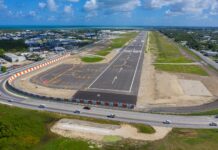
Family and friends of Jeremy Sibley, the man who helped design the former A-frame terminal at the Owen Roberts International Airport, have been remembering the talented architect and artist who passed away on New Year’s Eve, at the age of 95.
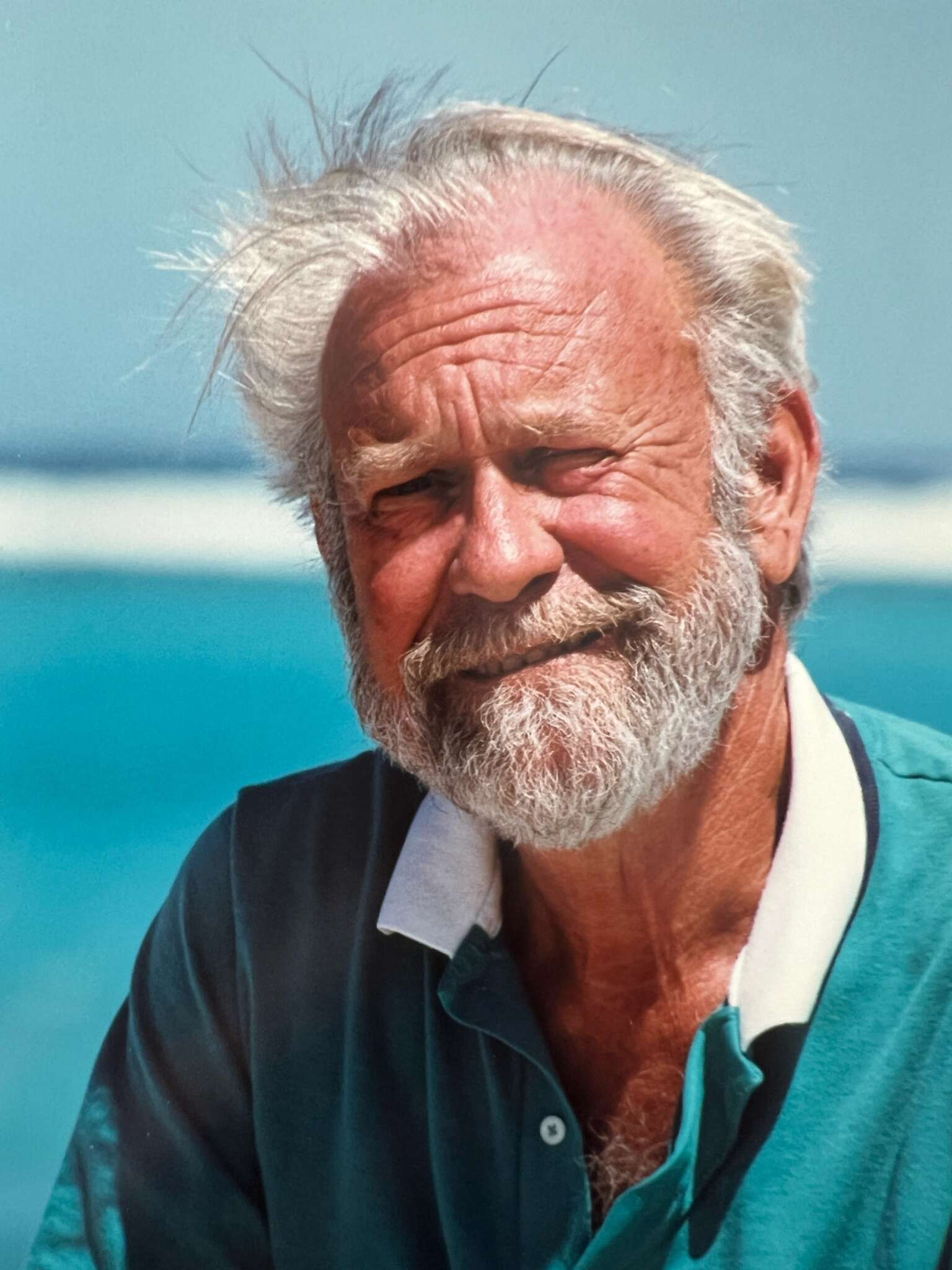
Jeremy Peto Sibley was born on 20 Oct. 1929 in Kingston, Jamaica, where his family lineage reaches back to the abolitionist Baptist minister William Knibb, who came to Jamaica from England in 1824.
In a tribute to him, his family noted that due to an injury, a great deal of his childhood years were spent on crutches. He loved sports, and at Munro College, where he went to high school, he was given the job of scorekeeper for cricket and football games as he couldn’t play himself.
“Later in his teens, he loved spending the hot summer up in the Blue Mountains at his aunt’s small coffee plantation and having competitions with his cousin to see who could eat the most pancakes,” the family said.
Architecture was ‘his calling’
The family described architecture as “his calling”, and after a summer drafting job in Jamaica, he attended the University of Manitoba, Canada, one of the leading schools of architecture at the time, from which he graduated in 1952.
While at the university, he met his future wife Joanne, an interior design student, when they were both working summer jobs at Lake Louise Hotel in the Rocky Mountains of Canada. They were married in Winnipeg, Manitoba, in August 1954.
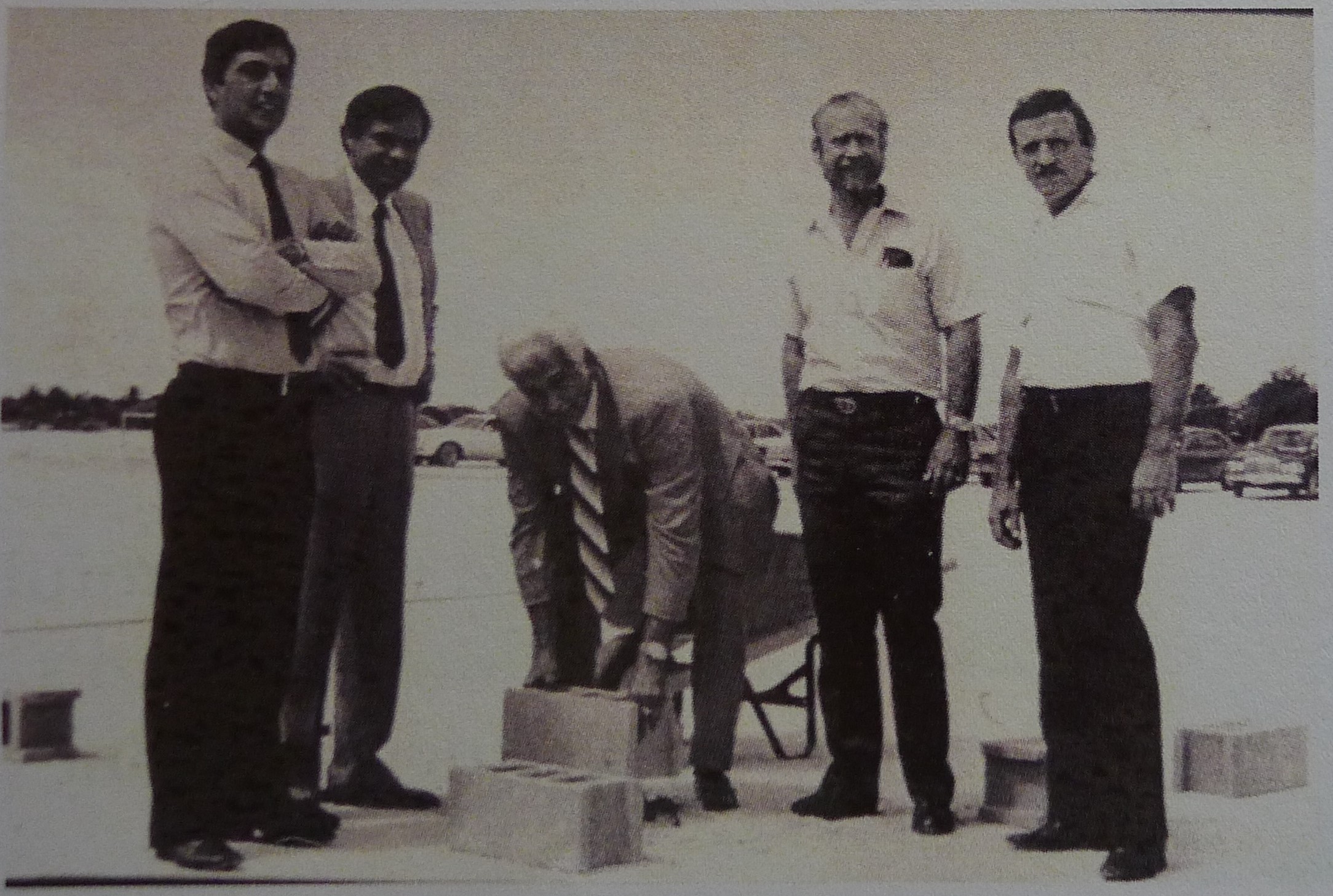
Sibley worked for a firm in Toronto and, because of his Jamaican background, he was soon sent to design and oversee the building of the Ciboney House in Ocho Rios, the family said. As further architectural opportunities arose in Jamaica, the couple decided to make their home there.
With Vayden McMorris, he started the first architectural firm in Jamaica — McMorris Sibley Robinson. The face of Kingston was changing at the time and MSR was at the forefront of that change, being involved in the Waterfront Development and New Kingston.
In 1980, the couple moved to Grand Cayman, “where life was calmer and crime was practically non-existent”, the family said.
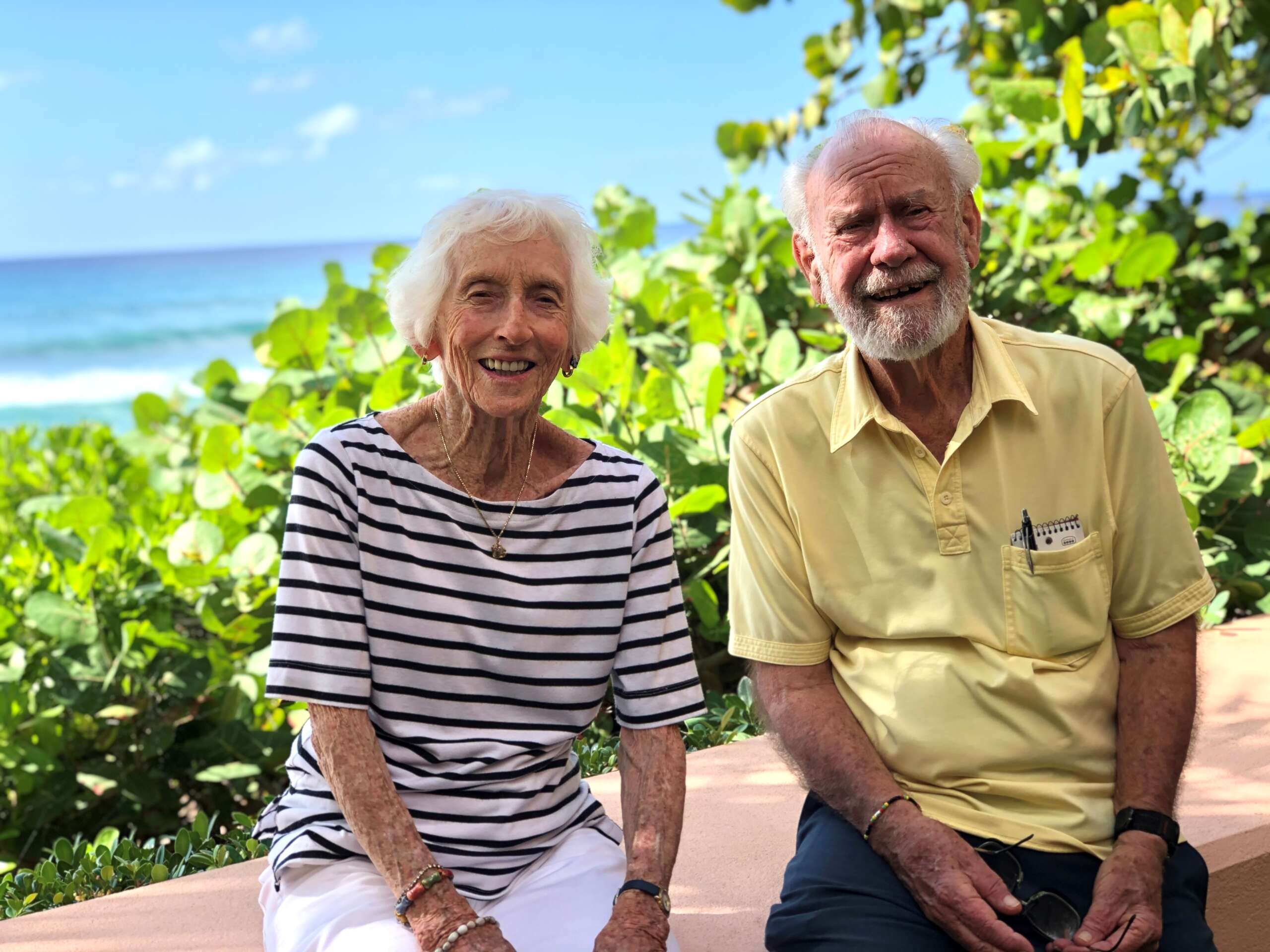
In the mid-1990s, they designed and built a home by the sea in Pease Bay where they spent many hours painting and snorkelling.
A queenly connection
Sibley was instrumental in designing and overseeing the construction of many significant buildings in the Cayman Islands, including the Owen Roberts International Airport Terminal, which was completed in 1984, and Transnational House, which is now the Grand Pavilion on West Bay Road.
Arek Joseph, who worked with him at architectural firm Chalmers Gibbs, told the Compass that Sibley had come over from Jamaica in the late ’70s to work with the firm on the Transnational House project, commissioned by Fred Rice.
“Fred Rice didn’t want the building to be in George Town,” Joseph said. “In those days, West Bay Road was not built up.”
He said the building had offices on the ground floor, a high-class restaurant called the Diplomat, and hotel apartments on the second floor. The place was so exclusive, Queen Elizabeth II stayed there when she visited Cayman in 1983.
Joseph said the queen stayed in the apartment owned by Rice, while her ladies in waiting and some security staff stayed in another one of the apartments.
“They flew in some of her favourite photos of her family, which we put by her bed for her,” he recalled.
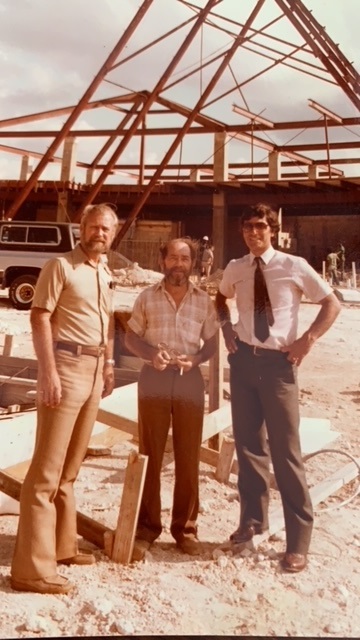
Sibley and his family ended up moving to Cayman, so he could work at Chalmers Gibbs. Among his major contracts was Owen Roberts and its much-beloved A-frame viewing area, which was replaced with the new modern terminal in 2017. Sibley was in charge of the construction stage of the airport.
“It was, I think, the only government-funded project that was finished on time, on budget, largely due to Jeremy’s efforts,” Joseph said.
He said his colleague went through the construction drawings and contracts with a “red pencil” to ensure everything was in place and there would be no surprises in terms of costs and expenses.
The contractor on the project was Arch and Godfrey.
“It was a wonderful project that, in my experience, never had any claims for extra funding, no claims for extra time, no rows, no controversy,” Joseph said, adding that it was funded by the Caribbean Development Bank and cost $15 million.
“Jeremy had a very disciplined, professional approach,” he said.
He added, “He was a wonderful man to work with, an upright principled man with integrity.”
Joseph said he stayed in contact with Sibley over the years, even after his former colleague retired and moved to Canada, as Jeremy and Joanne and family members regularly returned to Cayman, where they retained a home and where they spent between four and six months a year, until recent years.
Talented artist
Sibley was not just an architect; he was a talented artist as well, as is his wife Joanne, who told the the Compass that during their stays in Cayman, they would spend all their time painting, swimming and seeing friends.
Sibley’s family said his “amazing eye for detail”, which served him well in his architectural career, was also evident in his artwork, like his watercolours. His paintings of the local landscape, and Joanne’s, can be seen in the National Gallery of the Cayman Islands.
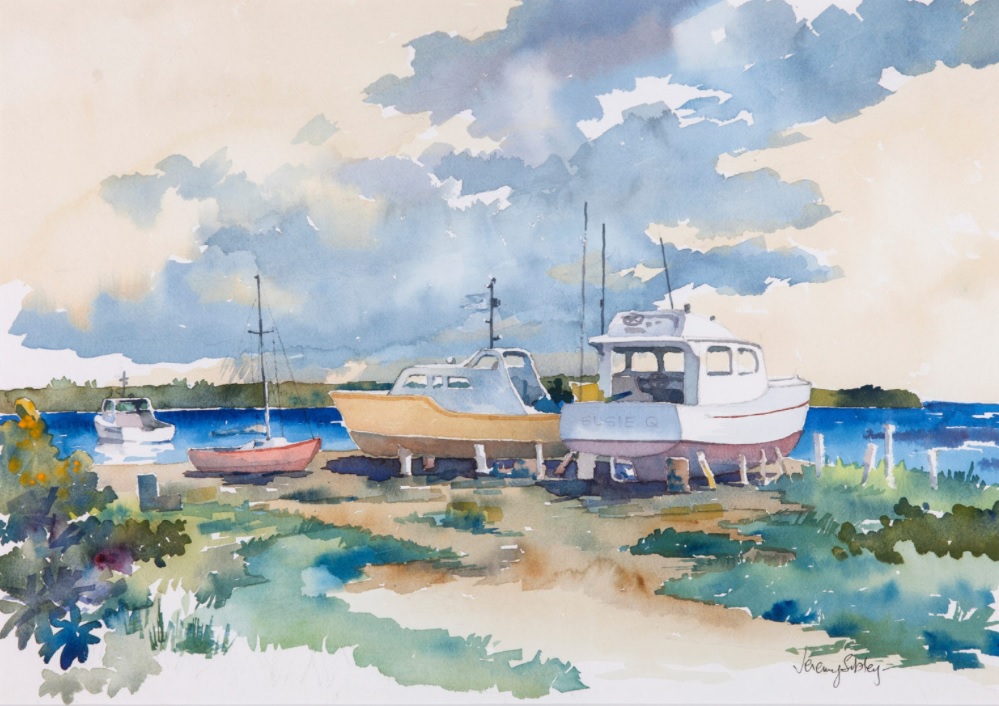
In a social media post following Sibley’s death, the National Gallery described him as having made “a significant contribution to the visual arts of the Cayman Islands by showcasing the islands’ unique culture and landscape to atmospheric and expressive effect”.
A number of his works have been displayed at National Gallery exhibitions over the years, including ‘Watermarks’ (2005), ‘A Legacy of Light’ (2016), ‘Tropical Visions’ (2019), and ‘Seascapes: Maritime Art from the National Collection’ in Little Cayman (2020) at the Little Cayman Museum.
It noted that the artist’s work was also exhibited several times with the Visual Arts Society and in Salt Spring Island, British Columbia.
The Sibleys and their young family took many trips abroad in the late 1960s and throughout the 1970s, and wherever they went, their artwork was in evidence, as they filled numerous sketchbooks with drawings of their adventures.
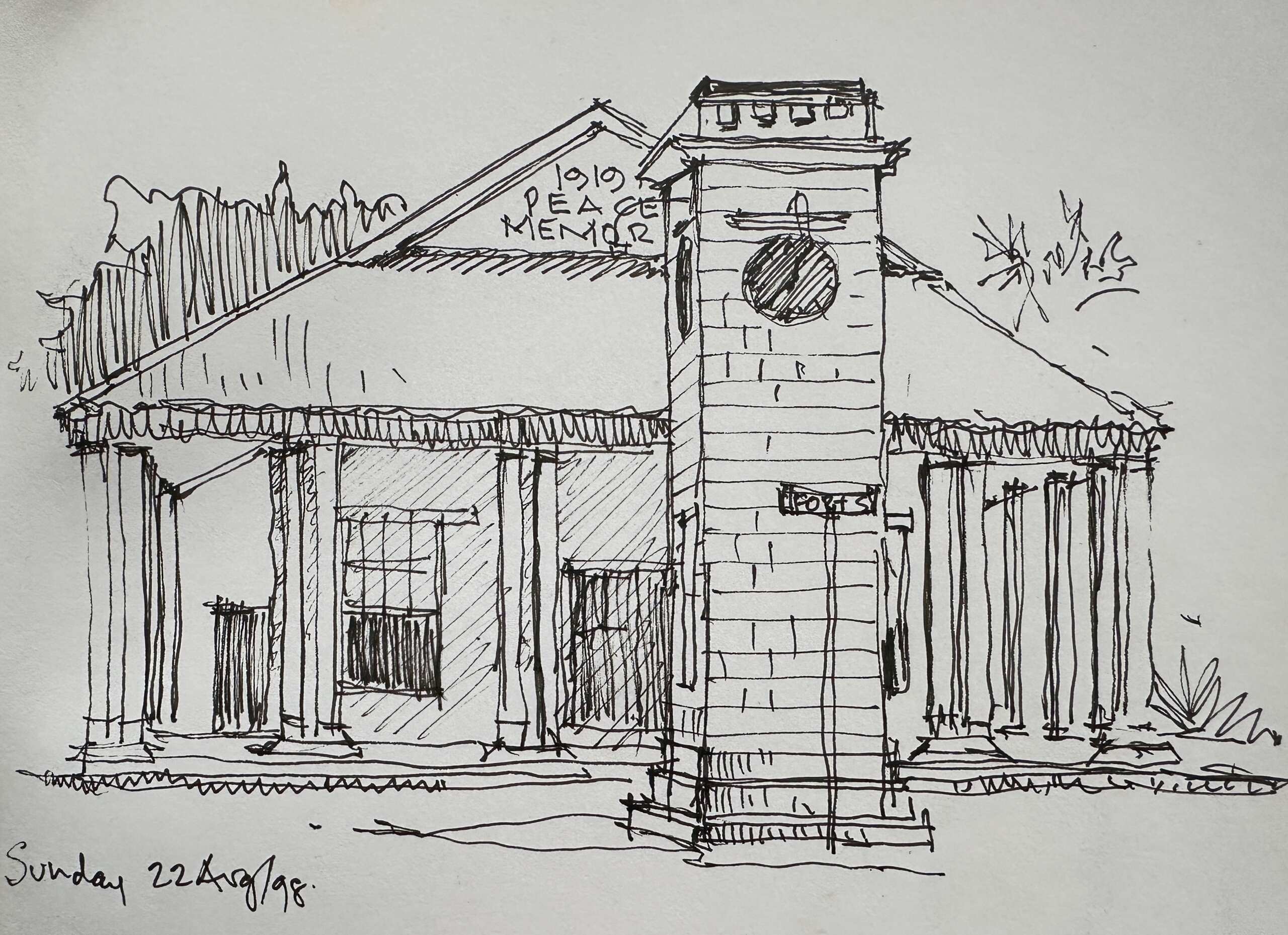
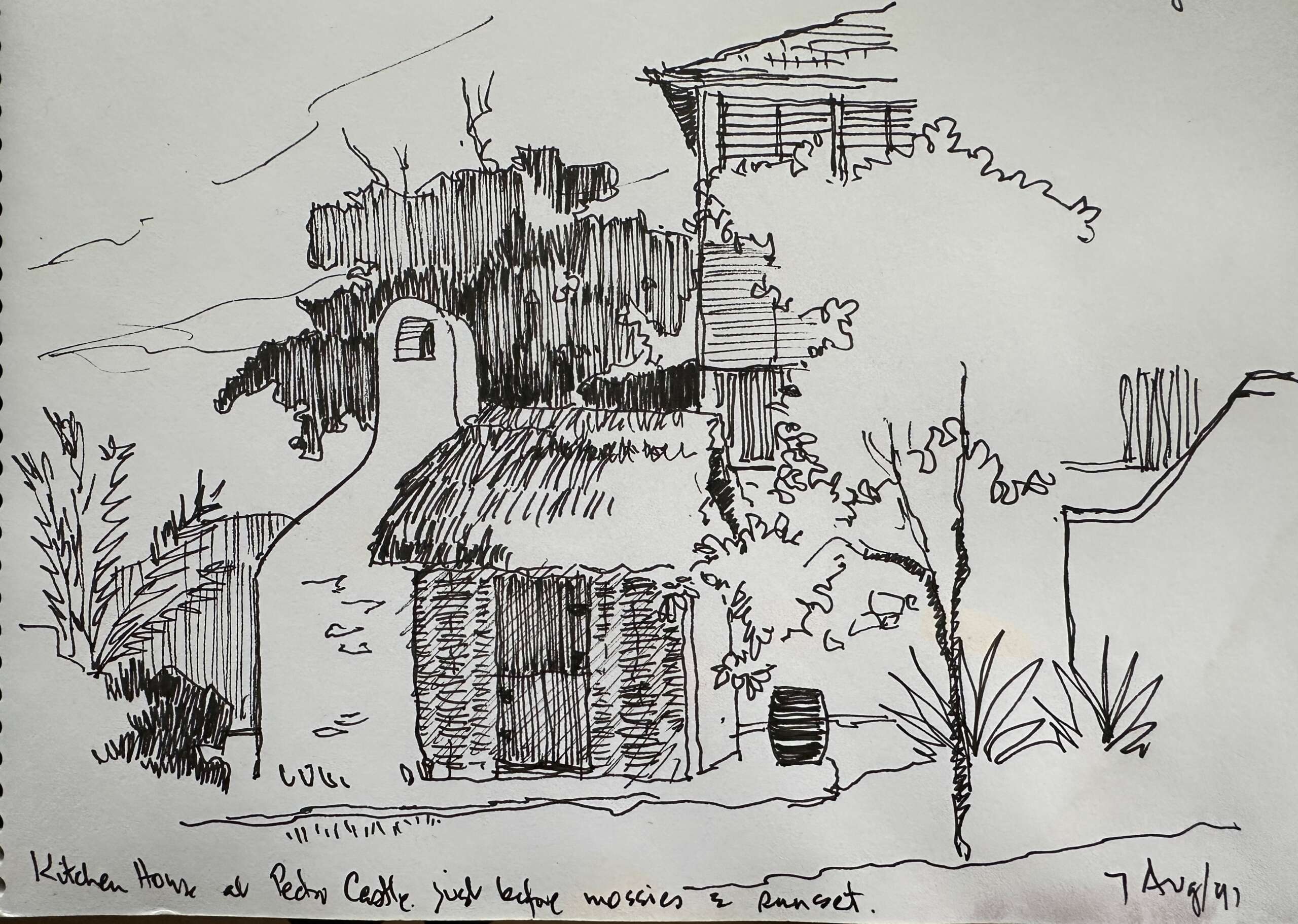
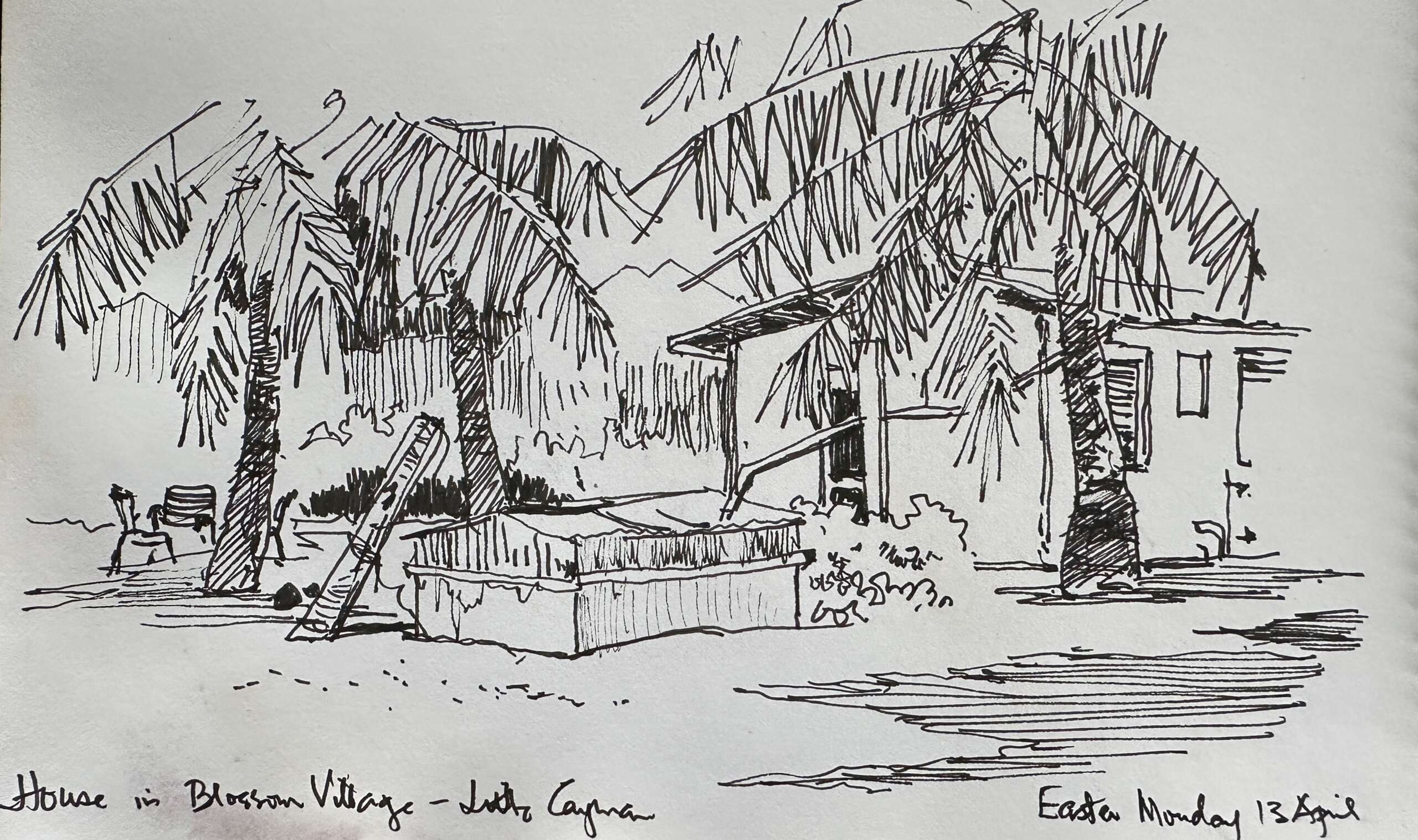
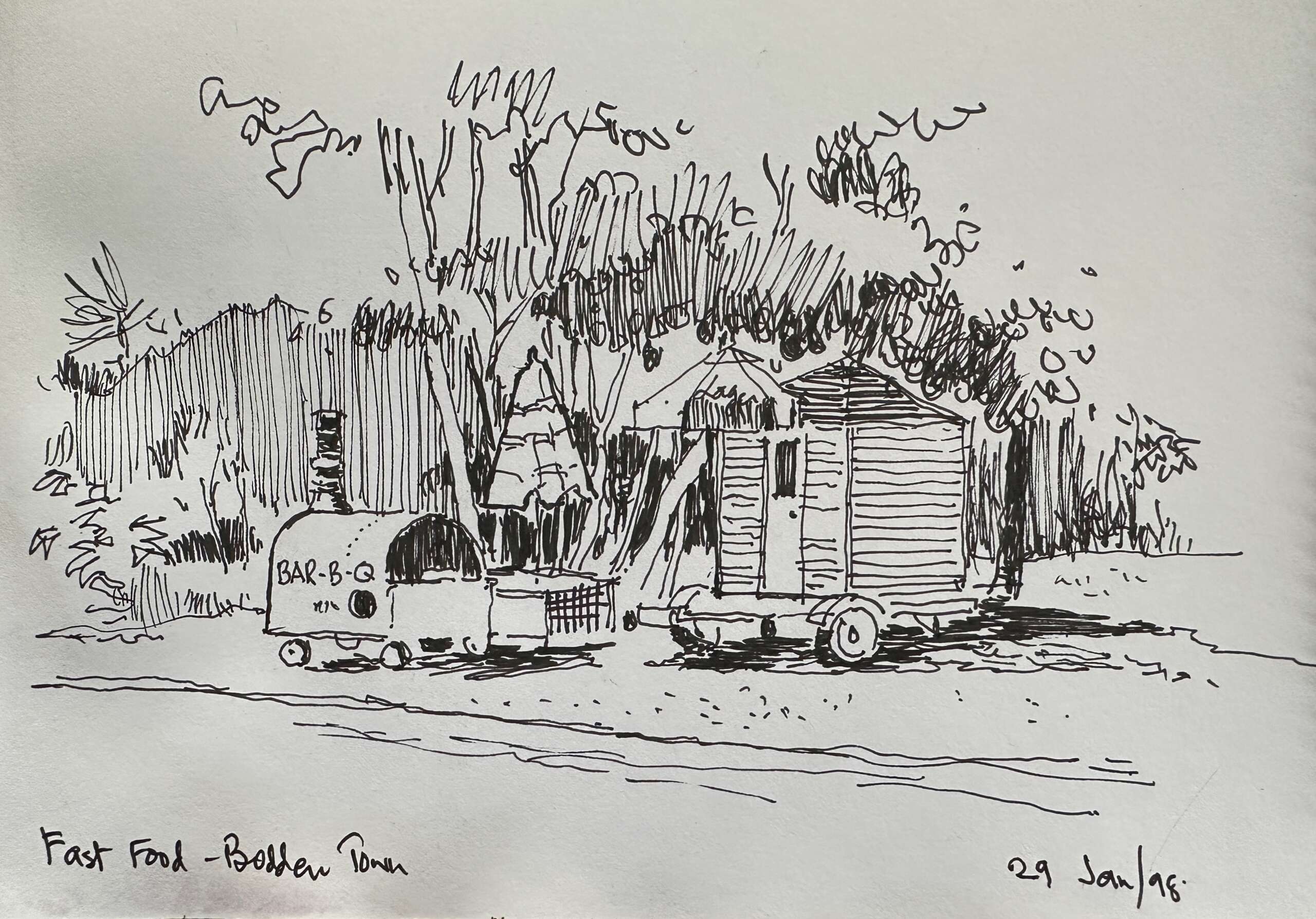
Passionate about maintaining the architectural heritage of Cayman, Sibley also volunteered many hours on the board of the National Trust.
‘Consummate napper, cruncher of cocktail ice cubes’
In their tribute, the family wrote, “Jeremy was a keen and curious listener and had a knack for drawing people into conversation. His family will miss his warm Jamaican accent and his tales of old Jamaica along with his funny sayings, a great many of which were probably remembered from his mother.
“He was a consummate napper, a cruncher of cocktail ice cubes, a lover of Jello with milk, and a soup with pear aficionado. He had an inquisitive mind, especially for geography, history, and travel.
“He was a lifelong writer of notes (so many notes!) and it was important to him to stay in touch with friends and family, particularly at Christmas with cards that he and Joanne made by hand. He will always be remembered for his kind and calm demeanour and his warm and friendly smile.”
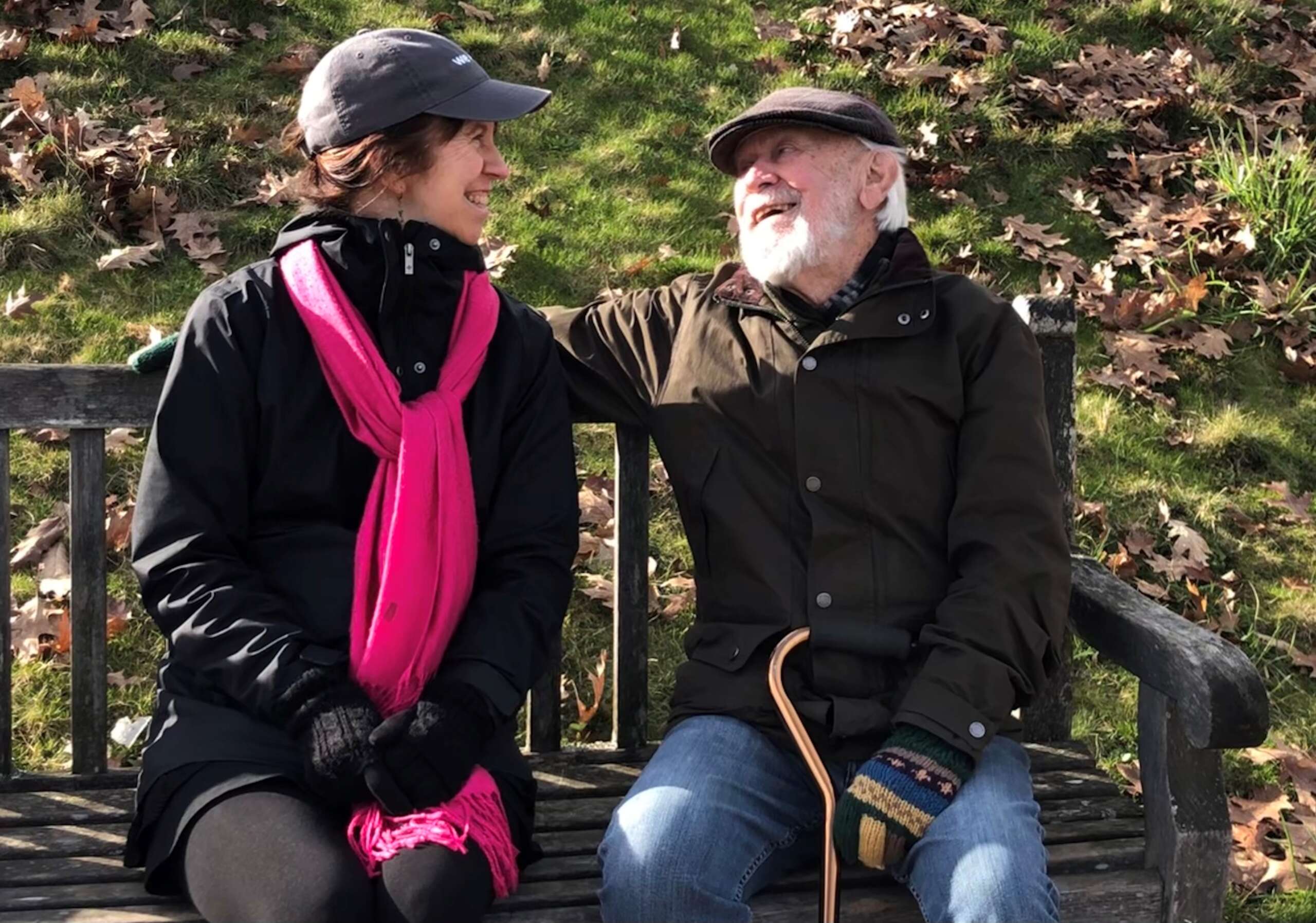
His health slowly began to decline after a stroke in 2020. He passed away peacefully on 31 Dec. 2024 in Salt Spring Island.
He is survived by his wife Joanne, daughters Gail and Andrea, son Brett, and their families.
A celebration of his life is expected to be held in Cayman in the coming months, details of which will be announced at a later date.
Related Videos