

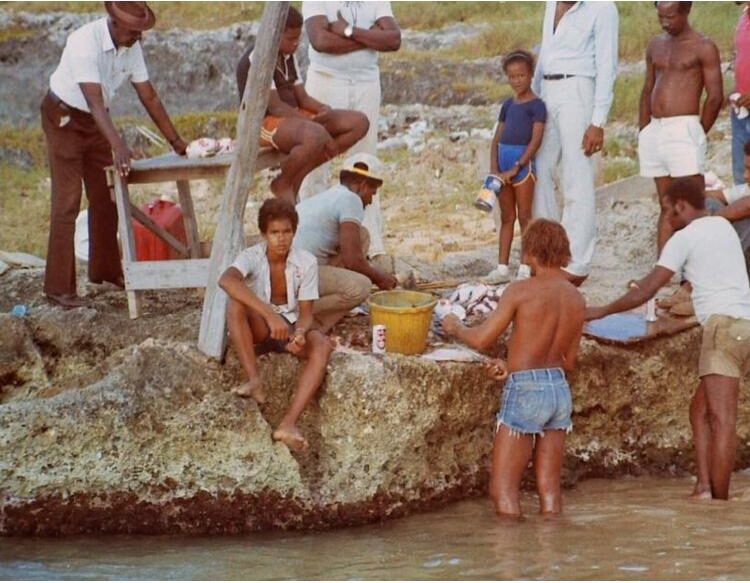
Elderly fishermen say they have been cleaning and selling their catch at Red Spot Bay for more than half a century.
The land has been used for generations, fishermen at the site insisted – a perspective that is reinforced by photographs supplied to the Compass, dating back decades.
“I have been cleaning fish here for 55 years and I am still here cleaning fish,” said Lindo McGowan.
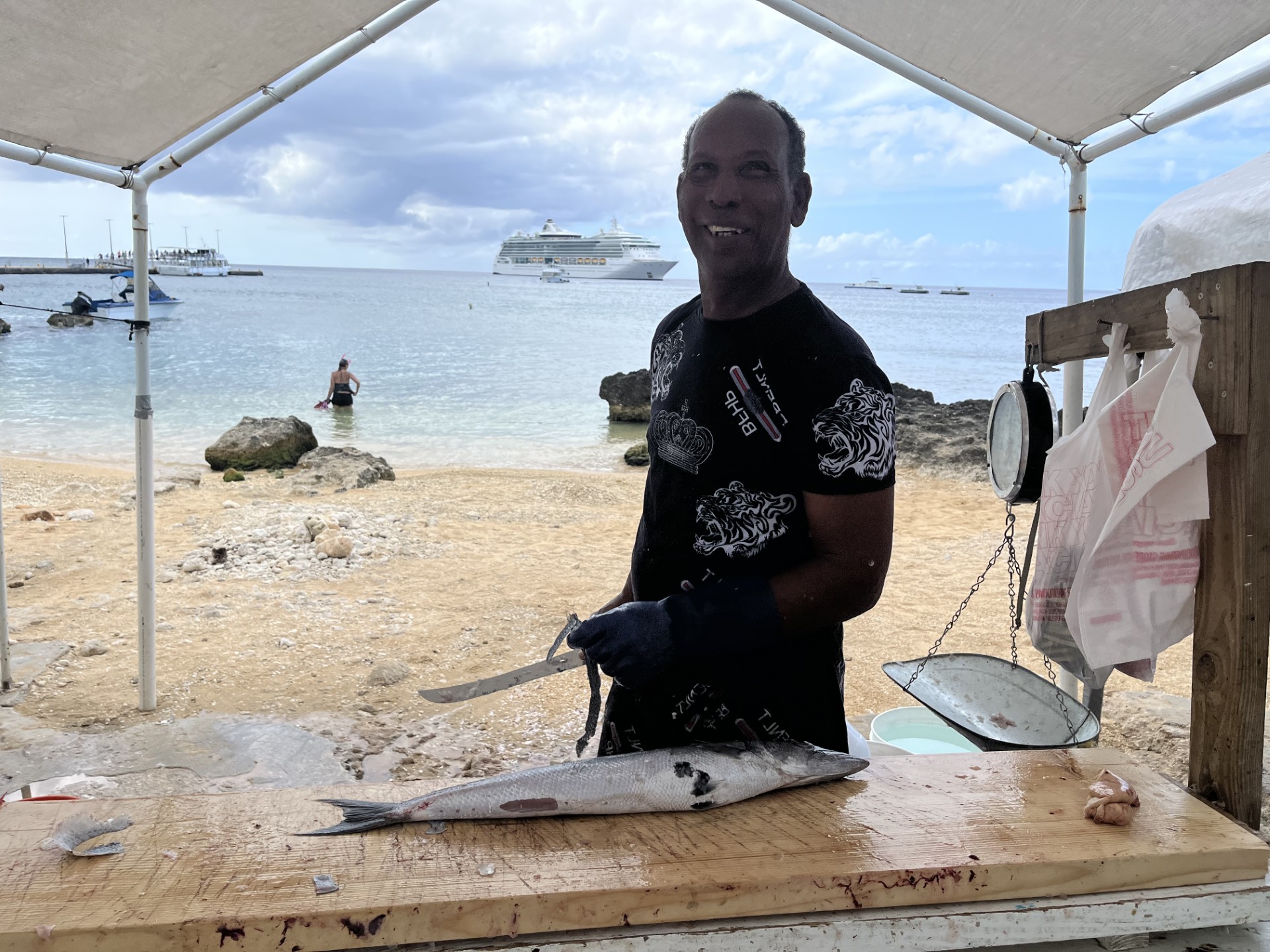
Their comments came amid a row over government plans to compulsorily purchase the property in order to protect the open-air fish market.
Landowner Chris Johnson wants the anglers off the land and disputes claims they have been using the same spot for decades. He is fighting government’s attempts to seize the property and wants to put the land in trust as a public park.
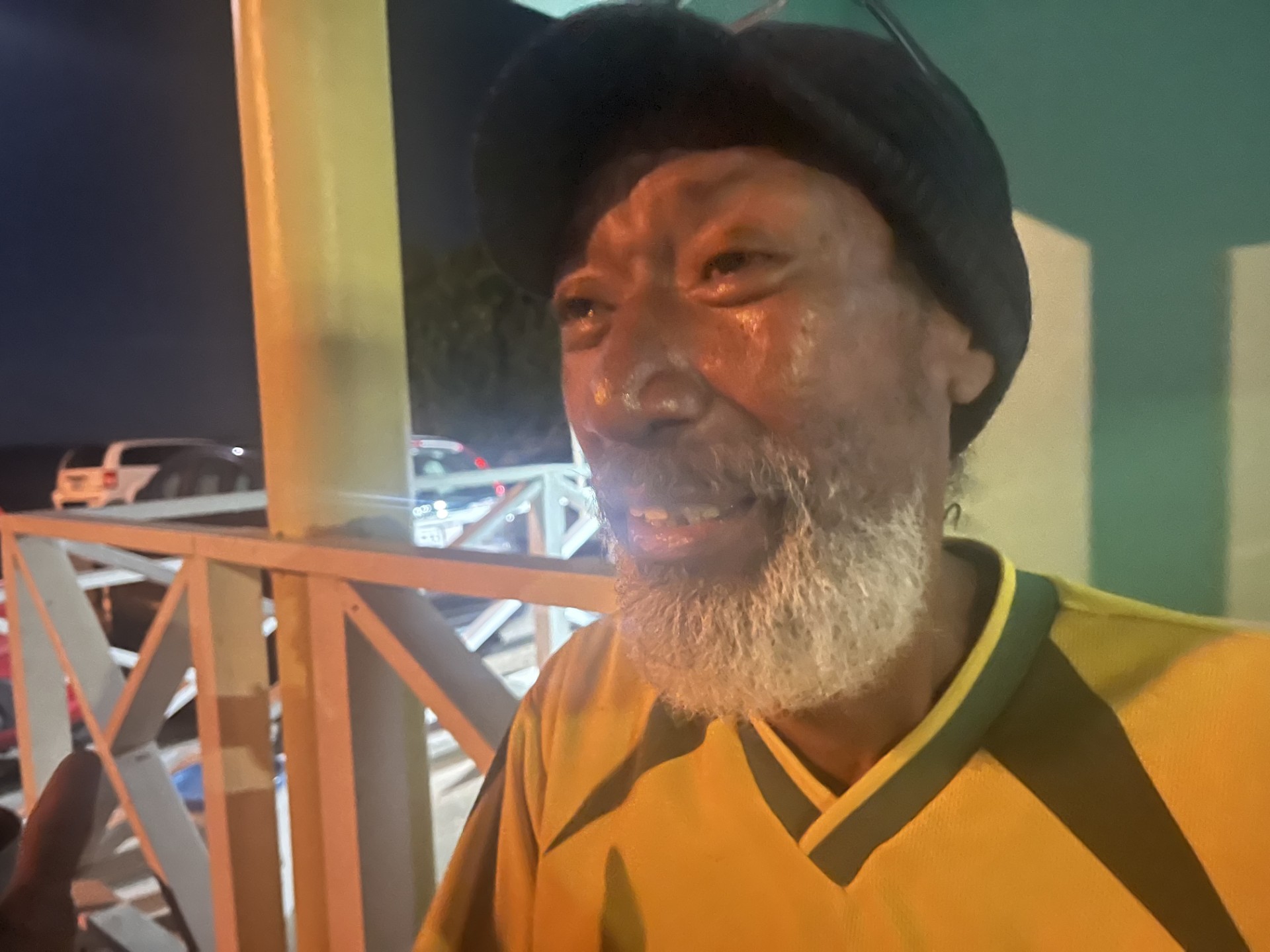
Despite contradictory accounts of the site’s history, fishermen insist it has long been established as a place to trade – even before the land was officially registered in private ownership. They argue they have prescriptive rights to the site, also known as Dora’s Bay, despite Johnson’s ownership.
“I hear it is upsetting some of the elders in George Town,” said Elmer Bodden of the dispute, adding he hopes they can find an amicable solution. “I grew up in town and I am in my sixties now and I remember the market being there from when I was a child.”
Fisherman McGowan told the Compass, “When I first started, I found people like Mr. Guy and Mr. Hensey and they were doing the same thing; cleaning their fish and selling them here.”
He added, “When the cruise ship passengers come off the dock, we are the first authentic Cayman experience they have, and they always take photographs of the market and the tarpon in the water, they love it.”
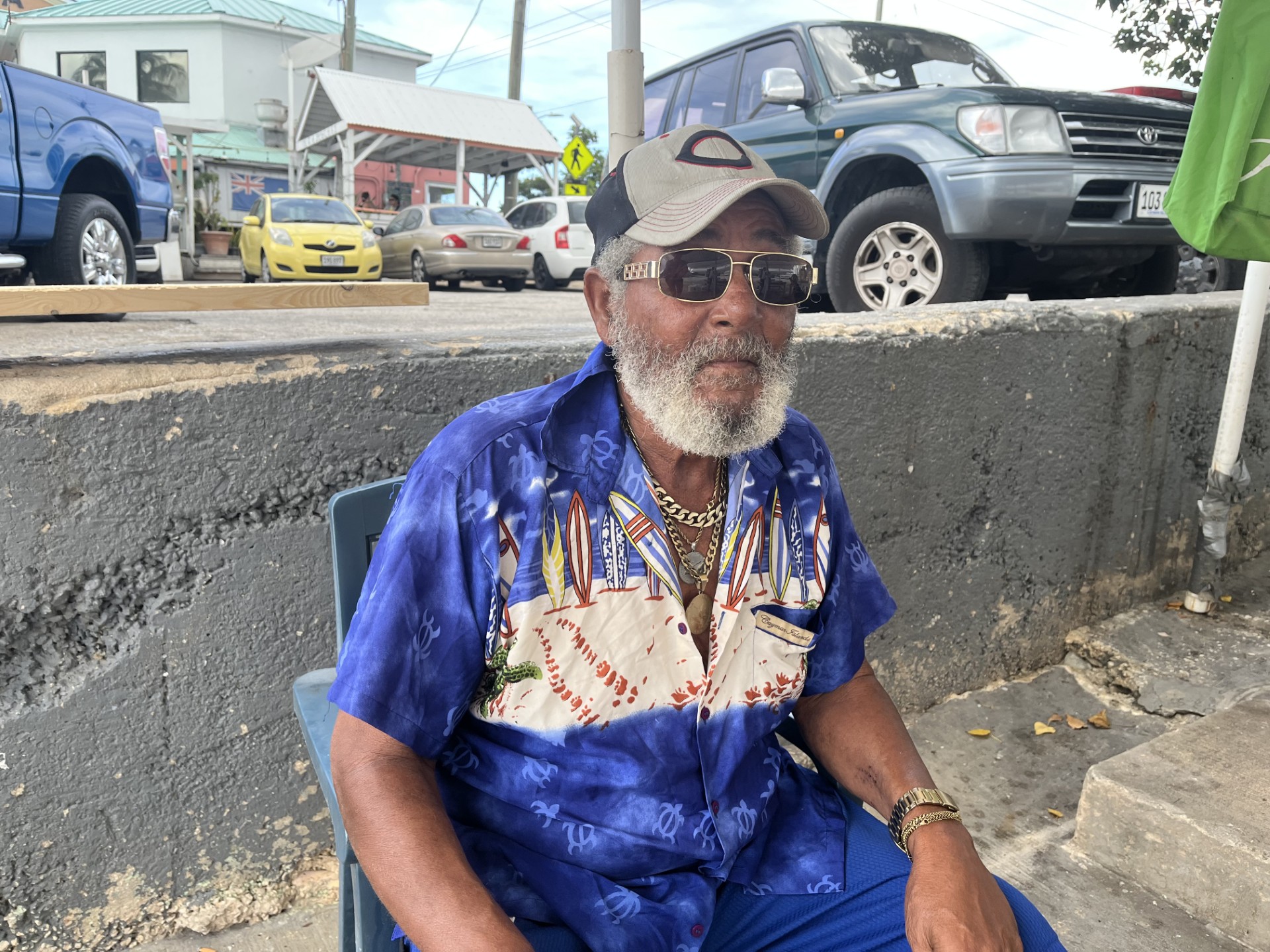
“Our ancestors cleaned fish here,” claims Robert Russell. “I was raised in George Town and, as long as I can remember, it was a fish market.”
Another full-time fisherman, known simply as ‘Sparrow’, lives in West Bay and primarily does charter boat fishing. He said, “I fully respect people’s property rights, and I think we in Cayman understand that, but, at the same time, the fishermen have been there as long as I can remember.”
He added, “None of the Caymanian boats are earning a penny on the west side [of Grand Cayman], it all goes to foreign boats which use and bang up the government dock but don’t pay a penny for it – it is not sitting well with some of the Cayman people.”
Johnson: ‘They have not offered me a fish’
Owner Johnson says he will fight the compulsory acquisition all the way to the highest court of appeal, the Privy Council, if necessary.
He said no offer had been forthcoming as yet, despite government publishing its plans to force the sale of the property.
“They have not so much as offered me a fish,” he said, adding that he believes the site is unsuitable for a fish market.
“There is no parking, there are no toilets, the place is a health hazard,” he said.
“Government is trying to steal the land from me and, meanwhile, people are smoking ganja down there, and I am potentially liable if something happens on the property.”
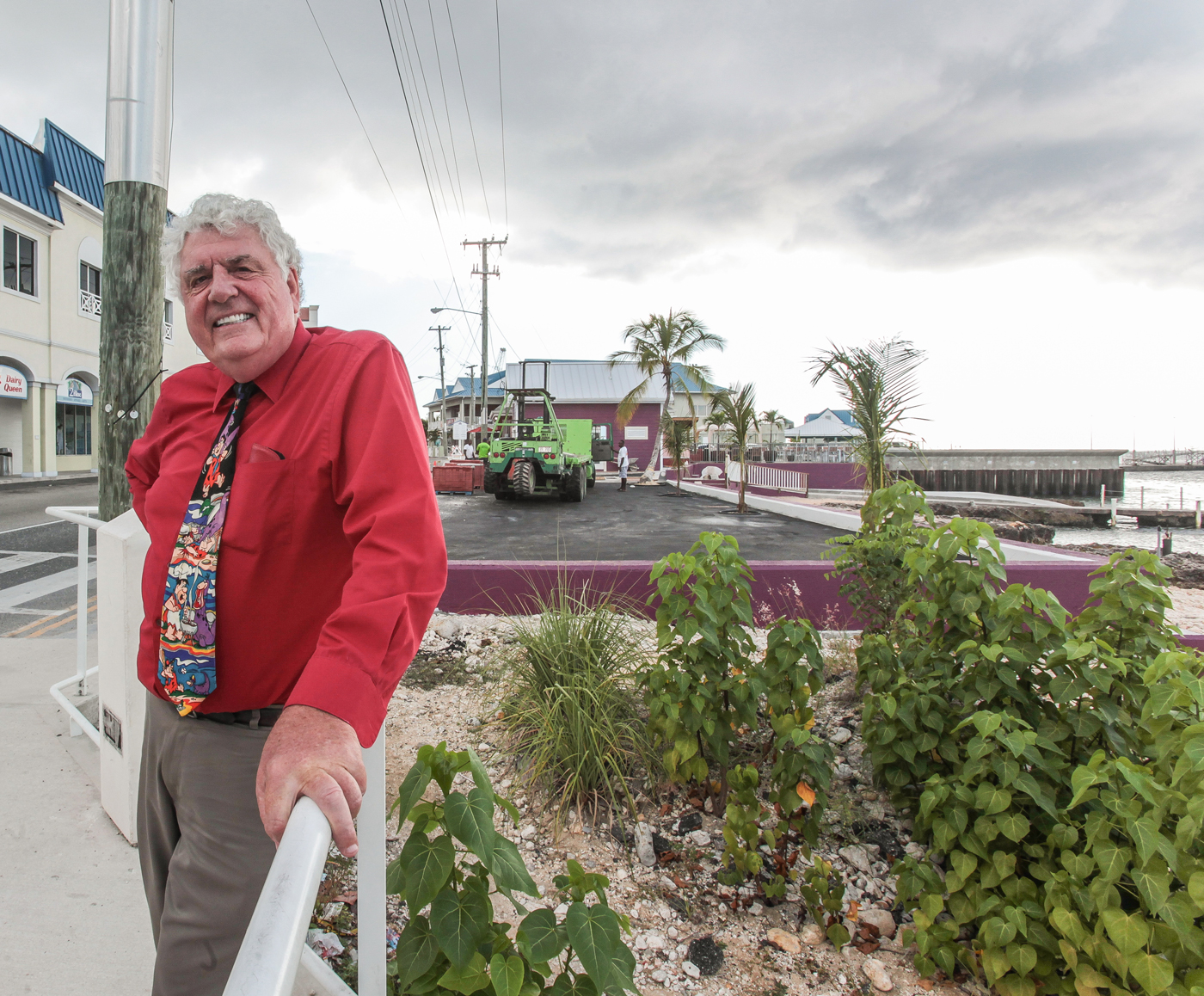
In an earlier letter to members of Parliament, Johnson suggested that fish cleaning and trading have taken place in the general area, but not always on his land.
“Part of the adjoining ironshore where a restaurant is now located was utilised for selling fish where a scale was kept for weighing the fish,” he said.
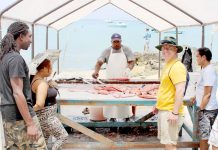
Aerial images reviewed by the Compass dating back 50 years show the original ironshore coastline on OPY 5 was used for cleaning and selling fish – one of the land parcels owned by Johnson and currently subject to a compulsory acquisition order by the Cayman Islands government. The below photograph shows trading at the site prior to the concrete being poured and appears to support the fishermen’s position.
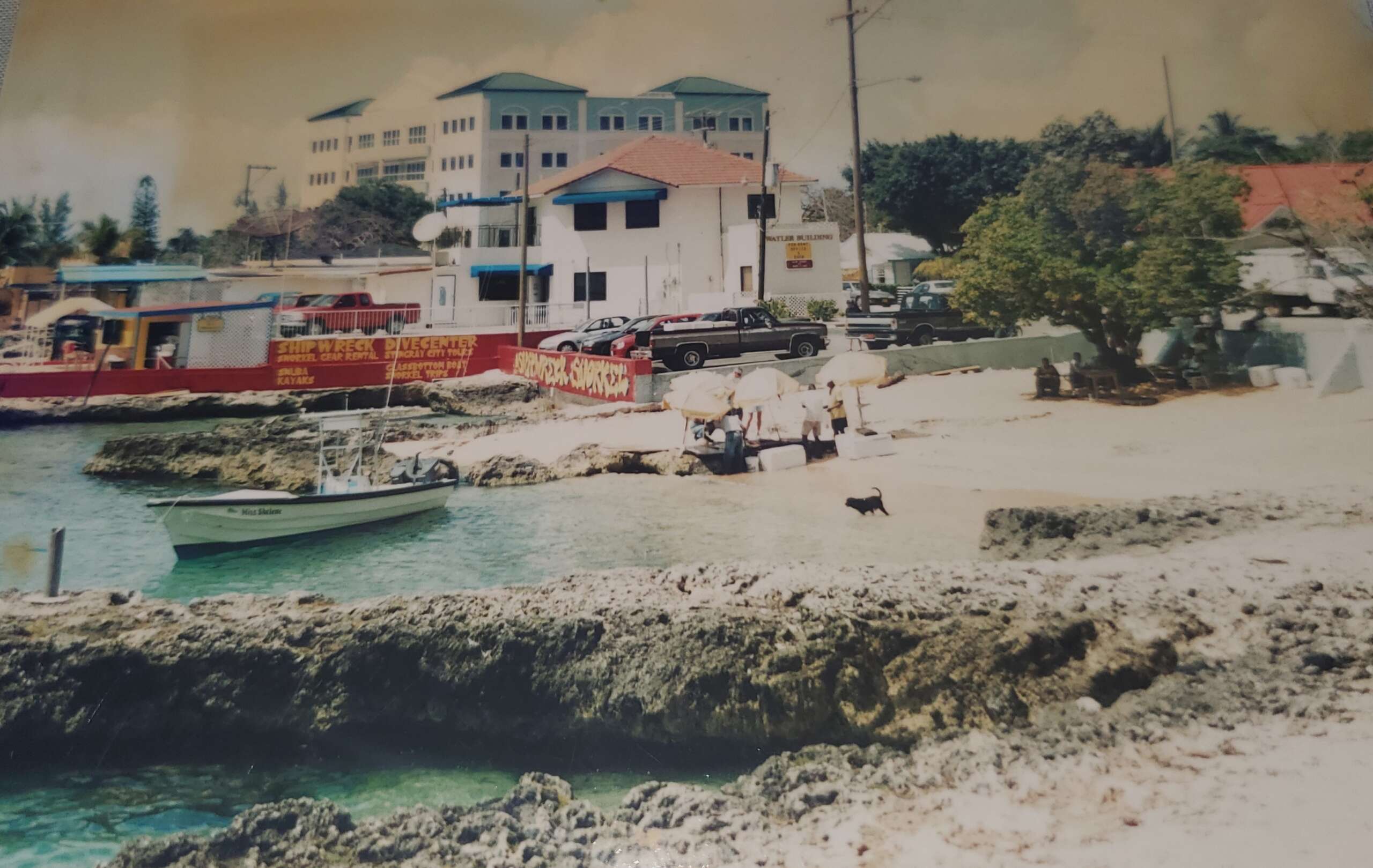
This view is supported by numerous people interviewed for this article.
As outlined in an earlier story in the Cayman Compass, government has now published a preliminary notice under the Land Acquisition Act indicating its plan to force the sale of the plot to “Ensure ownership of the property by the Crown for the future benefit of the people of the Cayman Islands and the local fishermen for the continued use as a public fish market.”
Johnson also disputes the length of time the fishermen have been using the location to sell their catch. “It is believed by some that they have been at that location for 50 years continuously, but that is contested by a substantial amount of evidence to the contrary,” he said in the letter to MPs.
Elder voices weigh in
On 17 Feb., on Radio Cayman’s ‘For the Record’ talk show, host Orrett Connor said, “That Dora’s Bay location was used long, long before any non-indigenous person would have come to the Cayman Islands and thought about ownership.”
Former member of the legislature Roy Bodden called in to the show, and said, “As the Cayman Islands develops, more and more prescriptive rights are being called into question.”
Former permanent secretary Carson Ebanks told the Compass he wondered if the fishermen could move to the Lobster Pot dock area, where there is more space and people can pull in with their cars.
Former MP Captain Eugene Ebanks said that, while he too respects private ownership, he agreed that the fish market had been there from before Johnson bought the property.
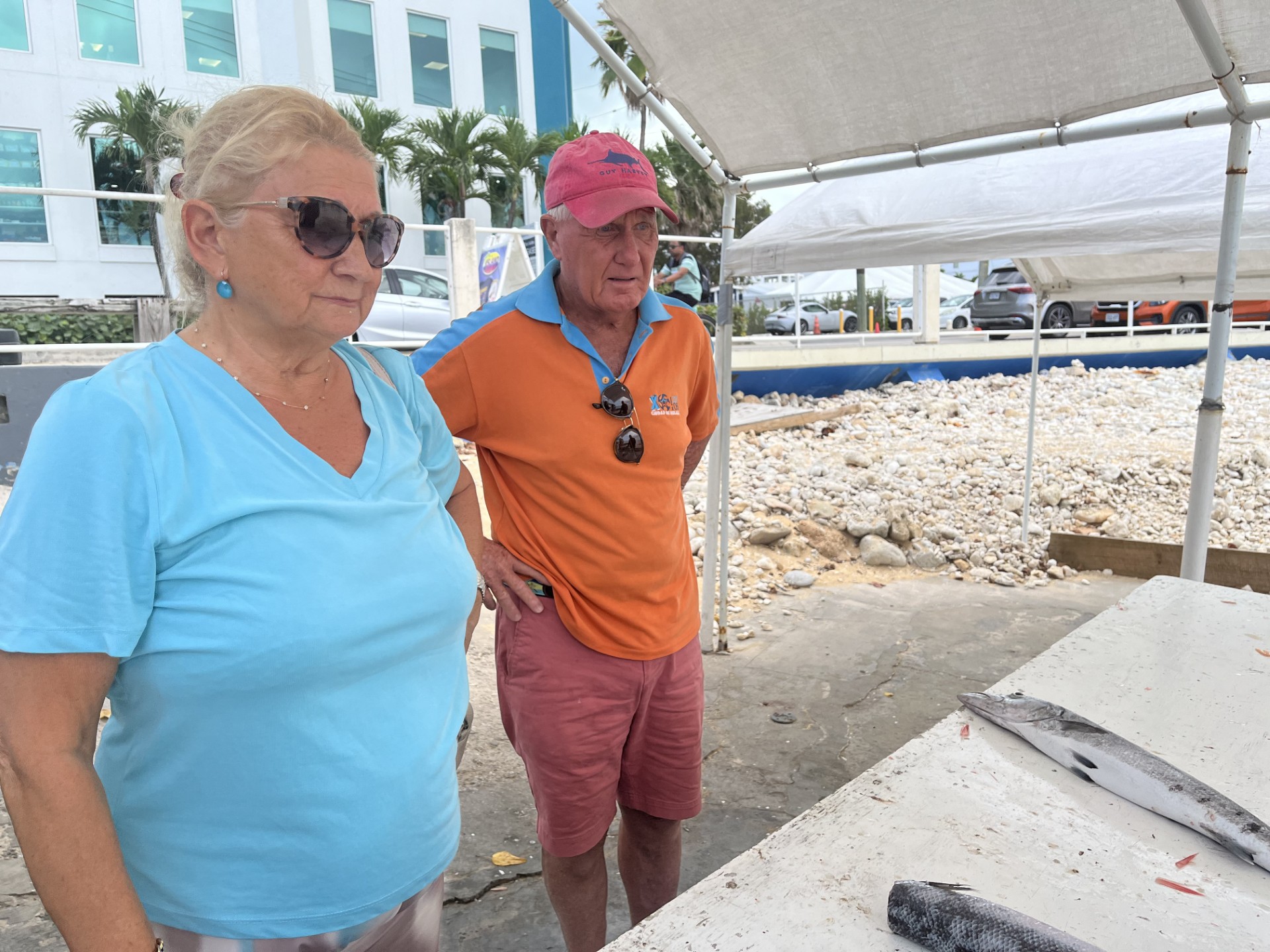
A Norwegian visitor, who gave his name as Herman, was at the market recently to buy a fish with his wife Rose. They said they have been coming to Cayman every year for the past 10 years and they felt it was important to retain the market.
“It is something that reminds you about the Caribbean, and it is cultural,” Herman said.
Johnson has said he wants the property to be used for tourists and locals, and so people can swim there and enjoy the beach.
He has indicated he also wants to beautify it and make it accessible for people with disabilities, adding, “I am happy for all to use it, but not whilst it precludes other people from using it.”
Related Videos










Mr. Johnson stand your ground. There is a bigger plan by government for this property and it has nothing to do with fish. Its a traffic hazzard and a big liability for these men doing business without a license or insurance. If a tourist gets mowed down by a car who pays for that? You sir, you have every right to develop and make this a community park which is much needed. Fishermen, open shop on the land next to lobster pot. That is government owned now.
In the late 1990’s and early 2000’s my Dive business leased the property, including buildings and the small car park on the site that is now “The Cabana”. Not a day went by when I had to ask a truck owner if he could move it off the property so that I could park my vehicle.
I will not go in to further details, short of the prospect of a “violent confrontation” left me parking on the main road.
I raise this point simply because there is no “designated” parking for the fish market, and therefore it does not meet sensible standards of safety for their customers.
Can the Compass confirm if all the vendors on the beach are Caymanian and that the large supply of fish available daily are all caught by local fishermen. The other issue is that 50 years ago there was very little traffic in this area and no cruise ship passengers, now there is constant traffic and hordes of cruise ship passengers, many of whom like to have a swim and snorkel in the immediate area. As has been pointed out there is no parking or toilets and clearly this location is unsuitable for this commercial operation.
We already have a thriving market place in George Town, selling all sorts of local products with large numbers of local customers, toilet facilities and plenty of parking, open I believe 4 days a week. Why not sell their fish from the public marketplace?, if they want to operate daily I’m sure that could be accomodated.
Just because fish were sold here 50 years ago is not a binding reason to continue , turtles were caught 50years ago and landed at the George Town dock, but life moves on and turtle meat is supplied by the Turtle farm.
The fishermen will not lose their trade if they move, but will certainly thrive at the GT market as they have so many customers.
If this happens, they should be happy, our cruise ship customers will be happy with upgraded beach facilities for swimming/snorkelling and Mr Johnson will be happy having provided a beach facility for the public and our cruise visitors.
The landowner is not denying that people used to sell fish from the Ironshore after a day’s catch but his primary concern is the tents.
The tents were erected after Ivan and aerial photography will show this timing. Chris objected and informed planning when concrete was poured on the beach for their tents illegally without planning or landowner’s permission. They just poured it all over the beach within feet of the sea.
Until very recent years, since Ivan, they used to sell fish from the seashore. In short, the parcel had never been occupied pre-Ivan, just the waterfront, which everyone has access to. There was no ‘market’ pre-Ivan. How can government justify this move considering they haven’t been selling from the dry land until recent years and why would they considering the growing problem of having a ‘market’ in that location.
The right move is to give them a proper facility in a different location.