Cayman law is to be changed to protect churches from the risk of money laundering and terrorist financing as part of a drive to keep the country on the right side of international standards.
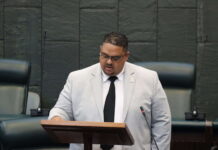
André Ebanks, the premier and financial services minister, said the move was needed to ensure Cayman was up-to-date on the latest rules to combat money laundering, terrorist financing and the proliferation of weapons of mass destruction, such as nuclear bombs, in the run-up to an inspection by the Financial Action Task Force (FATF).
Ebanks added, “This government is taking focused, decisive action to safeguard Cayman’s global standing and prepare rigorously for the fifth round FATF assessment in 2027.
“At the same time, we are making commercial enhancements to sustain and attract innovation and investment in our financial industry.”
Ebanks explained the Churches Incorporation (Amendment) Bill 2025 tackled “a long-identified compliance issue” and made sure that churches registered as non-profits were in line with the registration and governance requirements already on the law books.
He explained, “By explicitly affirming the non-profit nature of their activities in law, the bill enhances transparency, mitigates financial crime risks and demonstrates the jurisdiction’s commitment to best practice regulation in line with FATF standards.”
Ebanks added that clergy whose churches were affected had been consulted to come up with a “collaborative and proportionate” solution.
He said, “In addition to compliance improvements, the Bill introduces modernised governance provisions that reflect current realities and support good stewardship.”
Andrew Ebanks, the Lead Pastor at Agape Family Worship Centre in George Town and a member of the Cayman Ministers’ Association’s executive committee, said the changes were “housekeeping” measures.
He added, “We are all registered as non-profit organisations anyway. A lot of the things in the law are things we have to comply with because of other legislation.”
The pastor added, “A lot of the churches have been around since the 1970s and 80s … it’s more a housekeeping thing, needing to update our information.
“In the process of doing that, they wanted to ensure the changes being made kept in line with the current non-profit organisation law.”
The clergyman said that the proposed legislation did not come as a surprise to Cayman’s churches.
“I wouldn’t say so – I wouldn’t say so at all. It’s pretty standard, I think.”
Related Videos