

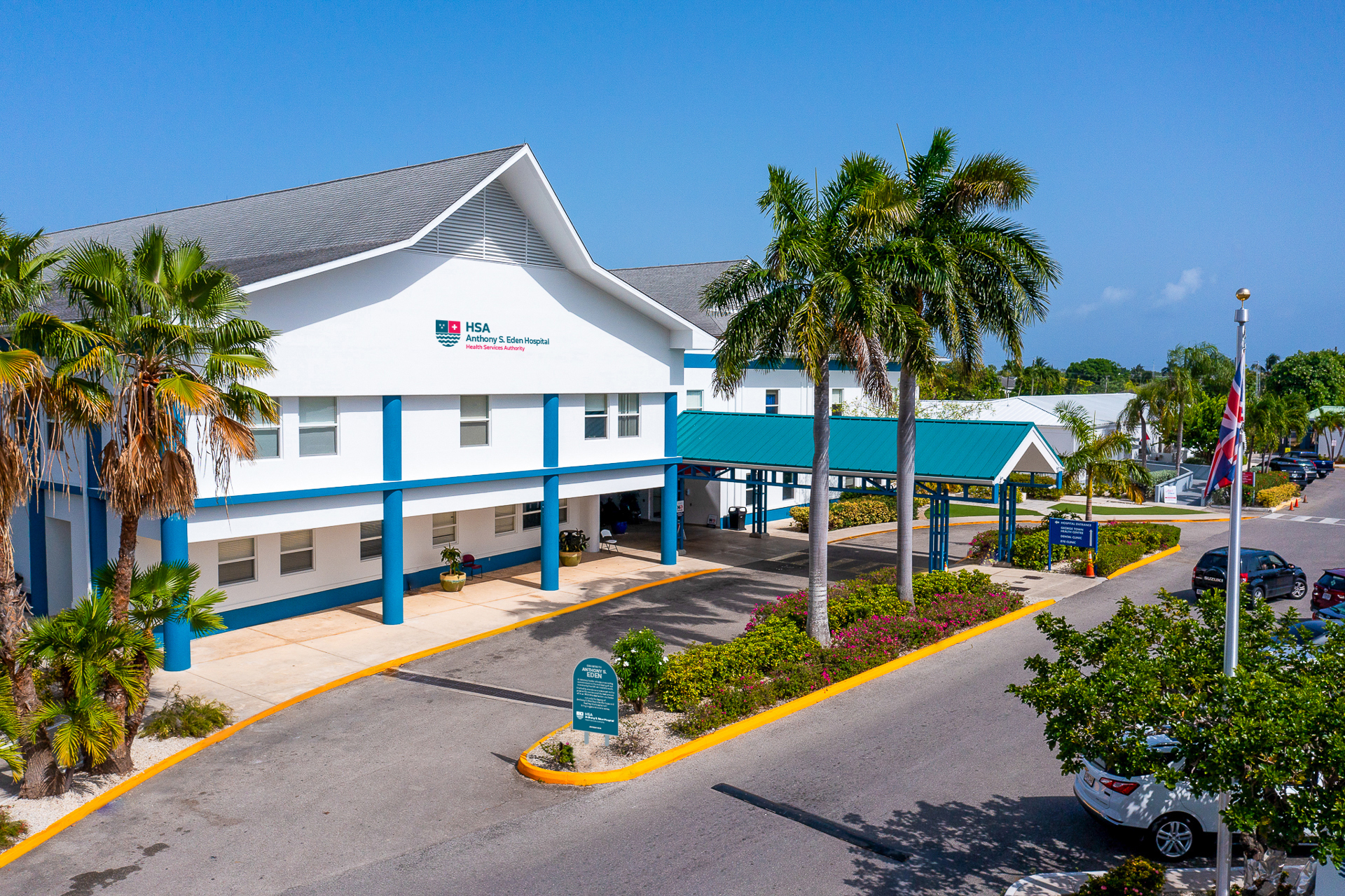
Payments to Health Services Authority board members have increased tenfold with some directors now earning more than full-time medical professionals, MPs were told at a Finance Committee hearing Friday.
Independent legislator Chris Saunders said the total annual payments to board members have increased from just under $19,000 in 2016 to more than $250,000 in 2023.
He said, “Some board members are going home with eight or $9,000 per month. Some staff members aren’t even making anything close to that.”
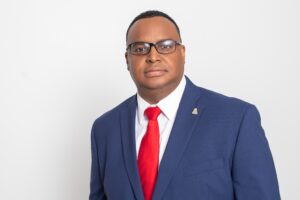
Health Minister Katherine Ebanks-Wilks said some boards, like the HSA, had been through pay reviews, while others hadn’t. The average monthly pay for board members, based on the financial statements cited by Saunders, is just under $3,000 — though the structure of payments means the chair and deputy chair would receive more.
The Health Services Authority board, in a press release responding to the concerns, said its compensation was set by Cabinet and reflected the hard work, diligence and professionalism required of the governance body of “Cayman’s largest public body”. The HSA has an annual budget of $100 million and a workforce of more than 1,000 staff.
Finance Minister Rolston Anglin, part of the new National Coalition For Caymanians, said government would look at the structure of payments for all boards and consider whether a flat rate was more appropriate than a per-meeting stipend. But he said it was seeking to strike a balance that helped attract people with talent and expertise and properly compensated them for their time and efforts.
Bodden Town West MP Saunders said the increase in payments had occurred over a period where the authority’s financial performance had nosedived, prompting a “hiring freeze”.
Saunders said the board, which gets paid between $500 and $750 per meeting, was organising several meetings a week and sometimes two in the same day.
He asked the committee to obtain details of the frequency of meetings and to investigate if they were necessary. Saunders said he believed there is “some abuse” of the system.
He said boards were supposed to provide oversight but not be involved in operational matters, which should be left to professional management.
Osbourne Bodden, who was HSA board chair until January, said the former Health Minister Dwayne Seymour had raised the payments to board members in recognition of the amount of work involved and the level of professionalism required.
“He decided to recognise their efforts by paying a decent stipend under an agreed structure of required meetings,” Bodden said.
He said the public had already seen some of the benefits, with the hospital achieving worldwide accreditation through the Joint Commission International.
In a press release Monday night, the HSA board of directors, currently chaired by Yvette Dilbert, a former senior administrator at the Brac’s Faith Hospital, defended its performance and payment structure, saying it was on par with similar jurisdictions worldwide.
“The legal and good governance environment of the HSA demands experienced, engaged, and accountable Board oversight of clinical, financial, strategic, and operational performance. Board members are selected based on proven expertise in relevant fields, including medicine, law, finance, and business,” it stated, adding that members committed more than 40 hours a month to their roles.
It accepted meetings had increased but insisted periods of “intensive board activity” were linked to the demands of the organisation. The release appeared to accept that members’ monthly payments were sometimes significant and, as Saunders suggested, higher than full-time staff.
It added, “Where an individual board member’s compensation appears higher during certain periods, this is directly attributable to verifiable increases in carrying out official HSA business and meeting requirements. Compensation is structured to reflect documented time spent in meetings or in the conduct of official HSA business, not to reward attendance arbitrarily or increase overall remuneration.”
What do other boards get paid?
An auditor general’s report that looked at remuneration for Cayman’s major government companies and statutory authorities, including the HSA, in 2019, found vast disparities in how board members are compensated for their time.
At that time, the Health Services Authority was among the lower-paid boards. For the 18-month period under review, it had paid its board directors a total of $23,700 — $150 per meeting for seven directors over the course of 13 meetings.
Cayman Airways directors received no financial compensation but were given $80,000 worth of airline tickets over the same time.
Board members at utilities regulator OfReg were collectively paid more than $113,000 during the review period, which included six board meetings. Other boards, including the Cays Foundation, were uncompensated.
The Cayman Islands Monetary Authority was, at the time, the highest paid board, with directors paid a flat monthly fee of $1,500 and the chair and deputy chair taking home $4,000 and $2,000, respectively.
CIMA board members have typically been better paid because of the complexity of the work involved.
Saunders, in his questions to the Finance Committee on Friday, said the HSA board payments now eclipsed CIMA by more than $100,000 annually.
Finance Minister Rolston Anglin acknowledged government needed to look at a standardised approach as to how board members are compensated. He said there was a balance between cutting costs and attracting experienced and competent people.
“There needed to be some professionalisation of some boards,” he said.
“There is a balance to be struck on compensation to ensure that, for boards that carry a heavier load like CIMA and the HSA, we structure it properly.”
Saunders also highlighted a deteriorating financial position for the Health Services Authority, which has gone from turning a profit to running a substantial deficit over that period.
He questioned where the rise in expenses was coming from and suggested it was unsustainable for the HSA to continue to make six-figure losses.
The shift from net profit to net loss is under review but is not linked to “mismanagement or inefficiency”, according to the HSA board statement. It cited an “actuarial re-evaluation of the defined benefit obligation” — the amount the authority needs to make pension payments — as one reason for the reversal.
The board added that there is a widening gap between the cost of delivering healthcare services and the amount paid by patients, which has not been adjusted to reflect inflationary increases.
Related Videos







This is absolutely ridiculous! They should be named and shamed. Anyone remembers the CarePay fiasco? How is this any different?
Seems like a racket of a scam. Cut the payments down and get more locals in the boards.
But of course people won’t care and continue to get the rug pulled under their nose with issues like these. Great article to bring light to what is happening in our government and local economy.
The public need a lot more information about these boards:
How many board members sit on each board?
How do they come to be board members?
Elected? Appointed?
How long do they serve?
What are their individual qualifications?
Are they paid only when they show up to meetings?
Are the meetings open to the public?
What issues are they deciding?
(Which obviously depends on the nature of the board).
Don’t think they ever publish anything like that. Who knows what actions come of the meetings. Just hold more meetings and charge more money.
40 hours a month for $250,000 a year Can I get that gig. Talk about taking advantage of the system.
Interesting article! This situation needs more light shone on it.
How can their salary be based on a worldwide basis? When most hospitals around the world decide their pay scale when so many variables are at play, like: country, hospital size, whether it’s non-profit or for profit, whether the board service is considered volunteer, the local governance norms, etc. There’s so much that needs to be at play before this decision is made. In seeing that the increase in payments had occurred during a time when financial performance had nosedived, is absolutely telling in this case.