

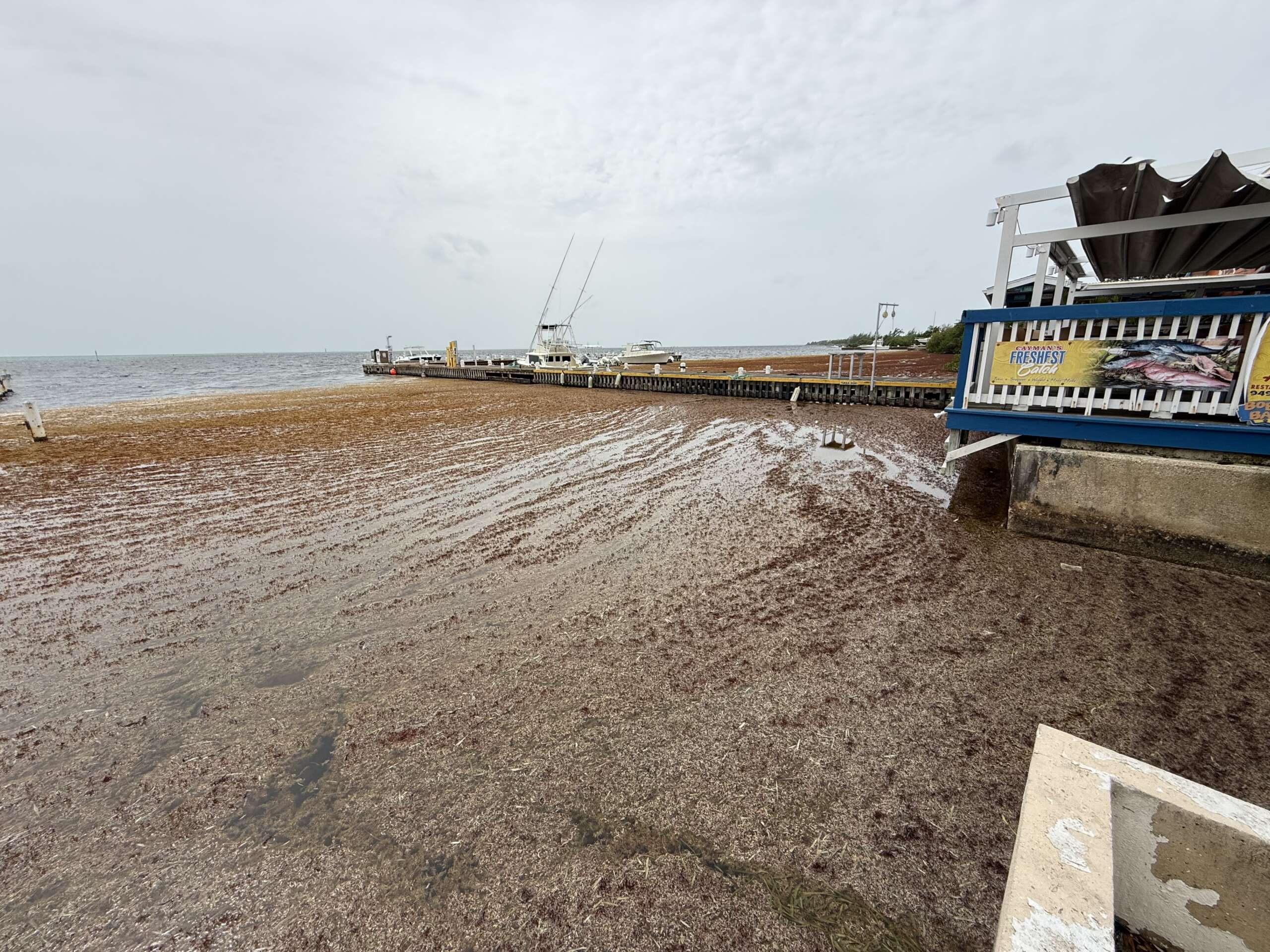
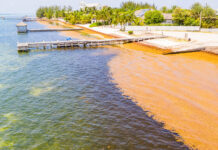
Researchers have been warning that 2025 could be a record-breaking year for sargassum and over the past week, an increasing amount of the seaweed has started to arrive on the shoreline in the Cayman Islands.
While Seven Mile Beach on the west side of Grand Cayman generally remains free of the floating marine algae because it is on the lee shore, other parts of the islands are more exposed to the wind and marine currents.
Reports are now coming in from East End and Little Cayman that sargassum is inundating the coastline and on Friday 27 June, the public launching ramps in West Bay at Garvin Park and Batabano were plugged up with large quantities of the floating seaweed.
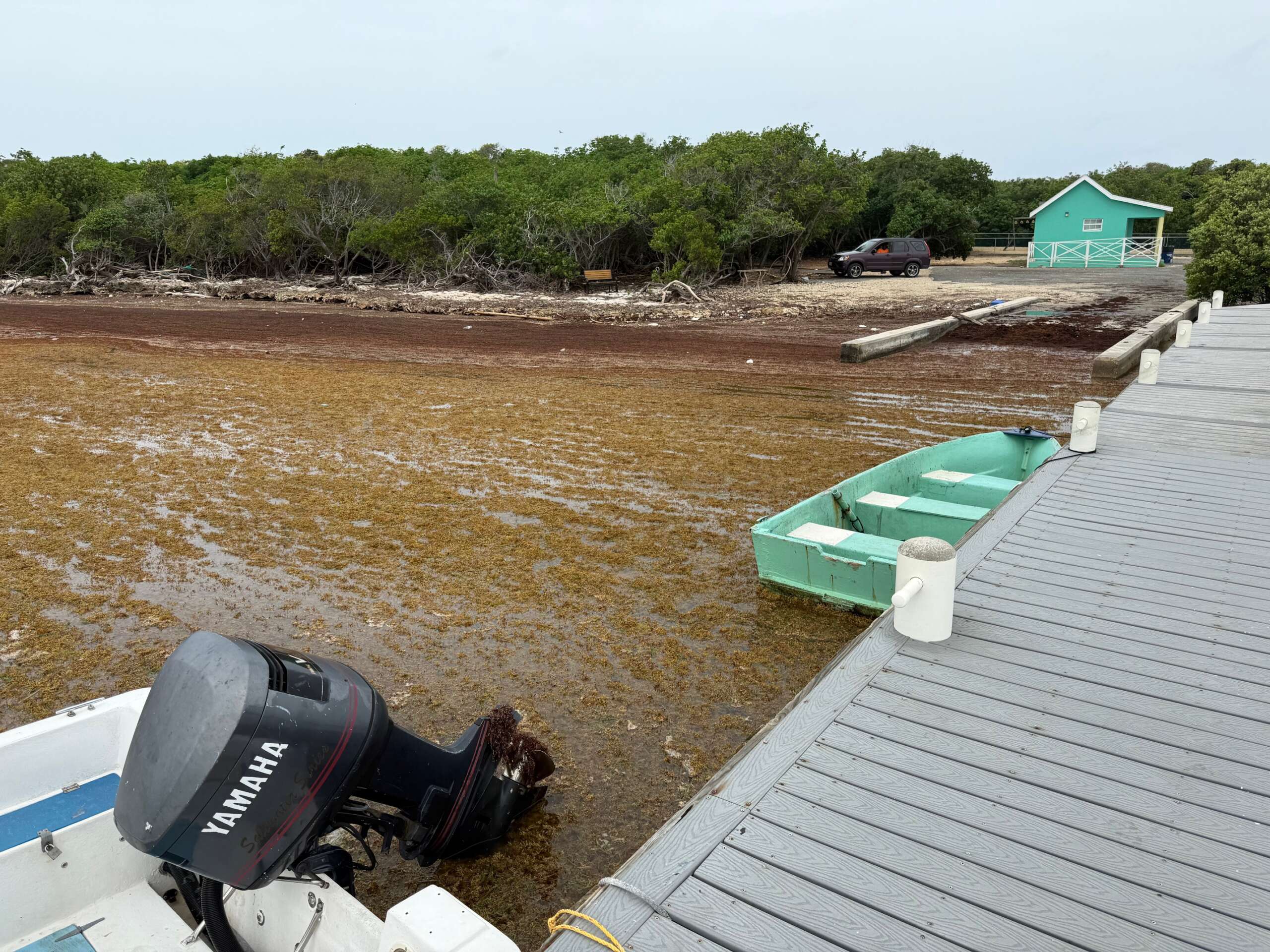
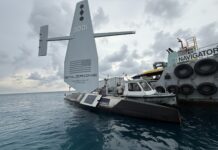
On 27 June, Dwayne Seymour, elected member for Bodden Town East, raised the sargassum issue during question time in Parliament, asking the minister of health, environment, and sustainability, Katherine Ebanks-Wilks, “whether there was a sargassum plan in place for the Cayman Islands and whether specialised equipment had been purchased to combat the issue”.
“There is no plan in place,” was the response from Ebanks-Wilks. She added, “(This) was concerning because up until 31 October 2024 when I was minister there was a draft plan which evidently was not advanced or approved in the intervening six months.”
“Now I am back as minister with responsibility, this is a priority, and the draft plan will be reviewed, updated and submitted to Cabinet in the next few weeks.”
Seymour thanked the minister for her honest response, noting the south side of Bodden Town was one of the areas most affected by sargassum. He noted that on occasions, the sargassum was “heaped up five feet on parts of the Bodden Town shoreline, preventing citizens from utilising the beach”.
He recalled several years ago, year 6 students from First Baptist Christian School did a presentation to the Ministry and recommended a sargassum boat, which at the time cost $500,000. While he added that such a boat would likely cost a lot more now, “This shows that our young people are thinking about the issue too, and they are concerned about it,” he said.
Kimberly Dangerfield, treasurer of the Sister Islands Tourism Association said, “Right now we are seeing large mats of the algae coming ashore on the south side of Little Cayman.”
She added, “Unfortunately it tends to get trapped in the South Hole Sound where most of our tourism properties are located in Little Cayman.”
Dangerfield, who is also vice president of the Cayman Islands Tourism Association, believes it is time to develop a more comprehensive approach to tackling the sargassum issue.
“Each year, we know it is coming, it looks unattractive, it brings an unpleasant odour and unlike some other countries, we don’t have a plan or a way to address it. We need to get ahead of it,” she said.
Sargassum is a floating marine alga that used to be primarily confined to the Sargasso Sea, but in recent years, it has been inundating beaches across the Caribbean region, particularly during the period between May and the end of July.
According to a recent scientific journal article, “Since 2011 it has been impacting tourism, harming the health of humans and marine life and costing local governments millions of dollars per year to clean up.”
The article goes on to note that up until now, “Scientists have been divided on the causes of the Great Atlantic Sargassum Belt.”
Previously, scientists thought it was linked to increased amounts of nutrients flowing out of the Amazon River or due to increasing plumes of Saharan dust in the atmosphere, but a recent study published in Nature Communications may have identified what caused the change in the environment that led to the increased levels of sargassum in the Caribbean Sea.
Specifically, the study points to a notable shift in the atmospheric pressure over the Atlantic Ocean that changed the circulation and wind patterns of the North Atlantic Gyre and pushed sargassum further south into the tropics starting in 2009, where it found warm, nutrient-rich waters and lots of sunlight all year round.
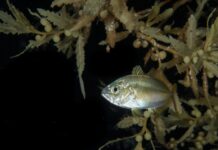
As the Compass previously reported, while sargassum can be problematic when it comes ashore in very large quantities and decomposes, it also has numerous benefits: Studies show that it helps traps sand particles which helps to keep beaches healthy. The algae provides food and habitat for birds, crabs and other marine life. It is even believed that baby sea turtles use the mats of sargassum to haul out of the water to escape from predators and to take a rest from swimming in the open sea.
Another interesting creature that lives in sargassum is the pipefish. Sargassum pipefish are closely related to seahorses.
The Department of Environment previously developed informational materials and a seaweed removal enquiry form to help landowners determine when action is needed to address influxes of sargassum and when it is best to let nature take its course.
Related Videos





Looks like it could make a good natural/organic fertilizer. Hmm….
The government needs to take action. This is really bad.