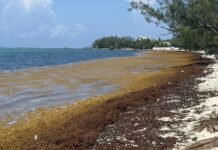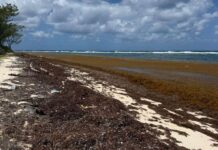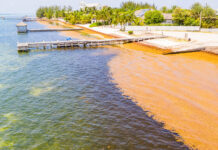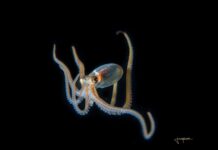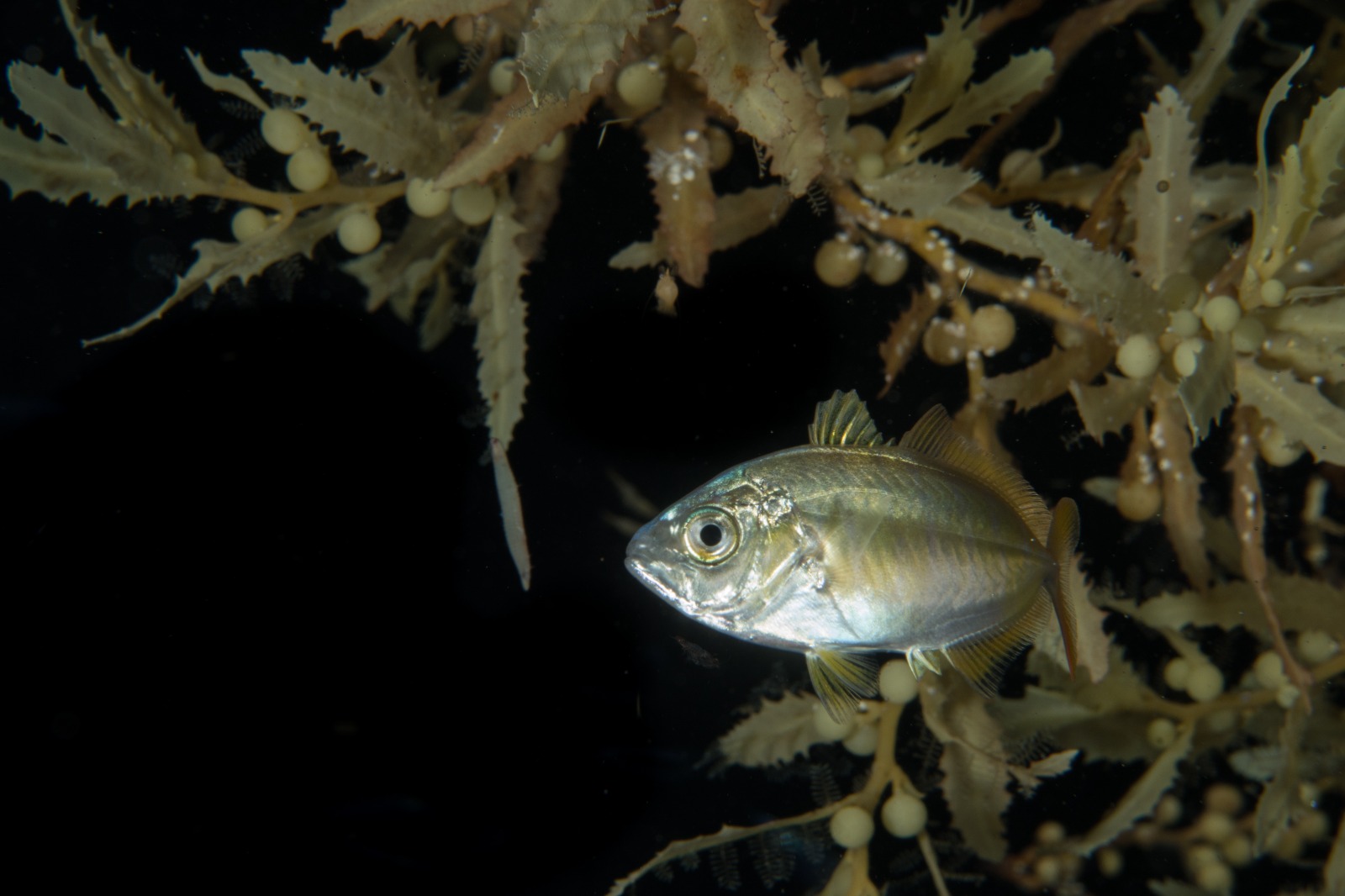
The sargassum that has been impacting some local beaches this summer brings not just decaying seaweed and unpleasant odours to our shores, it also carries with it a vast variety of marine creatures.
The floating blankets of brownish marine vegetation that bob on the surface of the ocean act as a shelter and food source for the critters, and sometimes as a nursery for juvenile fish.
Sergio Coni and his team at Don Foster’s Dive in George Town have captured images of several creatures living in the sargassum mats, usually during night dives from the shoreside dive operation on South Church Street.
“I understand when these mats get to shore, they are annoying and decompose and the odour is horrible,” he said.
“However, sargassum carries their own eco-system with many species, from fish to shrimp and more. The big mahi-mahi find shelter and food under the mats as well.”
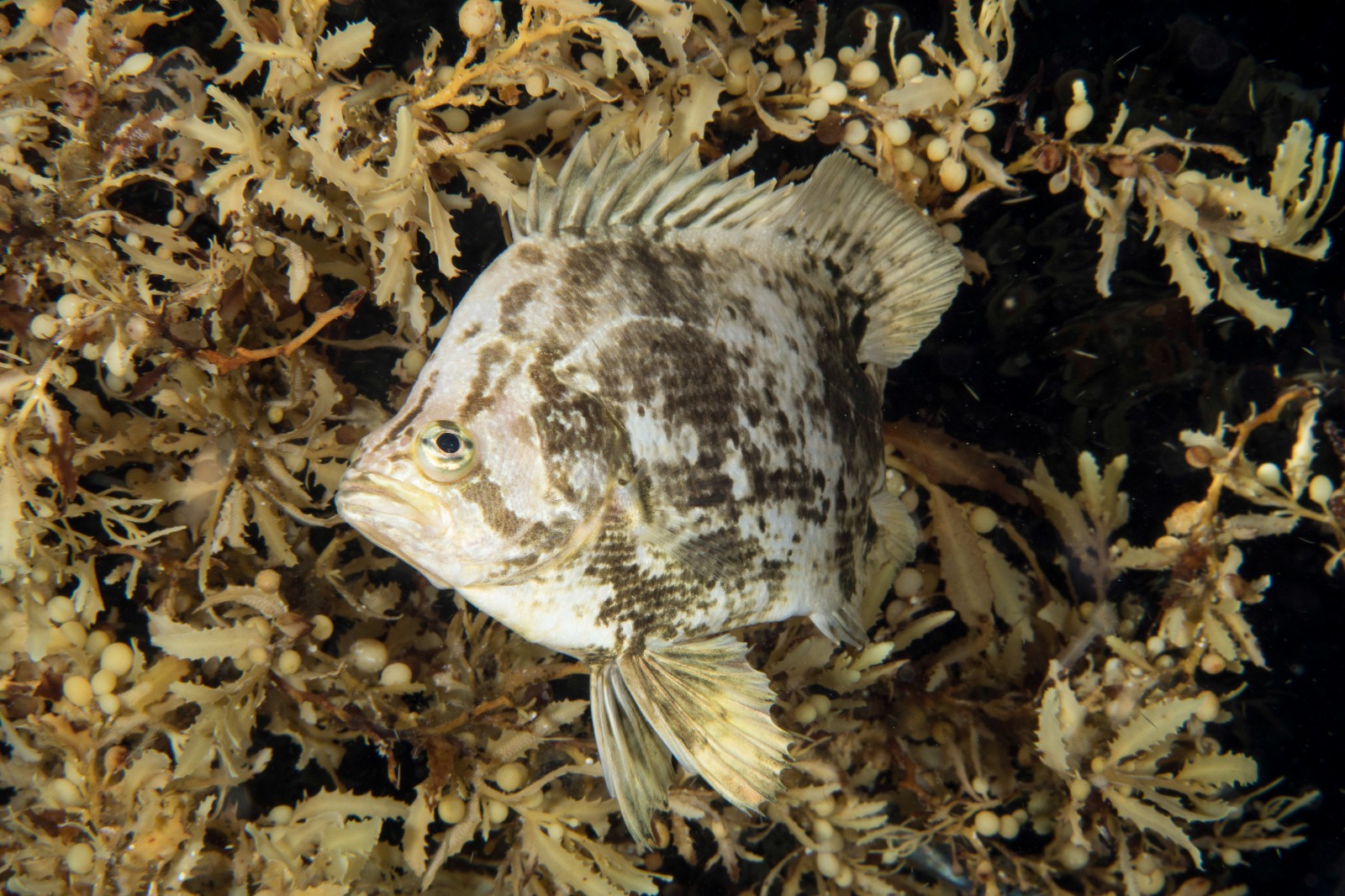
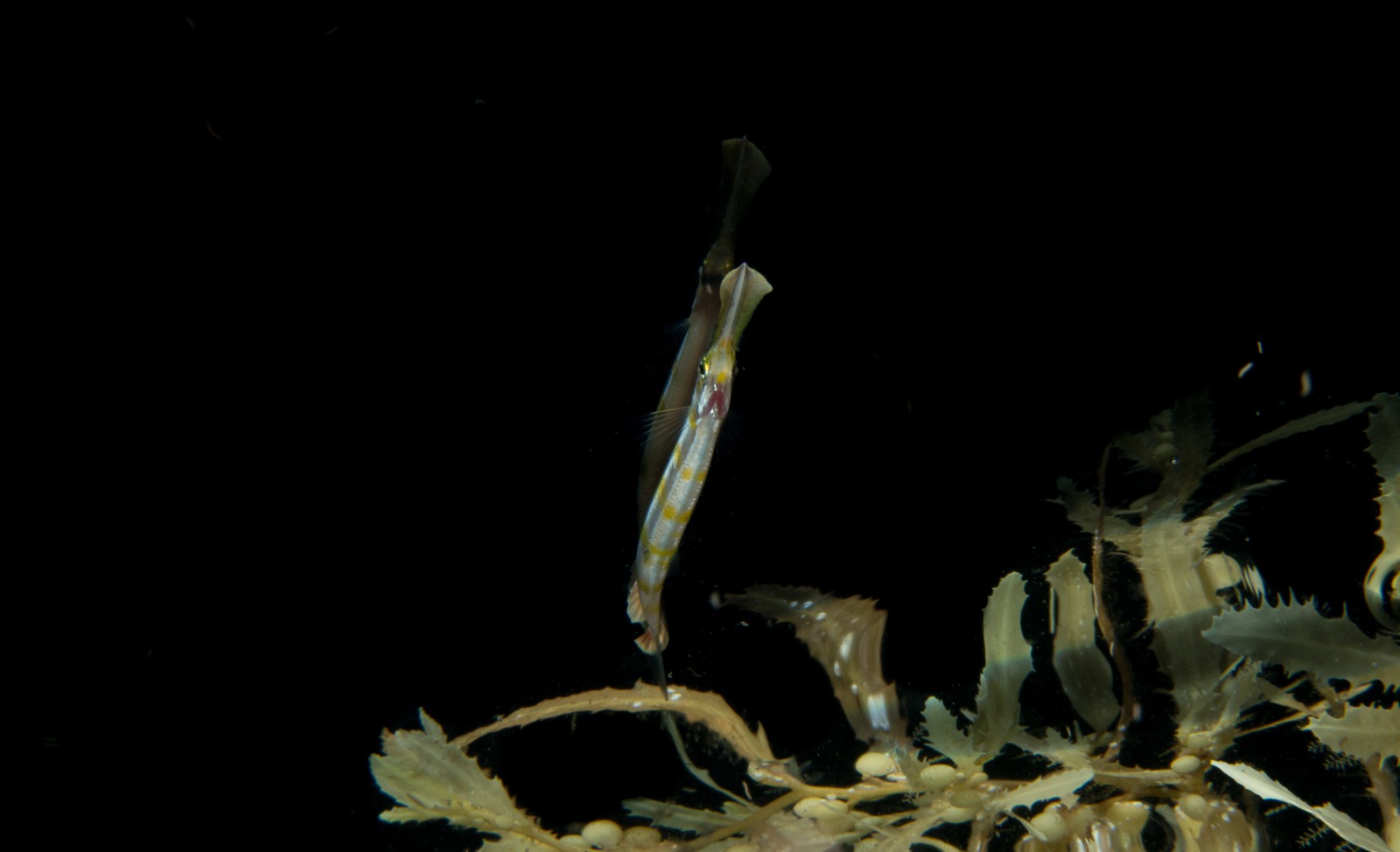
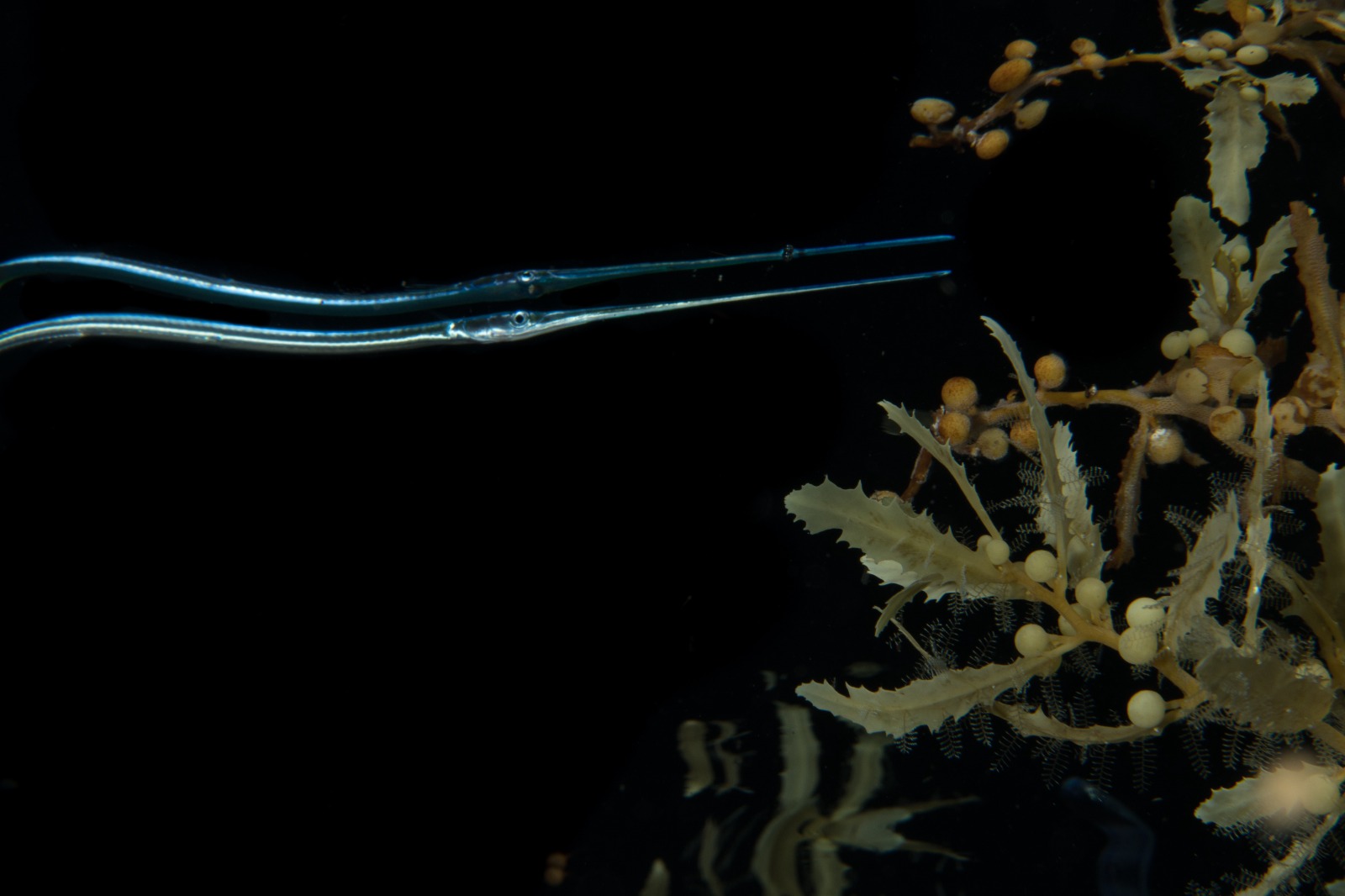
He added, “Personally, I love to dive under them, although you have to have full rash-guard protection” because of microscopic algae that can cause itching.
A beautiful backdrop and a home for baby turtles
Photographer Jason Washington, who recently did a photoshoot with his wife Heather Thompson under a mat of sargassum off the North Wall in Grand Cayman, said he appreciates both the beauty and the marine-life habitat the seaweed offers.
“As an underwater photographer, I’m always looking for contrasting light and some sort of unique underwater environment, and sargassum, for me, is just one of those things that presents a lot of opportunities,” he said.
“I’m in love with the way the way it changes the colour of the light as it shines through the sargassum over our cobalt-blue waters here.”
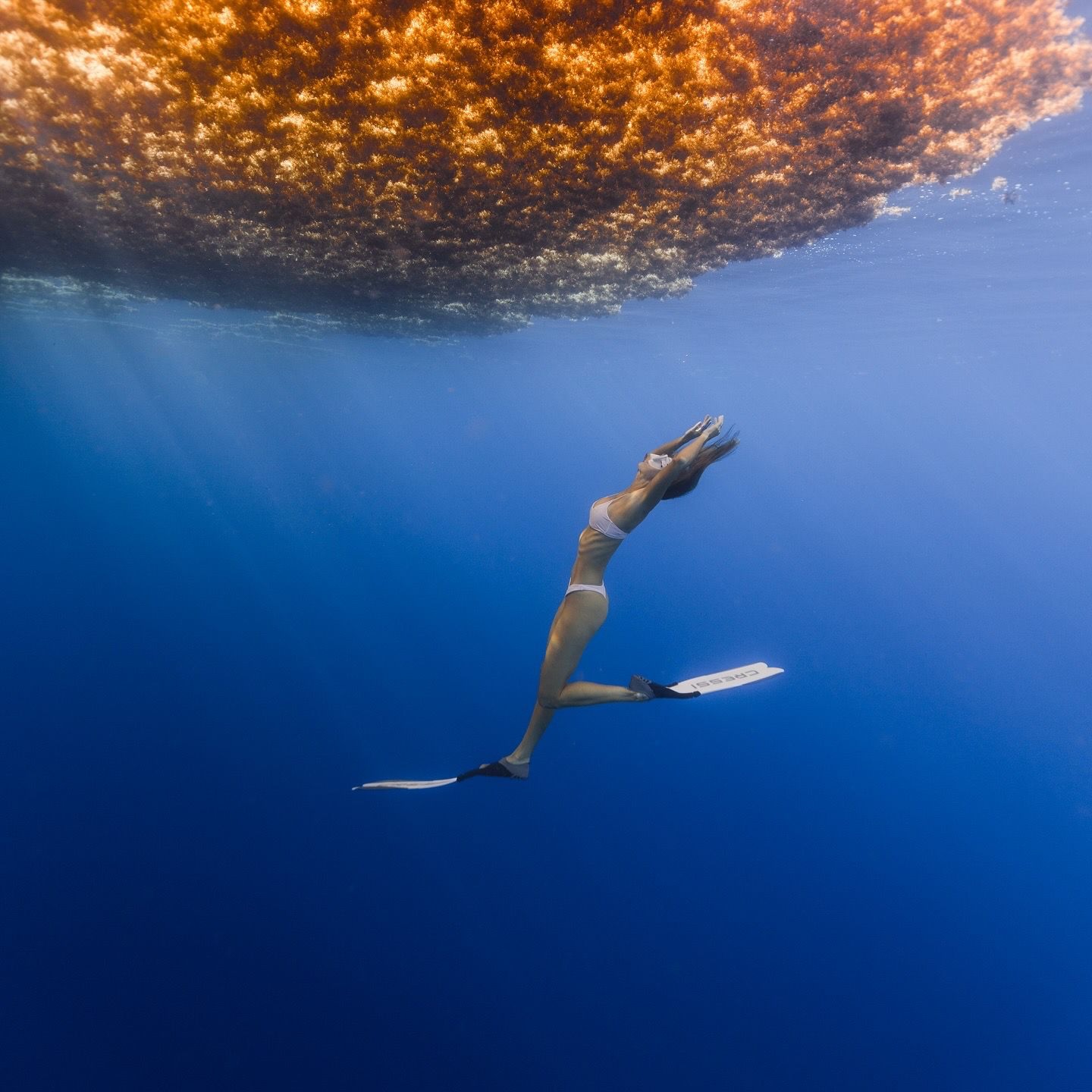
While checking out the sargassum in the past, he said he’s found “one baby loggerhead and one baby green turtle. I’ve also seen several seahorses, but none of those times I had my camera with me.”
He added, “I understand it’s stinky and gross to people but it’s an ecological miracle. One of the craziest things, I think, and one of the things I love the most about it is that sargassum comes into our waters at the same time our turtles are nesting, so when the turtles leave the beach, they will typically find a mat of sargassum and live under that biomass mat for a few reasons.”
These include the shelter and protection it offers the young turtles, as well as the food it provides in the form of the marine invertebrates it attracts.
Refuge for frogfish
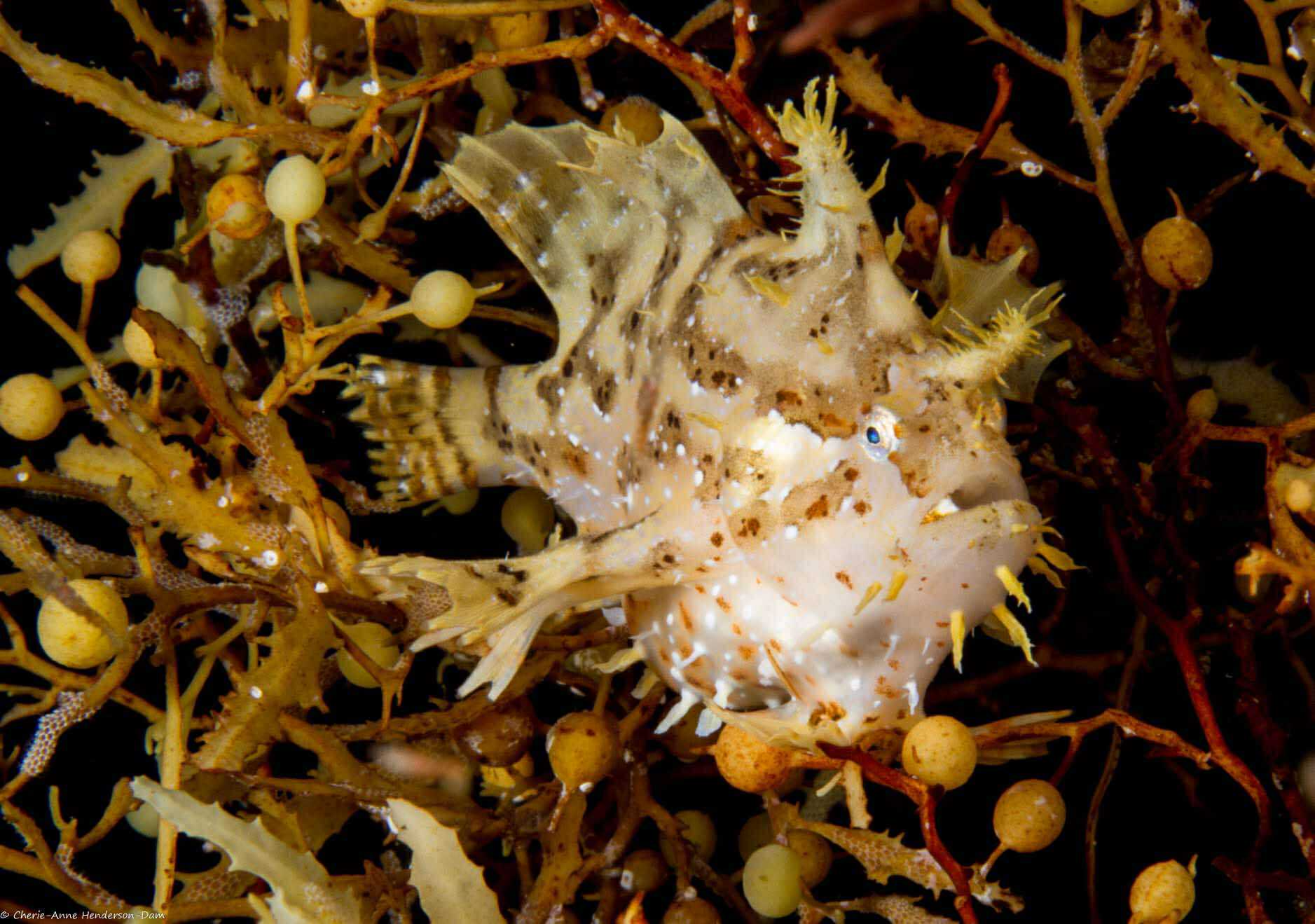
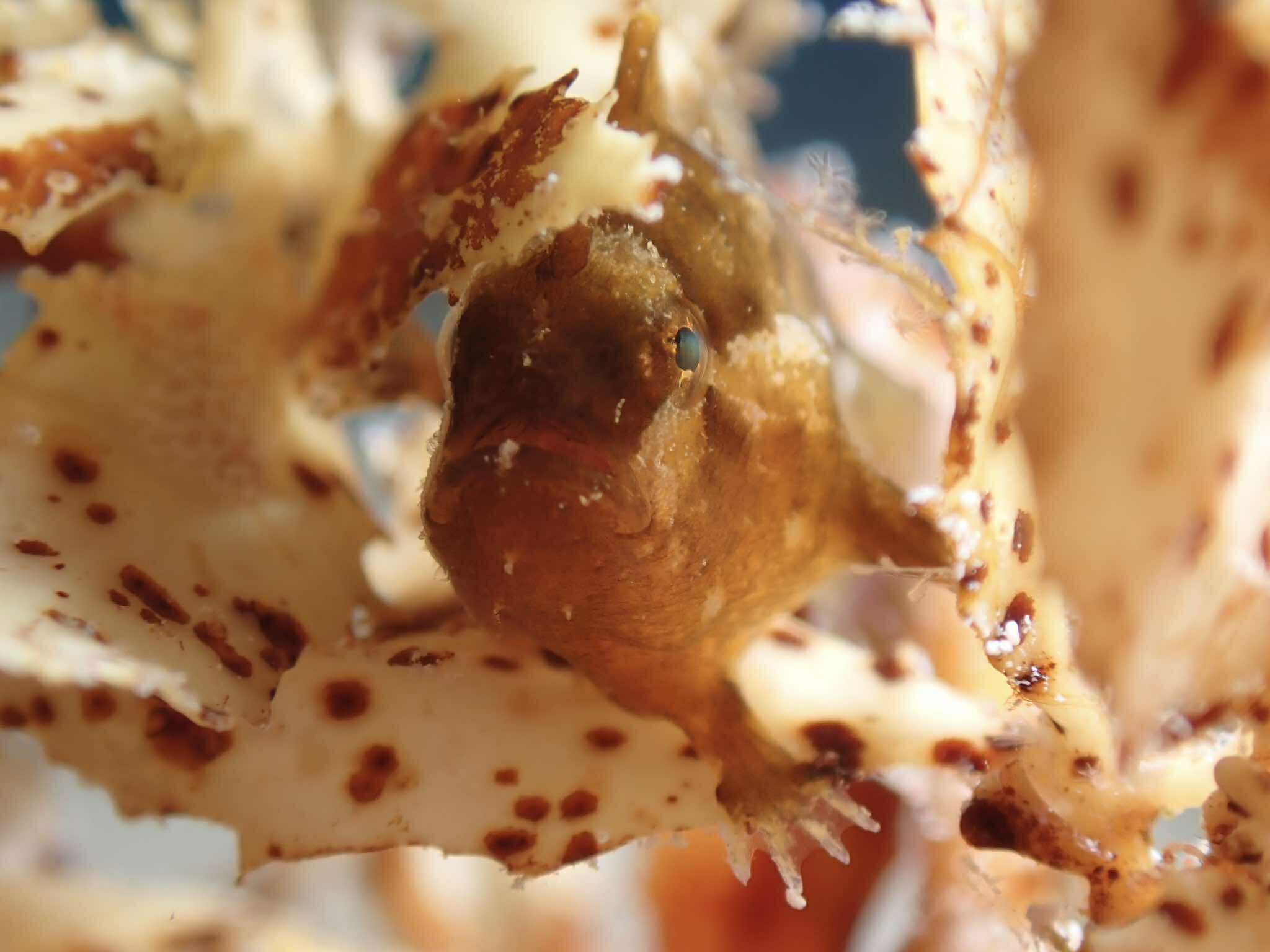
Other creatures seen by those who have the patience, buoyancy and curiosity to explore the sargassum as it floats to shore or passes by, are tiny frogfish, which, while still fairly rare, have become a more common sight in local waters in recent years, especially among macro photography divers.
Diver Cherie-Anne Henderson-Dam, who can be spotted most weekends at local dive sites with her underwater camera kit in tow, shared with the Compass photos of a juvenile frogfish and larger ‘froggie’ she found.
She photographed the larger fish, which is about 2 inches long, in a mat of sargassum that was floating by during a ‘blackwater dive’ with Don Foster’s, which involves diving in the open sea, well beyond the reefs, at nighttime, when tiny pelagic marine creatures come up from the deep to feed.
She said she tends to take a look under sargassum mats “if they are easily accessible” or if she’s looking for “nudis/froggies (nudibranchs/frogfish) and whatever else may be drifting by”.
Pablo Cantos Arévalo, a dive instructor at Sunset House in George Town, is among the divers and photographers who have captured photos of a seahorse that recently took up residence at the dive operation’s shore dive site near the LCM David Nicholson wreck.
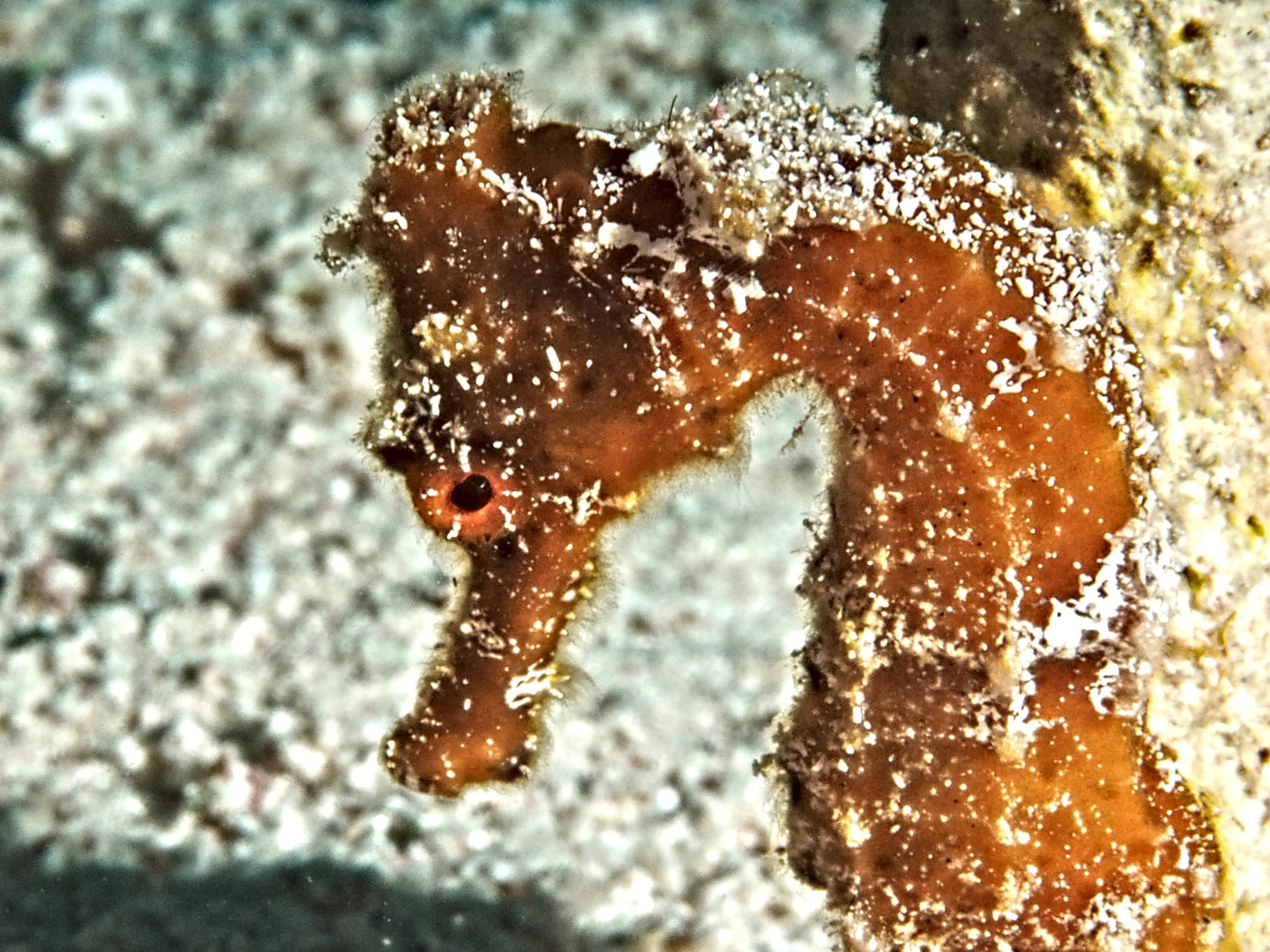
He said that typically seahorses, frogfish and many other species use sargassum “as a way of ‘taking a ride’, especially when in juvenile form”.
He added, “I wouldn’t discard the fact that the increase of sargassum in Cayman waters is a potential reason why we seem to have more of these around. In fact, that’s a very possible explanation.”
Essential habitat
On its website, the US National Oceanic and Atmospheric Administration, known as NOAA, notes that free-floating sargassum in the ocean “provides habitat, food resources, protection and breeding grounds for hundreds of marine species”.
“This includes commercially important fisheries species such as gray triggerfish, amberjack and mahi mahi that feed on the smaller marine life present in sargassum mats,” it states.
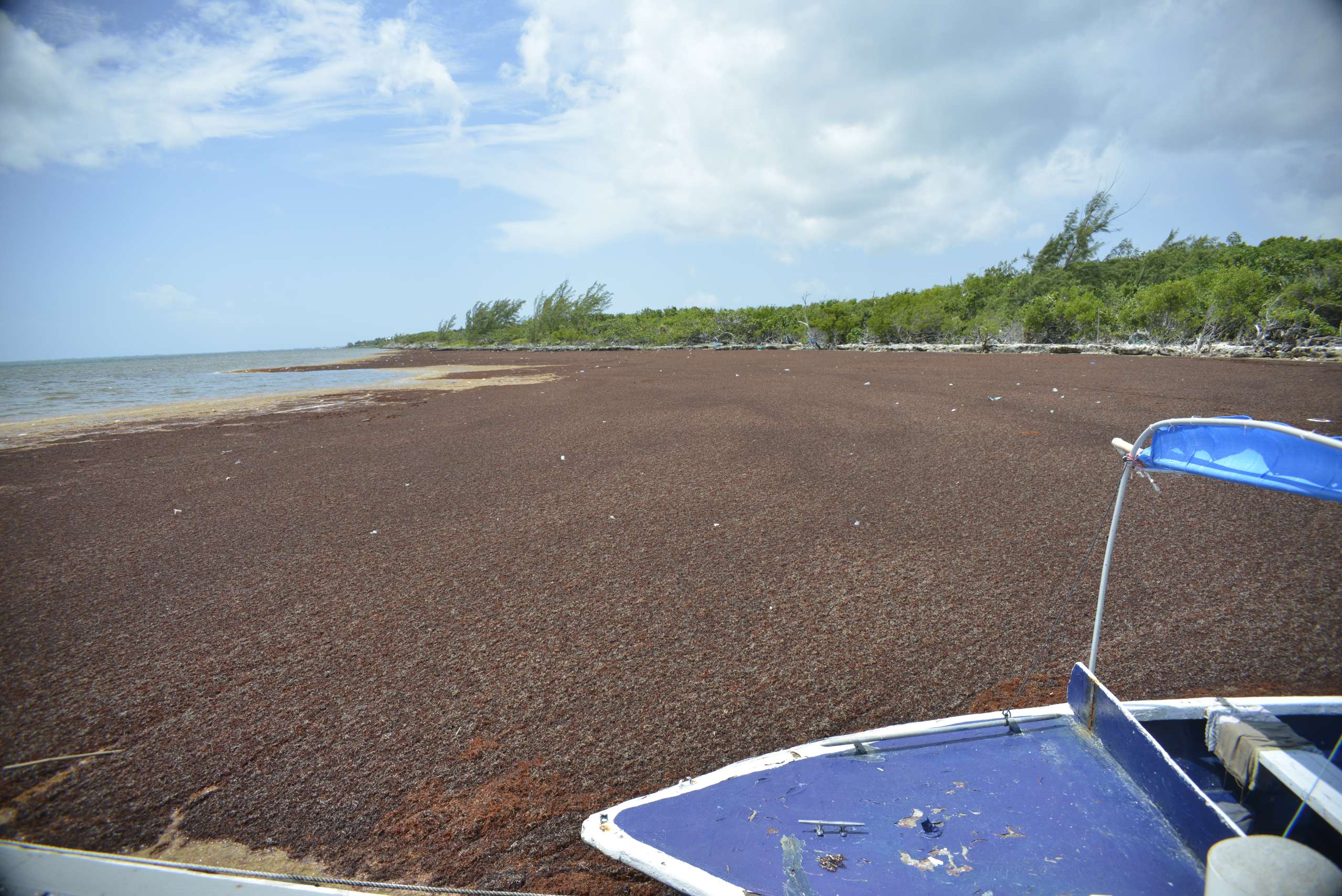
In the south Atlantic, Gulf of Mexico and the Caribbean, NOAA designates areas of sargassum as “essential fish habitat”, and since juvenile sea turtles also use the seaweed for feeding and shelter, in the south Atlantic and portions of the Gulf of Mexico, sargassum is designated as ‘critical habitat’ for threatened loggerhead sea turtles under the Endangered Species Act.
Related Videos