

A couple of miles offshore of Grand Cayman, in the middle of the night, a group of divers don their wetsuits, drop into the water and float on the surface while the crew of Don Foster’s Cayman Wall boat hand them their cameras. Now, it’s time to sink beneath the dark waves in the open sea and capture images of translucent, larval creatures that normally live in the depths far below.
Between them, these photographers and divers have years of experience determining whether that small speck floating in their direction in the dark is just a piece of “marine snow” detritus, or whether it’s, in fact, a minuscule ribbonfish, a cusk eel, or even the extremely elusive bony-eared assfish.
They often just have seconds to make that determination and snap a photo. These creatures usually don’t hang around for long before they shoot off – up, down, or just away from the photographer’s strobe lights.
But that’s all part of the ‘hunt’ for Steven Kovacs, Linda Ianniello, Dennis Whitestone, Lureen Ferretti, Anna DeLoach and Ned DeLoach, who dive together regularly off West Palm Beach in Florida and who say they’re pretty much addicted to these night-time adventures of ‘blackwater diving’.

The six visiting divers, who are renowned among the dive community for their photography skills and among the marine science community for helping to identify an array of animals that have long been mysteries, will be giving a talk to local and visiting divers and photographers Sunday night at Don Foster’s Dive in George Town.
In the week before hosting their talk and presentations, they have been going out nightly with Sergio Coni and his team at Don Foster’s, who began taking divers out on blackwater dives last year. The dives are growing in popularity among underwater photographers on island, who have spent much of the past two years – when travel has been restricted – honing and expanding their macro photography skills, and are looking for new small creatures to shoot and new environs to explore.


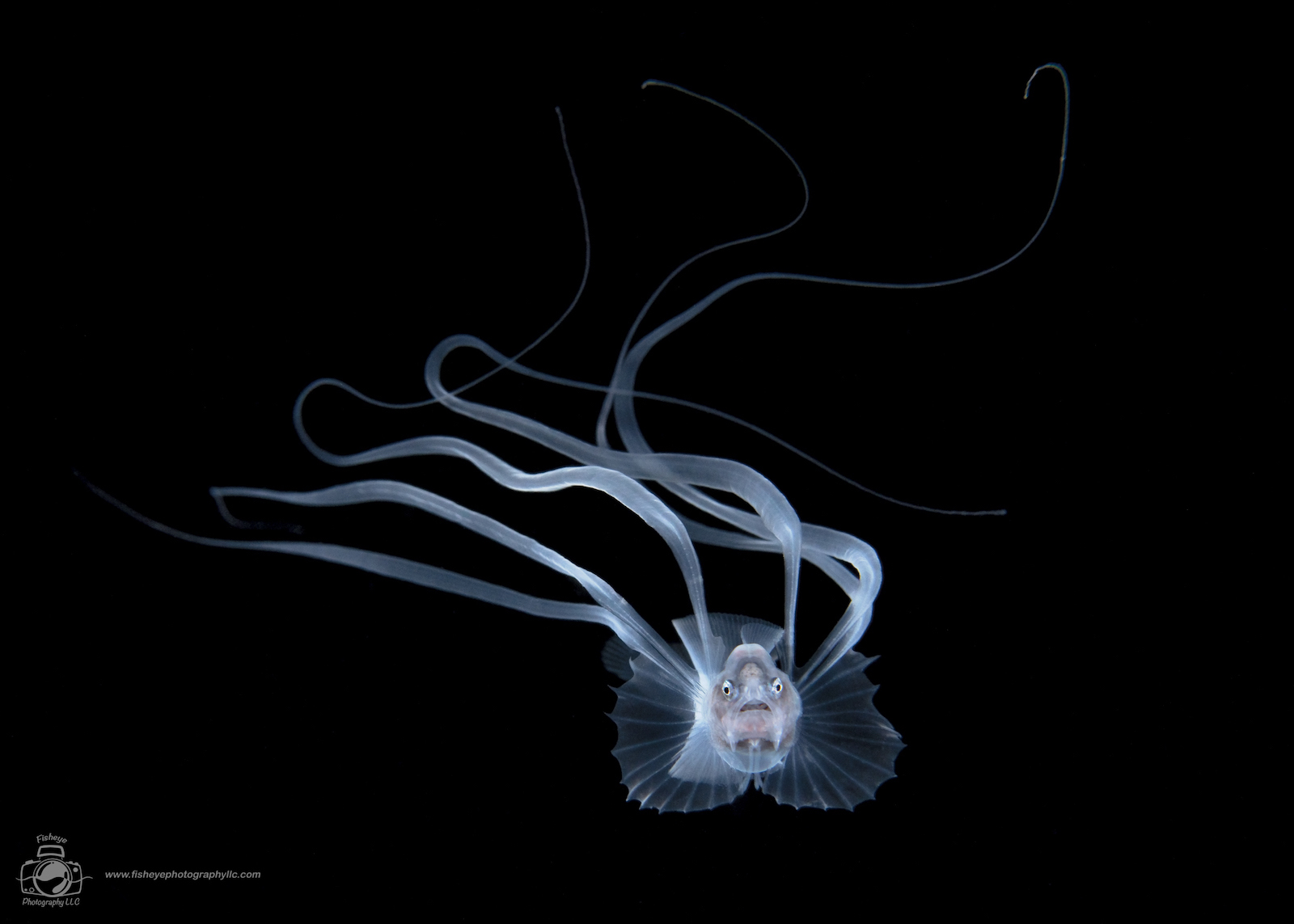

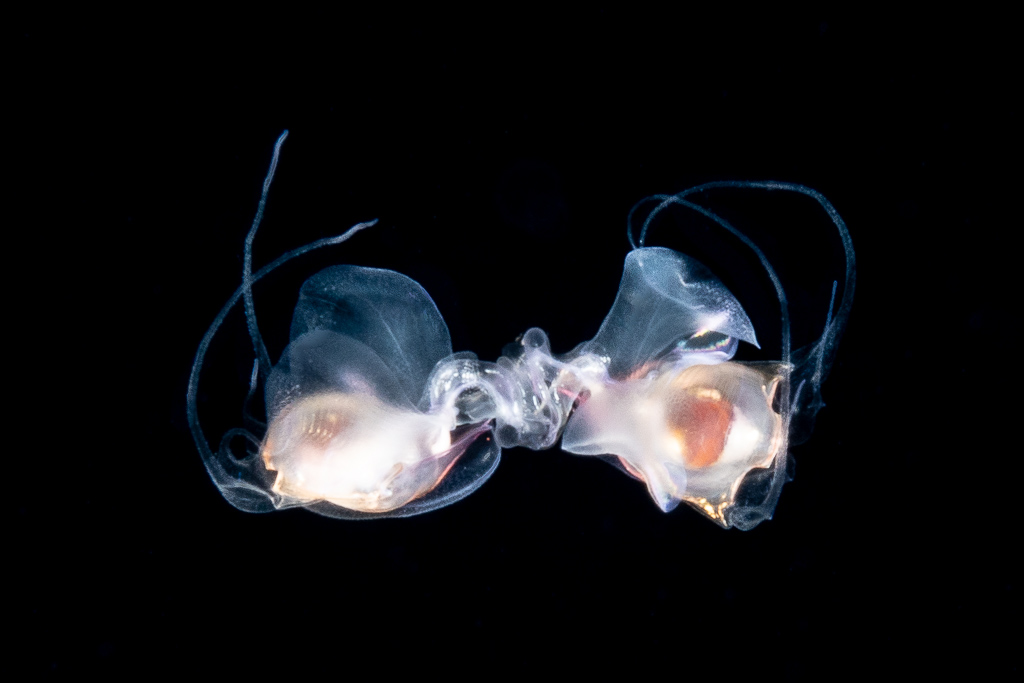
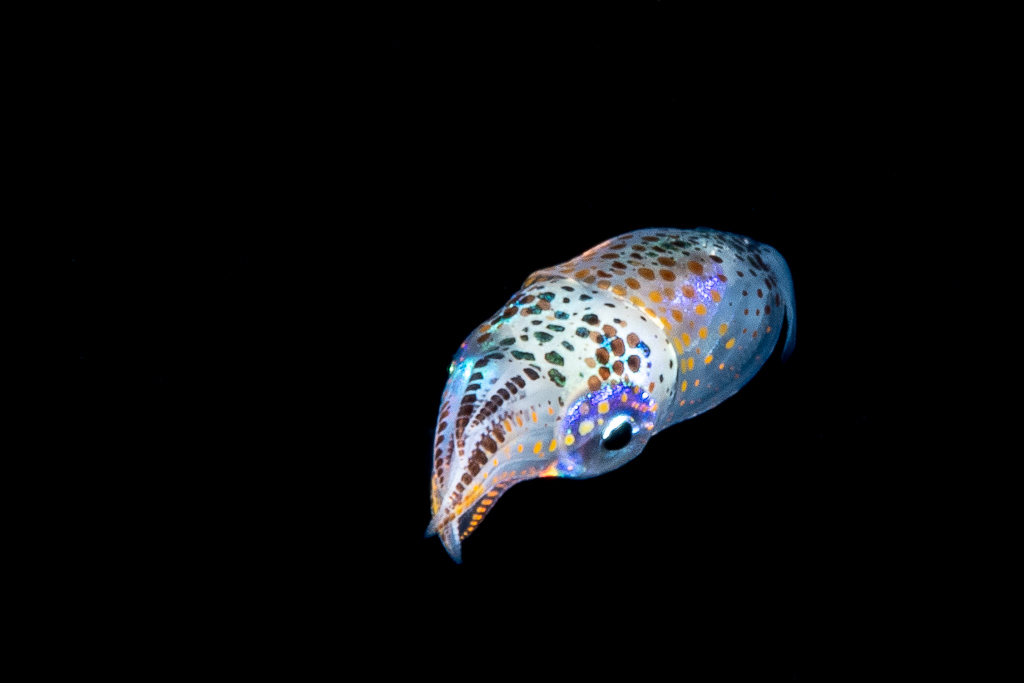
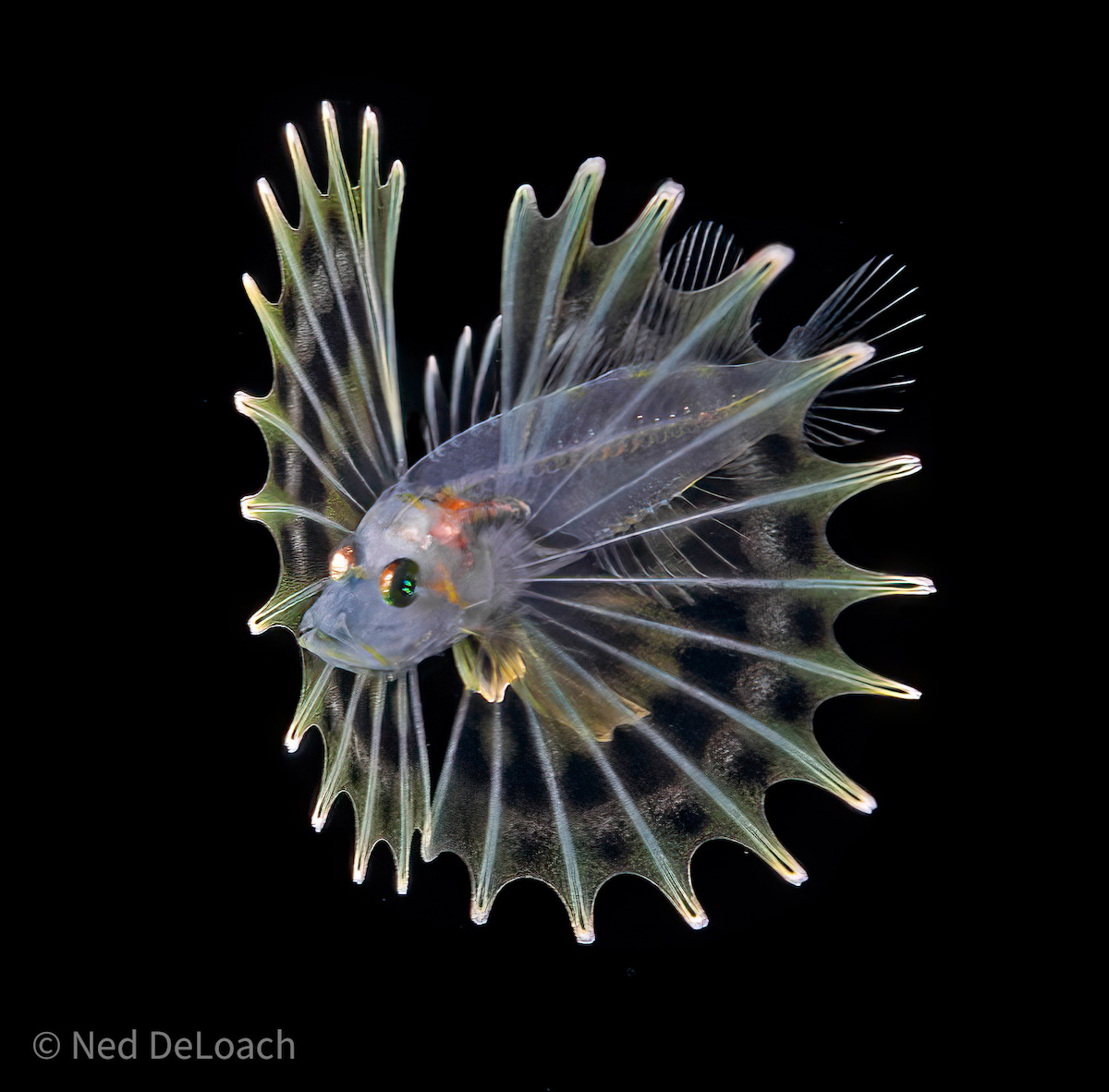
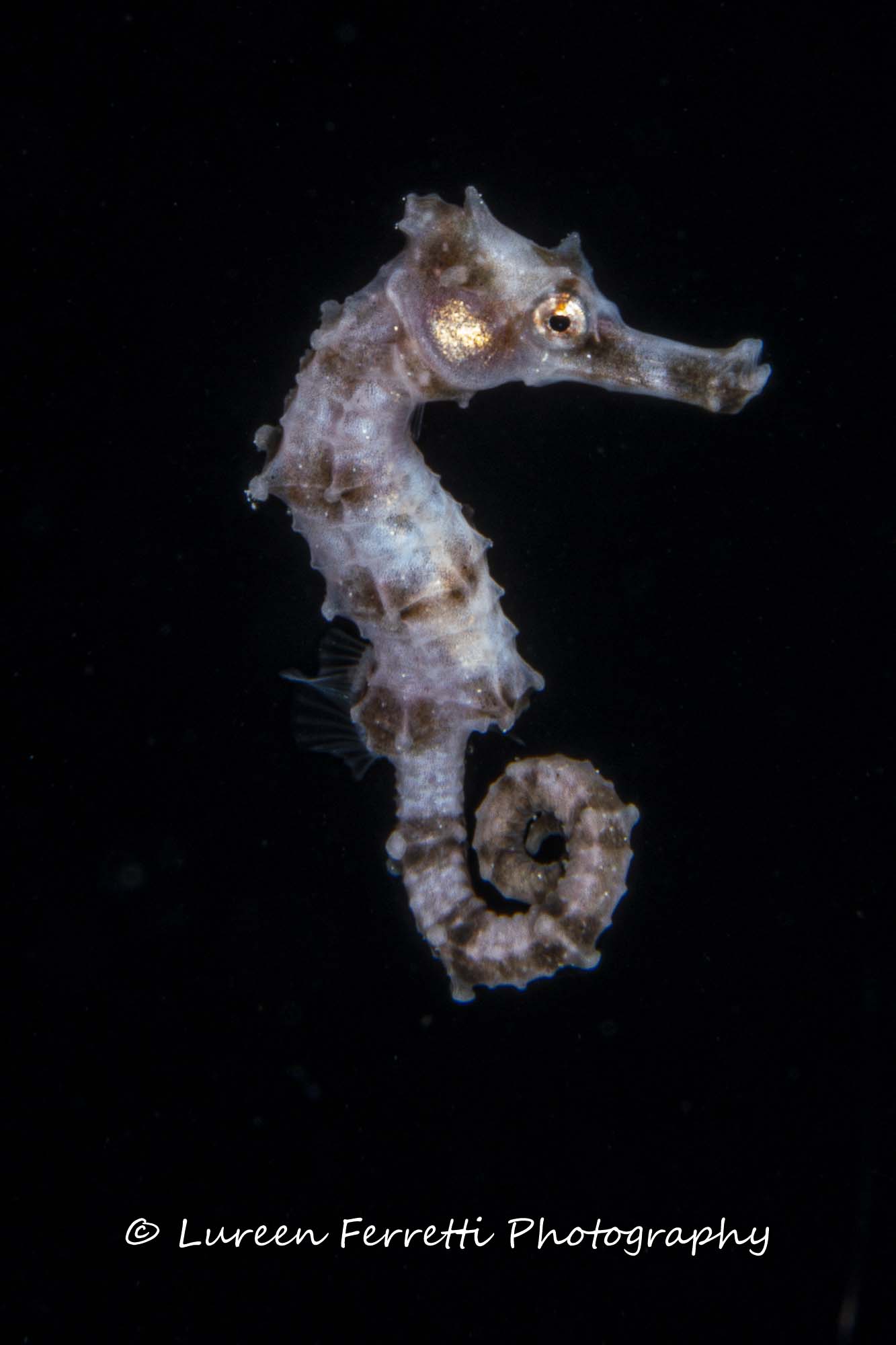
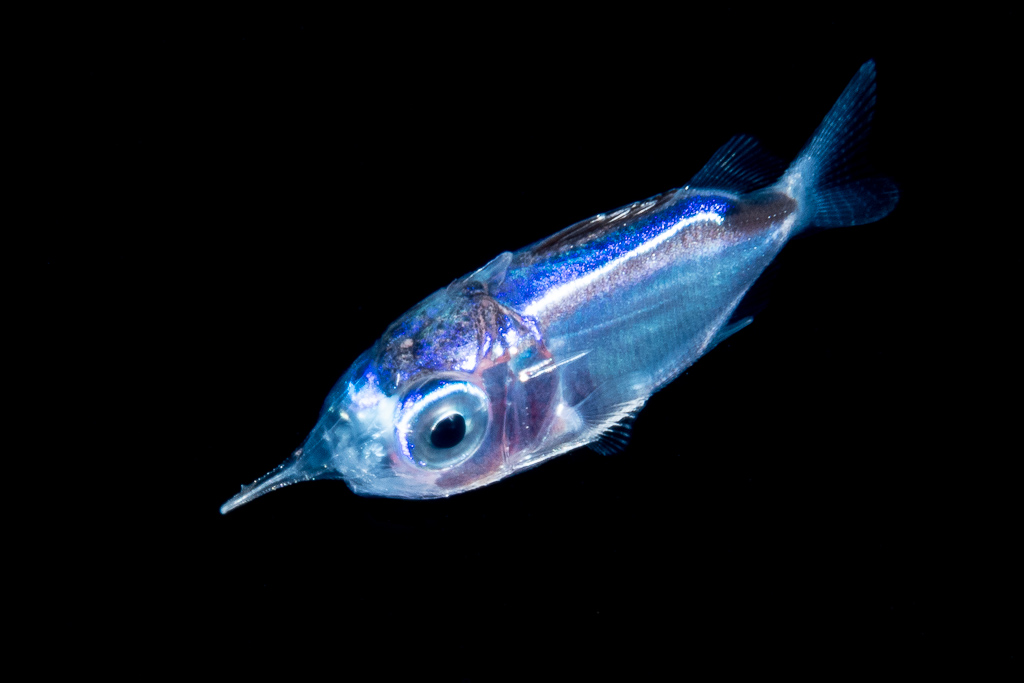
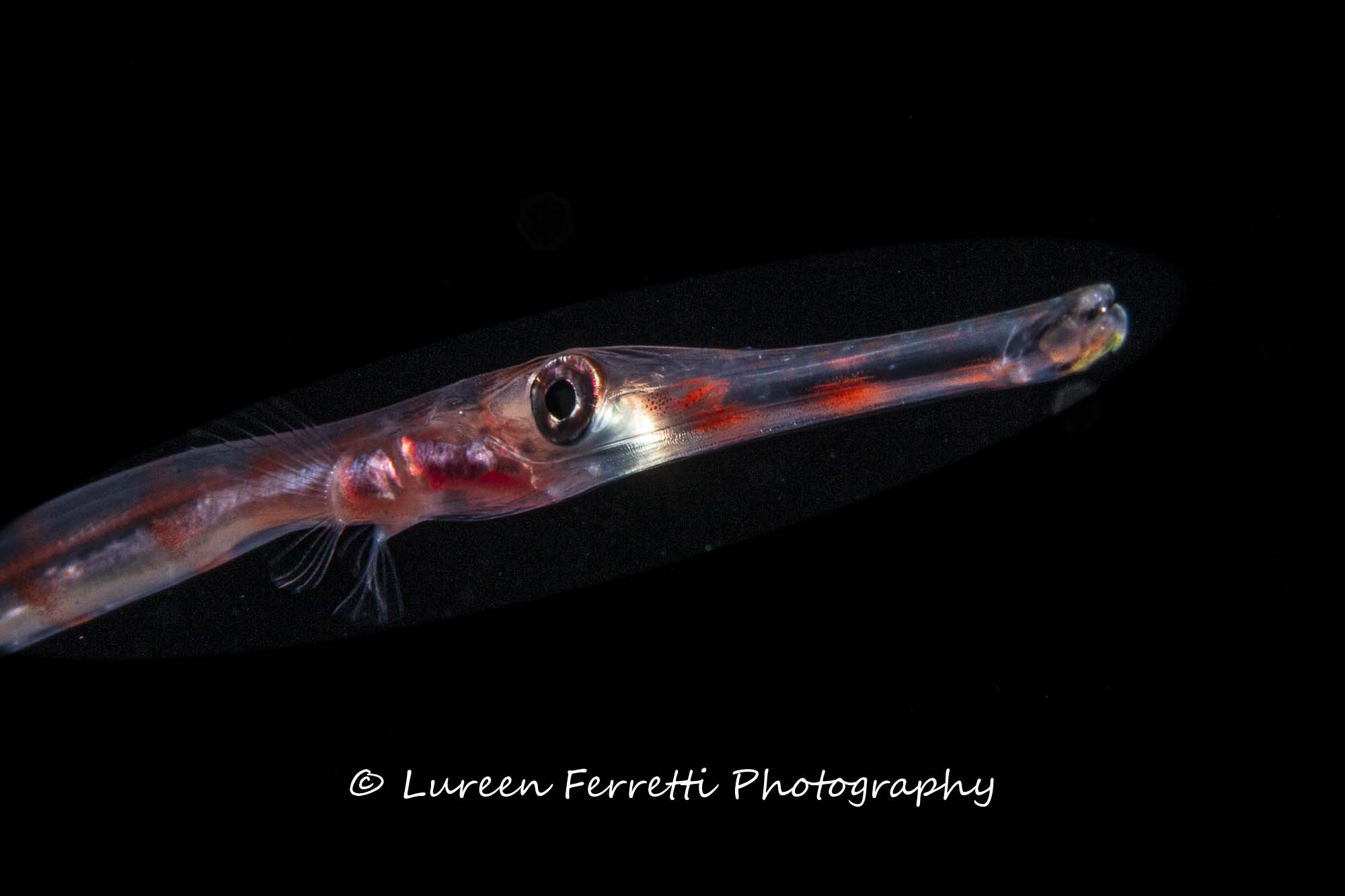
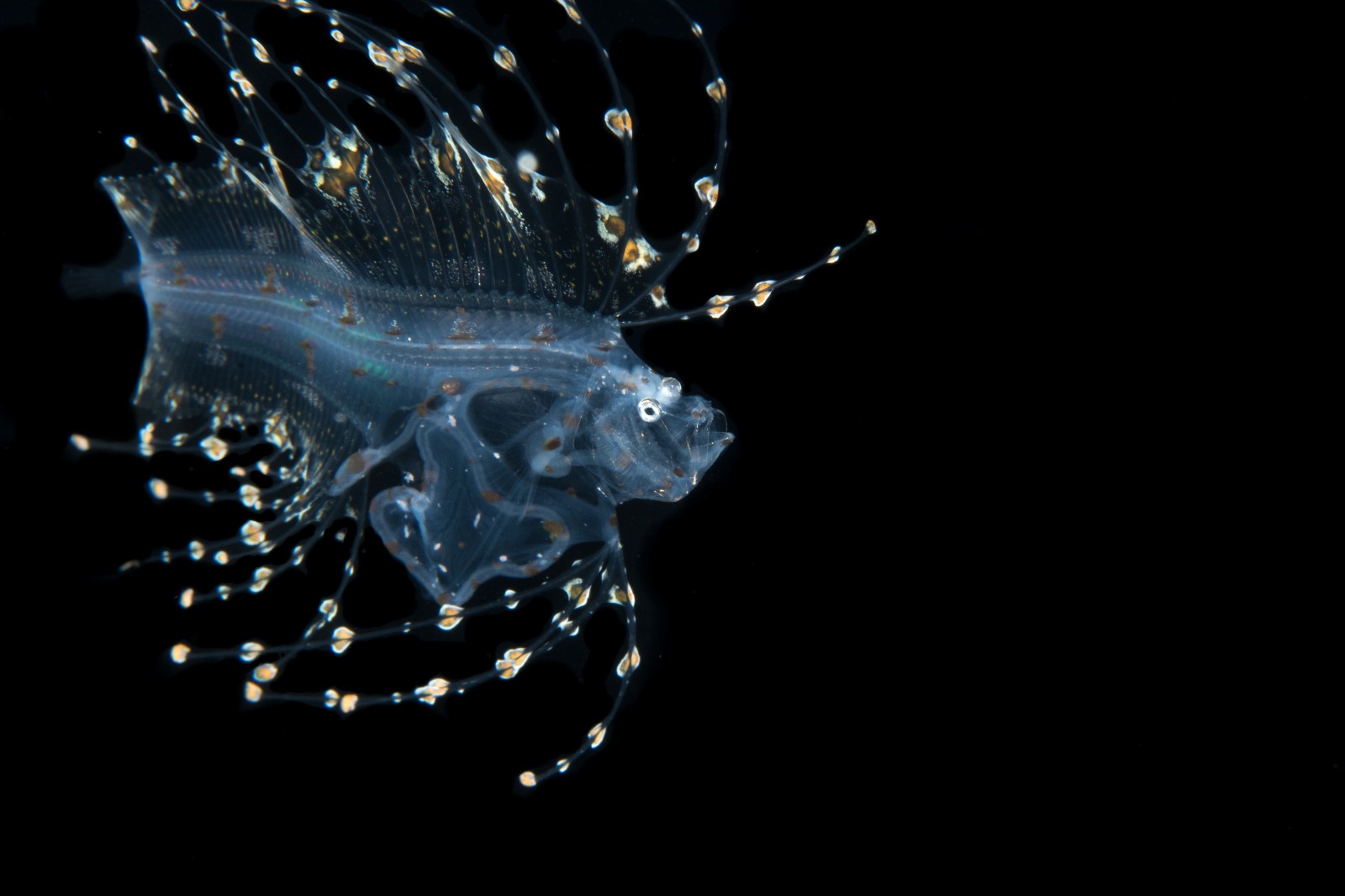
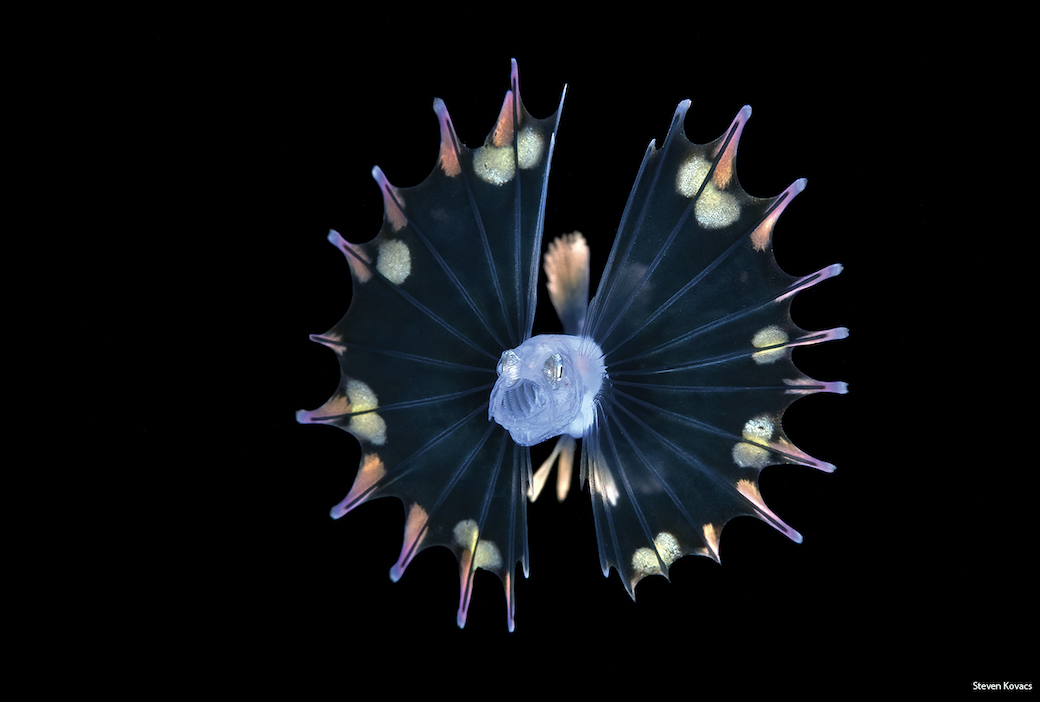
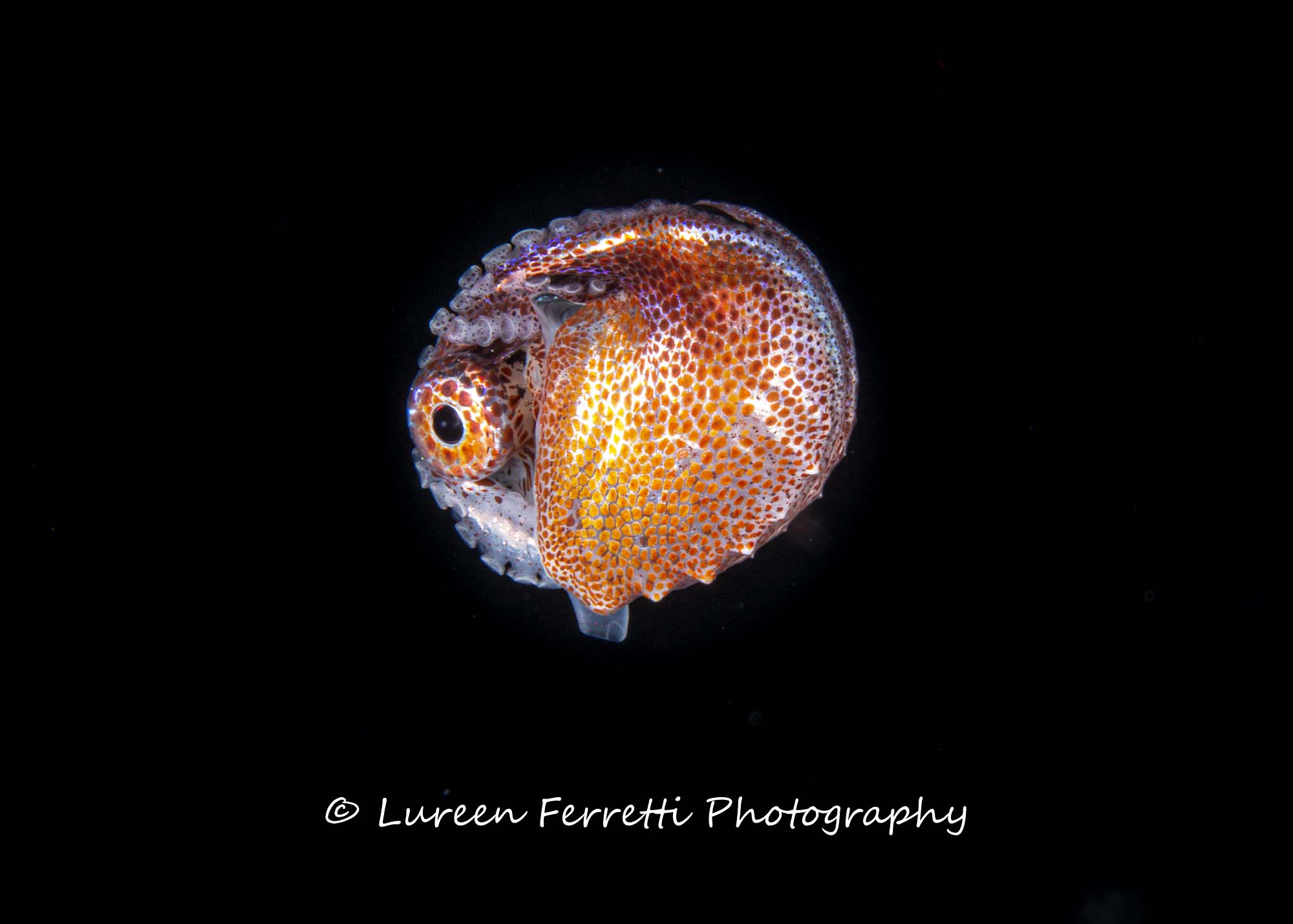
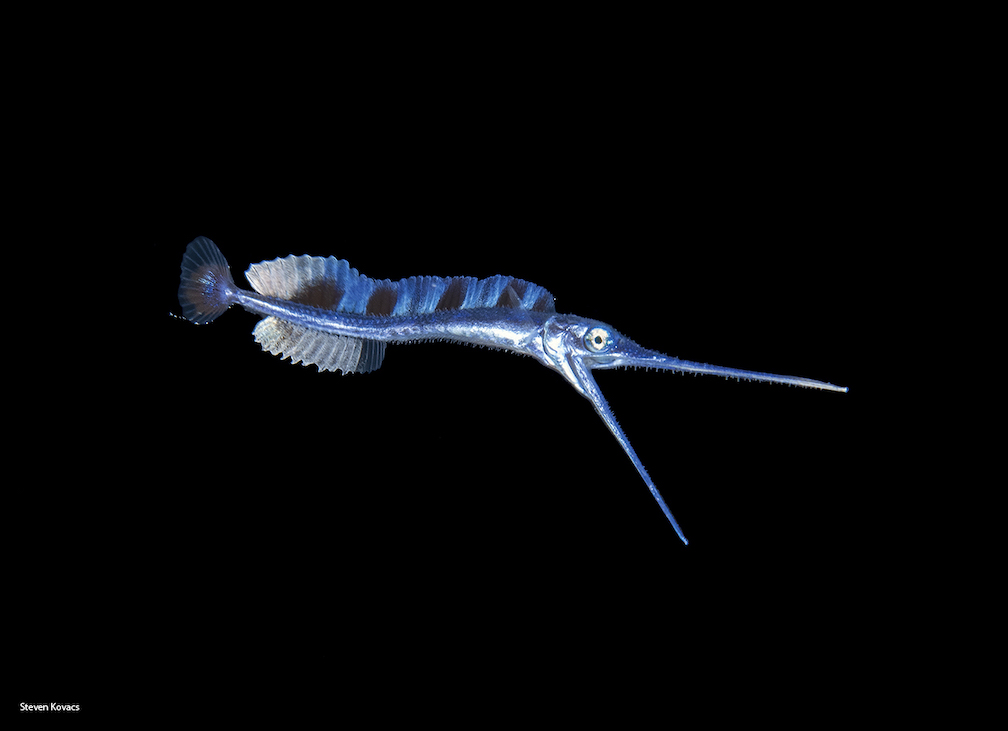
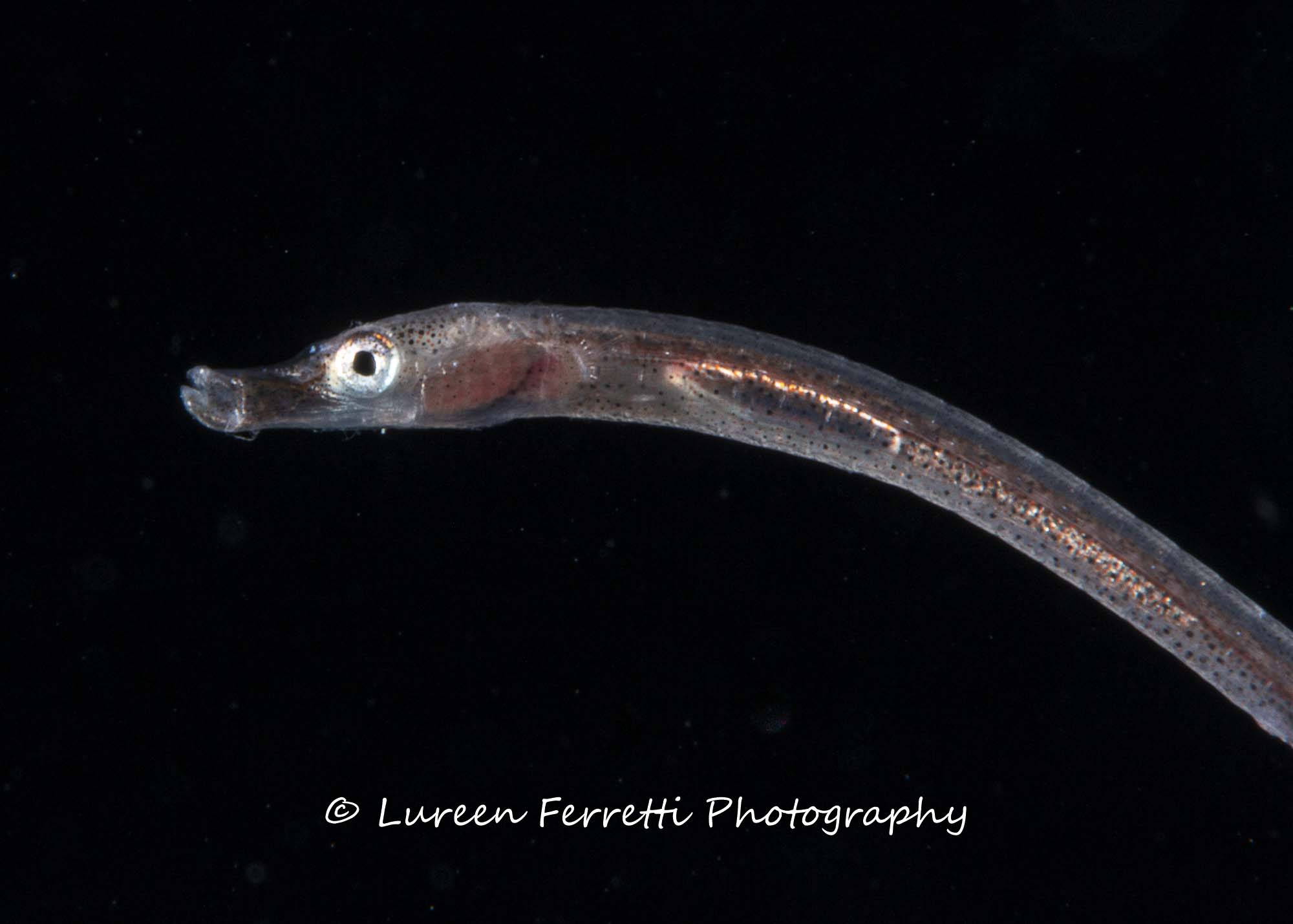
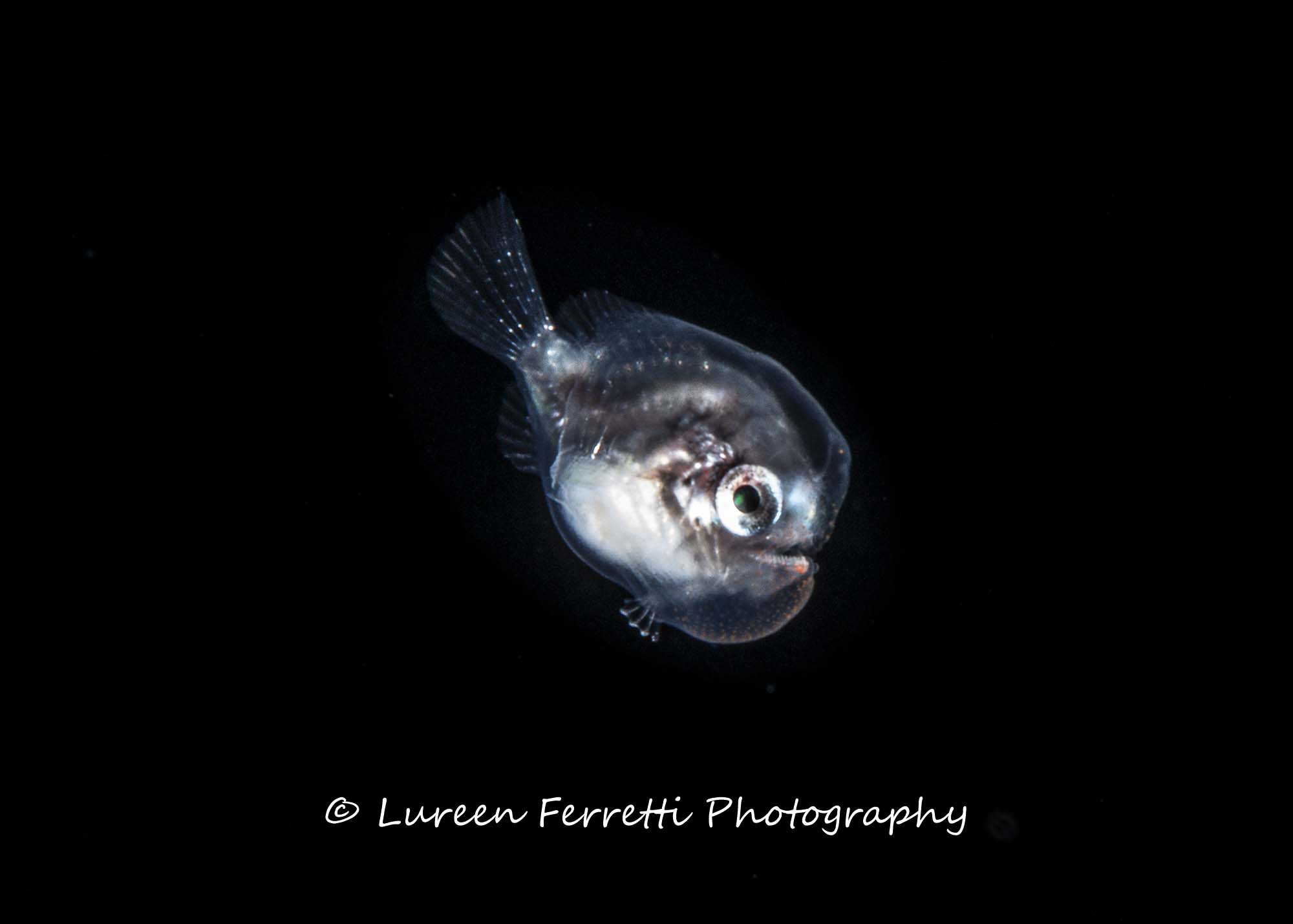
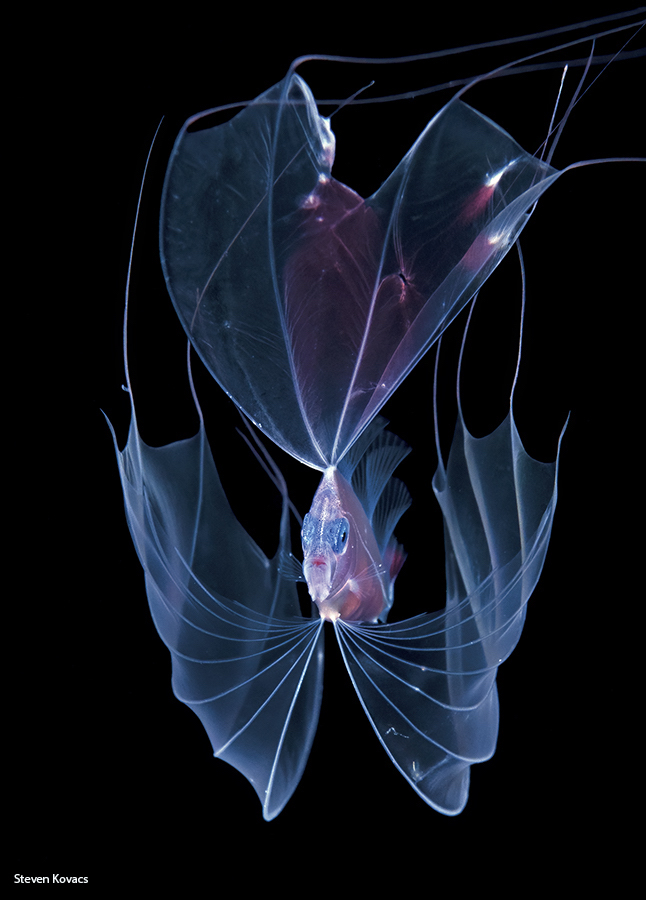
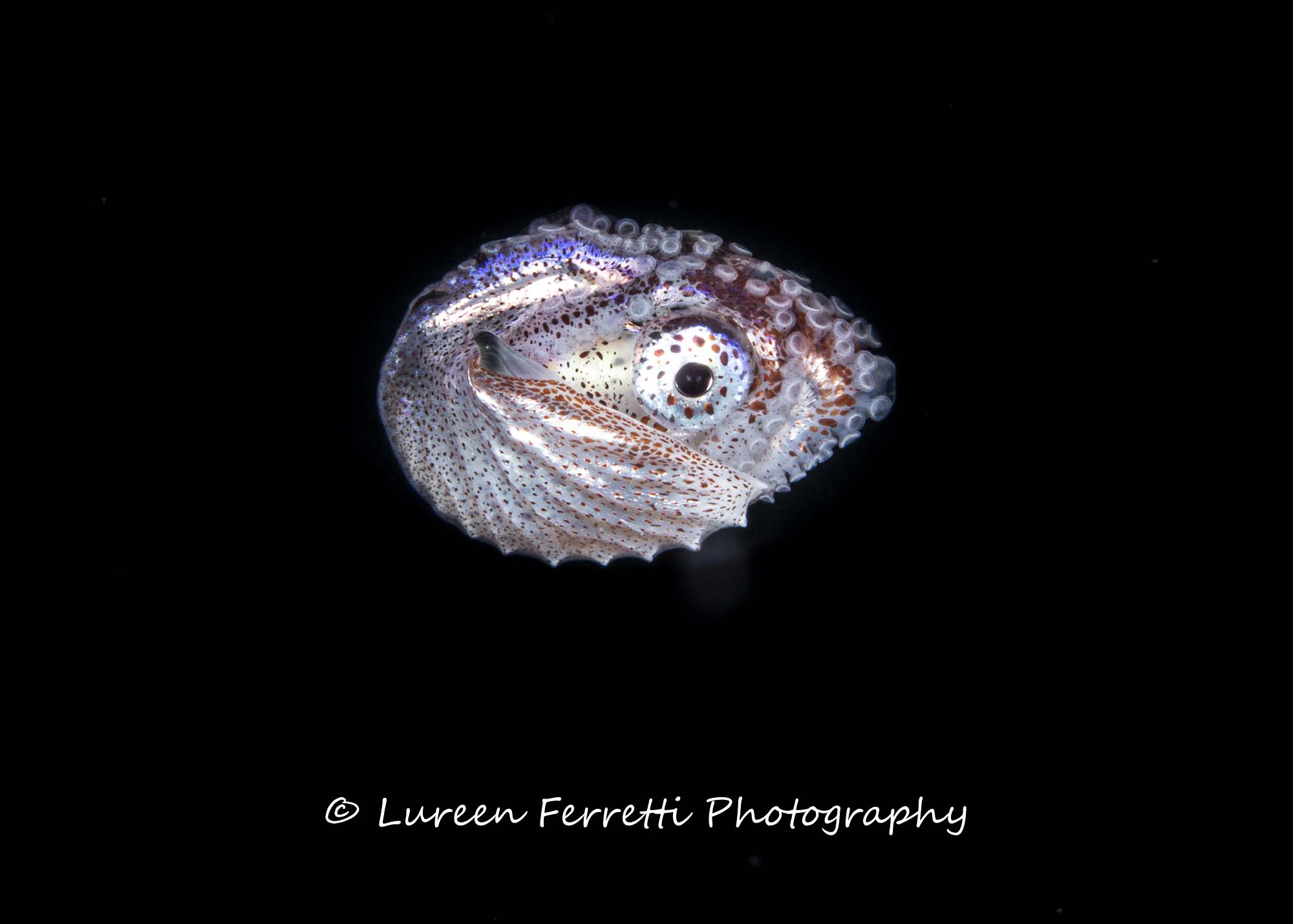
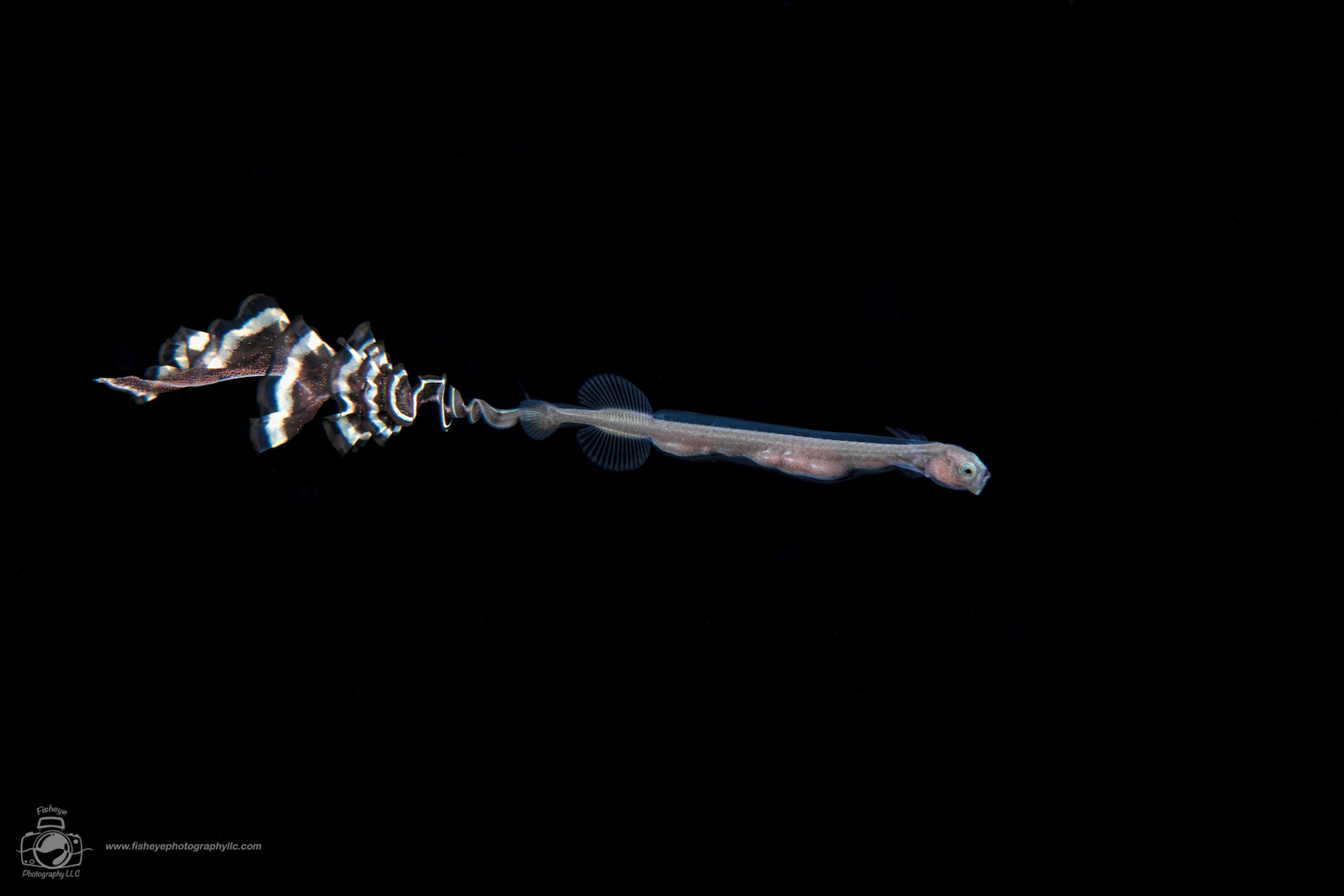
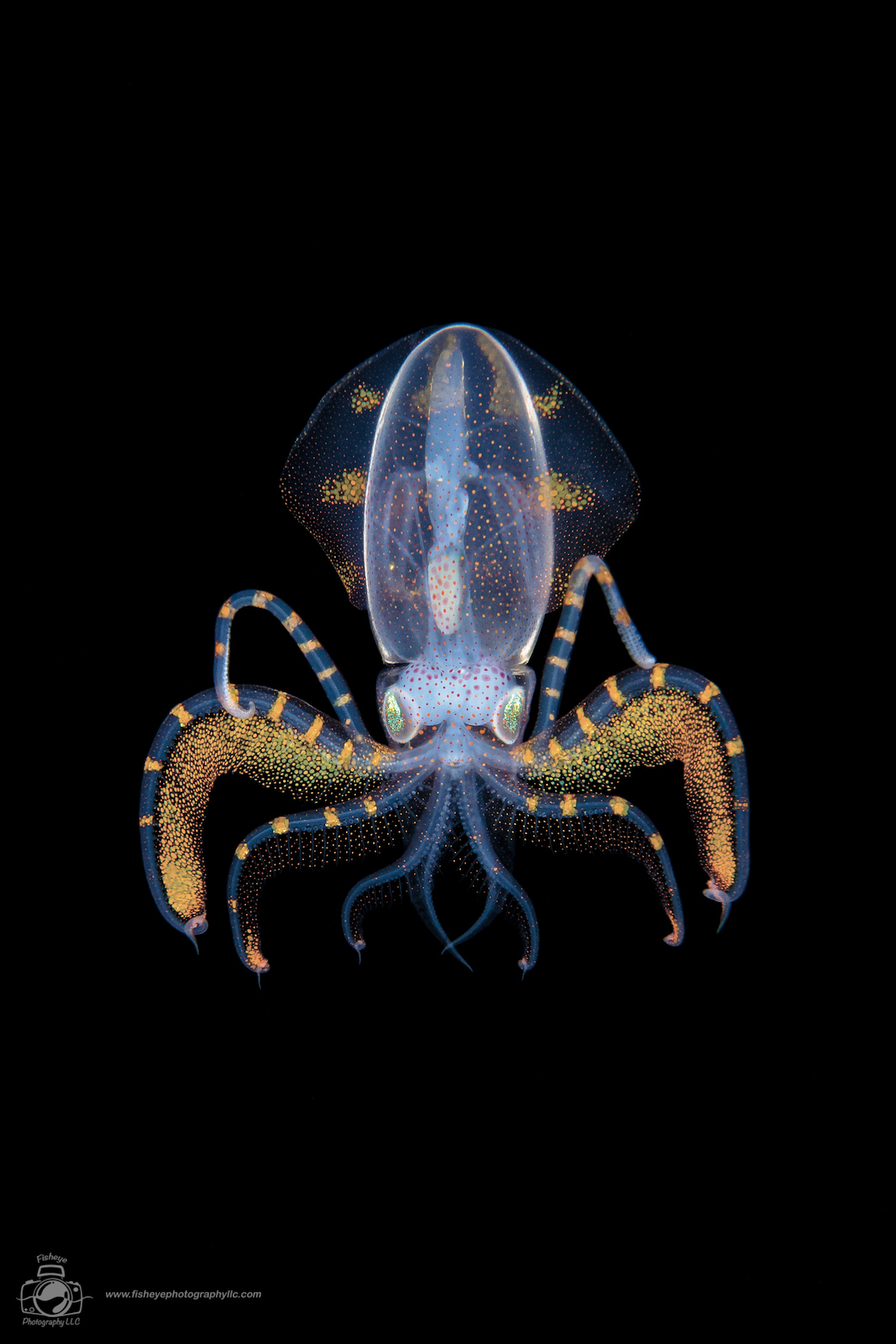
Ned DeLoach, who has created several fish, coral and sea creature identification books along with his wife Anna and Paul Humann, explained that out in the dark water, it’s not only larval-stage reef fish that the divers are finding – within the 120-foot depth that recreational divers usually stick to. They also see baby deep-water fish that are usually found hundreds and even thousands of feet deep.
“There are these great animals that nobody sees but we see them in their larval stage, and the reason is there’s no food down there for something this small, so they come up and join the reef fish,” he said.
“Mixed in with the reef fish, we’re seeing fish we’d never imagined we’d get to see in life, and they are dramatically different from [reef] fish because they develop to survive in the pelagic. They’re clear or translucent for the most part, which makes them hard to see, and for some wonderful, wonderful reason, many of them have extended fins… and all kinds of great, visible, dramatic morphology on their body, to exist in the open ocean.”
Blackwater diving initially took off in Hawaii in the 1990s and in Japan in the early 2000s. Now, around the world, there is a small but growing community of blackwater divers.
Anna DeLoach said, “It really caught on in the last seven or eight years, and a big part because of these three, Dennis, Linda and Stephen, and two dive operators that started doing it in West Palm in south Florida. … I think social media really contributed as well.”
The group is in Cayman because of Coni, whom the DeLoaches met in the Philippines in 2018, where a local operator was trying out blackwater diving. Coni, his wife Tracy Candish, and Ned and Anna DeLoach were the four passengers who went along on those dives.
“We stayed in touch,” Anna DeLoach said, “and Sergio said he was doing it in Cayman, and I told him that as soon as the borders open up, I knew some people who’d come and join us.”
The group acknowledged that blackwater diving won’t appeal to all. “It takes a curious mind, it takes an explorer, it’s not for everybody,” Anna said. “Imagine yourself with 5,000 feet of water underneath you, in the dark, floating along in open ocean looking for, like, Easter eggs. You’re on an Easter egg hunt.”
Scientific collaboration
And as the divers snap more and more images, they are in turn giving marine scientists a greater insight into these creatures, many of which are just a few millimetres in length.
Ianniello, along with co-author Susan Mears, has produced a book called ‘Blackwater Creatures’, already in its second edition, to help divers identify what they’re seeing on these dives, far from any reefs.
She explained that many scientific books about marine creatures contains mostly drawings, rather than photographs, so the images being captured now by Ianniello and her fellow blackwater divers are proving invaluable to the scientific community, and vice versa, as sometimes it’s the scientists who are identifying the tiny animals, based on the photographs, and also on DNA from samples of the creatures.
“The scientists have been very interested in what we’re doing. … It’s been a tremendous help to have this assistance and interest from them. … I’m into the science. I want to know what it is, identify it and name it. The scientists have helped me enormously,” she said.
In the past, while scientists may have had samples of some larval-stage fish, that were kept in formaldehyde, they didn’t know what they looked like while they were alive, in their ocean habitat.
“The scientists have no idea what they looked like in situ,” Ned DeLoach said, “until Stephen and Dennis and the [West Palm] group came along and started posting these magnificent images of natural history, and it really caught the scientists’ imagination.”
The divers visiting Cayman right now, and others in the blackwater dive community, are working with the Smithsonian National Museum of Natural History, to create banks of images showing the larval-stage fish at sea, and to help build up a base of samples from which DNA can be extracted, to shed even more light on these otherworldly creatures.
“What [the Smithsonian] wanted was an image of the fish, and that exact fish intact in a bottle,” Anna DeLoach said, “because that gives them a collection where they have a digital image and the actual fish.”
The group is not collecting any live samples from Cayman, they’re here just to take photographs, they said.
The fact that these tiny animals can be found at relatively shallow depths in the open ocean is certainly not a newly discovered one. Charles Darwin, on his Beagle voyage in the 1830s, would capture the plankton in small tow-nets, and pondered in his diary the purpose of these wondrous animals.
He wrote, “Many of these creatures so low in the scale of nature are most exquisite in their forms and rich colours. It creates a feeling of wonder that so much beauty should be apparently created for such little purpose.”
But, as Ned DeLoach explains, these animals Darwin considered lowly and without purpose, play a major role in the ocean, providing food for some of the largest marine creatures, like whale sharks, manta rays and blue fin tuna, and also by absorbing carbon dioxide that would otherwise dissolve and make the sea waters more acidic.
The art of mimicry
Ned DeLoach explains that there is a hypothesis that the reason many of the larval deep-water fish have such impressive tendrils and appendages is that they are mimicking other creatures, like siphonophores and jellyfish plankton, which have long, wispy tentacles that they use to collect food and to sting potential predators.
“So if the fish can develop the morphology to look like a stinging apparatus floating through the water, then that gives some protection,” he said.
This behaviour also helps photographers find the creatures on their dives, so if they find certain types of jellyfish, they know it’s likely that a certain type of larval-fish, camouflaged by their lookalike appearance, is nearby.
Kovacs explained, for example, certain types of cusk eels or tripod fish that are believed to mimic particular types of siphonophores or jellyfish, “you look and think ‘they’ve got to be here’ because they mimic this siphonophore, so you start to look for a certain type of fish.”
‘I almost quit’
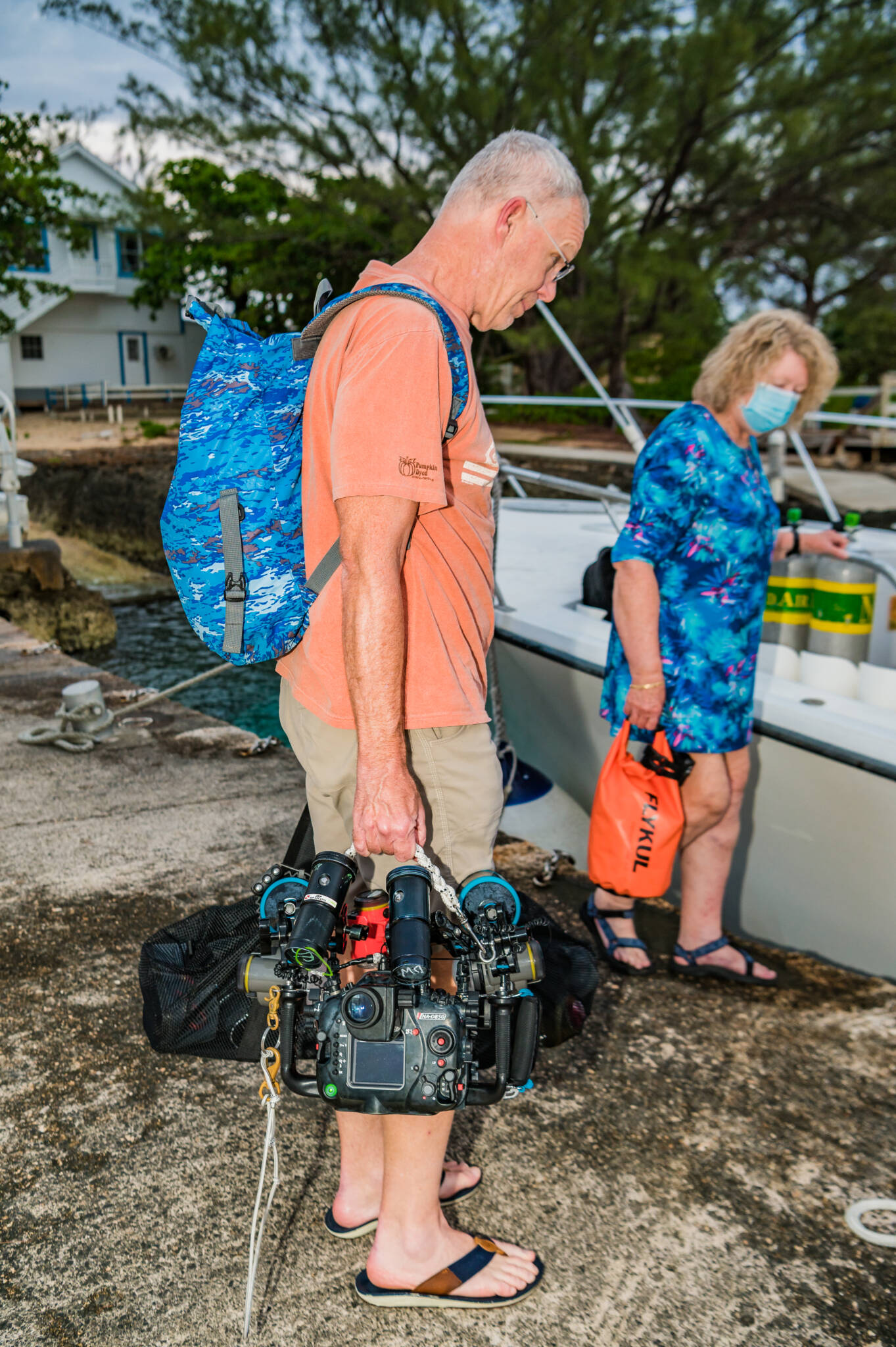
Learning to take blackwater photographs can be daunting, even for experienced underwater and macro photographers.
Wildlife and underwater photographer Whitestone, of Fisheye Photography, admitted he found taking images on blackwater dives incredibly challenging at first.
“I was so frustrated, I almost quit,” he said. “The hardest part is finding [the creatures]. At first, I couldn’t find anything. And then when you do eventually find them, you can start learning how to photograph them.”
Ferretti, who describes herself as a neophyte when it comes to blackwater photography, said her first dives off Grand Cayman this week was “off the charts”.
Pointing to her fellow divers, she said, “These guys are treasure hunters, they’re looking for cryptic, deep-sea creatures, but our first night here, for me, was just non-stop.”
On their dive on 27 April, the divers found a larval cusk eel, of the Brotula family, which is considered one of the “holy grail” of finds. It is among one of the top five animals (which includes the bony-eared assfish, named for its resemblance to a donkey), that send blackwater divers’ pulses racing and strobes flashing.
The photographers will be giving a free talk and presentation at Don Foster’s, on South Church Street, in George Town, at 7pm on Sunday, 1 May.
Related Videos









This is a wonderful article with beautiful pictures. It is a welcome respite from the other articles about multiple shootings and government corruption in the BVI.