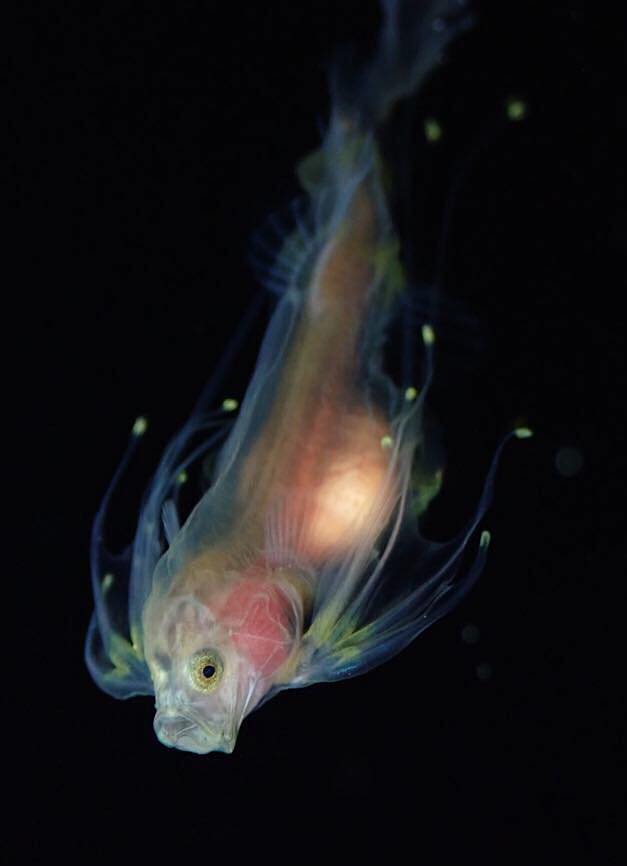
The tiny, alien-like creature drifts into the stream of light from my flashlight, pulsating and shining. I follow it around for several minutes, before another equally bizarre object floats into view and takes my attention.
To set the scene, I’m 60 feet underwater, about half a mile out to sea, off the southwest coast of Grand Cayman, in the middle of the night.
No, it’s not a scene from James Cameron’s ‘The Abyss’, though every now and again, it sort of feels like that, as some of the incredible critters that make an appearance look like there’s no way they’re from this planet. I’m on a ‘blackwater dive’ with Don Foster’s Dive.
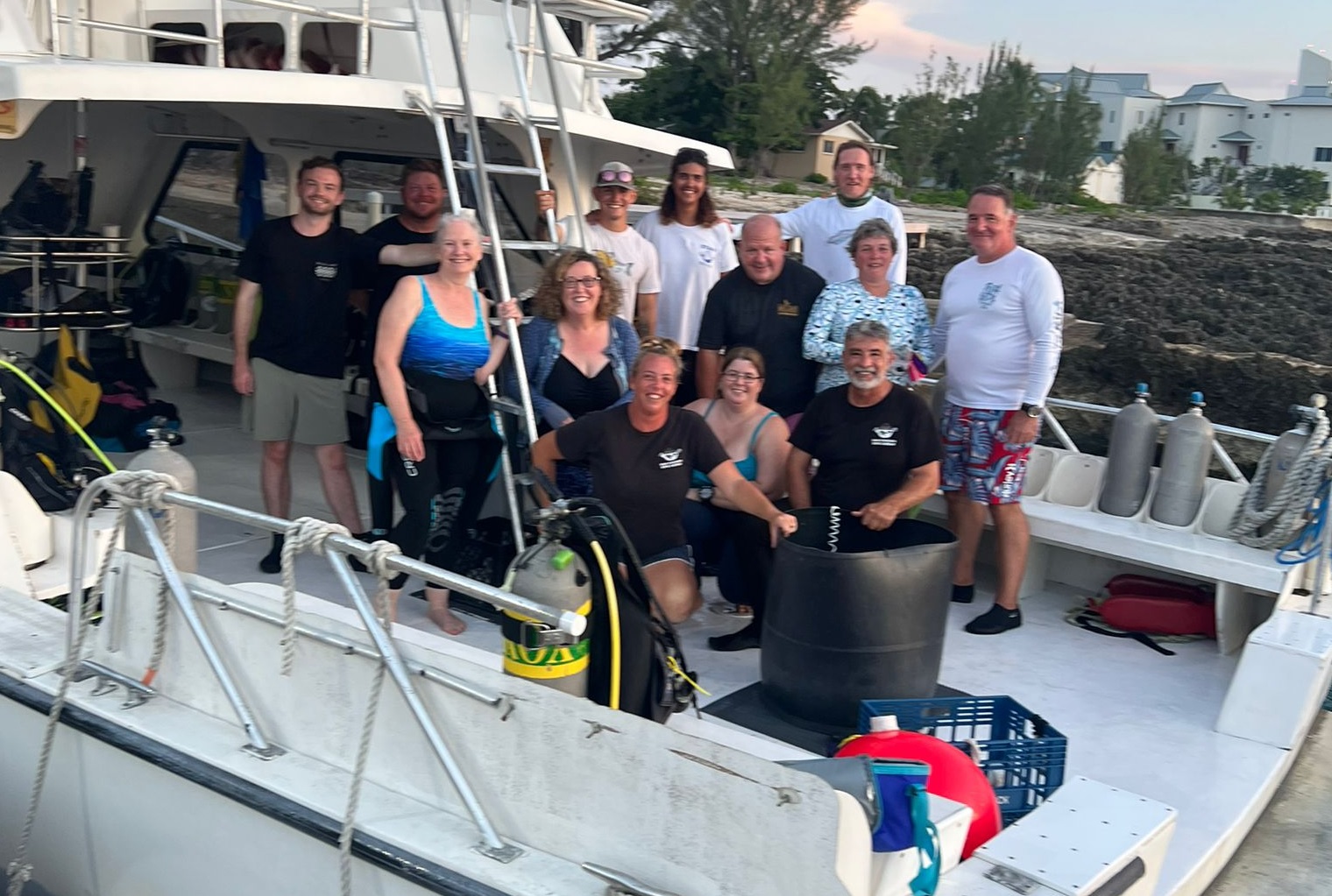
I, and a handful of divers, including Cayman Islands Governor Jane Owen, had headed out into the dark, after a thorough briefing on what to expect from dive instructor Nick Curtis.
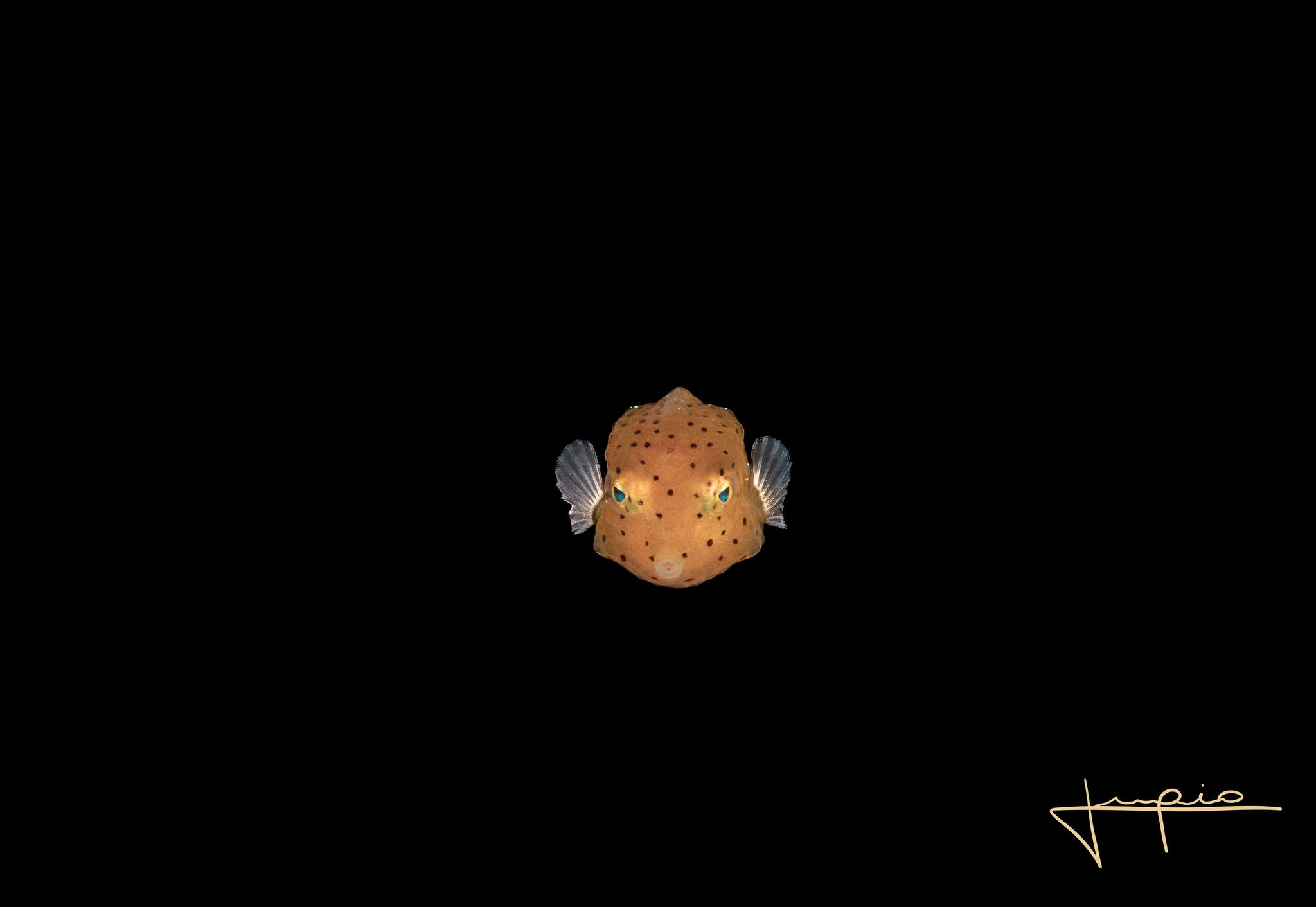
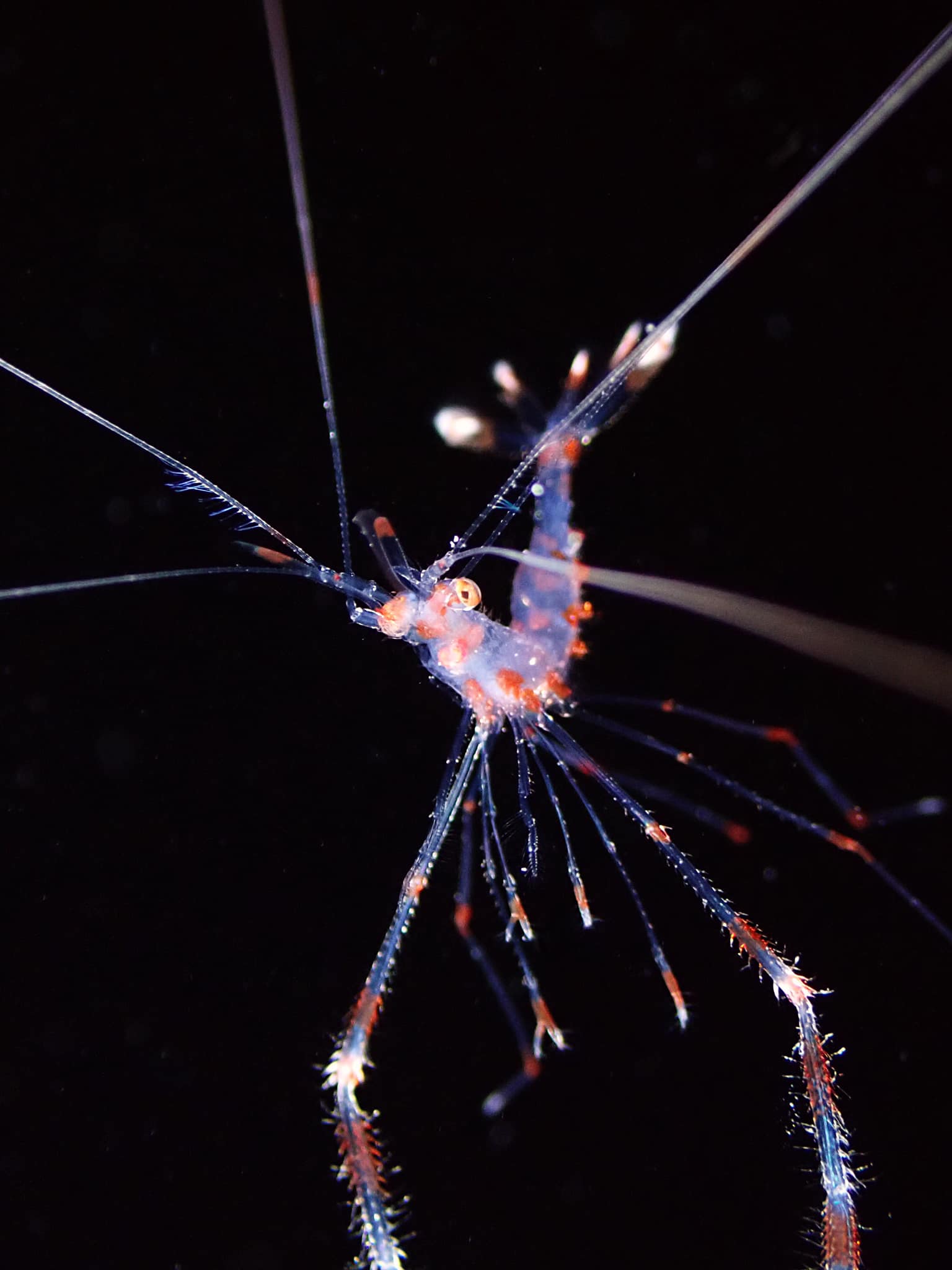
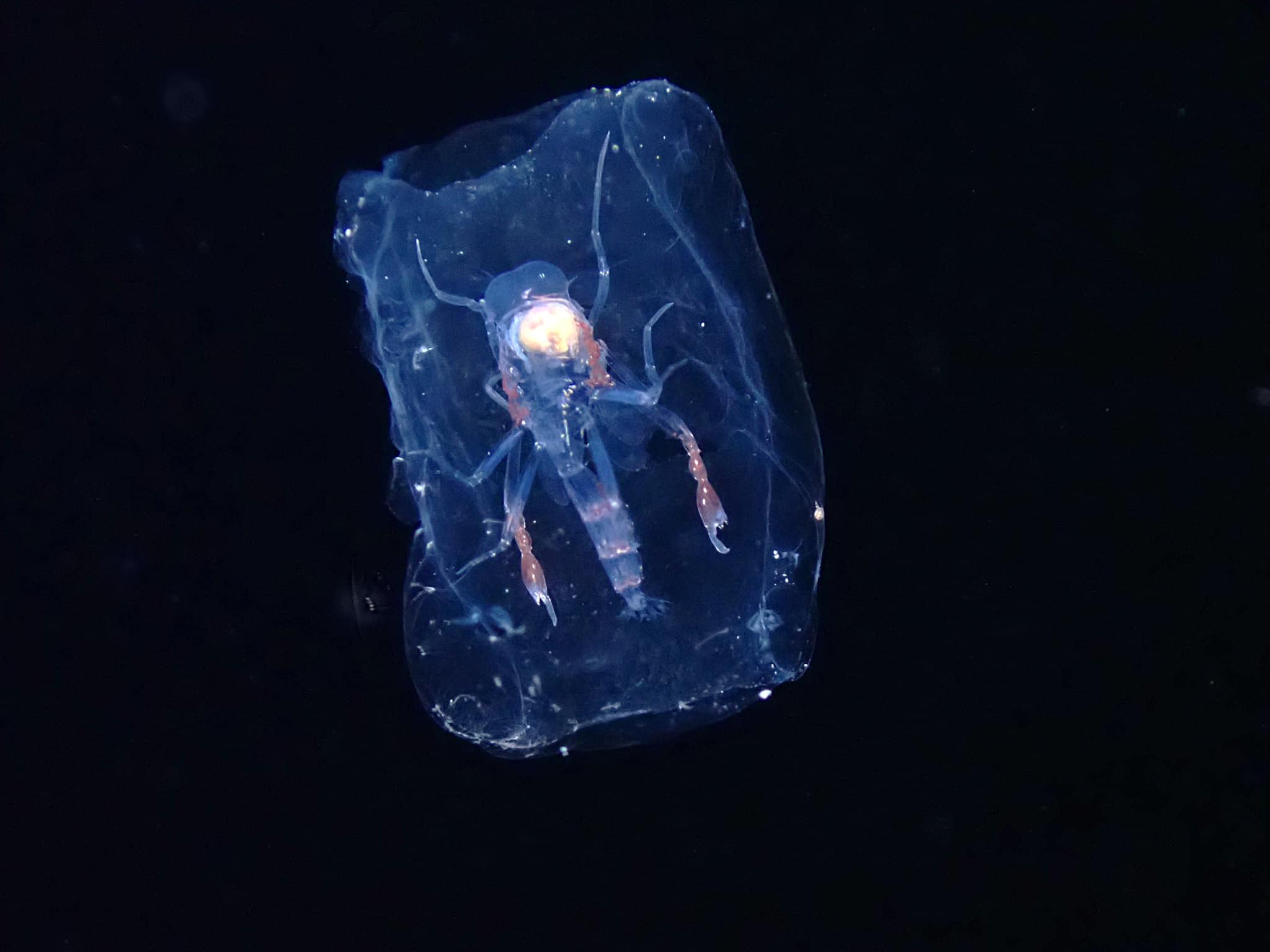
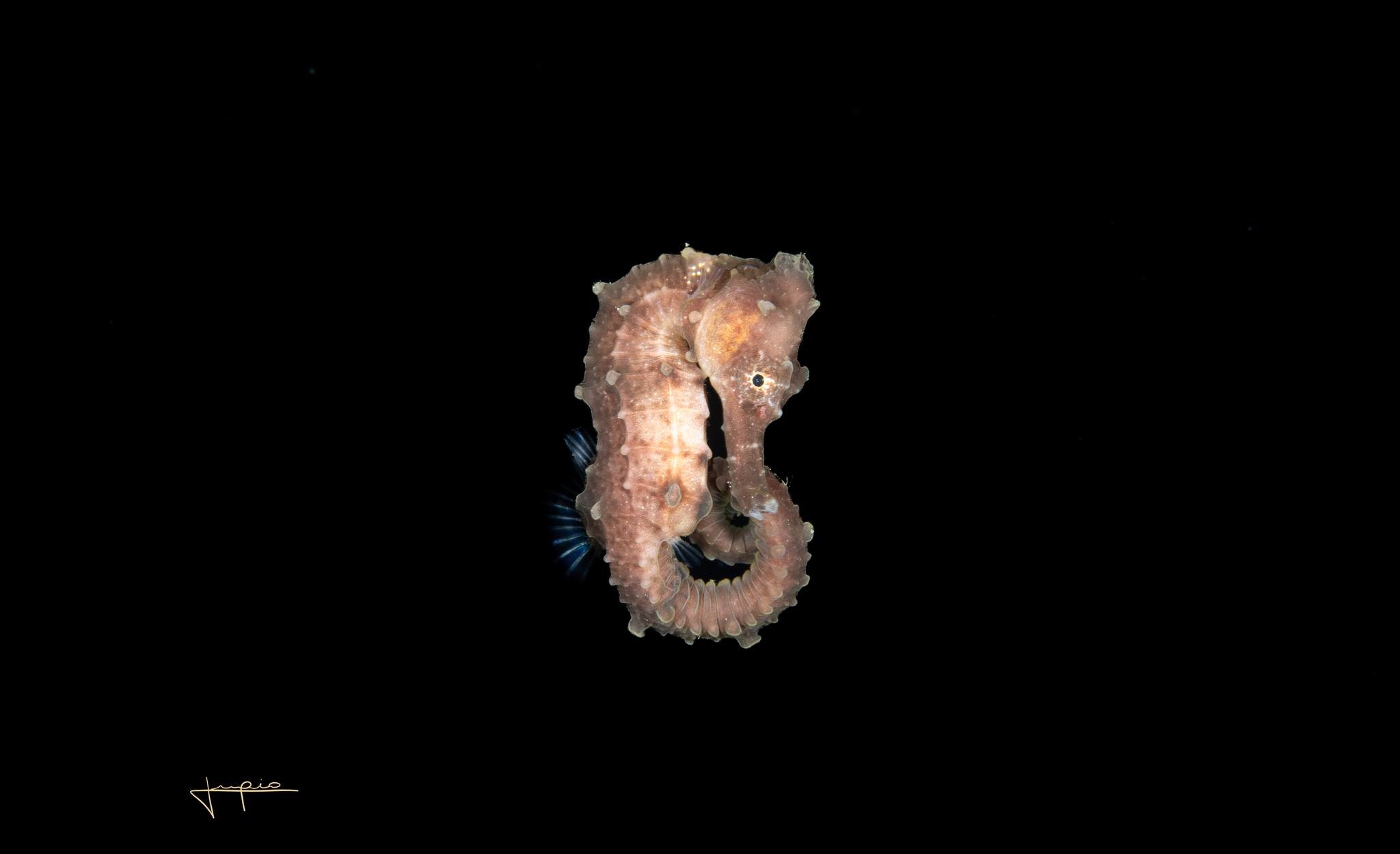
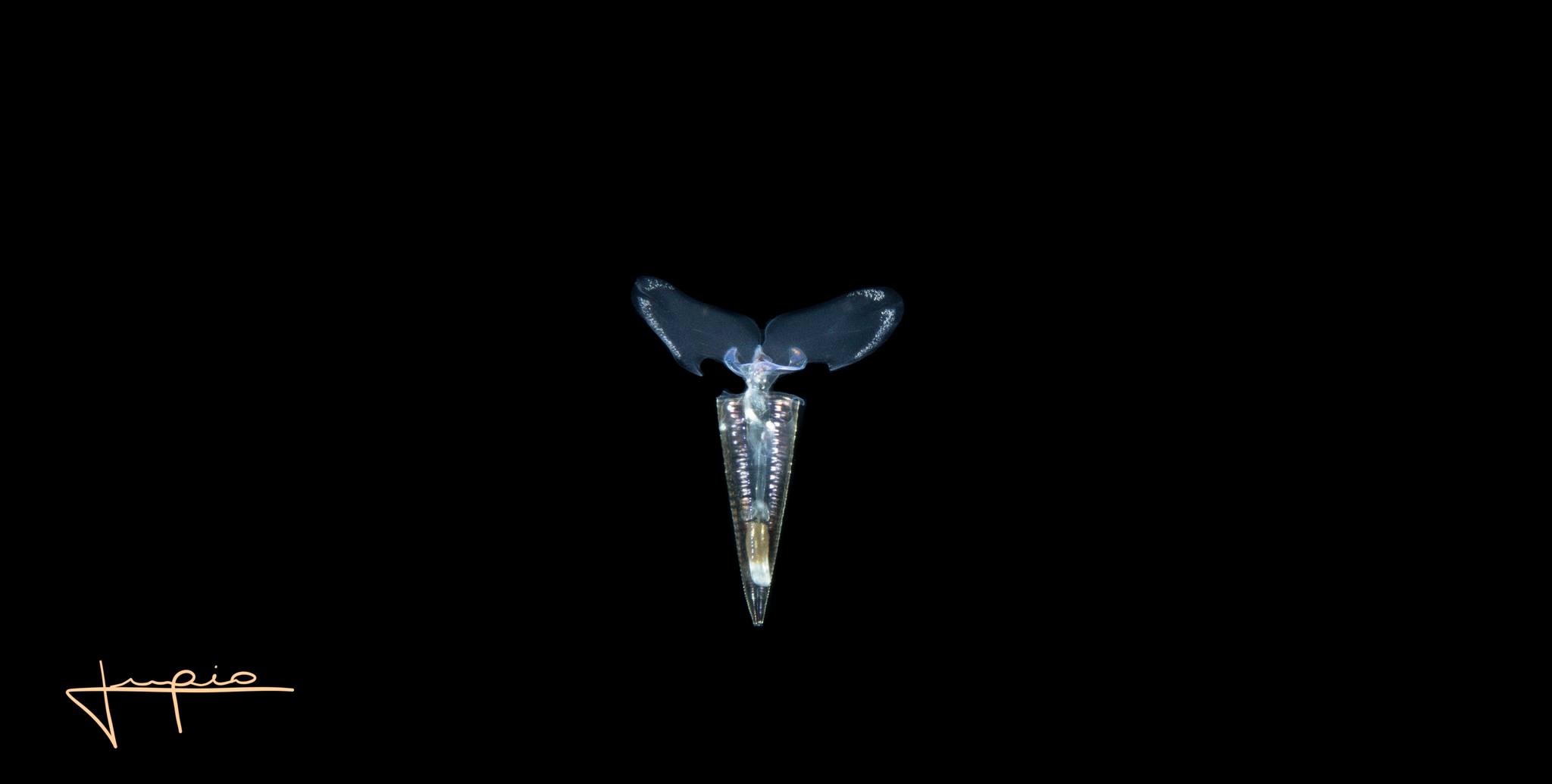
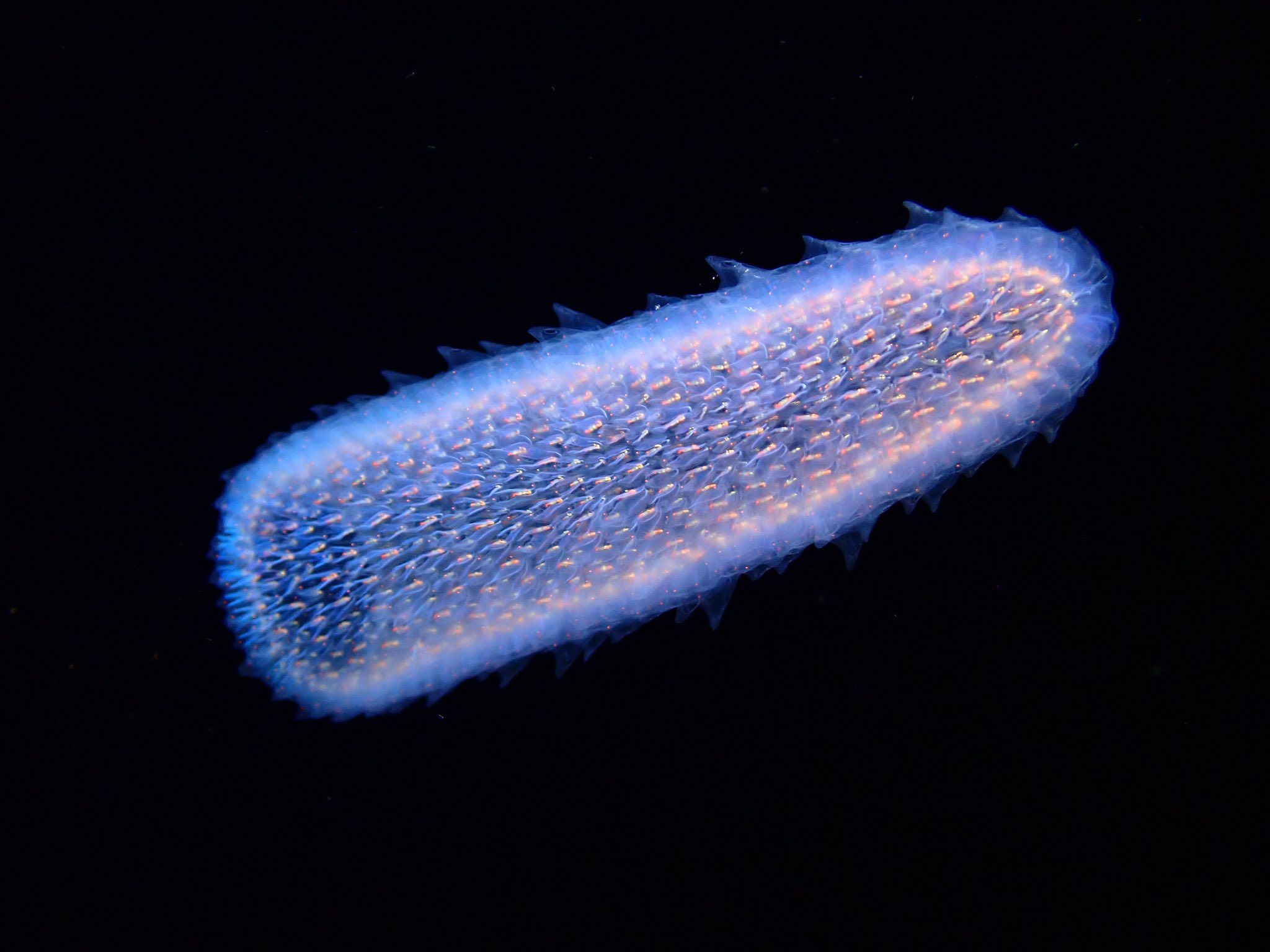
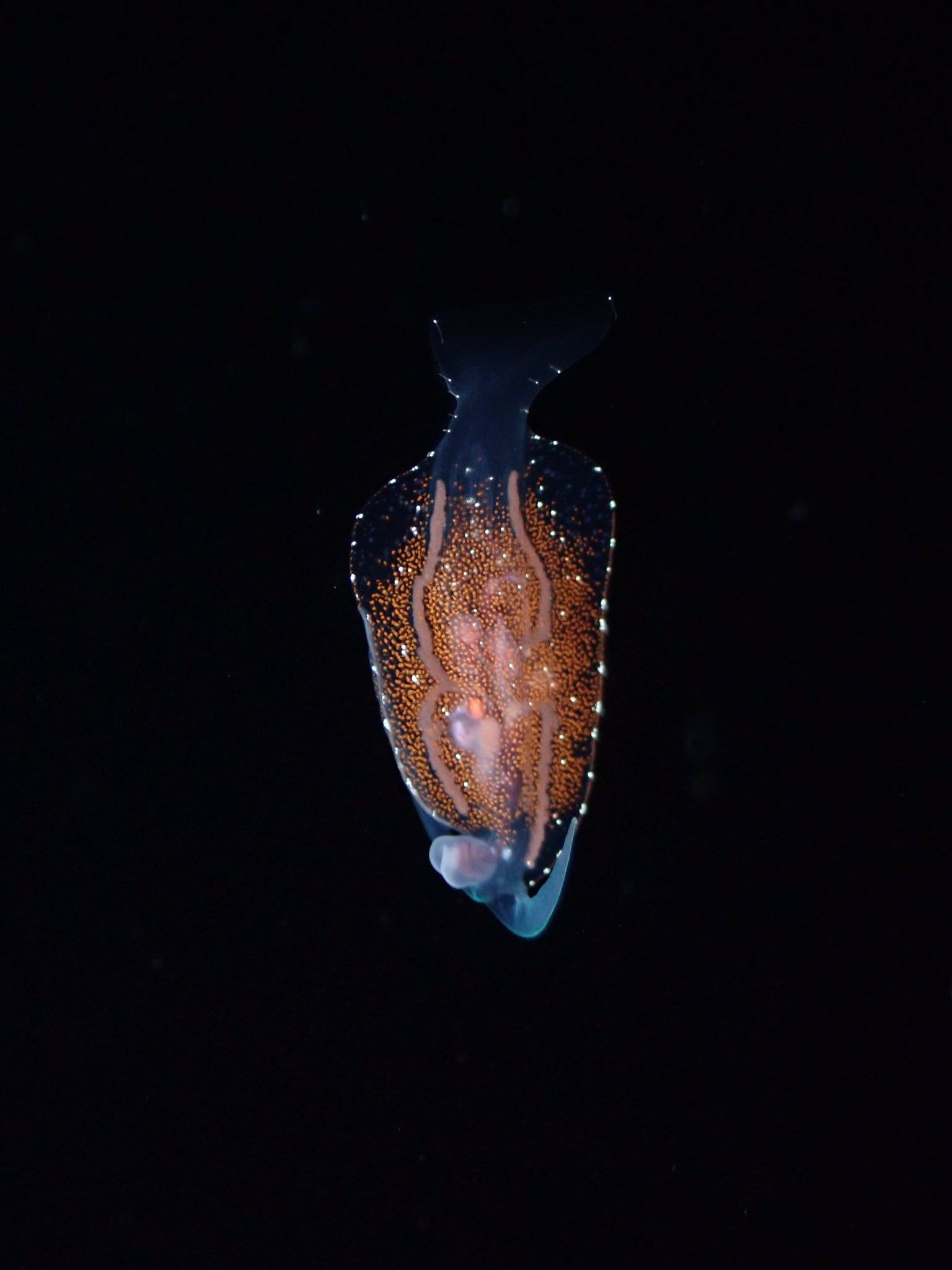
It does sound daunting, even to divers experienced in night dives, as you’re nowhere near a reef to get your bearings, and you’re out in the open sea after dark.
But, as Curtis points out, it’s quite an easy dive really, just drifting along, following a line of three lights, hung at different depths along a rope underneath the boat.
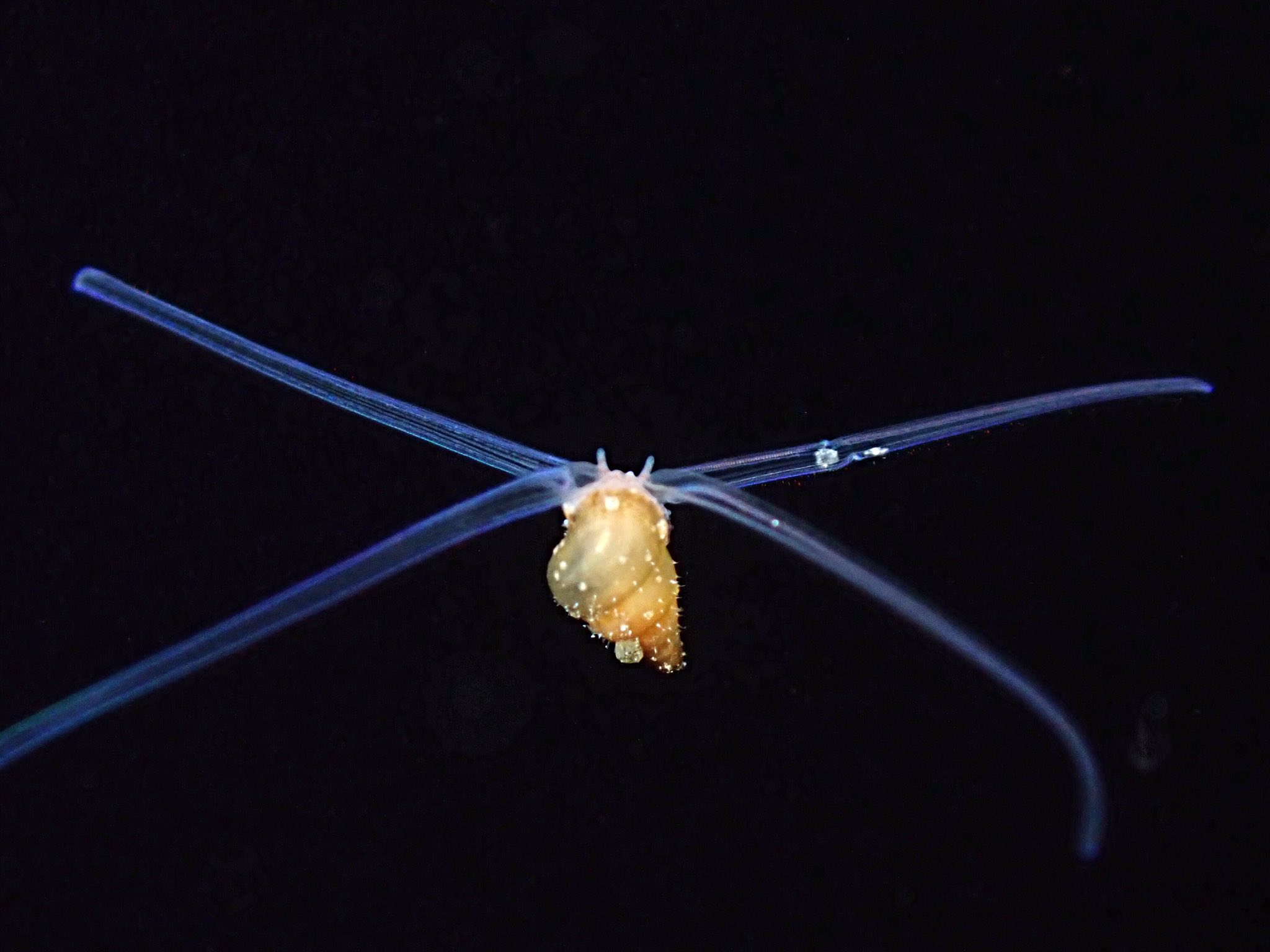
The lights attract some of the teeny marine animals, including larvae, that move from the depths of the sea to the surface to feed at night.
One minute, you’re splashing into the ocean in a giant leap from the boat, and the next, you’ve got a front-row seat to the largest nightly migration on planet Earth. The word ‘awesome’ could have been invented for this.
‘Magical’
Governor Owen, who was taking part in her first night dive in several years, described it as “an extraordinary experience and very different from a reef dive at night”.
“It was magical to see so many delicate tiny creatures rising from the ocean depths in the torchlight, offering a rare glimpse into the hidden wonders of our marine life,” she said, describing the dive as “a beautiful reminder of the rich biodiversity in our Cayman waters and the critical importance of preserving our ocean environments.
“Thanks to the expert staff from our dive team who made everyone feel safe – and explained the unusual fish that several of us were meeting for the first time.”
Unusual is right.
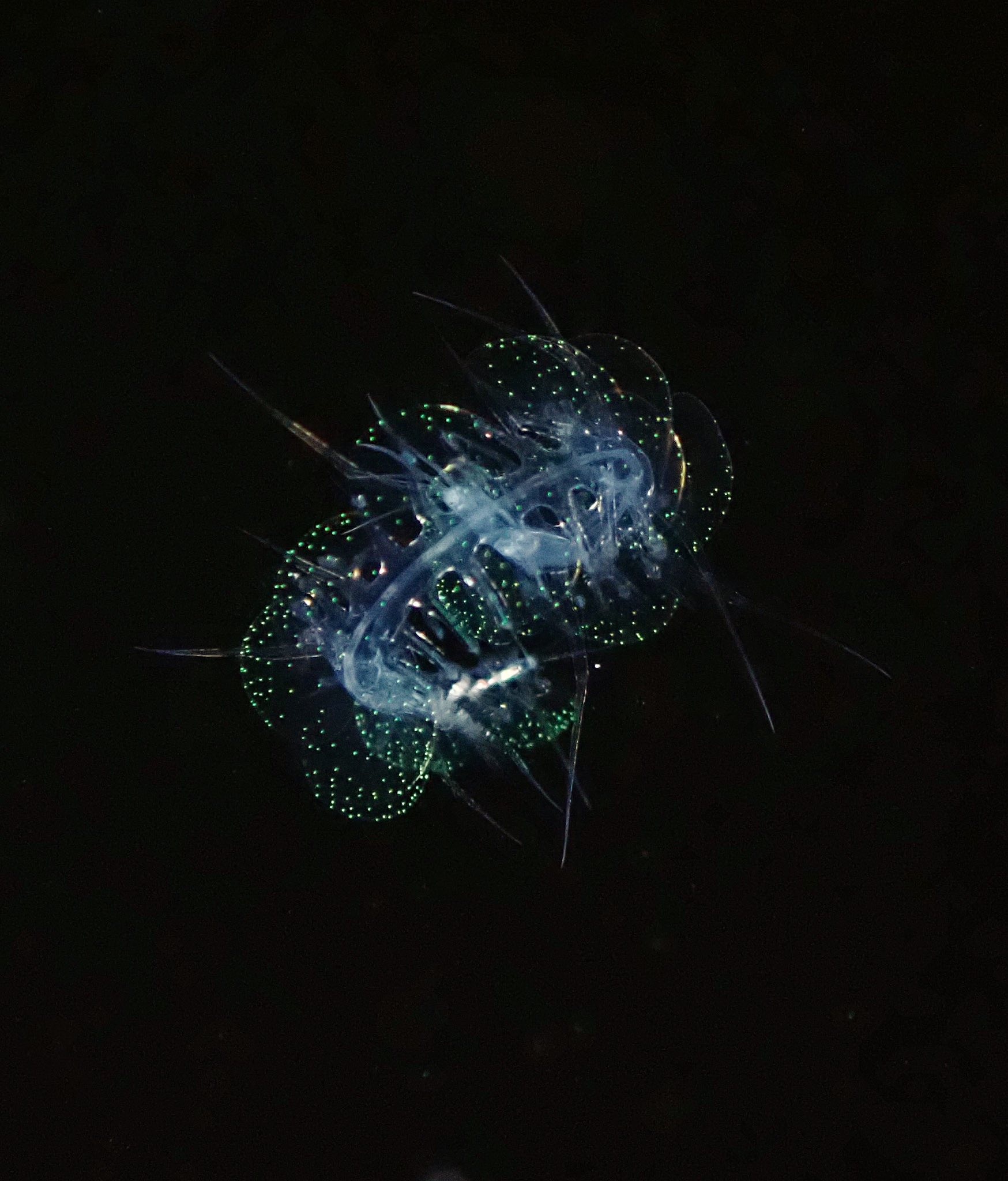
One creature – and I still don’t know what it was – had a glass-like filigree structure that seemed to pulse with light reflecting from my torch. It couldn’t have been more than an inch long, but it was so intricate and mesmerising, I followed it for ages, till it began to descend back down to a depth I couldn’t follow.
Keeping an eye on your depth is probably the most challenging part of the dive. You get so fascinated by the creature you’re watching, or photographing, that you follow it along, and next thing you know, you’re at 100 feet and your dive computer starts beeping furiously.
We’re warned about this in the pre-dive briefing. When you’re on the boat beforehand, listening to this, you think, “Duh, obviously, I’ll keep an eye on my depth,” but, oh no, when a baby squid, all sparkling and massive eyed, beckons, you’re probably going to follow. Thank goodness for dive computers, and ear pressure that tells you you’re going deeper.
Macro photography
Don Foster’s Dive has been running blackwater dives since 2021, and they’ve been growing in frequency and popularity ever since. Some of the keenest repeat divers who take part in the dive are the growing number of macro photographers in Cayman.
Among the divers who take down cameras in waterproof casing and big strobe lights is Don Foster’s Dive owner Sergio Coni, who was inspired to start running the local blackwater dives after experiencing them in the Philippines in 2018.
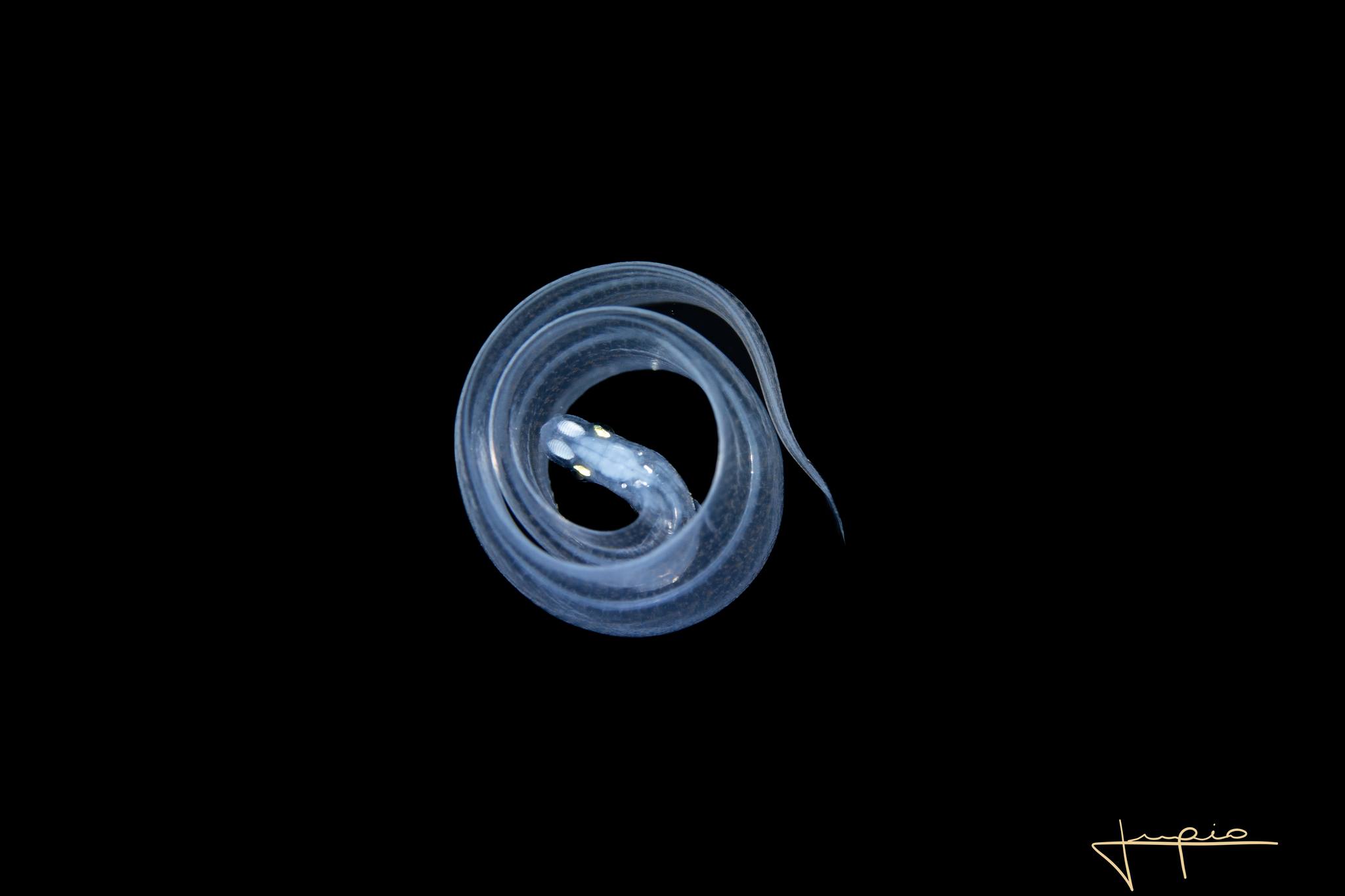
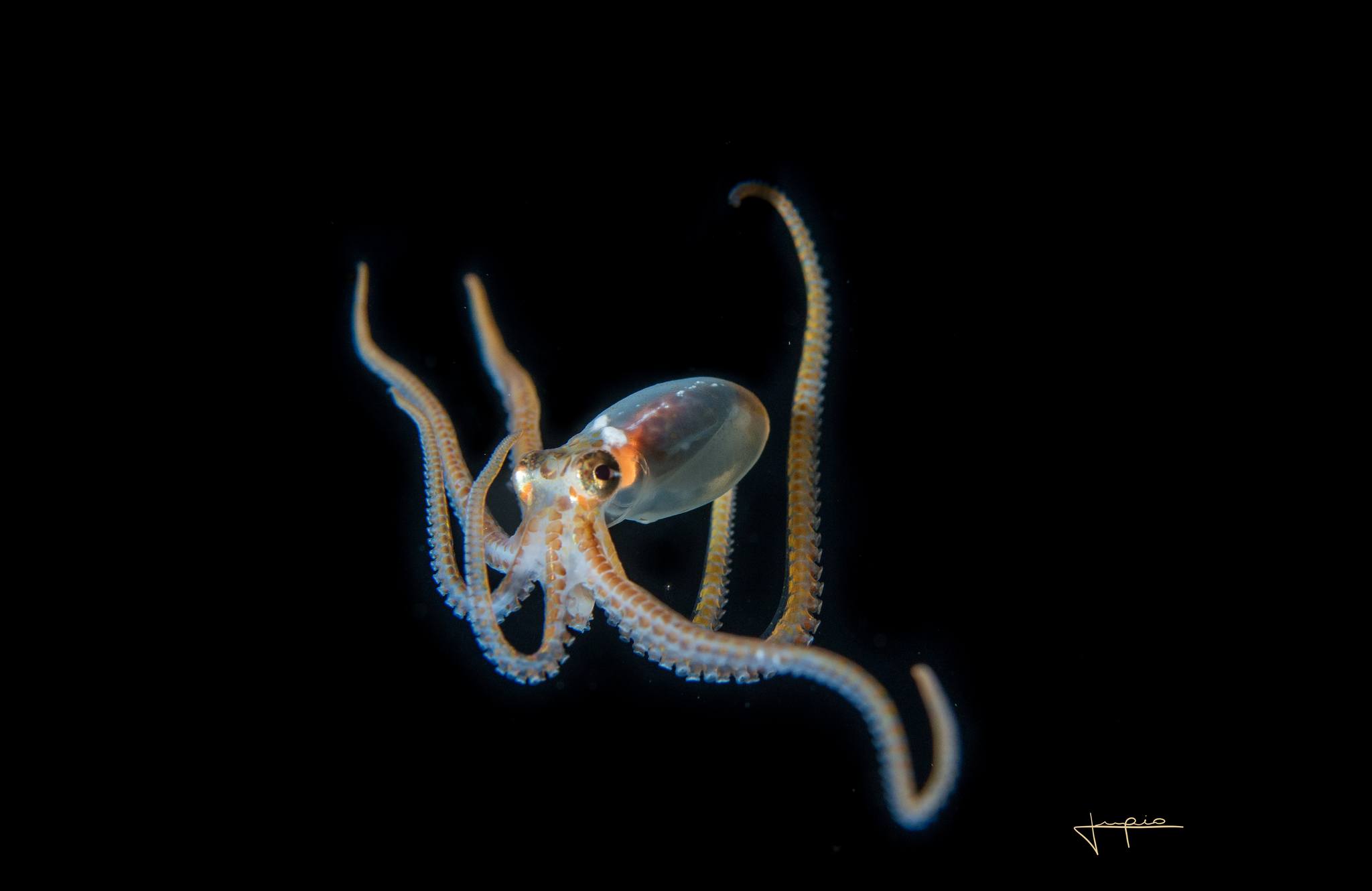
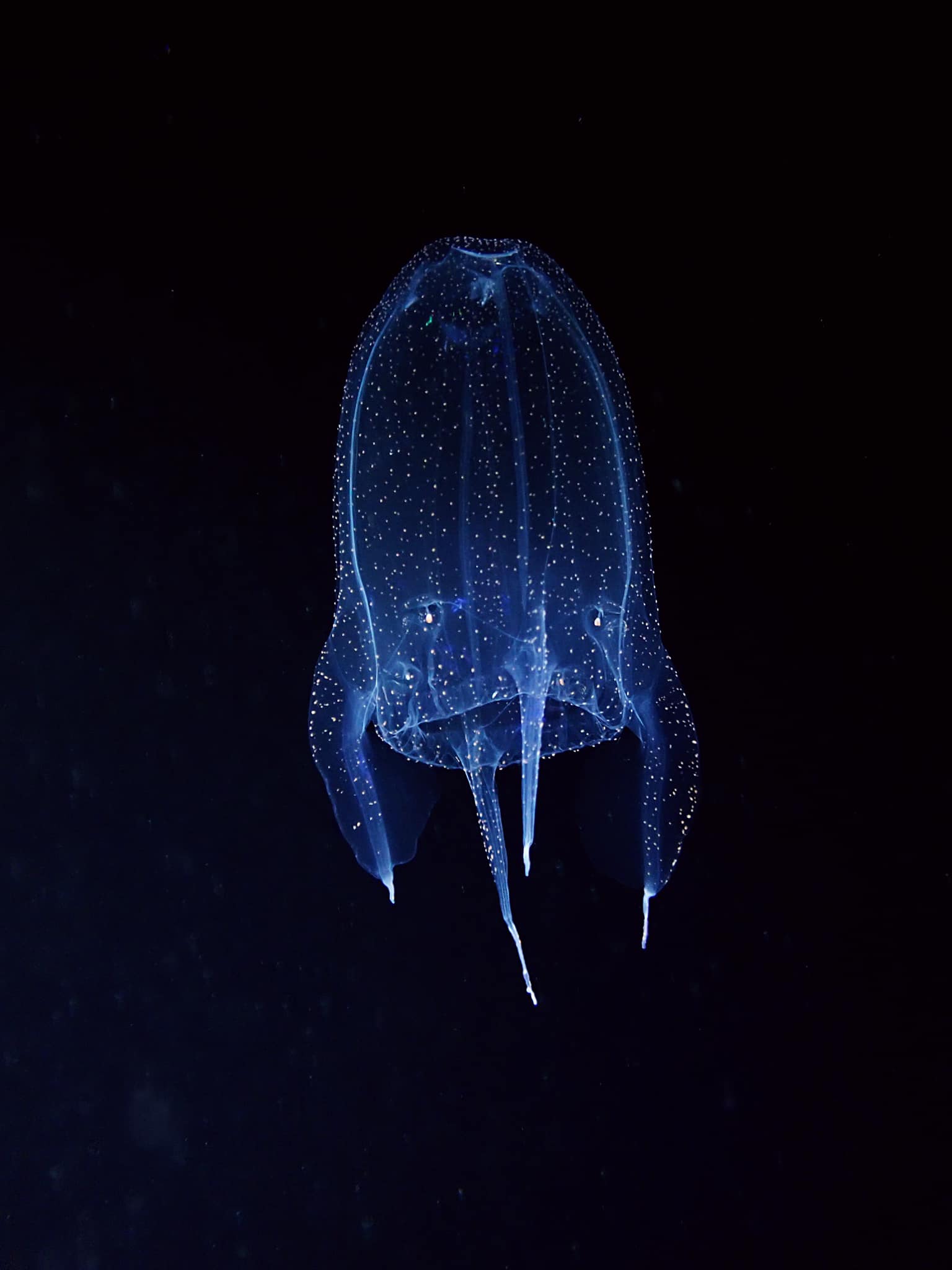
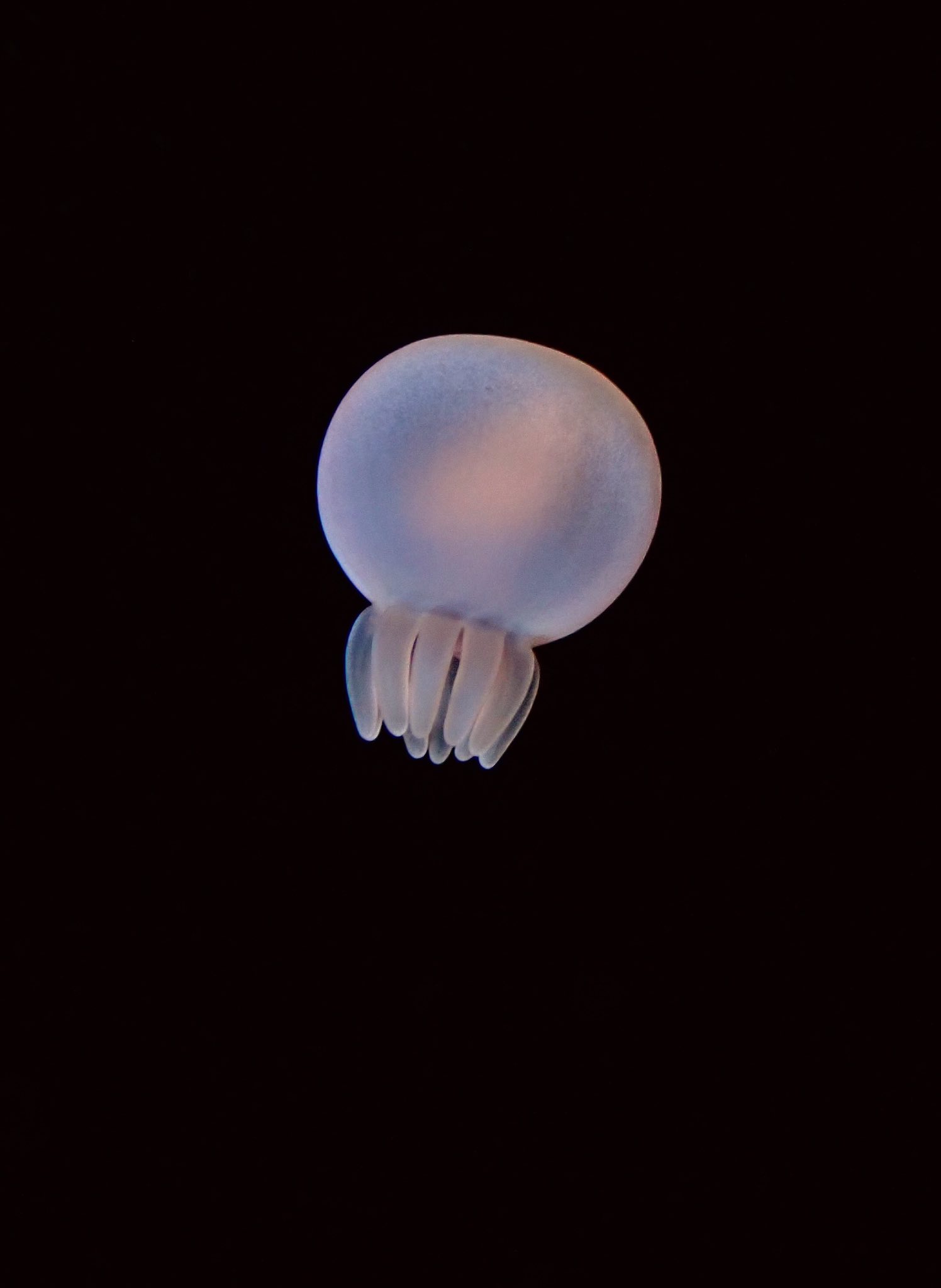
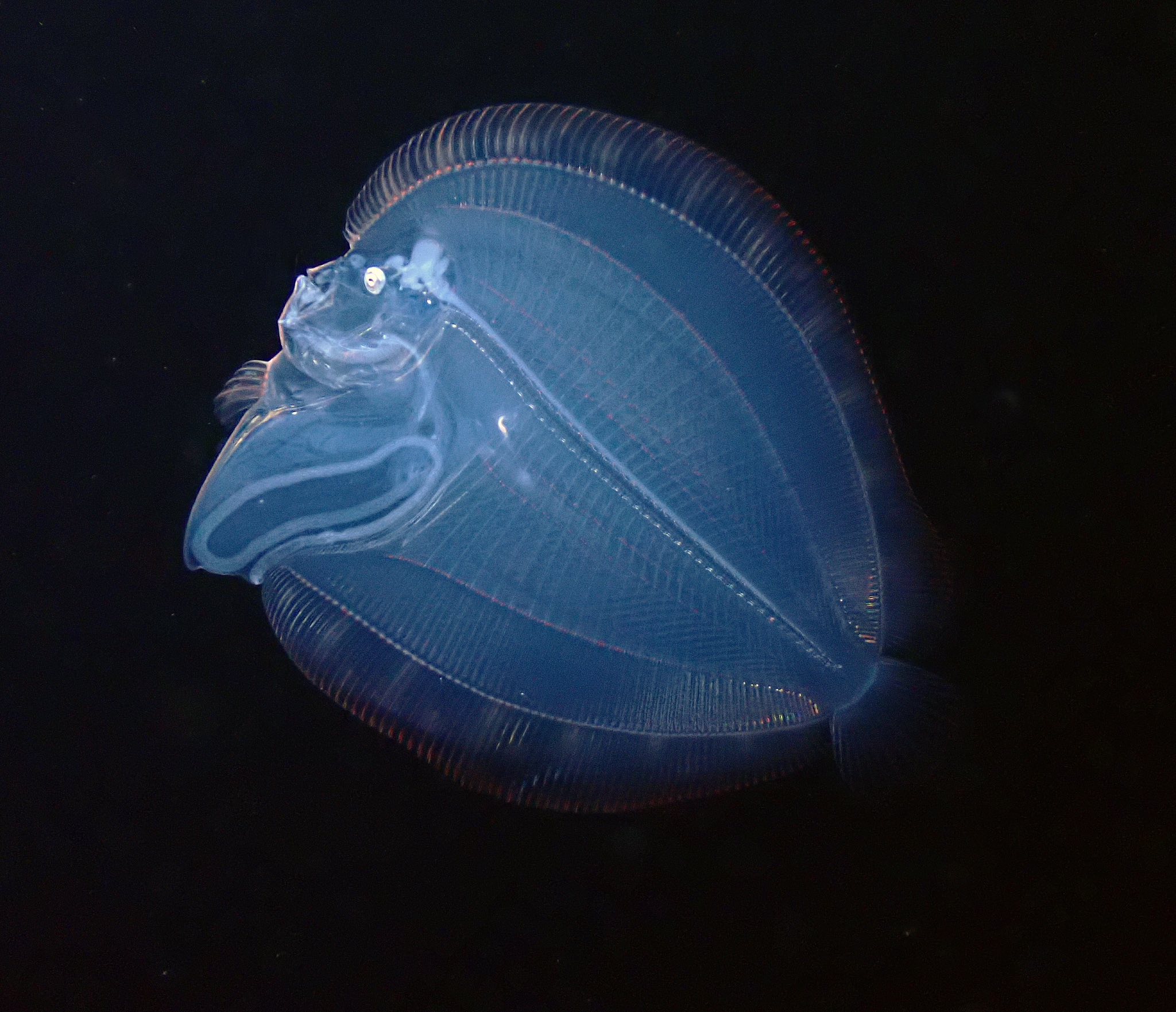
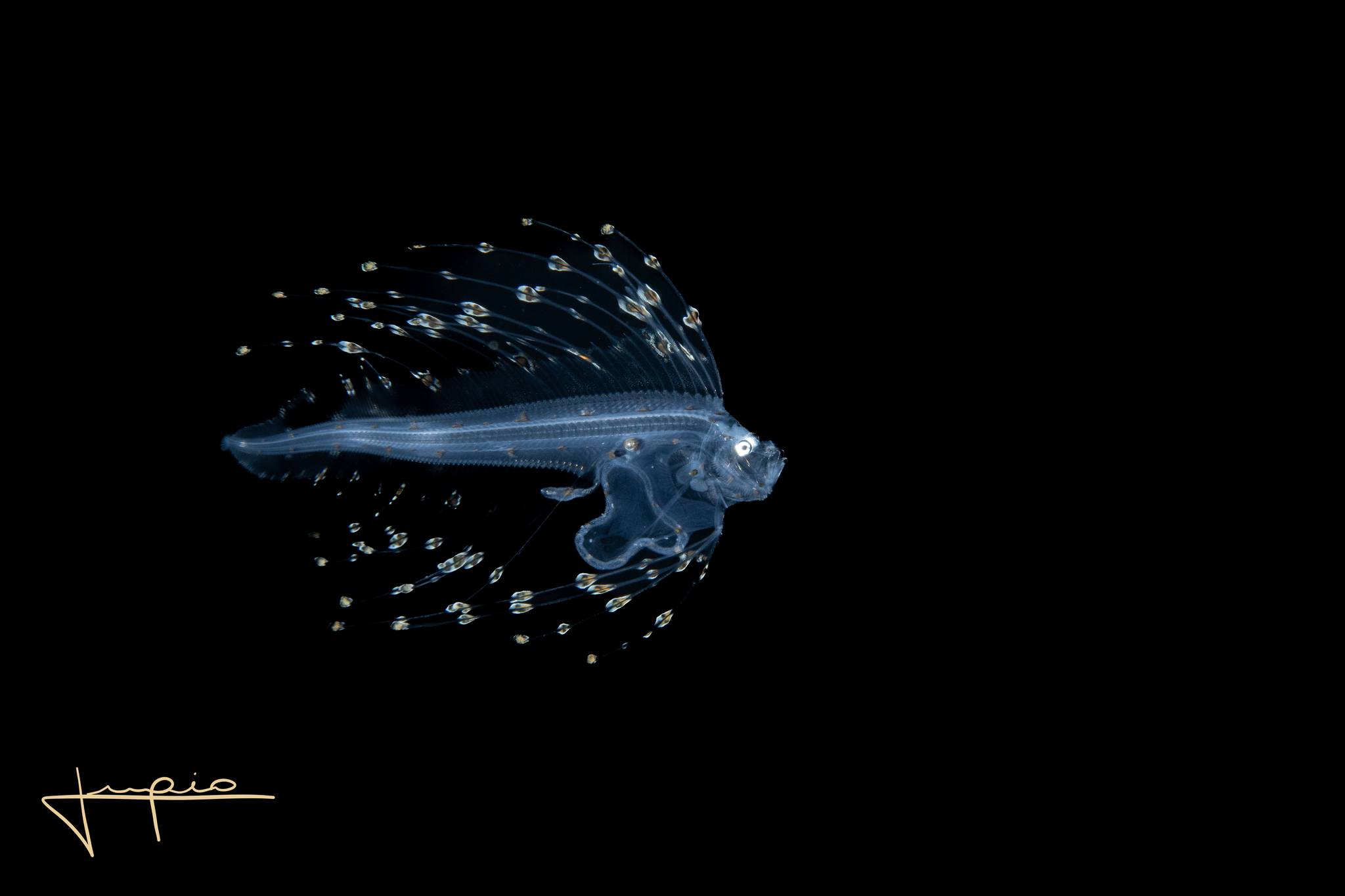
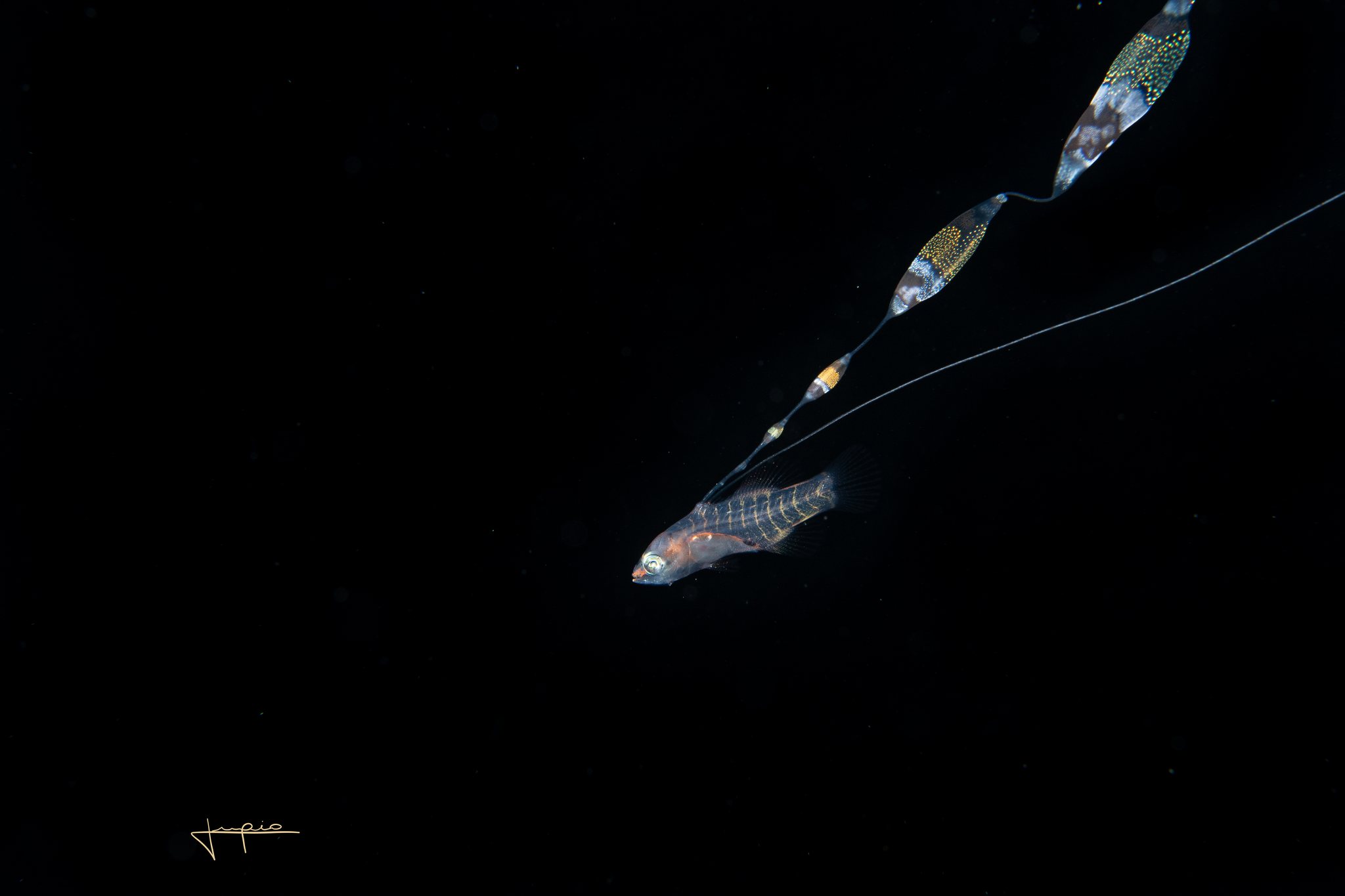
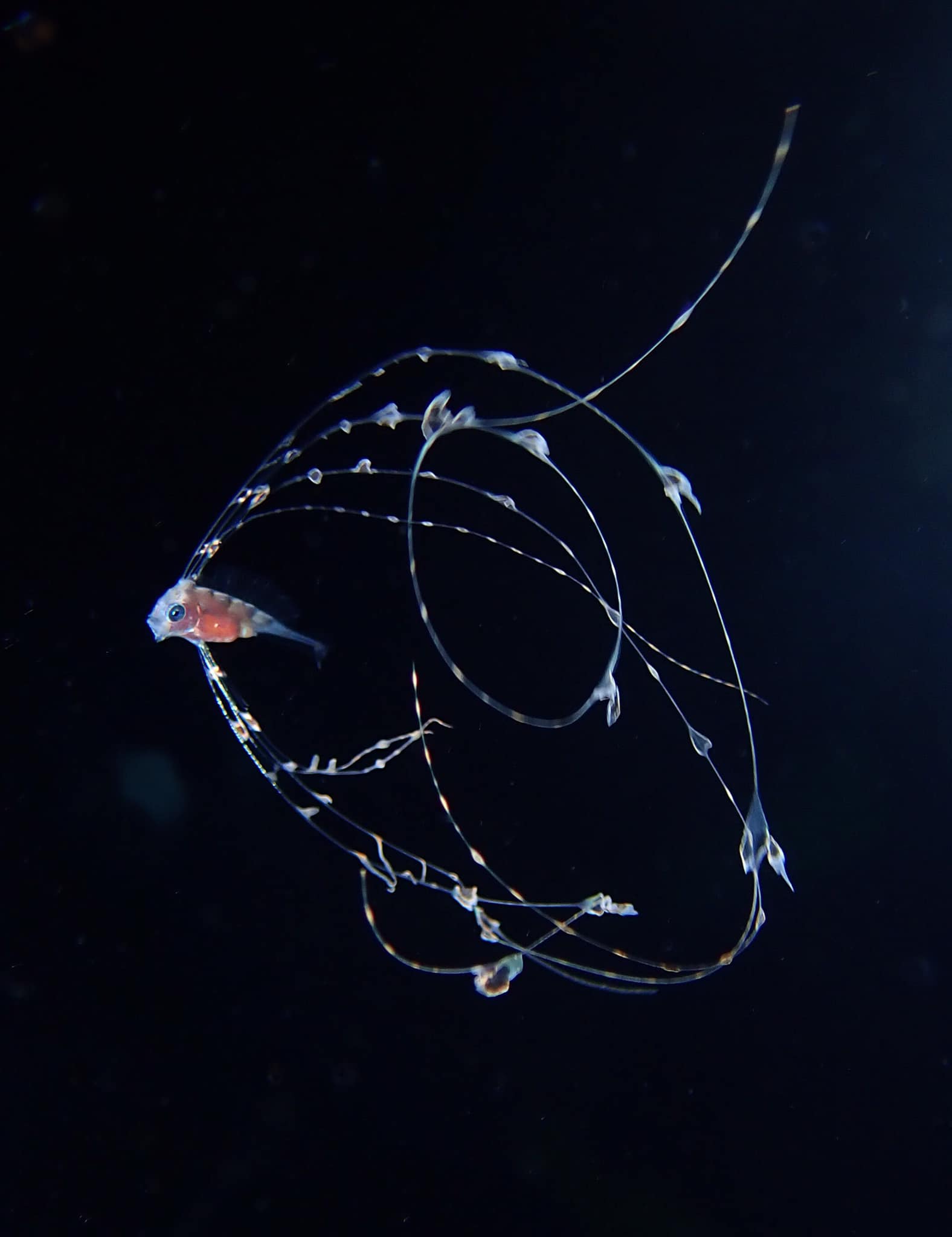
He or colleague Lindsey Curtis are often the last ones out of the water, as they continue to snap images of the tiny creatures. They capture pictures of the often translucent, miniature fish, or eels, or seahorses, or, notably at a recent dive, a larval whalefish that led to some excitement on the Facebook group of which blackwater divers and scientists from around the world are members.
“Lindsey is like a magnet for these things,” Coni said. “She really has an eye for finding some of these very weird and amazing creatures.”
She spotted and photographed the whalefish larva, which was big by blackwater dive standards, at about 6 inches long.
“It was something we’d never seen before. … It caused quite a sensation on the Facebook group,” Coni said.
Spreading the word
Since 2021, Don Foster’s has taken divers out on 116 blackwater dives.
Word is spreading about Cayman’s blackwater diving, not just locally, but among overseas divers, Coni said. Interest among the international scientific and underwater macro photography community was sparked back in 2021 when a group of renowned photographers visited Cayman to join him on blackwater dives.
That group, and others in the blackwater dive community, were working with the Smithsonian National Museum of Natural History, to create banks of images showing the larval-stage fish at sea, and to help build up a base of samples from which DNA can be extracted.
Coni said he believes that the hundreds of photos of creatures he and his team, and other photographers, have taken underwater on the blackwater dives have barely “scratched the surface” of what can be found and observed down there.
“We don’t know what happens on any given night,” he said. “We have a lot to discover.”
To find out more about blackwater diving, visit donfosters.com.
Related Videos