


 After an extended pause, the monetary tide has turned. The US Federal Reserve is now widely expected to cut rates four times over the next year, totalling a full percentage point, starting in September.
For Cayman, this shift could offer some breathing room. Any reduction in borrowing costs will be welcome news for households and businesses.
However, the outlook is far from a return to the historic low rates of the 2010s.
US central bankers now estimate the ‘neutral’ interest rate – the neither stimulative nor restrictive level – at around 3%. Overall, despite this, the tone has changed and this extended period of uncertainty looks set to end – a shift that could bolster consumer and business confidence.
Even as interest rates fall, trade tensions have been on the rise.
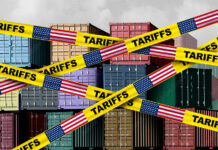
The US this year imposed or increased tariffs on a range of goods – a policy shift that has driven the average US import duty to around 20%, the highest in roughly 100 years.
In early August, Washington rolled out a wave of ‘reciprocal’ tariffs on over 90 trading
partners, hiking import taxes on products from countries like Brazil (50%), Switzerland (39%), Canada (35%), India (25%), and many others. These are stunning figures: by comparison, the average US tariff was just 2.5% in 2017.
American officials tout the tariffs as a source of “billions” in revenue and a tool to rebalance trade. But the costs are ultimately borne by importing companies and consumers, and signs of strain are emerging.
Tariff-related cost increases
US inflation data confirms that tariffs have begun pushing up prices for imported goods, like recreational equipment, vehicles and building materials. Major manufacturers, from Caterpillar to Toyota, have warned of tariff-related cost hits (in Toyota’s case, nearly $10 billion), and a wide swath of firms have grown wary of passing these costs onto shoppers as the US economy slows.
For Cayman, the tariff turmoil translates into higher imported inflation in subtle ways. Many products we bring in from the US (our primary trading partner) may embed higher input costs due to tariffs on steel, aluminium, semiconductors, and other components.
Local retailers could face steeper wholesale prices on everything from appliances to autos as US suppliers pay more to source goods. At the same time, global supply chains are
adjusting. Some American importers are nearshoring production to Mexico or other low-tariff countries to sidestep duties, while countries hit with punitive US tariffs are seeking new markets – potentially altering the flow of goods and pricing.
Silver lining
There is a silver lining: economists say the US government’s own spending pullback in 2025 (a growing ‘fiscal drag’) will likely cool demand and offset some inflation from tariffs, preventing an all-out price spiral.
Indeed, despite the tariff shock, US core inflation has eased to around 2.8% year-on-year, as services inflation such as rents and restaurant prices offset price rises in goods.
Another factor is the US dollar’s weakness. The dollar has lost roughly 9% of its value against major currencies this year, sinking to its lowest level in three years. This slide reflects shifting fiscal policy and trade uncertainties, and it has a direct impact on Cayman’s buying power abroad.
The Cayman dollar moves in lockstep with the greenback, so when the US currency falls, imports from non-US sources become more expensive for Cayman. European and Asian goods – cars, electronics, foodstuffs – now cost about 9% more in USD terms than they did in January, purely due to exchange rates.
Residents travelling to Europe will have noticed a stronger euro and pound, and local businesses importing from those markets face higher bills. In effect, the dollar’s weakness
erodes Cayman’s overseas purchasing power, adding another inflationary tinge.
On the upside, a softer dollar makes Cayman more affordable for visitors from Europe and Canada, potentially boosting tourism. And crucially, global energy prices have been relatively soft, helping to cap inflation.
Benchmark WTI crude oil has been trading in the high-$60s per barrel in recent months – a far cry from the $100+ spikes seen in 2022. Cheaper oil has kept gasoline and electricity costs in check. This moderation in energy prices offsets some of the higher costs of other imports, offering relief for motorists and electricity bills.
Impact on Cayman
Overall, Cayman shoppers should brace for mildly higher retail prices on imported goods in the coming months – not a dramatic surge, but a noticeable uptick in certain categories (especially European goods and tariff-affected items).
For now, the hope is that slower US growth and stable oil will keep global inflation contained, even as trade barriers raise some costs at the margins.
Cayman’s tourism sector depends heavily on US visitors, so American economic trends around jobs, income and confidence loom large.
Travel demand
The picture right now is somewhat paradoxical: US consumers are sending mixed
signals. On one hand, travel demand has come roaring back from its spring lull. After a brief dip in March and April, US airport traffic has rebounded strongly.
The Transportation Security Administration screened a record 3.1 million passengers in a single day in late June, an all-time high for US air travel. Over the 4 July holiday period, daily passenger volumes regularly approached 3 million, breaking pre-pandemic records. This suggests Americans are still keen to fly and vacation, despite economic headwinds.
Airlines report robust bookings for summer, and oil prices remaining moderate has prevented any spike in airfare.
For Cayman, this means the critical US visitor pipeline remains intact – and we can expect solid arrivals through the winter high season if these trends hold.
The recent dip in the US dollar might even encourage more Americans to choose US-pegged destinations, like Cayman (where their dollars retain full value) over pricier Europe.
Additionally, European economies are outperforming expectations – Germany has
unleashed new fiscal stimulus and interest rates are low – which could embolden more Europeans to take long-haul trips.
A stronger euro and pound make Cayman Islands holidays cheaper for them, an opportunity for our tourism market to diversify.
Tourism officials are already mulling expanded air connectivity eastward, eyeing
additional flights or marketing in Europe to capitalise on renewed European travel appetite.
And yet, beneath the rosy travel numbers lies evidence of financial stress on US consumers – particularly among younger and lower-income groups. The resumption of US student loan payments has led to a spike in delinquencies: as of Q2, over 10% of US student debt is 90+ days delinquent, up from under 1% a year ago. This reflects millions of Americans falling behind on loans now that pandemic-era payment pauses have ended.
Meanwhile, the US labour market, while still relatively healthy, is not as tight as it appears – once a shrinking labour force is accounted for, the ‘true’ US unemployment rate is above 4.5% and climbing. In plain terms: young adults are feeling pinched, and some households are cutting back.
Reece Jarvis is vice president, group head of Fixed Income, Asset Management, Butterfield.
Related Videos











How could an article essentially criticizing the negative impact of US tariffs on Cayman residents/ consumers not mention the similarities and differences with Cayman’s import duties, and the compounding effect of Cayman charging a further duty, or tariff, on the US tariffs, so charging Cayman residents taxes on taxes??
YES