

Cayman’s public finances will remain within the Framework for Fiscal Responsibility, yet the cost of servicing public debt will jump in 2027.
In its first budget, the National Coalition for Caymanians government outlined its commitment to adhering to the framework’s requirements. However, the rising stock of debt and growing government spending will worry some.
The framework, introduced into Caymanian law in 2012 through amendments to the Public Management and Finance Law, is intended to ensure responsible financial management. If its rules are breached, then the Cayman Islands government would need to seek UK approval for any significant financial decisions.
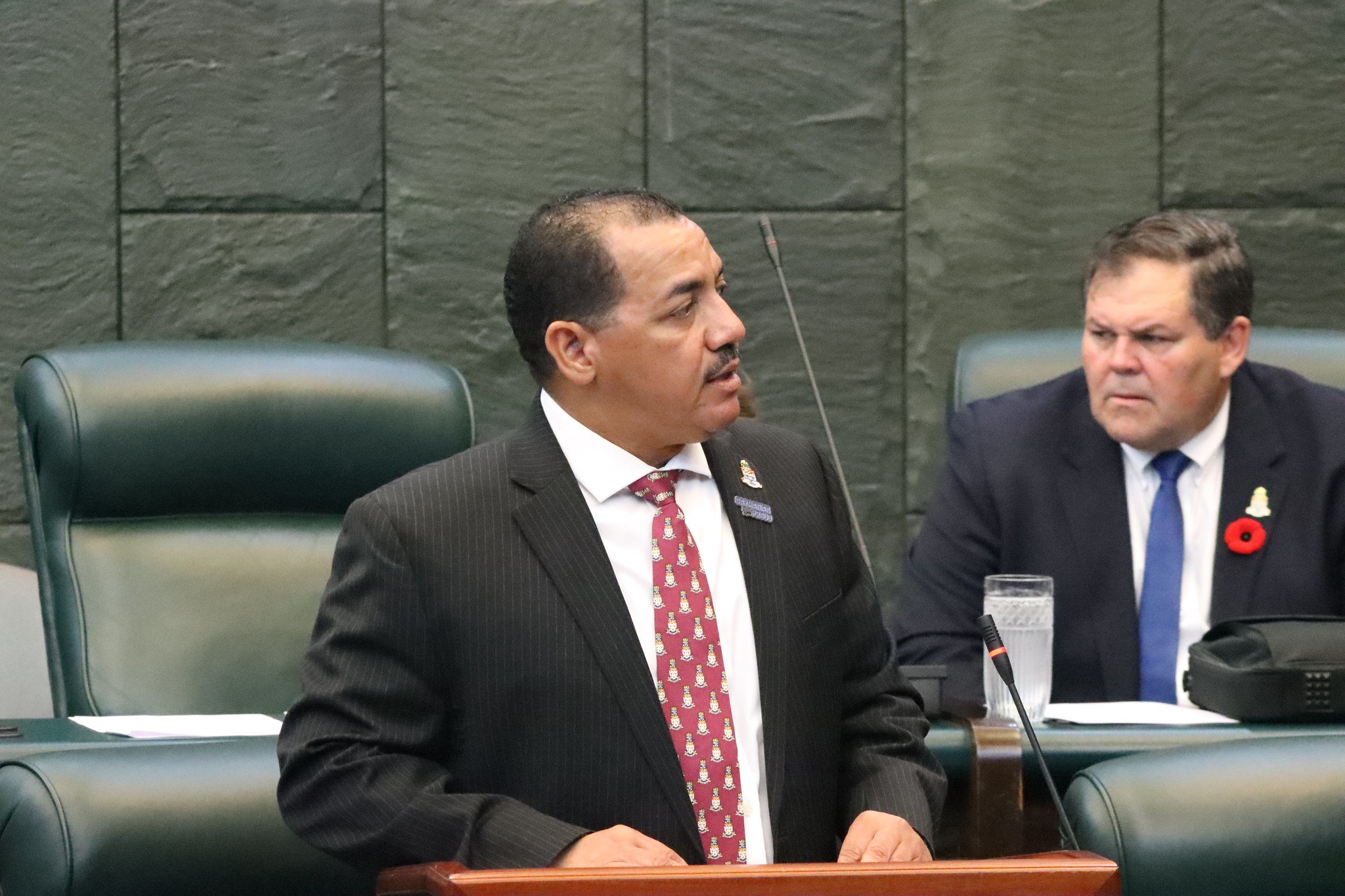
Minister for Finance and Economic Development Rolston Anglin presented the Appropriation Bill (Financial Years 2026 and 2027) 2025 in Parliament on 6 Nov. The figures stated by the minister show that Cayman’s projected government finances though to 2027 will comfortably meet the framework’s parameters.
The framework requires the government to run a surplus, and Anglin’s numbers showed a projected surplus of $10 million in 2025, increasing to $11 million in 2026 and $37 million in 2027.
The estimated surplus for 2027 is impressive, but given the volatile and controversial nature of fiscal projections, not everyone will take that figure at face value.
Rising debt
Another framework requirement is that debt service must be no greater than 10% of operating revenue. The latest government figures show the debt service ratio rising from 6.2% in 2025, to 6.5% in 2026, and 7.4% in 2027. So, while the figures remain within the framework, there is a noticeable increase. Indeed, annual interest costs are expected to rise from $24.7 million in 2025 to $30.7 million in 2027.
It’s a similar story with cash reserves, where the government figures show a slight deterioration in finances, albeit Cayman is far from breaching the requirements.
The framework states that Cayman must have enough cash reserves to cover 90 days or more state expenditure. Anglin’s numbers showed 97 days of cash reserves in 2025, which drops to 92 days in 2026 before recovering to 96 days in 2027.
Cayman is in a very comfortable position when it comes to net-debt to revenue, another of the framework’s key metrics. Cayman’s current net-debt-to revenue ratio is 17.2%, well below the 80% threshold. However, by 2027 that will have risen to 24.2%.
Related Videos













Government invoking the country into a huge financial debt is setting a president for our future generations that spending more than you have is ok!
My parents educated me that going into debt is NOT sustainable and your goal in life is to become debt free and live without this burden to your family. Live within your means…