

As world leaders continue to meet in Brazil for COP30, the Cayman Islands has stepped onto the global stage with a clear and ambitious agenda. From joining other low-lying nations calling for fairer climate finance and recognition of shared vulnerabilities to seeking inclusion under the Paris Agreement, Cayman aims to show that small islands can help steer global action.
The date was 10 Nov. when the humid air of the Amazon basin hung thick with anticipation as world leaders, climate negotiators and activists converged on Belém, Brazil – the vibrant gateway to the world’s largest rainforest.
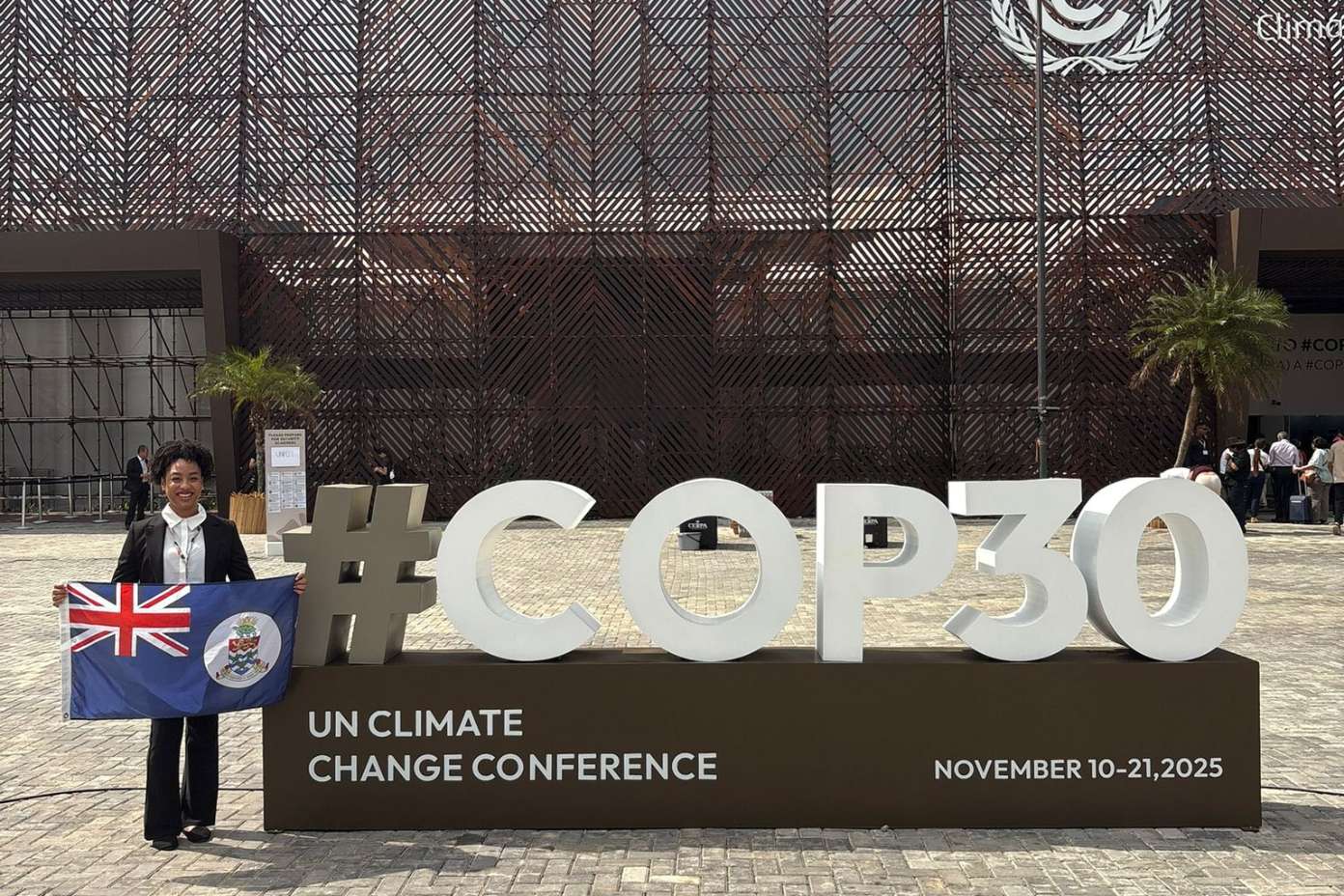
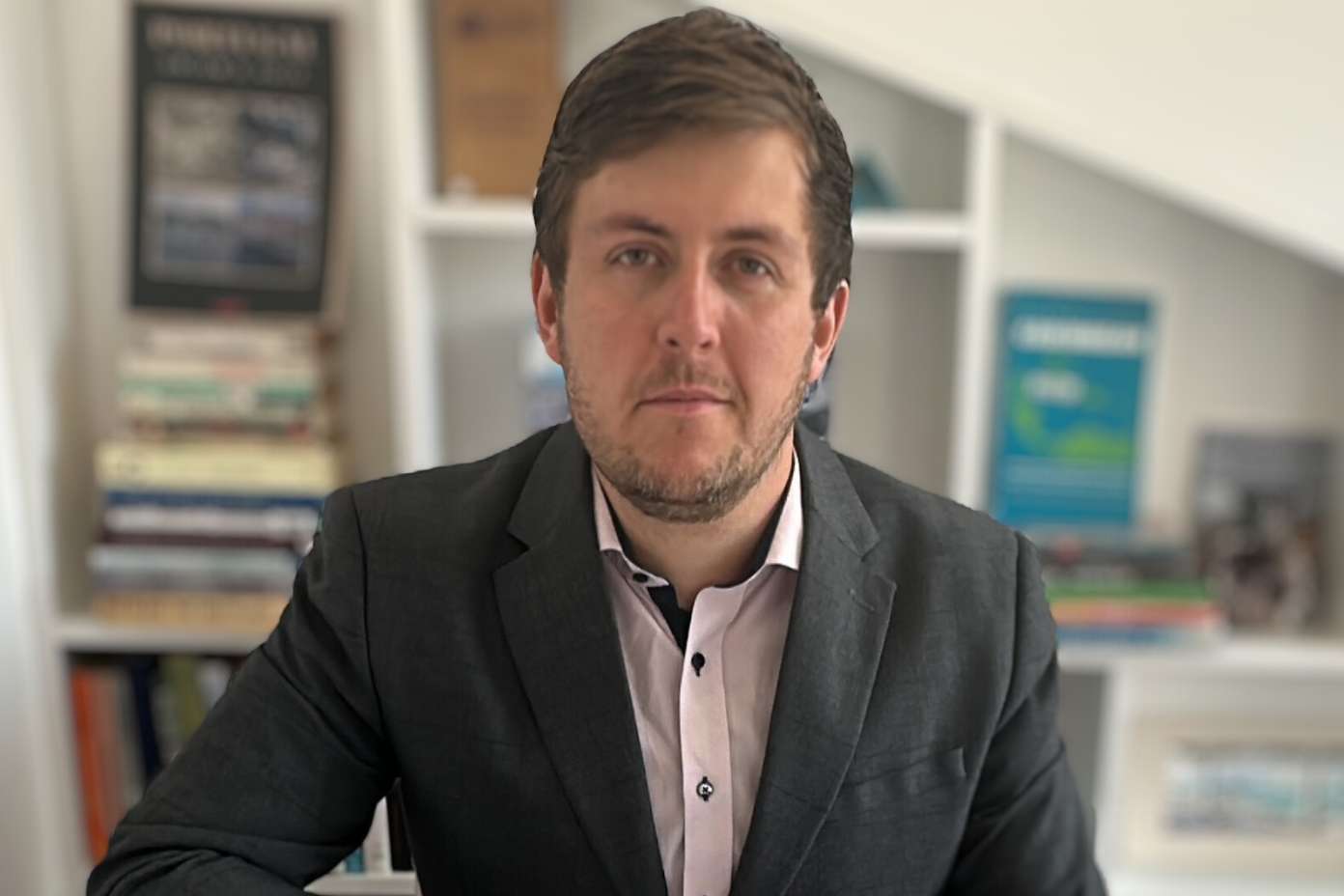
Young Caymanians Dejea Lyons, Soleil Parkinson and Amber Ebanks were there alongside local policymakers to make their mark on the two-week long COP30, the 30th conference of the parties to the UN Framework Convention on Climate Change.
“For the Cayman Islands, being represented at COP30 is essential,” said Lyons, speaking with the Compass from Brazil. “These negotiations will shape climate policy and funding for decades to come. Our presence ensures that the needs and vulnerabilities of small island nations are not lost among the priorities of larger economies.”
The conference is expected to focus on issues impacting small islands and coastal communities amid a campaign for a greater voice for those facing the greatest impacts.
James Ellsmoor, CEO of Island Innovation, said multiple countries, including Cayman, are presenting a united front to magnify their advocacy impact.
“These nations contribute less than 1% of global emissions, yet face some of the most severe consequences, where a single hurricane can wipe out an entire year’s economic output,” he said, stressing the need for global leaders to focus on protecting the most vulnerable.
Why it’s so important
Environmental action is taking on renewed urgency for the Cayman Islands. This year marks the 10th anniversary of the Paris Agreement, a milestone in global efforts to safeguard the planet, and comes amid what is expected to be one of the hottest years ever recorded locally – and on the planet.
After two consecutive seasons of record-breaking hurricanes, and with the world’s leading environmental conference now under way in Brazil, Cayman’s focus on resilience, sustainability and long-term environmental stewardship has never been more vital.
Cayman’s participation in COP30 comes weeks after Hurricane Melissa, the most powerful Category 5 hurricane ever to make landfall in the Atlantic Basin, devastated parts of Jamaica.
The memory of strong Category 4 Hurricane Ivan that ripped through Cayman in 2004 still casts a shadow, and just last year Hurricane Beryl, the earliest storm to reach Category 4- and 5-strength in the Atlantic Basin on record, grazed Cayman’s shores causing only minor damage.
According to an analysis by World Weather Attribution, the climate conditions that fueled Hurricane Melissa are now six times more likely than they would have been before the industrial era.
The same heat is being felt in Cayman. Just three months ago, the Cayman Islands National Weather Service recorded Grand Cayman’s hottest August day on record – 94.8°F on 24 Aug. – just shy of the all-time overall high of 95.5°F set in July 2023, the warmest year since local record-keeping began in 1991.
This comes amid a troubling run of record-breaking temperatures, making 2025 likely the second or third warmest year ever recorded, according to the World Meteorological Organization’s State of the Global Climate Update.
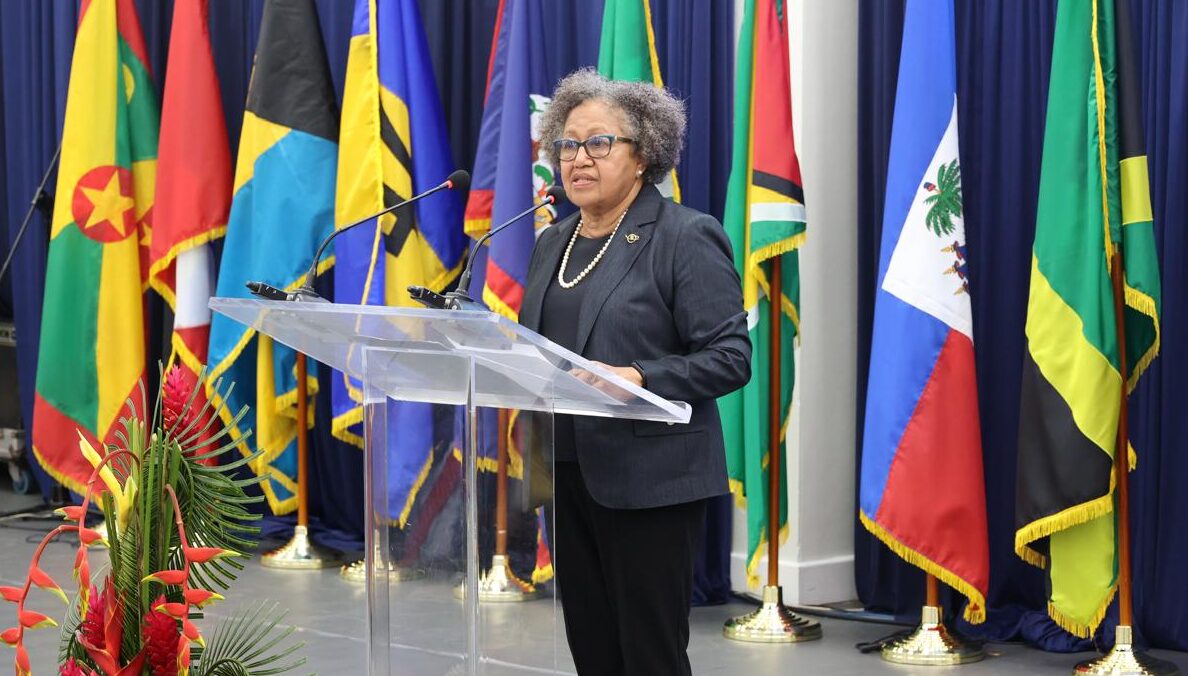
Carla Barnett, secretary-general of the Caribbean Community, or CARICOM, of which Cayman has been an associate member since 2002, underscored the region’s environmental vulnerability.
“Rising sea levels threaten our coastlines and cultural heritage. Intensifying hurricanes, droughts ocean acidification and saltwater intrusion are not abstract threats,” said Barnett. “They are lived realities for our farmers, fisherfolk, tourism workers and families across every Member State and coastal community.”
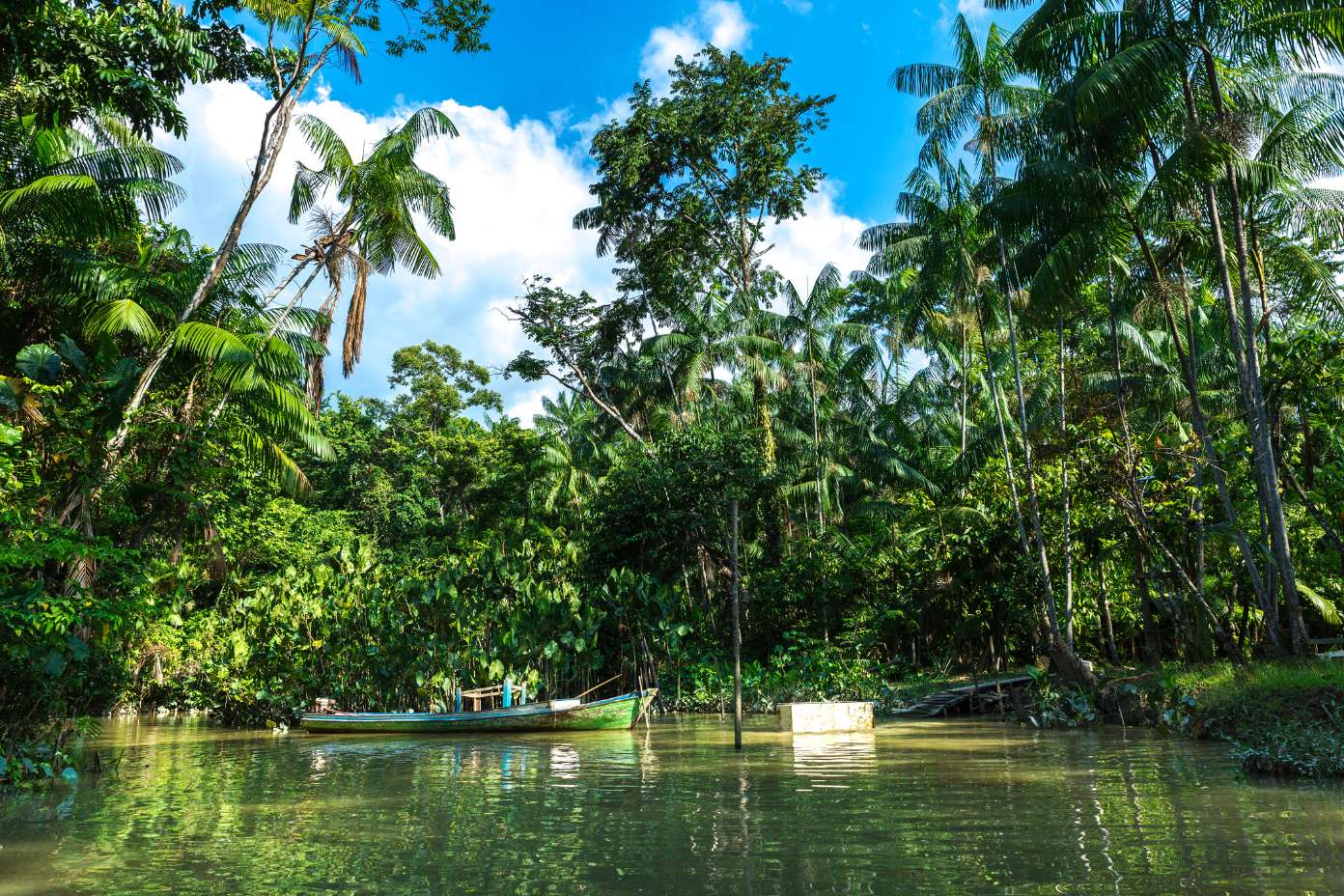
Belém, shimmering with tropical rain and resilience, stands as a symbol of urgency, hope, and the shared destiny of humanity and nature.
Amid escalating environmental risks and growing public concern, Cayman continues to stand out in the region, demonstrating steady leadership in sustainability and environmental action – both as a British Overseas Territory and as a Caribbean nation.
Cayman’s unique status
More affluent than many of its neighbours, Cayman blends Caribbean geography and culture with a distinctly global outlook – partly shaped by a sizeable expatriate population and the advantages that come with being a British Overseas Territory.
That very mix of resources, diversity and international perspective positions the county to be a leader.
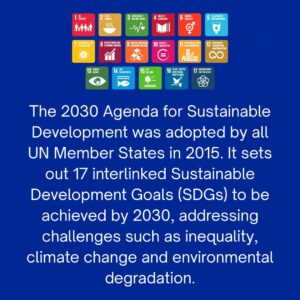
With five years remaining to meet the UN’s 2030 Sustainable Development Goals, Cayman finds itself at a pivotal moment.
“The Cayman Islands is uniquely positioned,” said Melanie Carmichael, chief executive of Sustainable Cayman. “Its strong economic base provides a platform to lead by example, balancing economic growth with environmental stewardship and social equity.”
That balance, however, unfolds within complex geopolitical limits. Because Cayman’s foreign policy falls under the authority of the United Kingdom, it cannot independently join UN agencies or sign international treaties. Like other British Overseas Territories and Crown Dependencies, it can only be included in such agreements if the UK formally extends them at the territory’s request.
Still, despite holding only associate membership in CARICOM and several UN regional bodies, Cayman’s environmental movement remains dynamic, deeply rooted and distinctly Caribbean in character.
As one of the associate members within the UN’s framework for Small Island Developing States, or SIDS, Cayman’s prosperity offers no shield from risk. SIDS is a group of 39 countries and 18 territories facing shared environmental and economic vulnerabilities.
“Though we contribute only a tiny fraction of global greenhouse gas emissions, we experience some of the harshest impacts of climate change: rising seas, stronger storms, coral loss and coastal erosion,” said Lyons.
These climate impacts threaten Cayman’s people, infrastructure, and tourism-driven economy, while rising temperatures, heavier rainfall and reliance on imported food and water leave the islands increasingly vulnerable to environmental and economic shocks.
“We have to urgently address the current effects of extreme weather and ramp up our preparations to fend off the worst economic and social impacts in the coming decade,” said Lisa Hurlston-McKenzie, senior policy advisor (Climate Resiliency) in the Ministry of the Environment.
“Equally important is quantifying the cost of responding to annual extreme weather events and ensuring sufficient funds for projects to safeguard the future quality of life of residents from the most adverse effects of a warming planet.”
Extension of global climate treaties
Cayman has established itself as a regional leader in environmental stewardship, both within the Caribbean and across the broader network of 14 British Overseas Territories, six of which share its Caribbean island geography and climate risks.
The UK extended the Convention on Biological Diversity to the Cayman Islands in 1994, following its own ratification of the treaty.
In 2007, it extended its ratification of the UN Framework Convention on Climate Change to include the Cayman Islands.
As part of its annual obligations, the UK is responsible for reporting Cayman’s emissions through the National Atmospheric Emissions Inventory. This extension formally connects Cayman to global climate commitments under the UN framework.
Now the Cayman Islands government is taking the next step by formally seeking inclusion under the Paris Agreement through the United Kingdom.
Adopted in 2015 by 195 out of 197 UN member countries, the Paris Agreement is a landmark accord under which countries agreed to work together to reduce greenhouse gas emissions that cause global warming. The goal is to keep the Earth’s temperature from rising more than 2 degrees Celsius, and ideally no more than 1.5 degrees above what it was before the industrial age.
Cayman’s formal request to adopt the framework will be presented at the Overseas Territories Joint Ministerial Council in London, taking place on 24-28 Nov.
Premier André Ebanks announced on 23 Oct., during the Chamber of Commerce’s annual Parliamentary luncheon, that Cabinet had approved the move. He confirmed that Environmental Minister Katherine Ebanks-Wilks will present Cayman’s case in London, guided by the 2024 Climate Change Policy.
In his address, the premier stressed that climate action is not only an environmental priority, but also an economic imperative – an investment in Cayman’s long-term resilience and prosperity.
If approved, Cayman would become the second British Overseas Territory and the first in the Caribbean to gain the Paris Agreement extension, reinforcing its reputation as a regional leader in forward-thinking environmental policy.
“The only other OT to have it extended is Gibraltar,” Ebanks said. “Cayman must be able to do better than that.”
Ebanks-Wilks said the move would bring both practical and strategic advantages.
“It would connect us to global systems for technical advice, knowledge sharing, and cooperation on climate solutions,” she explained.
“It would also strengthen our partnerships that can support the goals set out in the Climate Change Policy 2024–2050 and the National Energy Policy 2024–2045.”
Cathy Childs, environmental programmes manager for the National Trust, underscored the tangible benefits for Cayman.
“Being formally included under the treaty will give Cayman access to technical support, adaptation funding, loss-and-damage mechanisms, and partnerships available under the Paris framework,” she said.
“This could help our islands invest in renewable energy, protect biodiversity and strengthen our coastal resilience for long-term sustainability and economic security for generations to come.”
The extension of key international environmental agreements to the Cayman Islands signals the United Kingdom’s confidence in Cayman as a responsible and capable global partner – one ready to advance environmental protection and climate action in line with international goals.
Cayman’s vulnerability
Cayman’s natural beauty and economic strength often mask just how exposed the islands are to environmental threats.
But the fault lines are seen in a host of headline-making issues with potential links to ocean warming and rising sea levels.
Erosion on Seven Mile Beach and elsewhere around Cayman’s coast, loss of corals to bleaching and disease, exposure to threats from increased storm intensity, and challenges creating resilient infrastructure on one of the world’s lowest lying islands are all in the spotlight. And while Cayman has the economic strength to build for a resilient future, the challenges are immense.
A Caribbean Development Bank assessment placed Cayman among the four least vulnerable countries in the region overall when measured across social, economic and environmental indicators. Yet, when environmental vulnerability was considered on its own, Cayman’s standing shifted – 11 out of 18 Caribbean nations were found to face lower environmental risks.
That vulnerability is shaped by geography more than wealth or political stability. For a country where daily life, tourism and economic activity are anchored to the coastline, the implications are profound. Cayman’s environmental exposure underscores why its pursuit of stronger alignment with global environmental best practices is so important.
New projections from Human Climate Horizons, a collaboration between the UN Development Programme and the Climate Impact Lab, illustrate the scale of that risk.
By mid-century, under a moderate emissions scenario, the Cayman Islands could lose roughly 2.2% of its total land area or around 2.3 square miles to the sea. A 10-inch (25cm) rise in sea level would be enough to place nearly 2% of the population at risk of flooding.
“Our voice, though small, carries the urgency of a region on the climate frontlines and it deserves to be heard,” said Lyons.
Back to Belém
The location of COP30 in the Amazon – one of the planet’s most vital carbon sinks – carries particular weight for island nations like Cayman.
The conference unfolds against a backdrop that captures both the promise and peril of our era: the Amazon’s dwindling forests, regional heat extremes and the biodiversity threats faced by small island nations like the Cayman Islands.
The setting, rich in both natural and political significance, places the Global South at the centre of the conversation on equitable climate action and the urgent need for international support.
“This year’s Latin American and Caribbean COP offers a chance for our region to speak with one voice, calling for climate justice, access to finance and recognition that resilience in the Caribbean is a global responsibility,” said Lyons.
The Cayman delegation reflects that regional unity on a smaller scale. Representatives from the Ministry of Health, Environment and Sustainability are joined by Childs, who as well as being a representative of the National Trust, is the founder and director of Island Offsets.
With sponsorship from Cayman National Bank, CUC and KPMG, and support from the International National Trusts Organisation, the National Trust for the Cayman Islands has sent youth delegates Amber Ebanks and Soleil Parkinson, who plan to host a public event in Cayman upon their return from Brazil to share their experiences.
Lyons, meanwhile, is representing the Planeteer Alliance, an international youth movement focused on climate justice.

For the National Trust, topics such as protecting biodiversity, preserving cultural, historic and maritime heritage, and conserving ecosystems while allowing for sustainable development will be especially relevant, said Childs.
“Island Offsets will be exploring new ways to attract climate finance through preserving our mangrove ecosystems, which both store vast quantities of carbon and increase our climate resiliency by protecting us from storms, preserving precipitation patterns, and contributing to food security as a marine life nursery,” she said.
Cayman’s presence at COP30 forms part of a broader ecosystem of advocacy. Groups such as the Alliance of Small Island States, which pushes for stronger global climate commitments, and the United Kingdom Overseas Territories Association (UKOTA), which represents Britain’s territories abroad, continue to amplify the unique challenges faced by small islands.
Island Innovation – a global network linking island communities on sustainable development – has also become a regular fixture at the annual UN climate talks.
This year, the organisation is expanding its Island Voices @ COP initiative to elevate island perspectives and strengthen discussions on climate finance and representation for sub-national island jurisdictions.
Fight for fresh funding
Through its coordination of the Sub-National Island Jurisdictions Coalition and collaboration with the EU-funded Green Overseas Programme, Island Innovation is helping territories like Cayman access climate finance and showcase homegrown solutions.
“For small island developing states, COP is the main global forum where climate adaptation finance and policy are negotiated,” said James Ellsmoor, chief executive of Island Innovation.
At COP29 in Baku, Azerbaijan, during a UKOTA-hosted event chaired by Ellsmoor, the Cayman Islands spotlighted its efforts to safeguard key carbon sinks – mangrove wetlands and seagrass beds – some of the world’s most effective natural carbon storage systems.
As with Baku, climate finance will again dominate the agenda at COP30.
“At COP29, governments agreed on a new global framework requiring developed countries to mobilise at least $300 billion per year by 2035, with total public and private flows reaching $1.3 trillion annually,” Ellsmoor explained.
“For Caribbean nations, the challenge is not only the size of these funds, but access to them. Small islands are calling for simplified processes, more grant-based financing and vulnerability-based allocation, since they can’t navigate the same bureaucratic and credit hurdles as larger economies.”
For Cayman, and much of the Caribbean, climate action has become both a moral and economic imperative – an opportunity to build resilience through renewable energy, blue economy innovation and sustainable tourism.
“Small islands face outsized climate impacts, yet often receive a small portion of finance,” said Childs. “It is important for us to attend the conference to advocate for equitable funding, capacity-building, and recognition of our vulnerability to climate impacts.”
Barnett, of CARICOM, framed the talks within a broader regional and historical context, noting they will mark the first assessment of the Global Goal on Adaptation, review progress on the Loss and Damage Fund, and help define the New Collective Quantified Goal for climate finance.
“COP30 is not an endpoint, but another brief stop on a long and difficult journey, 30 years so far,” she said. “Our climate agenda will continue to be embedded in our development strategies, our budgetary frameworks and our regional integration efforts.
“Let us continue to speak our truth, as we have always done. … to ensure, as the late Sir Shridath Ramphal used to tell us, even if in a different negotiating context, we can all ‘sing from the same hymn sheet’.”
Related Videos










This is a long article, just for me to bring awareness that drivers licenses are going to be unaffordable but I guess that is ok since police don’t pull people over, they will drive without a license in the Cayman Islands.
On the COP30, if they were really concerned about the environment they should have held a ZOOM meeting. No carbon footprint from jets, cutting down trees, building roads or displacing animals. Just a thought.