

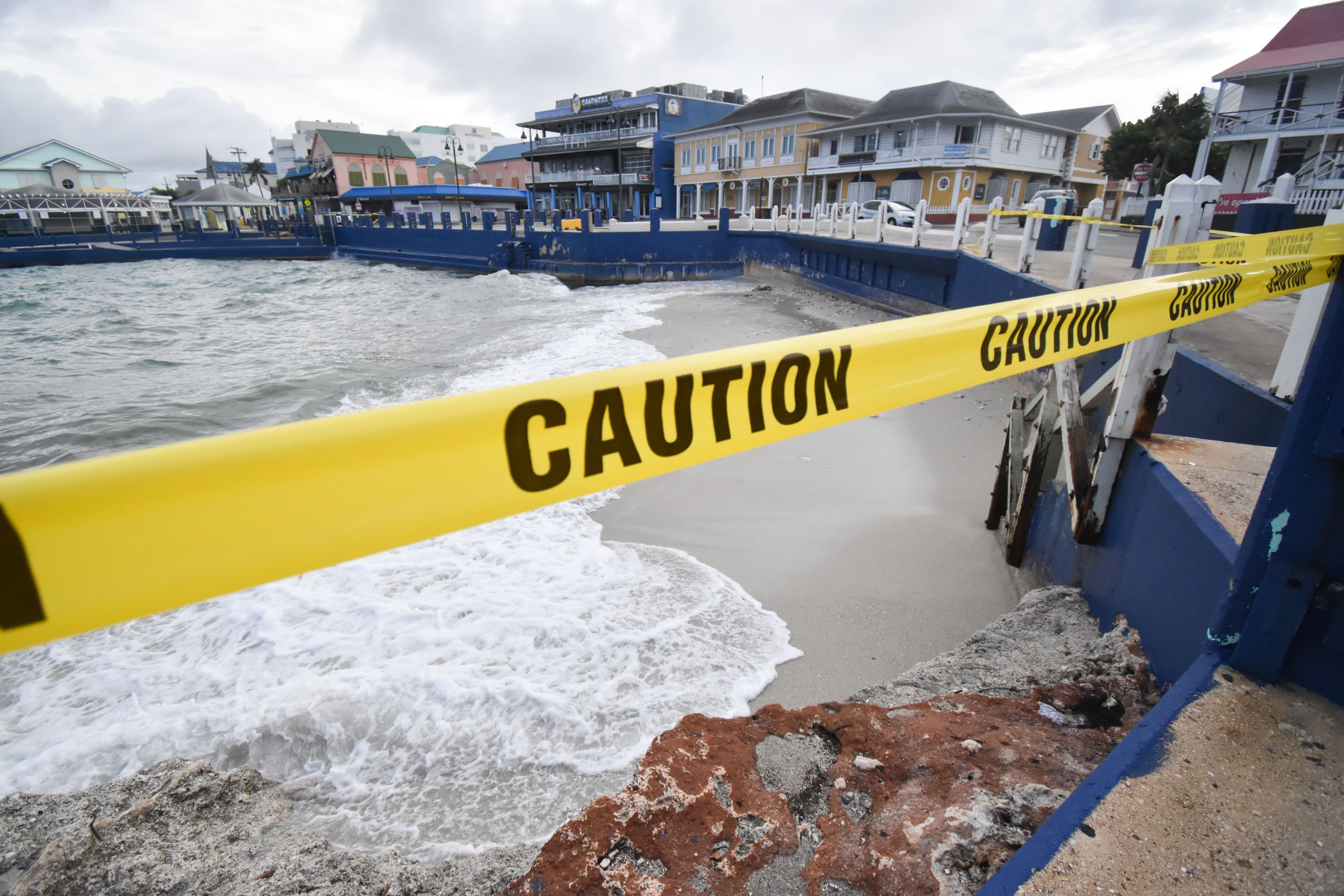
In the coming decades, the Cayman Islands is expected to face increased threat from rising seas and intensifying storms as the effects of climate change continue to impact coastal communities across the globe.
A new tool aims to help decision makers prepare for that threat.
The Cayman Islands Resilience Index, known as CIRI, will be used across government to help inform long-term decision making.
Modelled in part on a similar initiative in Dominica, the online tool will help assess the impact of policies and projects to enhance the country’s resilience and guide how public money is invested in major infrastructure decisions.
It scores projects and proposals across over 60 indicators under key focus areas drawn from the country’s Climate Change Policy 2024-2050, including a ‘robust economy’, ‘harmony with nature’ and ‘resilient infrastructure networks’.
The aim is to embed joined-up thinking across different government ministries and departments. Officials say the tool will provide assessments of the resilience implications of potentially competing policies and projects.
It was piloted with representatives from more than 20 government ministries and departments and private sector companies – including the Department of Planning, Hazard Management Cayman Islands, the Department of Environment, CUC and Island Energy – at a training workshop in George Town on 13 May.
Speaking in an introduction to that event Sustainability Minister Katherine Ebanks-Wilks said the tool would bring greater transparency to how major national projects are assessed and prioritised.
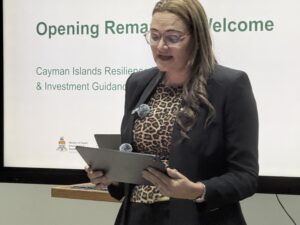
“It will support more informed decision making, help identify risks and opportunities earlier, and strengthen the confidence amongst investors,” she said, citing a new national waste management plan among the projects that could benefit from such analysis.
“Recent events have reinforced why this work matters. Last month’s landfill fire placed environmental resilience and national preparedness into the headlines.
“In parliament, I outlined the government’s four-part work stream towards a long-term solution. CIRI will help us guide and assess that work.”
Lisa Hurlston-McKenzie, senior policy advisor for climate resiliency at the Ministry of Sustainability, said it would help provide a collective understanding across the civil service of what resilience means for the Cayman Islands in a climate context, as well as “financial resilience and economic resilience as they relate to climate hazards and any other external shocks that the country may face”.
She said it would also help ensure collaboration on large capital projects, where decisions about design, financing and environmental impact have historically been made separately across different ministries.
“These are all critical decisions that have to be made and shouldn’t be made in silos,” she said.
Marilise Turnbull, team leader of the project and a founding partner of Integrated Risk Management Associates, the international consulting firm contracted to develop the tool, said CIRI would allow government to take a snapshot of national resilience and compare it year on year.
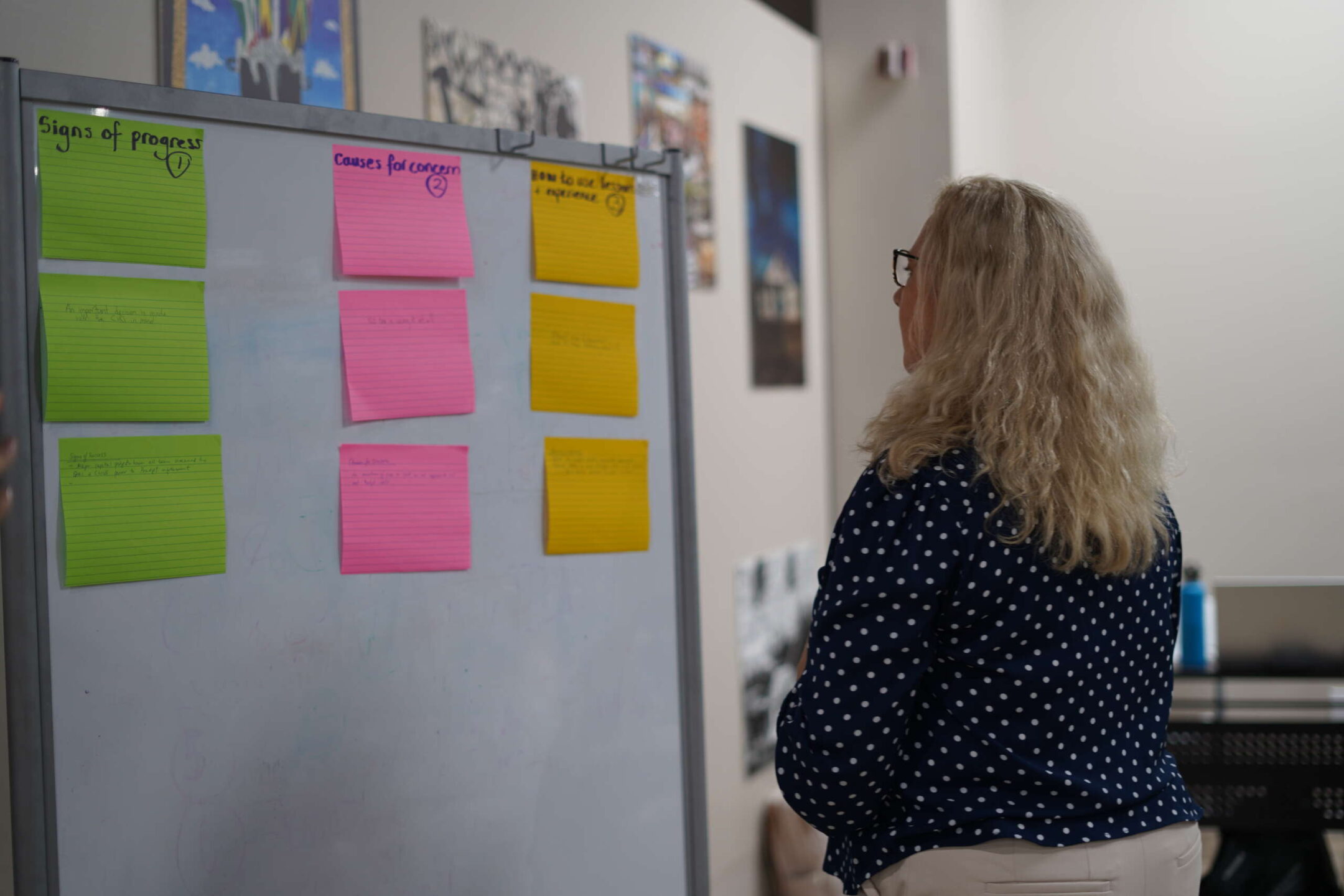
“Everybody wants to know that the government is investing wisely for the benefit of the population. The fact that you can take a snapshot in time and compare it with another one, six months, a year, two years later, will be able to hopefully show progress over time. It’s very transparent in that way.”
The tool was funded by the European Union through its Green Overseas Programme, which supports climate resilience across Overseas Countries and Territories.
Green bonds
The CIRI includes a companion Investment Guidance Tool designed to help government identify how projects can attract climate finance, including concessional loans, green bonds, debt swaps and public-private partnerships, by demonstrating measurable resilience outcomes.
Danielle Evanson, a climate finance and investment specialist with Integrated Risk Management Associates, said the tool could prompt a rethink of how projects are designed from the outset.
“We’re able to identify how they might make existing risks worse – environmental risk, climate risks – and therefore have the opportunity to see how can we redesign or modify the solutions that are proposed so that they reduce the risk.”
Karen Ford, senior policy advisor for energy, said new infrastructure could be tested through the index to help adjudicate between competing projects.
A utility-scale solar farm built on pristine habitat would score well on energy resilience but poorly on the harmony-with-nature indicators, she said, whereas the same installation on an abandoned marl pit would score higher across both.
Turnbull cited two live infrastructure debates – waste management and the proposed East-West Arterial Road – as the kind of decisions CIRI is designed to help inform.
“Those are two examples that we have been discussing during this workshop, and during a meeting with caucus,” she said. “They’re obviously real priorities and real interests for everybody, and hot topics as well.”
She said the exercise was not an abstract policy undertaking but one with direct implications for public safety.
“This tool is not just about providing numbers that will help the government make decisions. It’s about saving lives, and it’s about protecting the investments that the government’s making so that the Cayman Islands can continue to prosper.”
Related Videos












How about fixing West Bay Beach first, rather than having to employ even more civil servants to attempt to understand and implement this new “tool”, “to be developed by Integrated Risk Management”.
Absolutely! it’s pure hogwash.