

Cayman may rank among the highest-income jurisdictions in the Caribbean, but that status does not diminish either its exposure to climate risks or its eligibility for resilience financing.
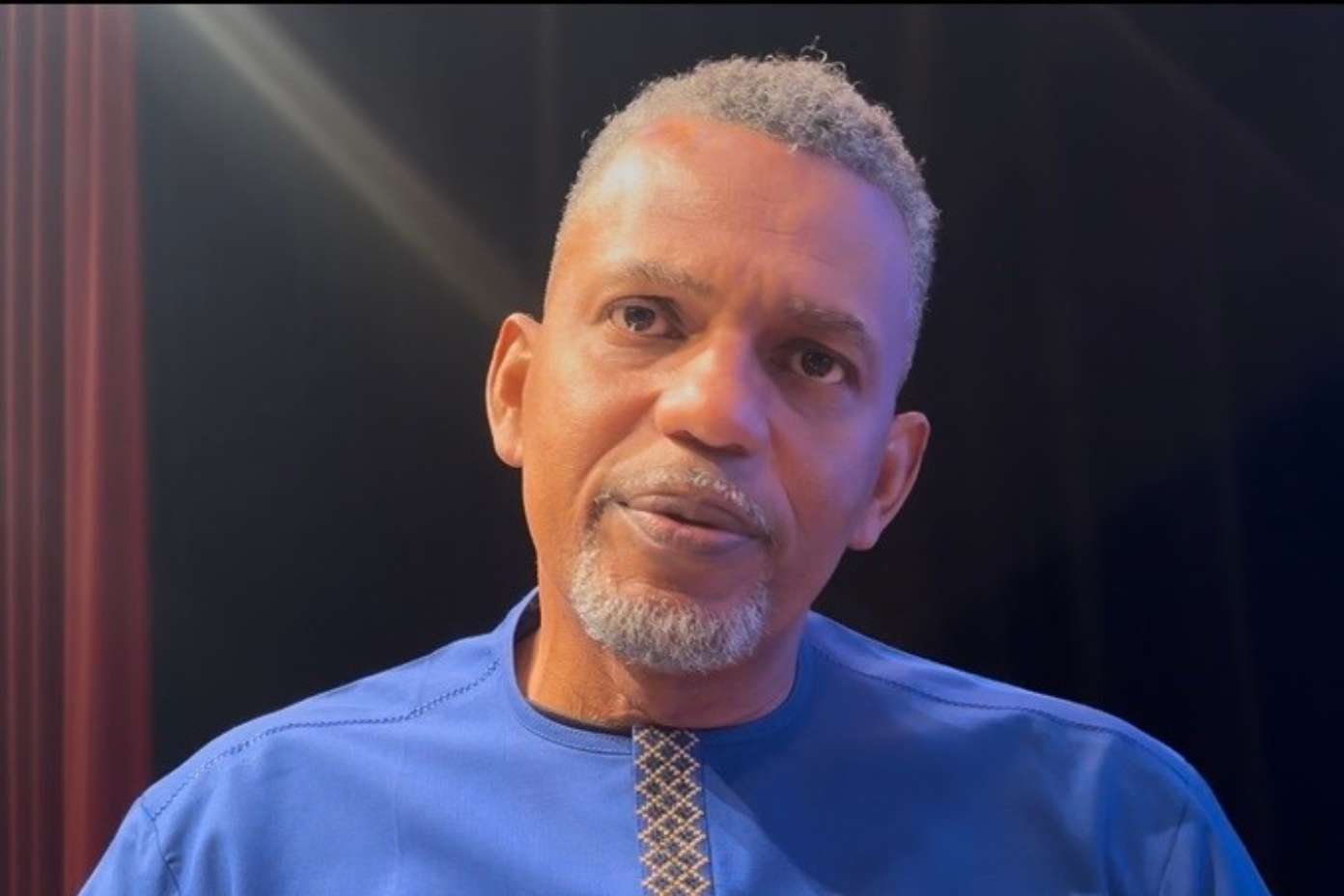
Speaking at the Caribbean Development Bank’s 2026 Annual News Conference in Barbados on 3 March, its president, Daniel Best, said Cayman remains firmly on the bank’s radar for climate and other development projects.
“Cayman is a high priority for the Caribbean Development Bank,” Best said, responding to a Compass question about how the institution allocates scarce development resources.
He acknowledged Cayman’s strong credit profile but pointed to its geographic vulnerabilities.
“You’re high income, yes. You also have very high credit. And there are resources that we have as a bank that we believe will be quite attractive to Cayman,” he said.
Best emphasised that the bank has mobilised dedicated climate resources and sees clear alignment with Cayman’s needs.
“We know that Cayman, for instance, is vulnerable to climate shocks, like the rest of the region, but also because of the topography, it is highly exposed,” he said. “How do we harden the infrastructure in Cayman? How do we harden the beach and coastal areas in Cayman? We have climate resources that we have mobilised that can serve Cayman very well.”
The comments come as Cayman has faced significant exposure to extreme weather in recent years. In 2024, three storms – Hurricanes Beryl, Helene and Rafael – affected the Cayman Islands.
Climate resilience, Best stressed, is therefore not an abstract policy objective but a practical necessity in a region increasingly shaped by extreme weather.
“Five Category 5 hurricanes passing through our neighbourhood in eight years,” he said, highlighting the scale of extreme weather the region has faced in a relatively short period. “It’s difficult to build a region when come June 1, we’re all looking to the skies and praying that this is the season that nothing happens.”
He argued that resilience must mean more than rebuilding.
“How do we get to the stage where, even if a Category 5 hurricane passes through, we’ve got to work the next day? People can still access health facilities. Climate [resilience] has to be what we are known for.”
Best described climate as one of three central pillars guiding the bank’s 10-year strategic plan, alongside youth development and institutional strengthening. He called the current period “the decade of decision”, signalling that regional governments must act decisively to reduce exposure to external shocks.
Doubling down on climate finance
Alongside Best, Valerie Isaac, division chief for environmental sustainability, addressed how shifting global politics, including reductions in some official development assistance and climate-related funding, are affecting the bank’s approach.
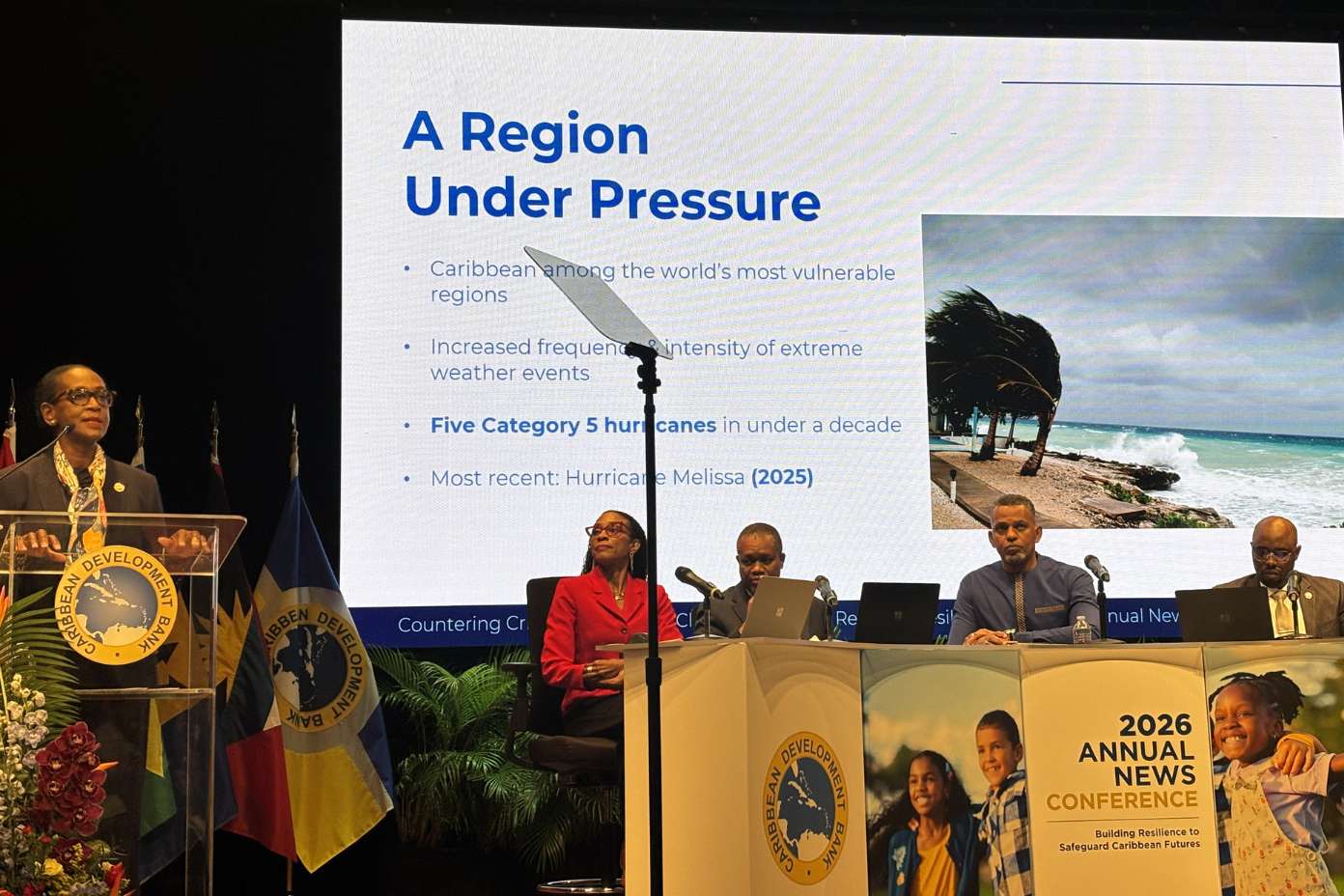
Global development assistance, a key source of climate financing, fell about 9% in 2024, with further cuts of up to 17% projected, raising concerns about funding for climate resilience projects in vulnerable regions.
“One of the things that we have recognised is that the change in landscape really reinforces our need to remain focused on delivering tangible benefits for our borrowing member countries,” Isaac said.
While acknowledging that some climate finance flows have been reduced, she said the bank has responded by intensifying its use of existing capital and concessional resources.
“Yes, (official development assistance) resources and climate finance are being reduced,” she said. “However, what we’ve done is basically doubled down on the resources that we have.”
That includes increasing concessional financing and expanding a project preparation facility designed to help countries bring bankable climate projects forward more quickly.
“What we’ve really done is use the capital we have available to leverage and draw in more private and public sector capital,” she said.
“We’re not being sidetracked by other things happening. We’re trying to ensure that we make the best use of what is available to us.”
Related Videos











The shrinking global climate aid mentioned by the CDB is a stark reminder that our current prosperity is not guaranteed forever.
By keeping government small today and building a Sovereign Wealth Fund like Norway’s, we can self-finance our own infrastructure resilience, healthcare, and pensions long into the future.