

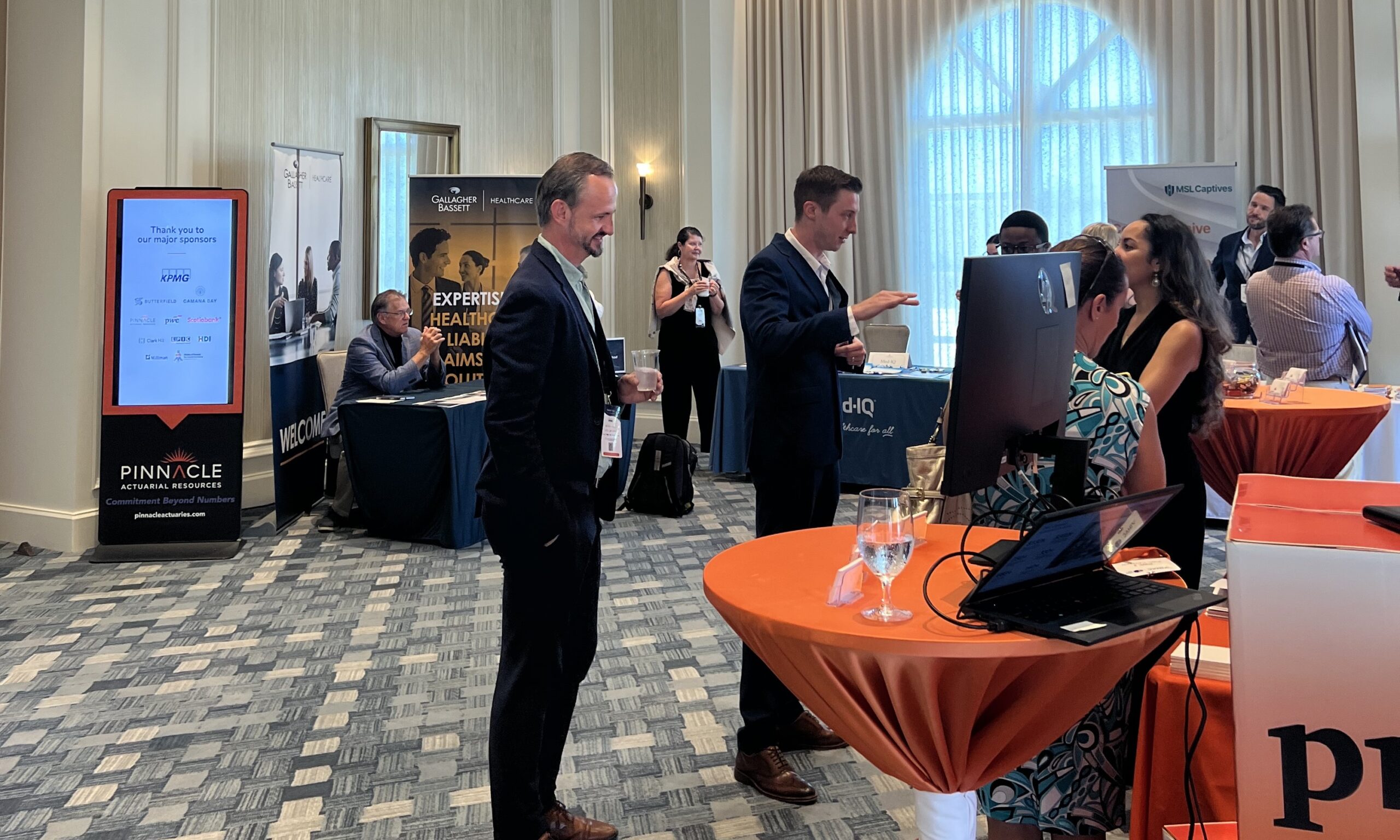
The world’s largest captive insurance forum, which was held at The Ritz-Carlton, Grand Cayman, ended in an upbeat mood on 4 Dec.
The Cayman Captive Forum 2025 highlighted a fast-growing industry that will become more visible on the islands.
The vast majority of international insurance companies in Cayman don’t have a physical office here but instead hire a local insurance manager to carry out the necessary administration.
As a result, billions of dollars of insurance assets are managed from Cayman without having much visible impact in the islands. But there were various signs from the forum that the industry will become more visible in Cayman.
Fast growth
Cayman’s captive insurance industry originally grew from US health care groups that wanted to create their own offshore insurance company to handle any medical claims. The basic idea being that if a company has significant insurance needs, then it makes economic sense to create its own insurance company rather than pay a third-party insurer.
But while that type of medical-related ‘single-parent’ captive is still the mainstay of Cayman’s captive industry, the growth is coming from new areas, with increasing numbers of single-parent captive insurance companies from other industries.
There is also an emerging trend where thousands of mid-sized US companies in the same sector, say for example trucking, group together to form their own captive insurer. Increased amounts of group captive companies are now coming to Cayman.
Another segment that is growing quickly is the ‘B(iii)’ licence insurance companies. These are captive insurance companies where more than 50% of business is generated by third-party clients.
“In other jurisdictions, once a platform is writing mostly third-party risk it would typically fall into the full commercial reinsurer category, which usually comes with an expectation of a staffed on-island presence,” said a delegate.
“Cayman’s B(iii) licence takes a more proportionate approach. It allows these firms to begin operating through a licensed insurance manager – who, in collaboration with other service providers and handle local oversight and regulatory interface – while still meeting CIMA’s governance and solvency requirements from the outset. It’s a practical structure that lets companies scale their physical presence as the business grows, without compromising prudential standards.”
How Cayman can benefit
International insurance is already a major component of Cayman’s financial services sector but talk at the conference suggests that impact will increase.
For example, the growing number of group captives will have a tangible impact on Cayman, because each member of a group captive will have to send a representative to a board meeting in Cayman. That means a lot more insurance executives will be visiting the islands.
The rapid growth in B(iii) international insurance licences could lead to something more significant. Cayman-based international insurance executives hope that some of these B(iii) licence companies will grow their business and eventually have fully-fledged ‘bricks and mortar’ operations in Cayman. In that case they would progress to a D licence and employ more Caymanians directly.
The forum didn’t just talk about potential future gains – some of the benefits are already being felt. Cayman’s actuarial network was formed in 2024 with approximately 70 members and now has more than 100. “We’ve seen a massive increase in the number of actuarial jobs in the islands,” said Ivan Espinoza, CEO of Kettle.
A 3 Dec. report from WORC showed that mathematicians, actuaries and statisticians were the best-paid job in Cayman in the month of November, earning an average annual salary of $343,750. Of course, the international insurance sector also employs a wide range of professionals in Cayman, including lawyers and accountants.
The challenge for Cayman is that the industry requires highly-trained specialists, often with international experience. Delegates at the conference conceded that can make it difficult to build a pathway for Caymanians to join the industry at entry level.
Related Videos













The finance industry as a whole is getting absolutely crushed by this government. I’ve seen over 40 billion dollars from funds leave since this government came in. Meanwhile the government raises fees so how can you do business. The time to shutdown businesses in finance is imminent.